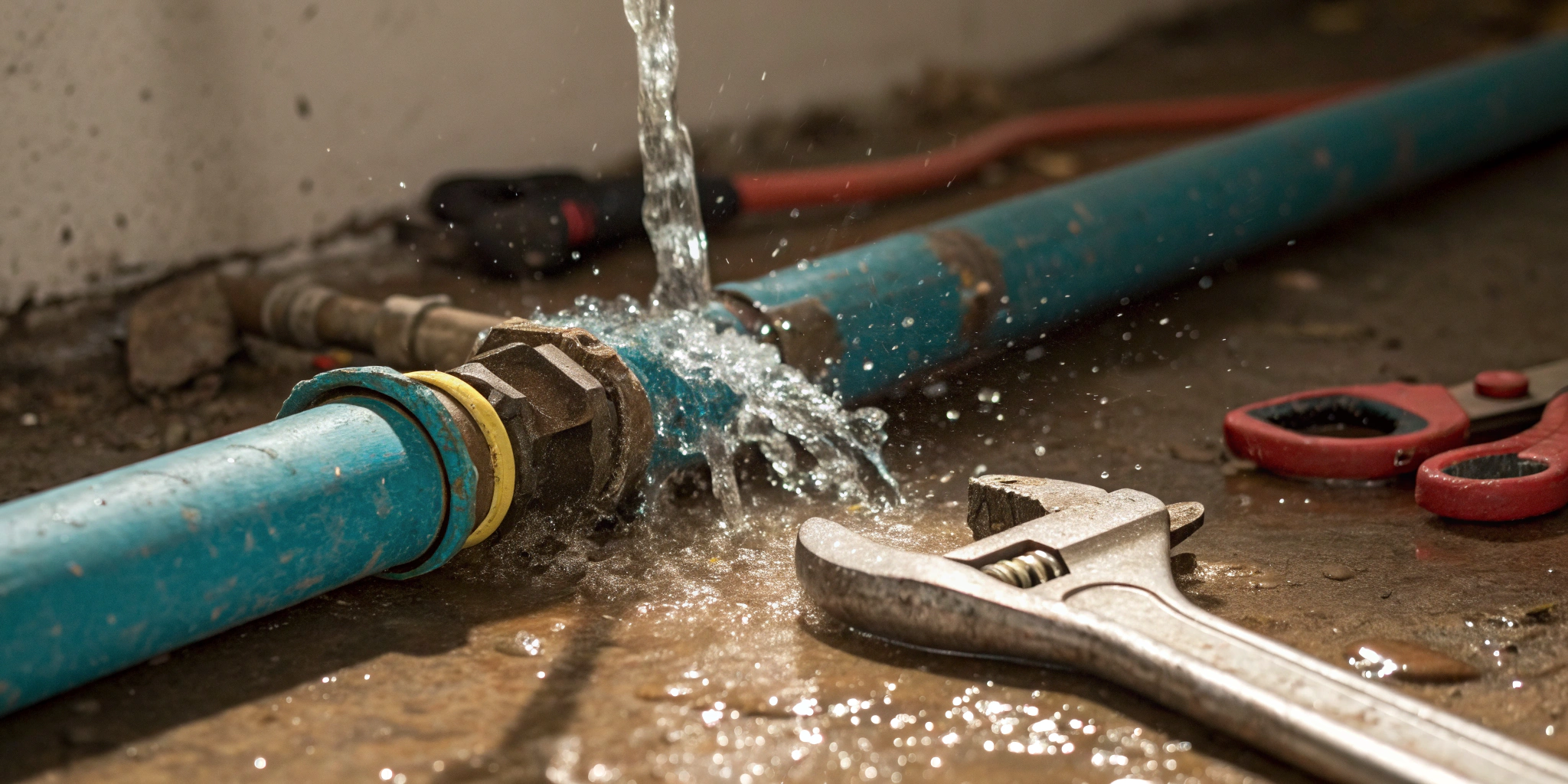


Water problems rarely announce themselves politely. One day everything works as it should, then suddenly there’s a leak under the sink, low pressure in the shower, or a damp patch spreading across the wall. In Nairobi, that’s usually the moment you start looking for a plumber fast.
Most people turn to the usual places. A quick post on Facebook, a message in a WhatsApp group, or a call to a number someone saved months ago. Within minutes, you have options. Names, promises, and a few “niko available” replies.
But here’s the thing many homeowners learn the hard way not every plumber who is available is the right one for your specific problem. And when it comes to water, a small mistake can quickly turn into a bigger, more expensive issue.
So before anyone starts opening pipes or breaking into your wall, there are a few key questions worth asking. Not to make things complicated, but to protect your time, your money, and your home.
Start by Understanding Their Experience With Your Exact Problem
Plumbing sounds like one skill, but in reality, it’s a mix of different specialties. Fixing a leaking tap in Umoja is not the same as dealing with low water pressure in a fourth-floor apartment in Kileleshwa. Installing a water heater in Karen is a completely different job from unclogging a drain in Pipeline.
That’s why it helps to be specific.
Ask whether they’ve handled your exact issue before, ideally in a similar type of house or building. Someone who has worked in apartments understands pressure systems and shared pipelines differently from someone used to standalone houses.
You can take it a step further by asking for photos of previous work. Most serious plumbers keep some record, even if it’s just on their phone. Seeing actual jobs gives you a clearer sense of what they can do beyond just saying “I can handle it.”
Get a Clear Quote Before Any Work Begins
Pricing is where things often get confusing.
You ask for a cost, and you get a quick number. It sounds reasonable, so you agree. Then the job starts, and additional costs begin to appear materials, fittings, transport, small extras that weren’t mentioned earlier. By the end of the day, the total is much higher than expected.
The simplest way to avoid this is to ask for a written quote before the work begins.
It doesn’t need to be a formal document. Even a detailed WhatsApp message is enough, as long as it clearly separates labour from materials and lists what will be required. That way, you know exactly what you’re paying for and can even choose to buy materials yourself if you prefer.
Clear pricing isn’t just about cost. It’s about setting expectations early so there are no surprises later.
Ask About Guarantees and What Happens if Something Goes Wrong
Plumbing work doesn’t always fail immediately. Sometimes everything looks fine on the day, only for a leak to appear a few days later.
That’s why it’s worth asking what happens if the repair doesn’t hold.
A professional plumber will usually offer some form of workmanship guarantee, even if it’s informal. They’ll be willing to come back and fix the issue without turning it into a new job entirely.
You can also ask whether they test the system before finishing. For example, do they check water pressure after fixing a joint? Do they confirm there are no leaks before closing up a wall?
These small steps make a big difference in preventing repeat problems.
Look for Proof of Previous Work, Not Just Recommendations
In Nairobi, recommendations are everywhere. Someone will always say “this guy is good” or “I’ve used him before.” While that can be helpful, it’s not always enough on its own.
What you want is proof.
Photos of completed jobs, before-and-after comparisons, or even short videos showing work in progress can tell you far more than a simple referral. It shows consistency, not just a one-time experience.
It also helps you understand whether the plumber has worked on systems similar to yours. Older houses with metal pipes behave differently from newer buildings using modern materials. Experience with one doesn’t automatically translate to the other.
Check Whether They Operate as a Recognizable Business
Not every plumber in Nairobi runs a formal company, but there’s a noticeable difference between someone who operates professionally and someone who works entirely informally.
You can ask simple questions. Do they have a business name? Can they provide a receipt after the job? Do they have a consistent way clients can reach them?
These details matter more than they seem. If something goes wrong, it’s much easier to follow up with someone who has an identifiable presence than someone who disappears after the job is done.
Platforms like The Real Plug are increasingly making this easier by listing plumbers whose identities and work have already been verified. That doesn’t remove the need to ask questions, but it reduces uncertainty.
Set Expectations Around Time and Availability
Time is often overlooked until it becomes an issue.
A plumber might say they’ll arrive in the morning, but in Nairobi, traffic, overlapping jobs, and general delays can quickly shift that timeline. Meanwhile, your water might be turned off, and your day is on hold.
It helps to agree on a realistic arrival time and what happens if there’s a delay. Even a simple understanding that you’ll be informed in advance can make the process smoother.
Reliable professionals tend to communicate clearly about their schedules. If someone is vague from the start, it’s usually a sign of how the rest of the job will go.
Ask Them to Explain the Problem in Simple Terms
You don’t need to be an expert in plumbing, but you should have a basic understanding of what’s being fixed.
A good plumber will take a moment to explain the issue. Maybe it’s a worn-out fitting, a loose connection, or pressure building up in the system. They’ll show you where the problem is and how they plan to fix it.
If everything is described as “complicated” without any clear explanation, it becomes harder to trust the process. Transparency builds confidence, and it also helps you make better decisions if additional work is suggested.
Clarify Responsibility in Case of Damage
Plumbing work sometimes involves opening walls, removing tiles, or working in tight spaces. Accidents can happen.
It’s worth asking upfront how such situations are handled. If something breaks during the repair, what’s the plan? Who takes responsibility?
This doesn’t need to be confrontational. It’s simply about being clear before the work begins. Most experienced plumbers will have encountered this before and can give a straightforward answer.
Why These Questions Make a Difference
At first glance, these questions might seem like extra effort, especially when you just want the problem fixed quickly. But in practice, they save time, money, and frustration.
They help you filter out uncertainty before it becomes a problem. They also set a professional tone for the job, making it clear that expectations matter.
In a city like Nairobi, where access to service providers is easy but quality can vary, that kind of clarity is valuable.
Finding the Balance Between Speed and Reliability
There’s nothing wrong with using Facebook or word-of-mouth to find a plumber. In many cases, that’s still the fastest way to get help.
The difference is how you proceed after that first contact.
Instead of relying entirely on a recommendation, you take a few extra steps to confirm experience, clarify pricing, and set expectations. And when the job is more complex or higher risk, using platforms like The Real Plug can offer an added layer of confidence.
Over time, these small shifts in approach make a big difference. You spend less time dealing with repeat issues and more time working with people you can rely on.
Making Better Decisions Before the First Pipe Is Opened
Plumbing problems are stressful enough without adding uncertainty to the process.
By asking the right questions early, you give yourself a clearer picture of who you’re hiring and what to expect. You reduce the chances of misunderstandings, unexpected costs, and unfinished work.
And once you find a plumber who meets those standards, you’re less likely to start the search all over again the next time something goes wrong.
In the end, it’s not just about fixing a leak. It’s about making sure it stays fixed.