Nairobi CBD - 00100
A restaurant can survive a slow lunch hour, but a sewage smell near the washrooms is a different story. Imagine a busy hotel in Naivasha during a weekend conference, or a nyama choma joint in Roysambu just before the evening rush, then the toilets start backing up and guests begin asking uncomfortable questions. In hospitality, sanitation problems are visible, stressful, and expensive because customers expect clean washrooms, fresh dining spaces, and safe food handling areas. Septic Tank Emptying for Restaurants and Hotels helps prevent these messy interruptions by removing built-up waste before it overflows, blocks drainage, or puts your business at risk of complaints and closure.
Restaurants and hotels put much more pressure on septic systems than ordinary homes. A family house may use the toilet and bathroom several times a day, but a hotel, lodge, café, bar, or busy eatery can have hundreds of toilet flushes, kitchen washdowns, laundry loads, and staff cleaning routines in one day. In areas such as Westlands, Kilimani, Mombasa, Diani, Nakuru, Eldoret, Kisumu, Naivasha, and Nanyuki, many hospitality businesses operate in buildings that rely on septic tanks, soak pits, biodigesters, grease traps, or private drainage systems. When these systems are not serviced on time, the business feels the impact quickly.
The risk is not only an unpleasant smell. A full septic tank can cause toilets to back up, dirty water to rise through floor drains, kitchen waste lines to slow down, and sewage to appear around inspection chambers. For a restaurant, that can affect customer confidence almost immediately. For a hotel, it can lead to room complaints, cancelled bookings, poor online reviews, and awkward conversations at reception. Unlike a private home, a hospitality business is judged in public, and sanitation problems can damage a brand faster than many owners expect.
Timely Septic Tank Emptying for Restaurants and Hotels also supports compliance. Public health officers, county officials, landlords, mall managers, and environmental authorities may take sanitation concerns seriously, especially where food service and guest accommodation are involved. If wastewater overflows into public areas, storm drains, neighbouring compounds, or food handling zones, the business may face warnings, temporary closure, cleaning costs, or further inspection requirements. A planned emptying schedule is usually cheaper and calmer than calling for emergency help after customers have already seen the problem.
A proper provider should start by understanding how the business operates. A small café with two washrooms does not have the same waste load as a 40-room hotel with laundry, a swimming pool area, a bar, staff quarters, and a busy kitchen. Before giving a quote, a serious provider may ask about the number of guests or customers, kitchen activity, grease trap condition, tank access, previous emptying dates, and whether there are current signs of blockage or overflow. These details help them estimate truck capacity, hose length, timing, crew size, and the likely amount of sludge or grease buildup.
Access planning is important because hospitality businesses cannot always stop operations for waste work. A restaurant in Lavington may have limited parking, a hotel along Mombasa Road may have delivery trucks coming in and out, and a beach hotel in Diani may need the work done away from guest areas. A professional team should plan how the exhauster truck will reach the tank, where hoses will pass, and what time will cause the least disruption. Early morning, late evening, or off-peak service may be better for businesses that want to avoid affecting diners, guests, or deliveries.
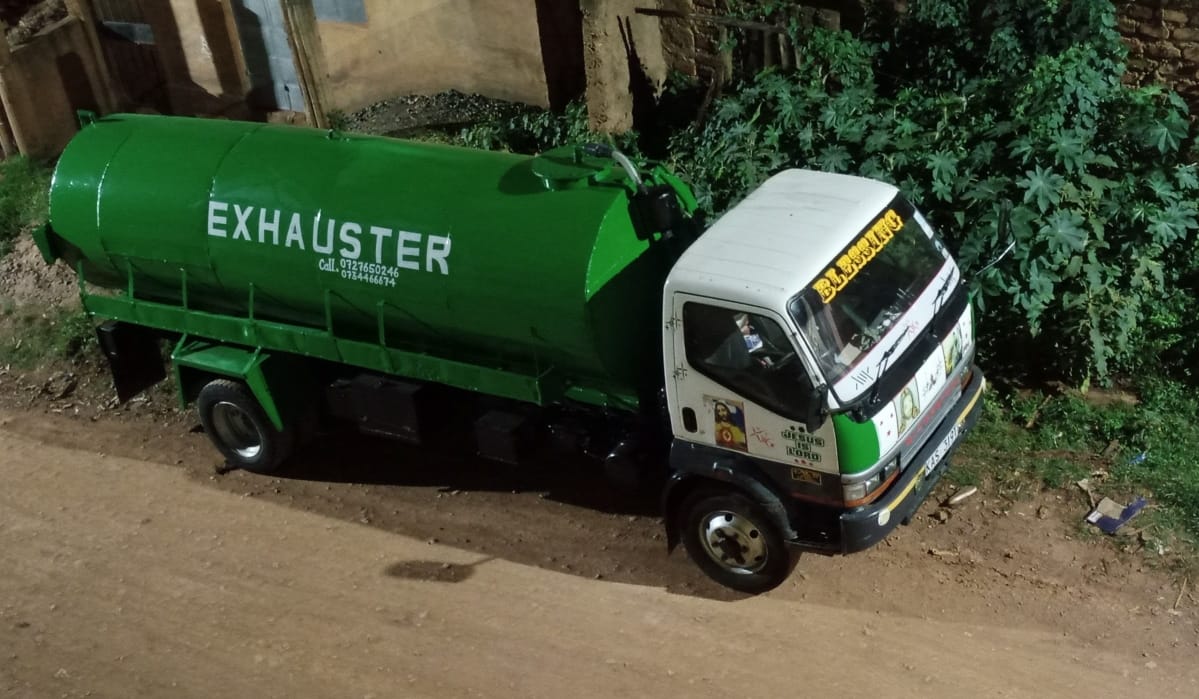
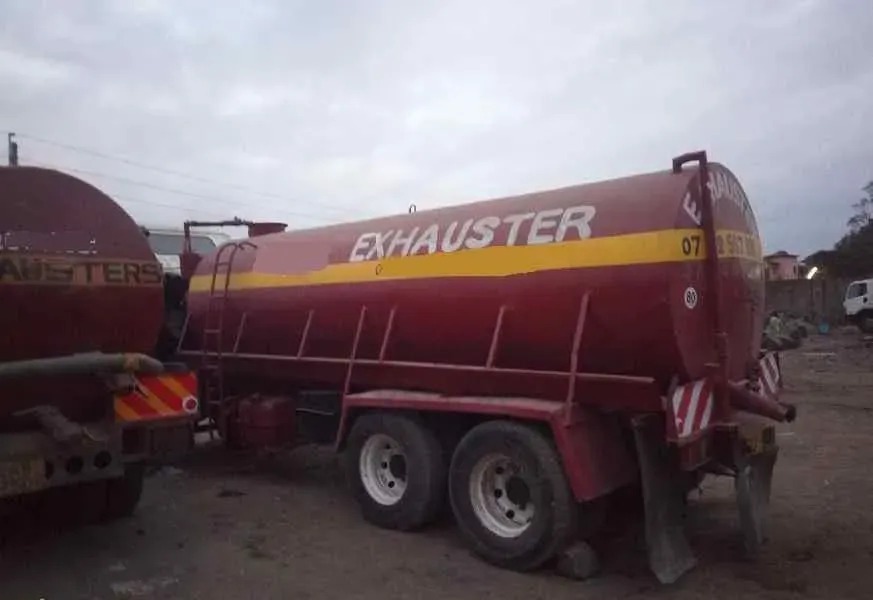
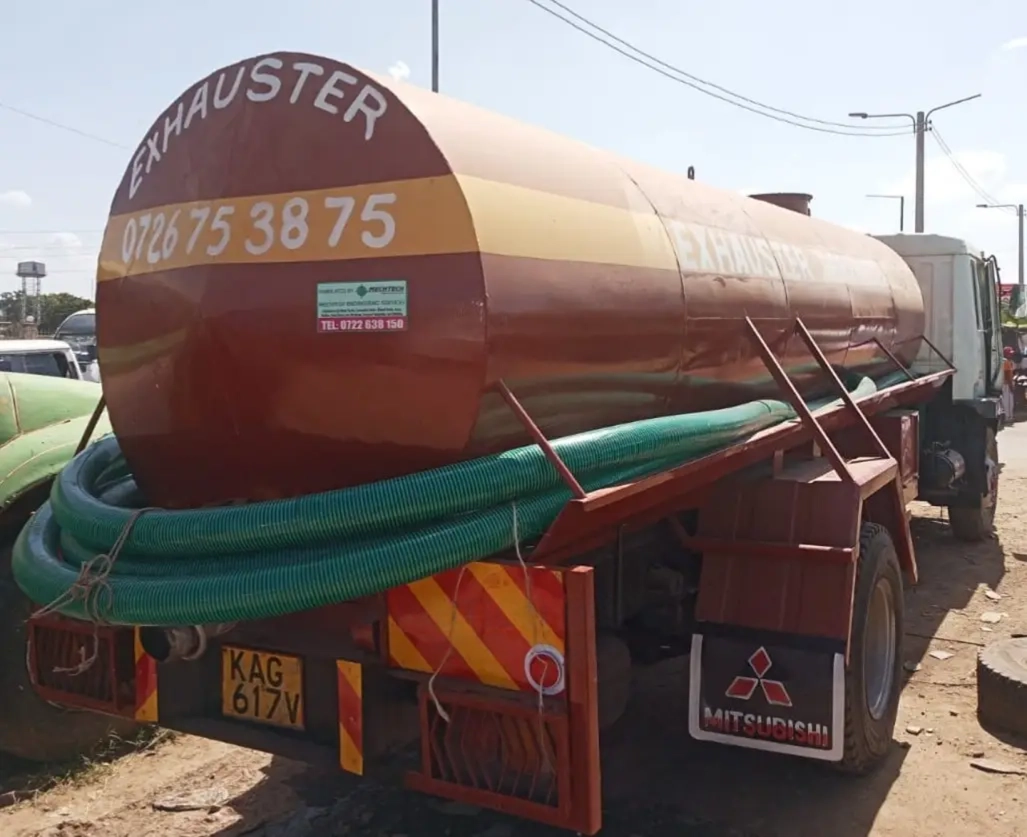
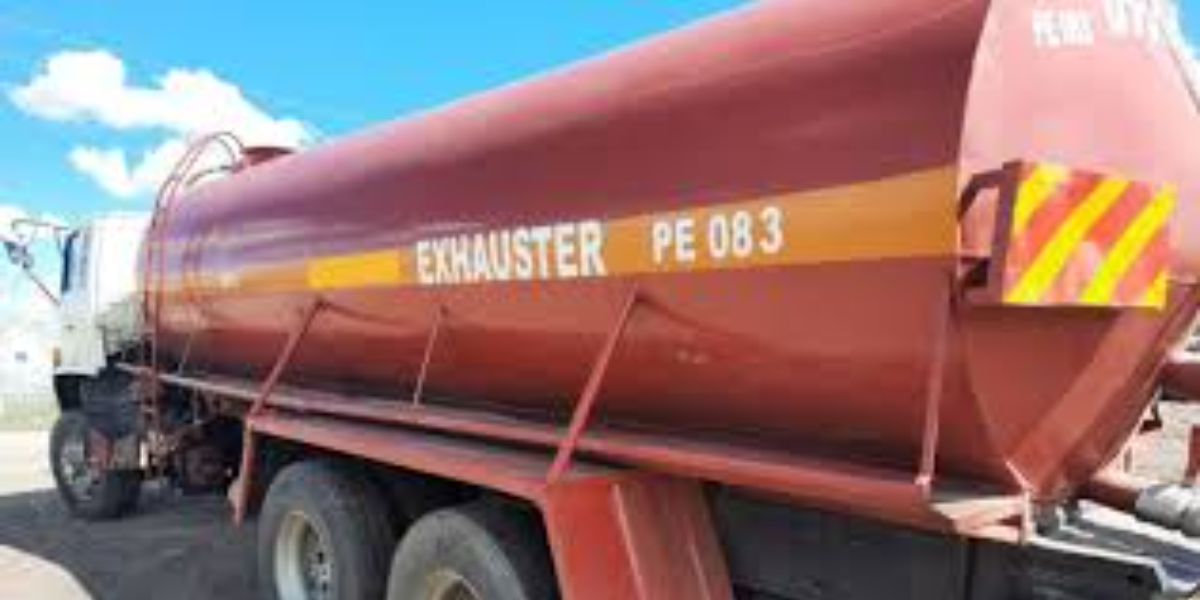
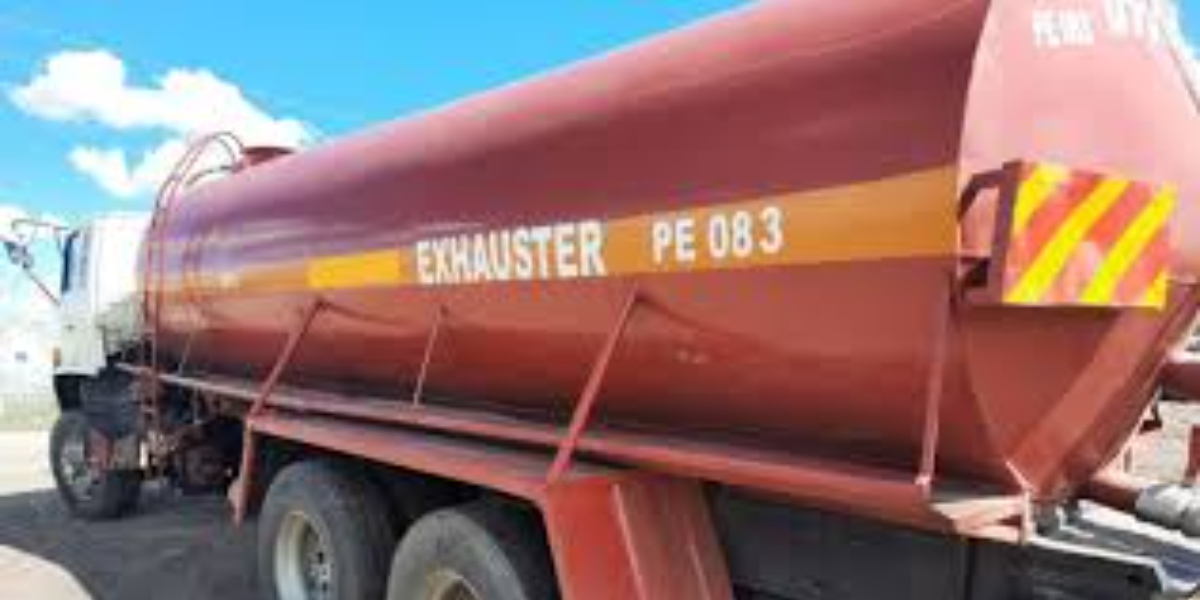
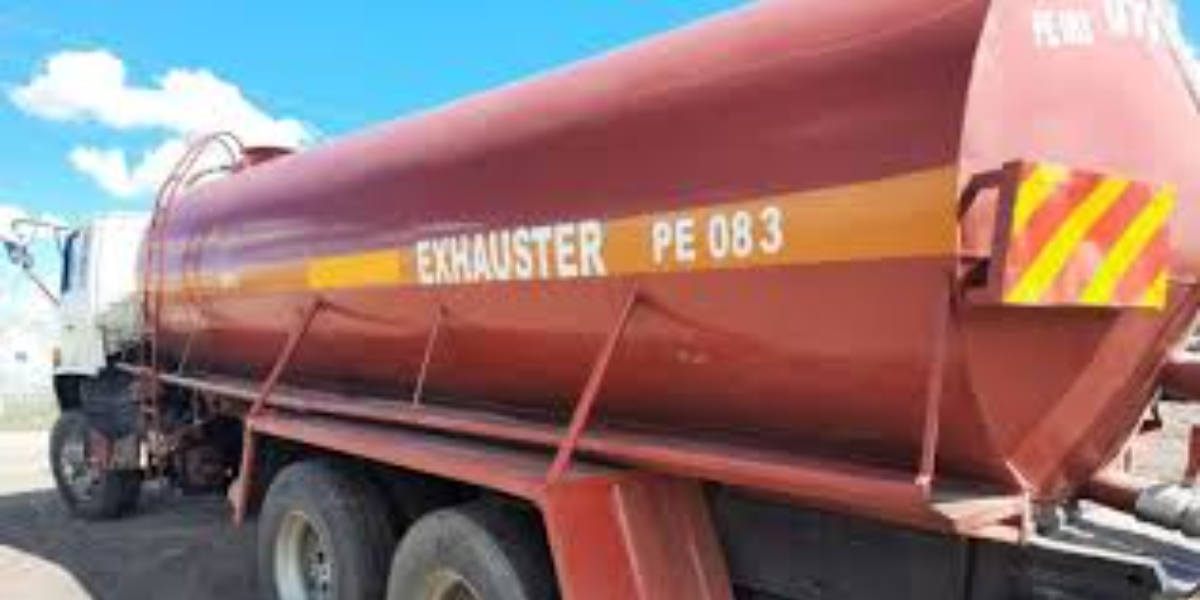
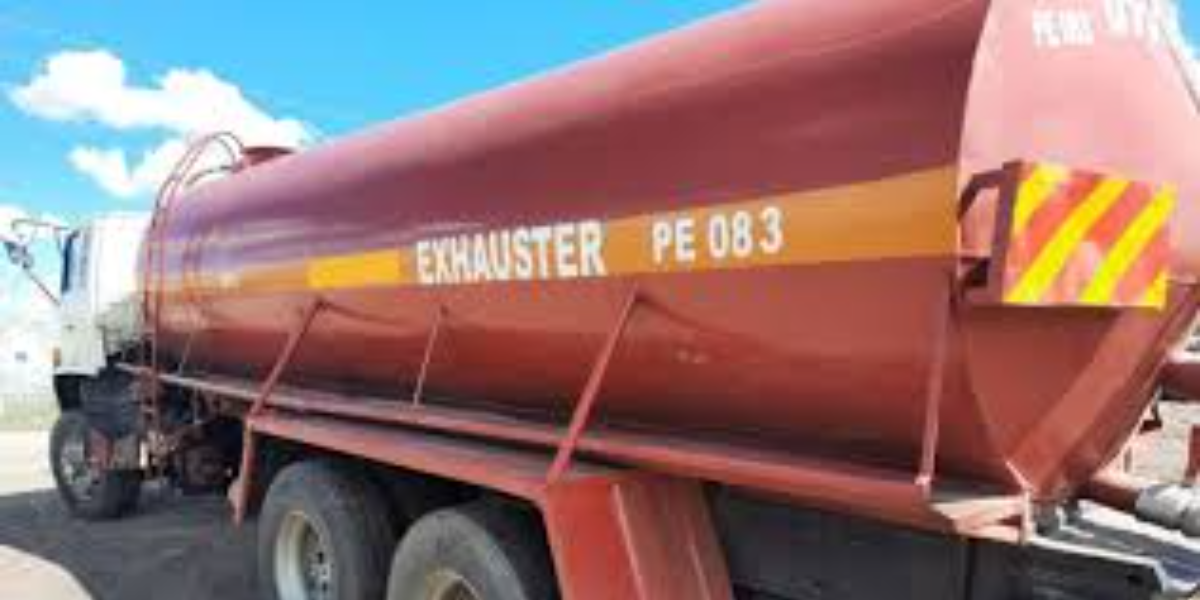
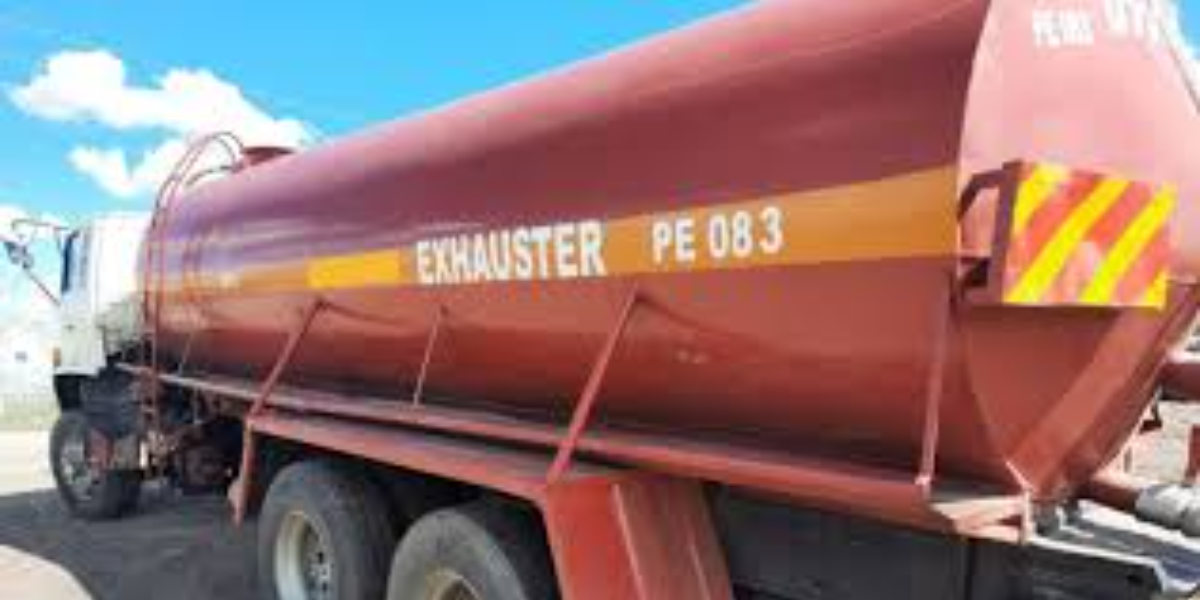
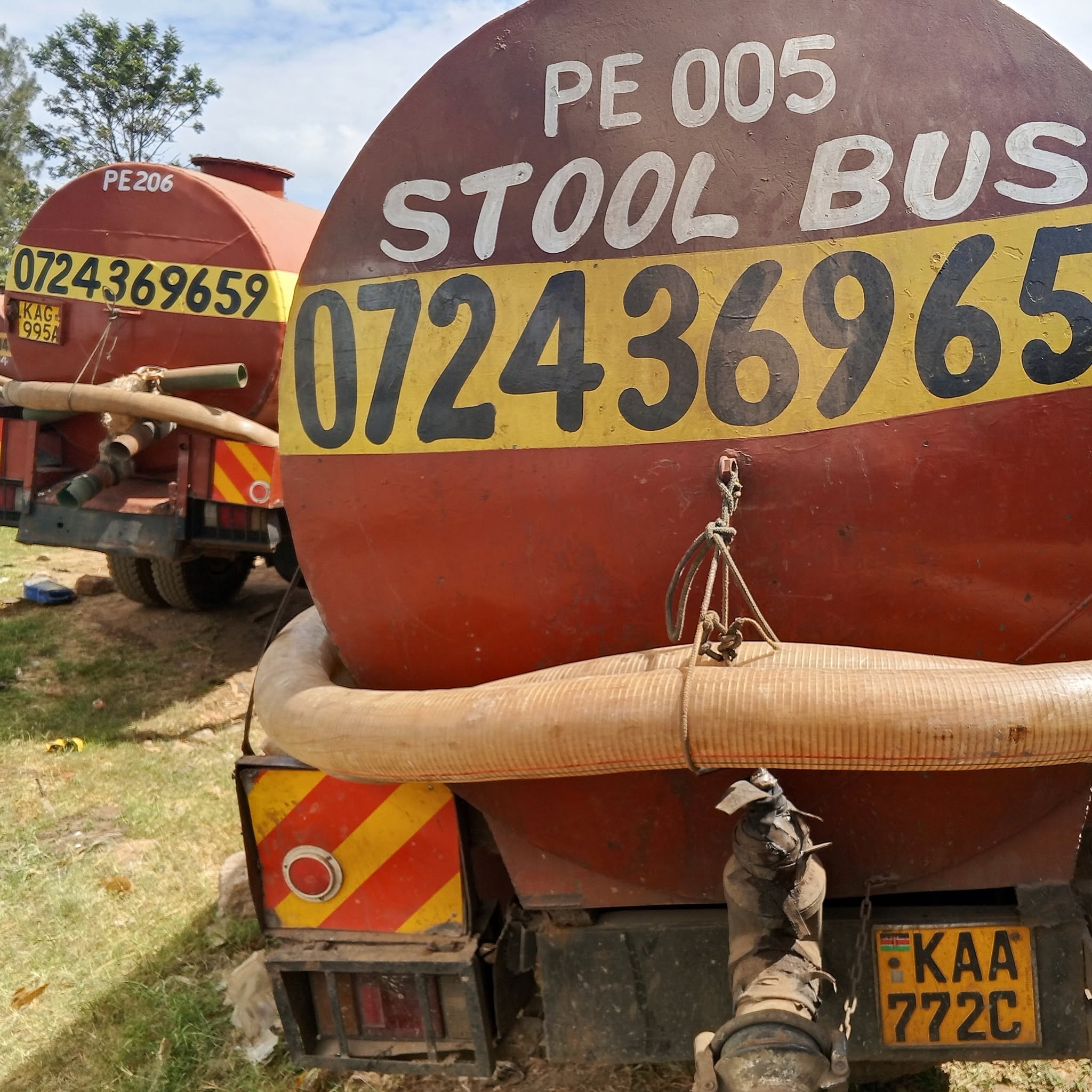
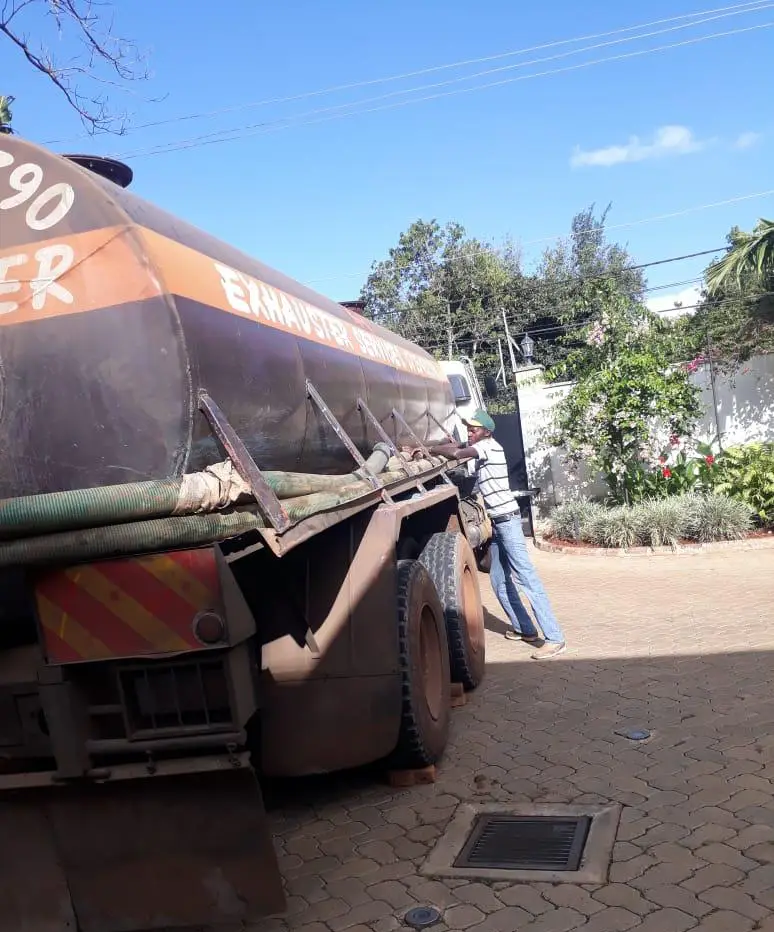
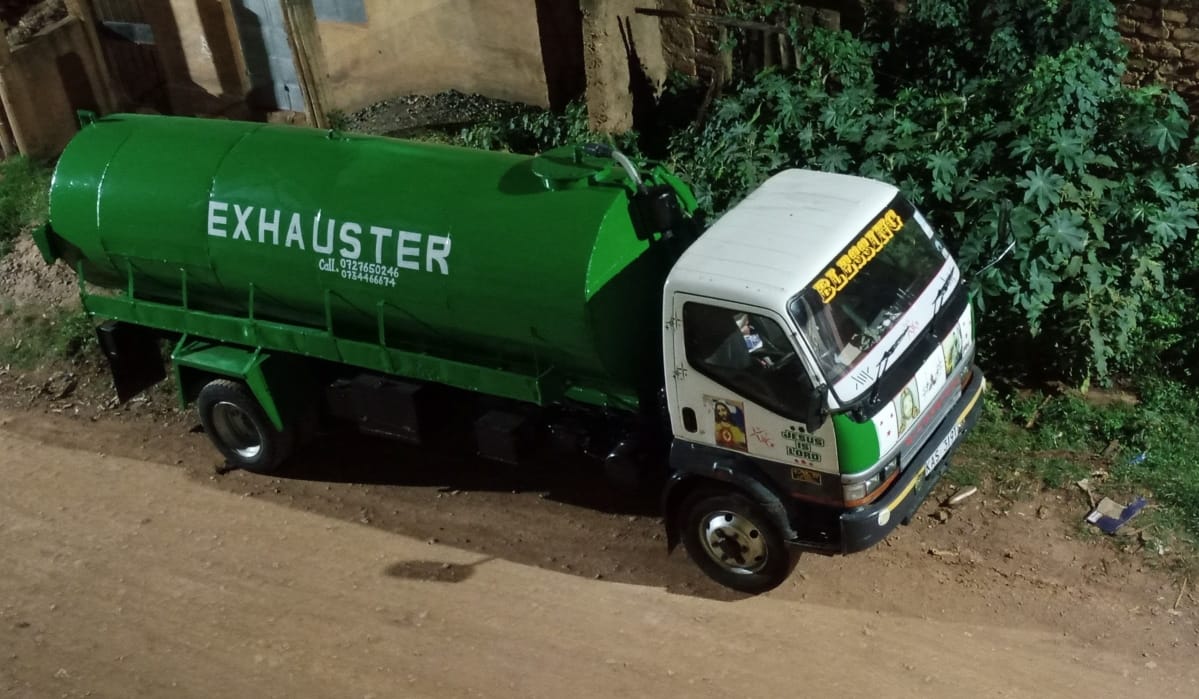
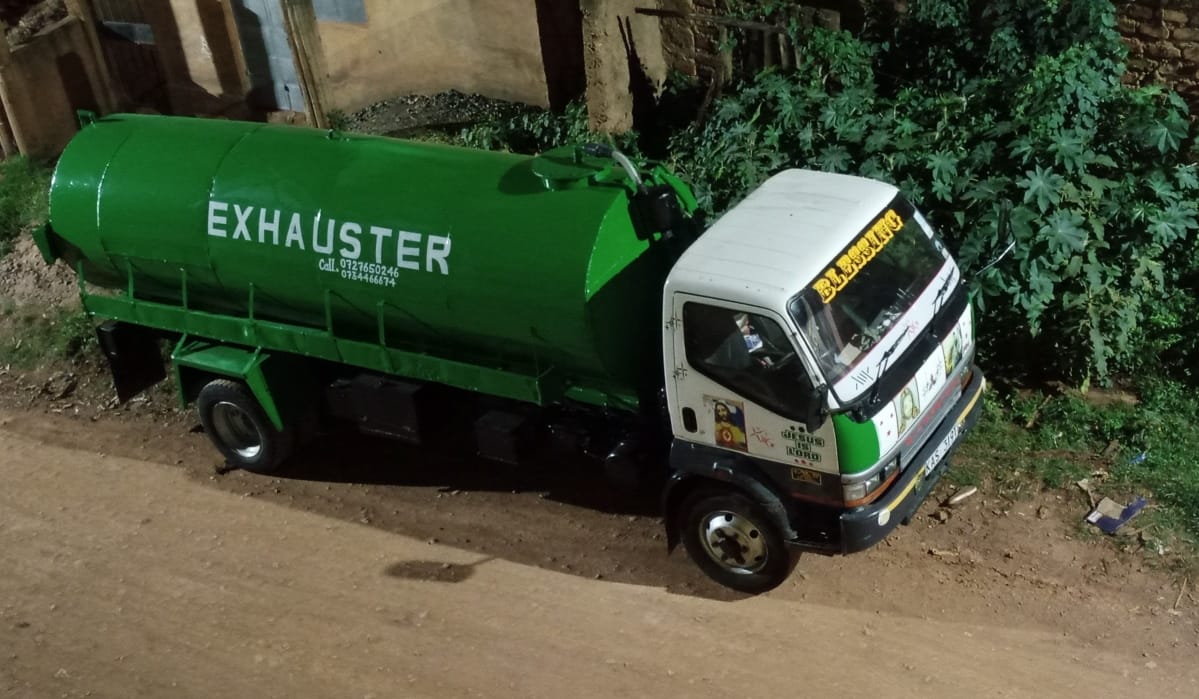
The emptying itself involves pumping wastewater, sludge, and semi-solid waste from the septic tank using a vacuum exhauster truck. For restaurants and hotels, the team should pay special attention to grease and food-related buildup. Cooking oil, fats, food particles, detergents, and heavy kitchen use can create thick sludge that ordinary pumping may not clear properly if the crew rushes. If a grease trap is full or poorly maintained, grease can move into the septic system and cause faster blockages. A good provider will notice this and advise you instead of simply emptying the tank and leaving.
After pumping, the provider should check whether wastewater is flowing properly from the kitchen, washrooms, laundry area, and guest facilities where relevant. This matters because a full tank is not always the only problem. There may be a blocked line between the kitchen and grease trap, a clogged soak pit, a damaged inspection chamber, or stormwater entering the waste system during heavy rains. If the provider does not test the flow or ask the right questions, the business may face another blockage soon after paying for emptying.
Clean-up and safe disposal are also part of the service. The crew should close manholes properly, clean any spills, reduce odours where possible, and leave the area suitable for continued business operations. Waste should be transported and disposed of through appropriate channels. For hotels, restaurants, lodges, hospitals, schools with kitchens, and commercial kitchens, it is wise to ask whether the provider can explain disposal procedures or provide documentation where needed. This can be helpful during inspections, audits, or landlord reviews.
When looking for Septic Tank Emptying for Restaurants and Hotels near me, do not choose purely because someone is nearby or cheap. A reliable provider should understand that hospitality work is sensitive. They should communicate clearly, arrive at the agreed time, work discreetly, and avoid creating unnecessary attention around your business. Customers do not need to see careless spills, noisy confusion, or a crew arguing near the entrance while they are trying to eat or check in.
Transparent pricing is also important. The cost of affordable Septic Tank Emptying for Restaurants and Hotels may depend on tank size, truck capacity, location, distance to disposal points, access difficulty, time of service, and whether extra cleaning, grease handling, or unblocking is needed. A professional provider should explain these factors before the job starts. Be cautious with cash-only operators who refuse to give clear details, especially if you need records for accounting, compliance, or management reporting.
The right equipment and crew make a major difference. The provider should arrive with a functional vacuum truck, strong hoses, protective gear, tools for opening access points, and a team that understands how to work around business premises. If the tank is behind the kitchen, near guest parking, or close to outdoor seating, the crew should protect surfaces and avoid leaving bad smells or waste residue behind. A sloppy job can cause complaints even after the tank has technically been emptied.
A trusted provider should also offer practical advice. If your septic tank keeps filling too quickly, they should help you think through possible causes such as high occupancy, poor grease trap maintenance, an undersized tank, a failed soak pit, or incorrect plumbing connections. For a hotel, this advice can help management plan better during high seasons, conferences, weddings, school holidays, and festive periods. For restaurants, it can help avoid repeated disruptions during lunch, dinner, or weekend rush hours.
Hospitality businesses sometimes try to buy time with chemicals, extra cleaning, or temporary unblocking when the real issue is a full or overloaded septic system. That may reduce smell briefly, but it does not remove sludge from the tank. In some cases, strong chemicals can interfere with the natural breakdown process in the septic system or push grease further into the drainage area, where it hardens and causes bigger problems. A quick fix may feel cheaper today, then become a major repair next month.
Professional Septic Tank Emptying for Restaurants and Hotels is better because it deals with both the immediate waste load and the wider condition of the system. An experienced provider can identify whether the issue is tank capacity, grease buildup, a blocked pipe, a failing soak pit, or poor maintenance scheduling. This helps the business stop repeating the same emergency. If a restaurant calls an exhauster every few weeks, something deeper is likely wrong, and a serious provider should be able to point that out.
Professional handling also protects staff and customers. Raw sewage can carry harmful germs, contaminate surfaces, and create unsafe conditions if it enters areas near kitchens, washrooms, stores, or staff rooms. Casual cleaning is not enough where wastewater has backed up or spilled. A qualified provider is better equipped to remove waste safely, advise on disinfection, and reduce the risk of people returning to unsafe areas too soon. For businesses that depend on trust, that level of care is worth taking seriously.
Using unverified providers for Septic Tank Emptying for Restaurants and Hotels can expose a business to serious risks. One common problem is partial emptying. A careless operator may remove the easy liquid layer and leave thick sludge, grease, or heavy waste at the bottom. The tank may seem fine for a short while, but because the real buildup remains, toilets or kitchen drains can block again quickly. For a business, that means another call-out, more downtime, and more chances for customers to notice.
Poor disposal is another major concern. Some operators may try to avoid proper disposal costs by dumping waste in open land, rivers, quarries, storm drains, or isolated areas. This is unsafe and can create legal and reputational problems if the waste is linked back to the business. Restaurants and hotels should be especially careful because they may be asked about waste handling during inspections or complaints. Where necessary, always verify requirements with the relevant county, public health office, environmental authority, landlord, or property manager.
There is also the risk of grease-related damage. Hospitality waste often contains fats, oils, and food particles. If a provider does not understand how grease affects septic tanks and soak pits, they may leave behind buildup that continues to clog the system. Over time, the business may face slow drains, bad smells, repeated overflows, and expensive excavation work if the soak pit or drainage field fails. In built-up areas like Nairobi CBD, Kilimani, Westlands, or Mombasa town, repairs can disrupt parking, seating areas, kitchens, or guest access.
Hidden charges and missed appointments can be costly too. A provider may quote low, arrive late, then increase the price after seeing the urgency. Another may request a deposit to send a truck and fail to show up. If this happens during a busy weekend, a wedding event, school trip, conference, or holiday season, the business may lose bookings and customer trust. With hospitality, delays are not just inconvenient. They can affect revenue immediately.
Privacy and reputation also matter. Unprofessional crews may work carelessly in front of customers, leave the area dirty, or talk openly about the issue in a way that embarrasses the business. In the age of online reviews, one guest mentioning sewage smells or dirty washrooms can influence future customers. A verified and professional provider is more likely to understand discretion, cleanliness, and the seriousness of working in a customer-facing environment.
Finding a dependable provider during a sanitation emergency can be stressful, especially when customers are already complaining or guests are waiting for a solution. Instead of relying only on random social media comments, street posters, or forwarded phone numbers, The Real Plug gives business owners and managers a more organised way to find vetted service providers in Kenya. The platform connects users with local professionals, independent service providers, and businesses across the country.
For Septic Tank Emptying for Restaurants and Hotels, The Real Plug can help you review available providers, compare options, and contact businesses that handle commercial sanitation work. Whether you operate in Nairobi, Mombasa, Kisumu, Nakuru, Eldoret, Naivasha, Diani, Malindi, Nanyuki, or Thika, using a platform can reduce the guesswork involved in finding trusted septic tank providers. You can ask about service areas, response time, truck capacity, pricing, grease trap experience, and disposal procedures before making a booking.
This helps reduce risks such as deposit scams, poor communication, illegal dumping, incomplete emptying, and providers who are not prepared for hospitality environments. The Real Plug does not remove the need for your own due diligence, but it gives you a better starting point than calling unknown contacts during a crisis. For restaurant owners, hotel managers, facility teams, and property managers, that extra traceability can make hiring calmer, faster, and more confident.
For sanitation companies, exhauster operators, and businesses offering Septic Tank Emptying for Restaurants and Hotels, trust and visibility can help win better clients. Hospitality businesses are not only looking for a truck. They need providers who understand hygiene, timing, compliance, discretion, grease-related waste, and the cost of operational downtime. If your business is difficult to find online, serious clients may never discover you when they are searching for professional help.
Creating a profile on The Real Plug helps professional providers become easier to find by restaurants, hotels, lodges, resorts, cafés, bars, commercial kitchens, property managers, and facility managers across Kenya. A clear profile can help show your service coverage, professionalism, and readiness to handle urgent or planned jobs. It also helps you compete more confidently against random operators because clients can find you through a platform focused on vetted local professionals and businesses.
Commercial clients can also lead to repeat work. Many hotels and restaurants need routine septic tank emptying, grease trap support, emergency response, and scheduled maintenance before peak seasons. Being visible on The Real Plug can help serious providers attract clients who value reliability, accountability, and professional service over risky shortcuts.
Clients looking for reliable Septic Tank Emptying for Restaurants and Hotels can review and hire professionals or businesses offering Septic Tank Emptying for Restaurants and Hotels through The Real Plug for safer and more confident hiring.
Professionals and businesses offering Septic Tank Emptying for Restaurants and Hotels should create a profile and get listed on The Real Plug for stronger visibility and more client opportunities across Kenya.