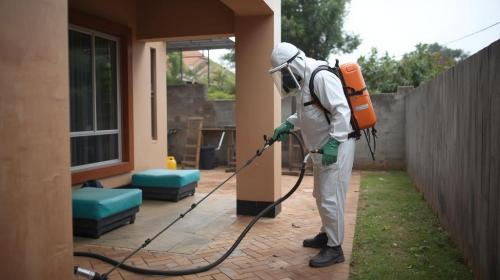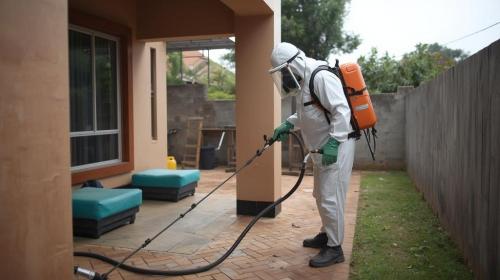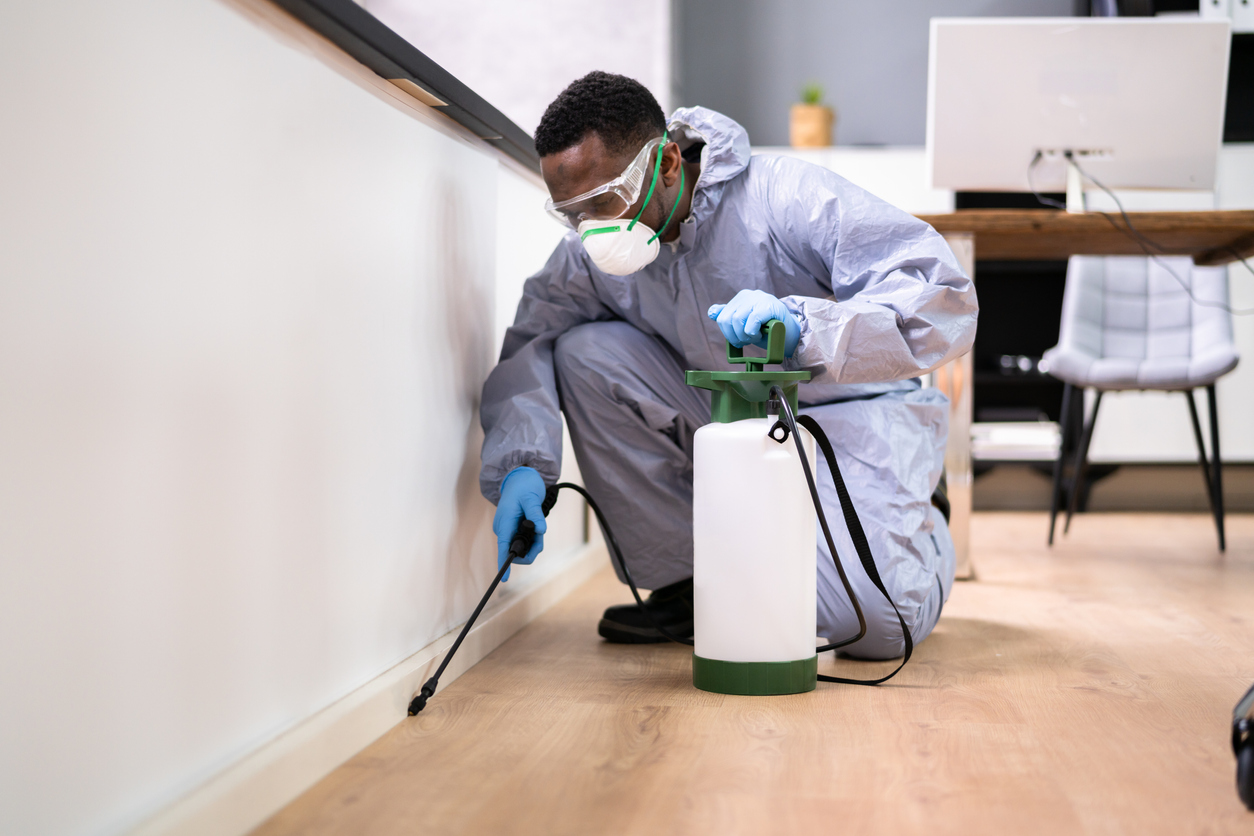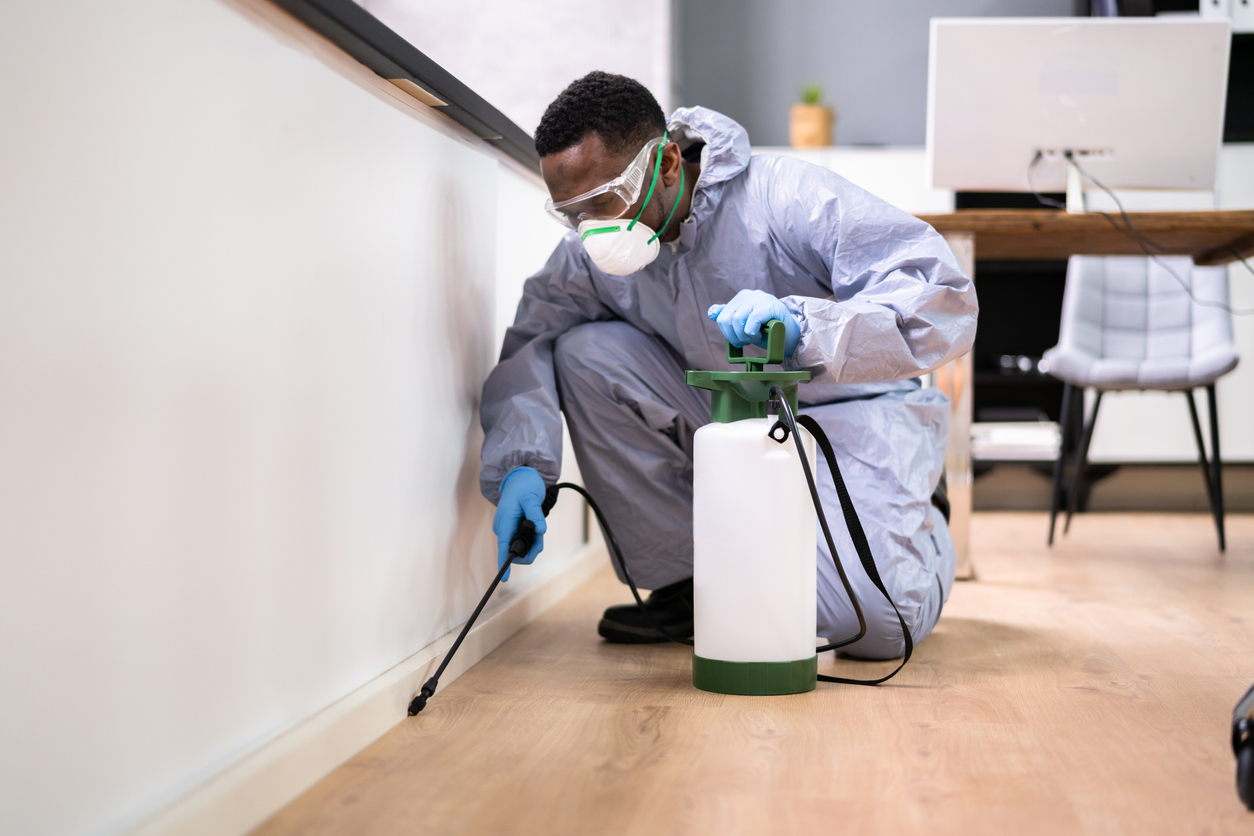


Cockroach fumigation is one of the most requested pest control services in Kenya because mende embarrass people quickly. A tenant in Embakasi may stop inviting visitors because the kitchen comes alive at night. A small café in Ngara may lose customers if one cockroach appears near the counter. A restaurant in Mombasa can attract serious problems with county health officers if cockroaches are seen in the kitchen. Even a clean-looking Airbnb in Kilimani can get a bad review from one roach sighting.
For fumigation beginners, cockroach jobs may look simple. The client calls, you spray, they pay, and you move on. But that is not how professional cockroach control works. If you price too low, you may not cover gel bait, chemicals, transport, labour, and follow-up. If you price too high without explaining your process, clients will compare you with the cheapest person on Facebook and disappear.
Cockroach fumigation charges in Kenya depend on the size of the property, infestation level, type of cockroach, location, preparation needed, and whether the job is residential or commercial. A bedsitter kitchen in Zimmerman is not the same as a bakery in Industrial Area. A kiosk in Gikomba is not the same as a hotel kitchen in Diani. Good pricing should match the real work, not guesswork.
Why Cockroach Fumigation Is Not Just General Spraying
Many clients will call and say, “Nataka dawa ya mende.” What they often expect is a quick spray under the sink and behind the cooker. That may kill a few visible cockroaches, but it rarely solves a serious infestation.
German cockroaches, the small ones commonly found in kitchens, are especially stubborn. They hide in cabinet hinges, fridge motors, microwave backs, sockets, cracks, under sinks, gas cylinder areas, and sometimes inside electronics. Large cockroaches may come from drains, sewers, manholes, bathrooms, and damp outdoor spaces, especially during rainy seasons.
Professional cockroach fumigation usually involves more than one method. A technician may use residual treatment in cracks and hiding areas, gel bait in kitchens and appliances, drain treatment where needed, and follow-up monitoring for heavy infestations. In restaurants and food businesses, the work must be more careful because food safety is involved.
If you charge as if you are only doing a quick spray, you will either cut corners or work at a loss. Worse, the cockroaches may return and the client will blame your service.
What Your Cockroach Fumigation Price Should Cover
Before setting your rates, understand your real costs. Many new fumigators only count the chemical in the sprayer. That is a mistake. A proper price should cover products, transport, labour, time, protective gear, equipment wear, business costs, and profit.
Chemicals, Gel Bait, and Consumables
Cockroach treatment often needs both spray and bait. Spray helps treat hiding areas and movement routes, while gel bait targets cockroaches hiding in places where spraying is not ideal, such as kitchen cabinets, equipment corners, and appliance areas.
Gel bait can be expensive, so it must be included in the quote. If you skip bait to keep the price low, you may not clear German cockroaches properly. The client will call after two weeks saying, “Mende zimerudi,” even though the real problem was incomplete treatment.
Use products that are suitable for the intended environment and sourced from reputable suppliers. For restaurants, cafés, mini-markets, and homes with children or pets, safety and correct application matter even more. Do not use unknown or unlabelled products just because they are cheap.
Labour and Time
Cockroach jobs can be physically demanding. You may need to pull out the fridge, open cabinets, check under the sink, inspect the cooker area, treat cracks, place bait dots, and explain aftercare. A serious kitchen treatment can take time, especially if the infestation is heavy.
A small bedsitter may take less time if the kitchen is clean and accessible. A crowded one-bedroom in Umoja with greasy cabinets and boxes under the sink may take longer. A restaurant kitchen can take hours because you must work around equipment, food storage, drains, staff schedules, and hygiene rules.
If you have an assistant, their pay must be built into the quote. If you work alone, your own time is still a cost. Usijisahau kwa hesabu.
Transport and Location
Transport can quietly reduce your profit. A job close to your base may be easy to manage, but travelling from Donholm to Kiambu, from Mombasa town to Diani, or from Kisumu town to the outskirts adds fare, fuel, time, and sometimes parking.
For distant jobs, include transport or set a minimum charge. You can also group jobs by area. For example, treating several houses in one block in Kahawa West can be profitable even at a lower per-unit rate because transport and setup time are shared.
Follow-Up and Monitoring
Cockroach infestations, especially German cockroaches, may need follow-up. Eggs can hatch after the first treatment, and baiting may take time to work through the colony. If you include a follow-up visit, price it into the package from the beginning.
For light residential cases, one visit may sometimes be enough if hygiene improves and bait is placed properly. For heavy kitchens, restaurants, and apartment blocks, follow-up should be part of the plan. Be clear with the client so they understand what the price includes.
Practical Cockroach Fumigation Charges in Kenya
Prices vary by town, property type, infestation level, and service quality. Still, beginners need practical ranges to avoid charging blindly.
For a bedsitter or single room, cockroach fumigation may range from about KSh 2,000 to KSh 4,500. A light case in a clean, accessible bedsitter may sit near the lower end. A heavy infestation with roaches in cabinets, appliances, and cracks should cost more.
For a one-bedroom apartment, a fair range may be KSh 3,500 to KSh 7,000 depending on whether you are treating only the kitchen or the entire house. If gel bait, drain treatment, and follow-up are included, the price should reflect that.
For a two-bedroom home, KSh 5,500 to KSh 10,000 is a practical range. Three-bedroom homes and maisonettes may fall between KSh 8,000 and KSh 14,000 or more, especially in areas such as Syokimau, Nyali, Kileleshwa, Runda, or Karen where homes are larger and clients expect a more detailed service.
For commercial spaces, pricing is different. A small kiosk or kibanda may range from KSh 3,000 to KSh 6,000. A small restaurant may start around KSh 6,000 to KSh 12,000 depending on kitchen size and infestation. Larger restaurants, bakeries, butcheries, mini-markets, and hotel kitchens may range from KSh 15,000 to KSh 30,000 or more depending on complexity, timing, and documentation.
These figures are guides. Always adjust based on site conditions.
Price by Infestation Level
The easiest way to avoid losses is to price by infestation level. A light cockroach problem is not the same as a full kitchen infestation.
A light infestation means the client sees a few roaches at night, usually around the sink, cooker, or dustbin. There may be little or no visible droppings. This can often be handled with targeted treatment and basic hygiene advice.
A moderate infestation means daily sightings, droppings in cabinets, roaches behind appliances, and clear activity in the kitchen or bathroom. This needs more product, baiting, and follow-up planning.
A heavy infestation means roaches are visible during the day, hiding in electronics, spreading to bedrooms or sitting rooms, and possibly producing a strong musty smell. In food businesses, heavy infestation may also involve drains, stores, grease traps, and packaging areas. Heavy jobs should never be priced like light jobs.
For example, a bedsitter may be KSh 2,000 for light, KSh 3,000 for moderate, and KSh 4,500 for heavy. A one-bedroom may be KSh 3,500 for light, KSh 5,000 for moderate, and KSh 7,000 or more for heavy. A two-bedroom may start at KSh 5,500 and rise to KSh 10,000 depending on severity.
Residential Pricing Versus Commercial Pricing
Do not use residential rates for businesses. A home client wants comfort and safety. A business client also needs customer trust, food safety, compliance, and sometimes records for health inspection.
Restaurants, bakeries, butcheries, cafés, hotels, and mini-markets should be priced higher because the risk and work are greater. You may need to work after closing hours, avoid contaminating food surfaces, issue a report, inspect drains, check stores, monitor rodents, and schedule repeat visits.
A restaurant with cockroaches is not just paying you to kill insects. It is protecting daily sales, reputation, and operating licence. If a customer records cockroaches in a kitchen or dining area, the damage can be much bigger than your service fee.
For commercial clients, offer monthly contracts where possible. A one-off treatment may reduce visible activity, but restaurants and food shops need regular monitoring. A monthly contract gives the client peace of mind and gives you predictable income.
How to Build Your Own Price List
Start by setting a minimum call-out fee. This covers your transport and time within your main operating area. Without a minimum, you may find yourself travelling far for small jobs that do not make profit.
Next, create prices by property size and infestation level. Have clear rates for bedsitters, one-bedroom units, two-bedroom homes, three-bedroom homes, shops, restaurants, and commercial kitchens. Leave room for inspection-based quotes on larger or complex jobs.
State what is included. Does the price include spray only, spray plus gel bait, drain treatment, follow-up, report, or certificate? Clients trust clear packages more than vague prices.
You can also create service packages. For example, a home cockroach package may include inspection, kitchen treatment, gel bait, aftercare advice, and a follow-up check. A restaurant compliance package may include monthly service, baiting, drain inspection, rodent monitoring, job card, and emergency call-out terms.
Common Pricing Mistakes Beginners Make
One common mistake is quoting without seeing or understanding the site. A client may say, “Ni kitchen ndogo tu,” but you arrive and find a food kiosk with grease, cartons, drains, and roaches everywhere. For commercial spaces, ask for photos or inspect first.
Another mistake is skipping gel bait to lower the price. Spray alone may flush roaches, but it may not solve German cockroaches hiding deep in appliances and cabinets. If the job needs bait, include bait in the price.
Some beginners compete only on cheap pricing. There will always be someone charging less. But cheap work often leads to callbacks, bad reviews, and stress. It is better to explain your method and target clients who value results.
Another mistake is forgetting follow-up. If the infestation is heavy and you do not include a second visit or monitoring, the client may assume the treatment failed. Build follow-up into the package where needed.
Do not offer guarantees without conditions. Cockroaches can return if the client leaves food uncovered, bins open, leaks unrepaired, or neighbours untreated. Your guarantee should depend on proper preparation and hygiene.
How to Explain Your Price to Kenyan Clients
Kenyans bargain. That is normal. If a client says your price is high, do not rush to cut it in half. Explain what they are paying for.
You can say the price covers inspection, suitable products, gel bait, treatment of hiding areas, transport, labour, and follow-up where included. For restaurants, explain that food safety and documentation require more care than a normal house.
Give options where possible. For example, a client can choose kitchen-only treatment at a lower price or whole-house treatment with follow-up at a higher price. A restaurant can choose one-off treatment or a monthly maintenance plan. This gives the client control without forcing you to undercharge.
Being visible on trusted platforms can also help reduce price arguments. The Real Plug helps users find vetted professionals, service providers, and businesses in Kenya, including fumigation and pest control providers. Clients who are already comparing verified options may be more willing to pay for proper service instead of chasing the cheapest number.
When to Offer Discounts
Discounts should protect your profit. Do not reduce prices just because a client says they only have a small budget. Instead, offer discounts for volume, same-location jobs, repeat clients, or contracts.
If a landlord gives you ten bedsitters in one plot, you can reduce the per-unit price because transport and setup time are shared. If three neighbours book on the same day, a small group discount can work. If a restaurant signs a monthly contract, the rate can be better than a one-off emergency call.
Avoid deep discounts on heavy infestations or commercial kitchens. Those jobs take more effort and carry more risk. If you underprice them, you will regret it.
When to Increase Your Cockroach Fumigation Charges
Review your prices regularly. If chemicals, fuel, transport, labour, or licensing costs increase, your rates should also change. If you improve your service by adding better equipment, stronger reporting, follow-up systems, or professional branding, your pricing should reflect that value.
You should also charge more for urgent jobs, night work, distant locations, high-risk food businesses, and clients who need certificates or reports. A hospital kitchen, hotel, bakery, or supermarket is not the same as a small home kitchen.
If you are always fully booked and still struggling to make good profit, your price may be too low.
Final Thoughts
Cockroach fumigation charges in Kenya should be based on real costs, pest severity, property size, location, and service quality. For beginners, practical ranges may start around KSh 2,000 to KSh 4,500 for bedsitters, KSh 3,500 to KSh 7,000 for one-bedroom homes, KSh 5,500 to KSh 10,000 for two-bedroom homes, and KSh 8,000 to KSh 14,000 or more for larger houses. Commercial kitchens, restaurants, bakeries, hotels, and mini-markets should be quoted separately because the work is more sensitive and often needs ongoing monitoring.
Do not compete only on being cheap. Cockroach control needs proper products, gel bait, inspection, hygiene advice, and sometimes follow-up. If you price too low, you may cut corners or work for losses. If you price clearly and deliver well, clients will understand the value.
The goal is simple: charge enough to solve the problem properly, pay yourself fairly, and build a fumigation business that can survive beyond small one-off jobs. Mende may be stubborn, but your pricing should not be confused.