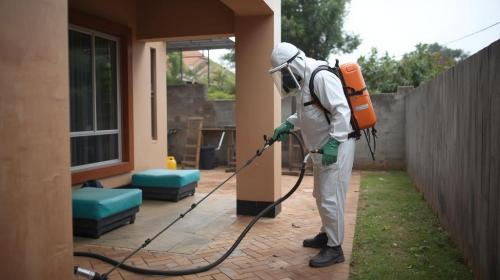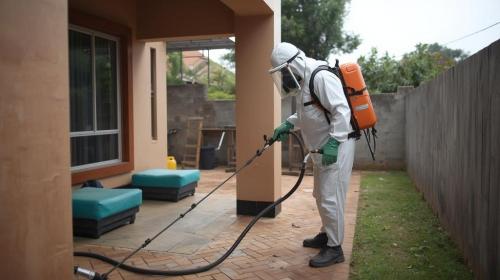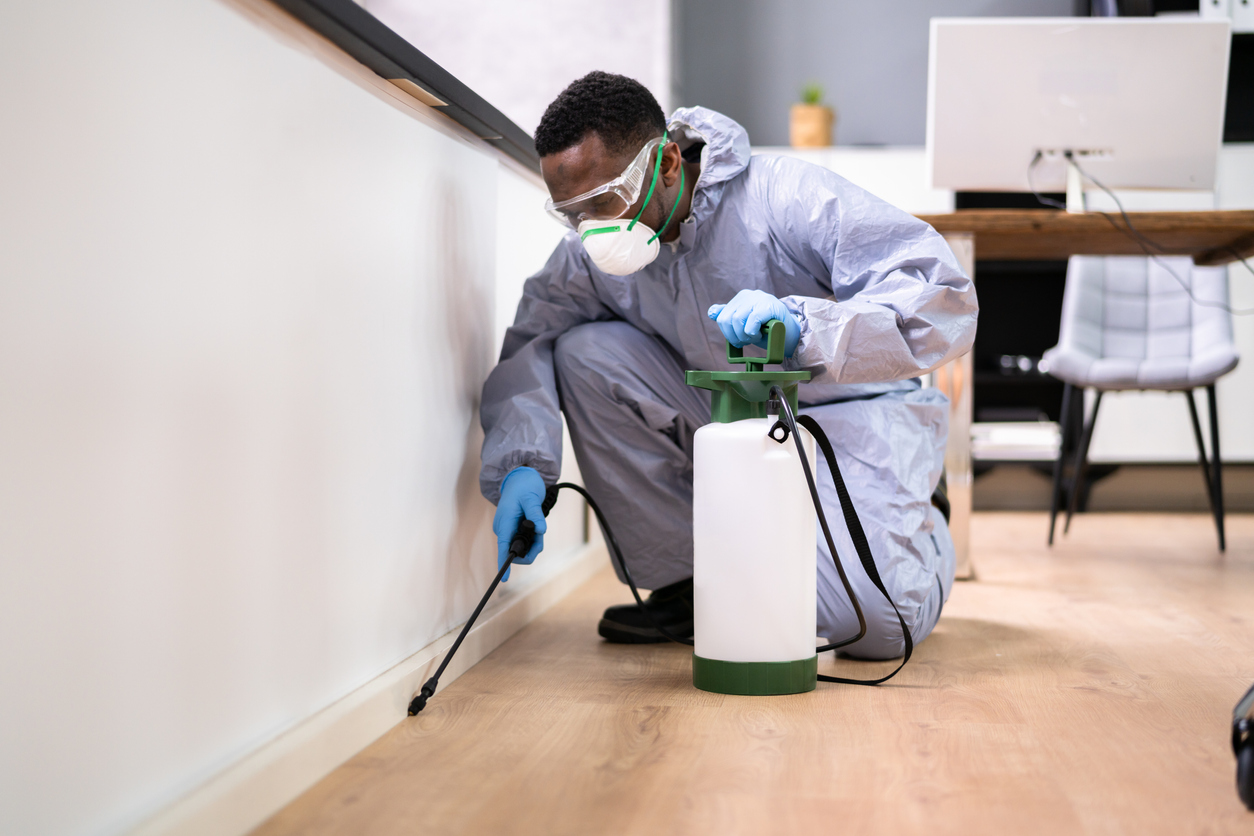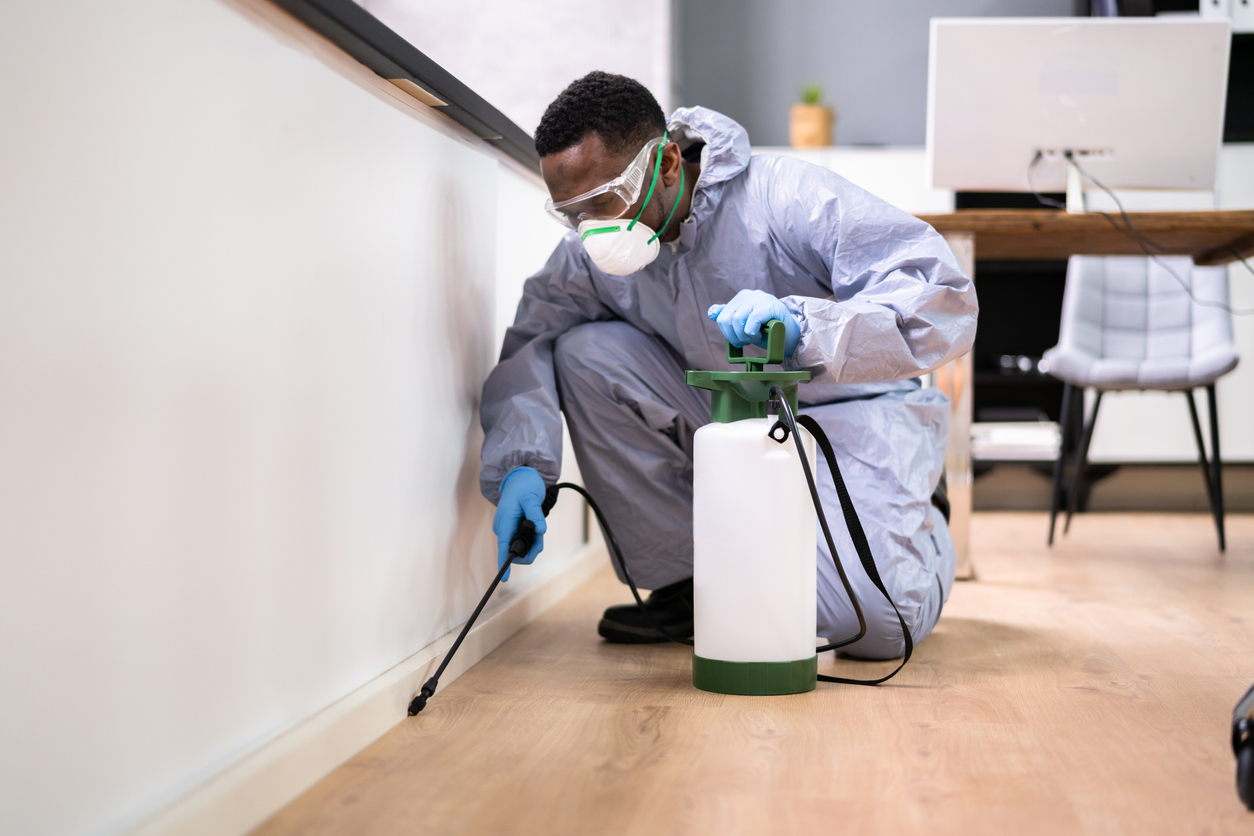


If you run a fumigation business in Kenya, you will hear the same question almost every day: “How much do you charge?” It may come from a tenant in Umoja sending a WhatsApp photo of bedbugs at midnight, a restaurant owner in Mombasa worried about cockroaches before a health inspection, or a landlord in Ruaka asking for a block rate for ten units. If you do not have a clear answer, you start guessing.
That is where many fumigation businesses lose money. One day you quote KSh 3,000 for a one-bedroom. The next day your technician quotes KSh 5,000 for the same size house. A client compares notes with their neighbour and suddenly your business looks unserious. Worse, you may undercharge for a tough job and end up using your own money for transport, chemicals, labour, and follow-up.
A proper fumigation services price list in Kenya helps you stay consistent, professional, and profitable. It also helps clients understand what they are paying for. In a market where many people have been disappointed by cheap sprayers who disappear after one visit, clear pricing can become part of your trust-building.
Why a Fumigation Price List Matters
A price list is not just a rate card. It is a business tool. It helps you quote faster, explain your value, train your team, and avoid emotional pricing. Without one, you may charge based on the client’s voice, estate, or negotiation skills. Hapo ndipo shida huanza.
For example, a light cockroach problem in a clean one-bedroom in Imara Daima is not the same as a heavy German cockroach infestation in a small butchery in Kongowea. A bedsitter with one bed and little furniture is not the same as a cluttered single room in Githurai packed with clothes, boxes, and second-hand furniture. If your price list does not account for these differences, you will either overcharge simple jobs or undercharge difficult ones.
A written price list also helps when dealing with landlords, property managers, Airbnb hosts, restaurants, schools, and offices. These clients often want to budget. They may ask for a quotation, service package, or monthly rate. If you keep saying “let me confirm,” they may move to a provider who looks more organised.
Start by Calculating Your Real Costs
Before writing any prices, calculate what it costs to complete a job. Many beginners only count the chemical in the sprayer, but fumigation has more costs than that.
You need to include pest control products, gel bait, rodent bait stations, PPE, transport, technician labour, airtime, equipment wear, record keeping, permits, marketing, and follow-up visits. If you are doing commercial work, include reports, certificates where applicable, and the extra time needed for inspection and documentation.
Transport is especially important in Kenya. A job near your base in Kasarani, Bamburi, or Kisumu town may be easy to manage. But travelling to Kitengela, Diani, Limuru, Juja, or the outskirts of Nakuru costs more time and money. If you ignore transport, small jobs far away can leave you with almost nothing.
Also value your time. A fumigation job is not only the spraying period. It includes answering the call, asking questions, travelling, inspecting, preparing, treating, giving aftercare instructions, following up, and sometimes handling complaints. Your price should pay for that whole process.
Group Your Services by Client Type
A good fumigation services price list should be easy to understand. Do not mix homes, restaurants, hostels, cars, and warehouses in one confusing list. Group them by client type so someone can quickly find what applies to them.
For residential clients, list prices by house size and pest type. Include bedsitters, one-bedroom houses, two-bedroom houses, three-bedroom houses, maisonettes, and standalone homes. For commercial clients, separate restaurants, cafés, butcheries, mini-markets, supermarkets, offices, schools, guest houses, hostels, and warehouses.
This makes your business look organised. It also helps you avoid using home rates for commercial jobs. A restaurant kitchen is not priced like a house kitchen because it involves food safety, possible after-hours work, public health expectations, and higher risk.
Use Price Ranges Instead of One Fixed Number
In fumigation, one fixed price can trap you. Two houses may have the same number of rooms but very different levels of work. That is why price ranges are useful.
For example, a bedsitter cockroach treatment may range from KSh 2,000 to KSh 4,500 depending on infestation level, distance, and whether gel bait is included. A one-bedroom bedbug treatment may range from KSh 4,000 to KSh 8,000 depending on furniture, severity, and follow-up.
Ranges give you flexibility while still guiding the client. You can say, “Our one-bedroom bedbug treatment ranges between KSh 4,000 and KSh 8,000. The final quote depends on infestation level and whether follow-up is included.” That sounds more professional than guessing.
For large homes, hotels, warehouses, schools, and termite jobs, it is better to say “quote after inspection.” These jobs vary too much for blind pricing.
Price by Infestation Level
The best fumigation price lists include light, moderate, and heavy infestation levels. This is important because pest severity changes the amount of work.
A light infestation may involve a few cockroaches at night, one bedbug sighting, or ants in one kitchen area. A moderate infestation may include daily pest sightings, droppings, bites, or activity in more than one room. A heavy infestation may involve pests in furniture, appliances, cracks, drains, stores, and multiple rooms.
This tiered system protects you. A client with a heavy infestation cannot expect the same rate as someone with a small early problem. It also helps you explain why your price changed after inspection.
For example, a cockroach job in a bedsitter could be priced as light, moderate, or heavy. Bedbug treatment can also follow the same structure. For commercial kitchens, infestation level matters even more because a heavy roach problem may require deeper inspection, gel baiting, drain treatment, and follow-up monitoring.
Include Follow-Up Visits Clearly
Some pests need follow-up. Bedbugs, German cockroaches, fleas, and rodents often cannot be handled properly by one visit alone. If your price list does not explain follow-up, clients may assume everything is included forever.
State clearly whether the price includes one visit, two visits, or a warranty period. For bedbugs, you may include a follow-up within a set number of days. For cockroaches, you may include a follow-up inspection for moderate and heavy cases. For restaurants, you may offer monthly monitoring instead of a one-time guarantee.
This prevents arguments. It also separates your service from cheap operators who spray once and vanish. Clients may pay more when they understand that your price includes a complete process, not just a quick spray.
Build Transport and Location Into the Price List
Your price list should explain transport charges. You can include free transport within your main service zone and charge extra outside it. For example, you may include transport within parts of Nairobi but add a fee for Kitengela, Thika, Ngong, Ruiru, or Athi River. A Mombasa provider may include Bamburi, Nyali, Tudor, and town, then charge extra for Diani, Kilifi, or Mtwapa depending on distance.
You can also create zone pricing. Zone one covers your nearby estates. Zone two covers farther areas. Zone three requires custom transport. This is useful because clients understand distance when you explain it upfront.
If several clients are in one building or estate, offer a group rate. Treating ten units in Kahawa West or five Airbnb apartments in Kilimani on the same day reduces transport and setup time. A small discount can still leave you profitable.
Suggested Residential Price List Structure
Your residential section should be simple and practical. Start with common house sizes, then show price ranges for major pests.
For bedsitters and single rooms, you can list cockroaches, bedbugs, ants, fleas, and general fumigation. For one-bedroom and two-bedroom houses, include separate prices for cockroaches and bedbugs because the work differs. For three-bedroom homes, maisonettes, and standalone houses, give a range and recommend inspection for heavy infestations.
A clean format may look like this in your internal rate card: bedsitter cockroach treatment, light to heavy range; bedsitter bedbug treatment, light to heavy range; one-bedroom cockroach treatment; one-bedroom bedbug treatment; two-bedroom treatment; three-bedroom treatment; maisonettes quoted after inspection.
Do not overload the client with every chemical or method. Keep the public version clean, then explain details during quotation.
Suggested Commercial Price List Structure
Commercial pricing should be separate because businesses have different expectations. A small kiosk may need basic cockroach and rodent control. A restaurant may need after-hours treatment, gel baiting, drain checks, service reports, and monthly visits. A hotel or guest house may need per-room pricing and quick response. A supermarket may need rodent monitoring, cockroach control, stored product pest checks, and documentation.
For restaurants and cafés, you can create small, medium, and large categories. For hotels and guest houses, use per-room rates with discounts for multiple rooms. For schools and hostels, price by dormitory, bed space, or block size. For offices and warehouses, price by square footage, square meter, or inspection-based quotation.
Commercial clients appreciate clarity. Tell them what is included: inspection, treatment, reports, certificates where applicable, emergency call-out terms, and follow-up schedule.
Add Extra Charges So There Are No Surprises
Your price list should include add-ons. These are not tricks. They are extra work that takes time and labour.
Common add-ons include moving heavy furniture, dismantling beds, clutter handling, night service, weekend service, urgent same-day call-outs, transport outside your zone, certificates or special reports, and post-fumigation cleaning if you offer it or partner with cleaners.
If you do not state these extras, clients may assume everything is included. That leads to arguments. A short terms section at the bottom of your price list can save you from many headaches.
How to Present Your Price List Professionally
Your price list should be easy to share. Create a simple PDF, WhatsApp Business catalogue, printed card, or website section. Use clear headings, short descriptions, and price ranges. Avoid making it too crowded.
Do not use poor-quality screenshots with tiny text. Many clients will view it on a phone. If they cannot read it quickly, they will ask again or move on.
Use polite wording. Instead of saying “cheap fumigation,” use “basic treatment,” “standard treatment,” and “premium treatment.” Instead of promising “kills all pests forever,” explain what the package covers. Avoid unrealistic guarantees because pests can return from neighbours, drains, luggage, food waste, or poor preparation.
You can also upload or display your service information on platforms where clients search for vetted professionals. The Real Plug helps users find vetted professionals, service providers, and businesses in Kenya. For fumigation businesses, having clear services and pricing information where clients are already comparing providers can make your business look more trustworthy.
How to Explain Your Prices to Clients
Kenyans bargain. That is normal. The issue is how you respond. If a client says your price is high, do not immediately cut it in half. Explain what is included.
You can say the price covers inspection, suitable products, gel bait where needed, labour, transport, aftercare instructions, and follow-up if included. For commercial clients, explain that food safety, timing, documentation, and monitoring increase the cost.
Give options instead of random discounts. For example, a client can choose kitchen-only cockroach treatment or whole-house treatment. A landlord can choose one unit or a block package. A restaurant can choose one-off treatment or monthly maintenance.
This keeps your value intact while still giving the client room to decide.
Common Mistakes to Avoid
Do not copy another company’s price list blindly. Their costs, equipment, licensing, staff, location, and client base may be different. Use competitor prices as a guide, not as your foundation.
Do not make your price list too complicated. If it has too many items, clients will get lost. Keep the main list simple and customise special jobs separately.
Do not forget to update prices. Chemicals, fuel, labour, permits, and equipment costs change. Review your rate card every few months. Add a date to the price list so clients know it is current.
Do not hide exclusions. If the price does not include moving furniture, cleaning, dismantling beds, or transport outside town, say so. Clear terms build trust.
Do not underprice commercial jobs. A restaurant or supermarket is not just paying for pest control. They are protecting customers, stock, reputation, and compliance.
Use Your Price List to Get Better Clients
A good price list can help with marketing. Caretakers, agents, Airbnb managers, landlords, and business owners often refer service providers. If your prices are clear, they can share your information easily.
You can create packages for different client groups. For landlords, offer move-out or move-in fumigation packages. For Airbnbs, offer guest-ready pest control. For restaurants, offer monthly compliance support. For apartment blocks, offer group rates. For schools, offer holiday fumigation packages.
This helps clients see you as a professional service provider, not just someone with a sprayer.
Review Your Price List Using Real Job Data
Your first price list will not be perfect. Track every job for at least three months. Note the client type, location, property size, pest, amount charged, product used, time spent, transport cost, and whether follow-up was needed.
After a while, patterns will appear. Maybe bedbug jobs in bedsitters take longer because of clutter. Maybe restaurant jobs are profitable but need night work. Maybe far locations are not worth it unless you charge transport. Maybe landlords give better volume than one-off home clients.
Use that data to adjust your prices. Pricing should grow with your business. If you become more skilled, better equipped, more trusted, and more booked, your rates should reflect that.
Final Thoughts
Creating a fumigation services price list in Kenya is one of the best ways to run your business professionally. It helps you quote with confidence, avoid losses, explain value, train your team, and build trust with clients.
Start with your real costs. Group services by residential and commercial clients. Use price ranges and infestation levels. Include follow-up visits where needed. Add transport zones and extra charges clearly. Keep the list simple, readable, and updated.
A good rate card does not mean you stop customising quotes. It means you have a strong starting point. When clients ask, “How much do you charge?” you no longer guess. You answer clearly, explain what is included, and give them confidence that they are dealing with someone serious.
In Kenya’s competitive pest control market, the cheapest provider is not always the one who lasts. The business that lasts is the one that prices properly, works professionally, and delivers results clients can trust.