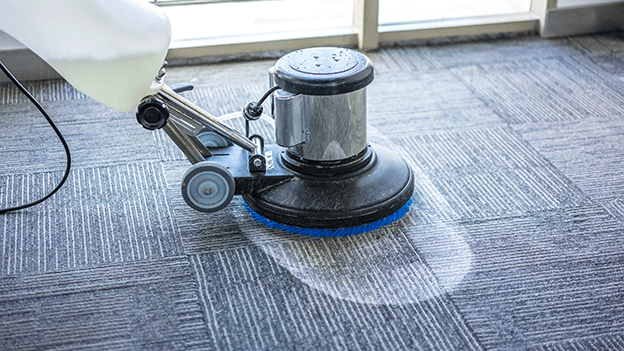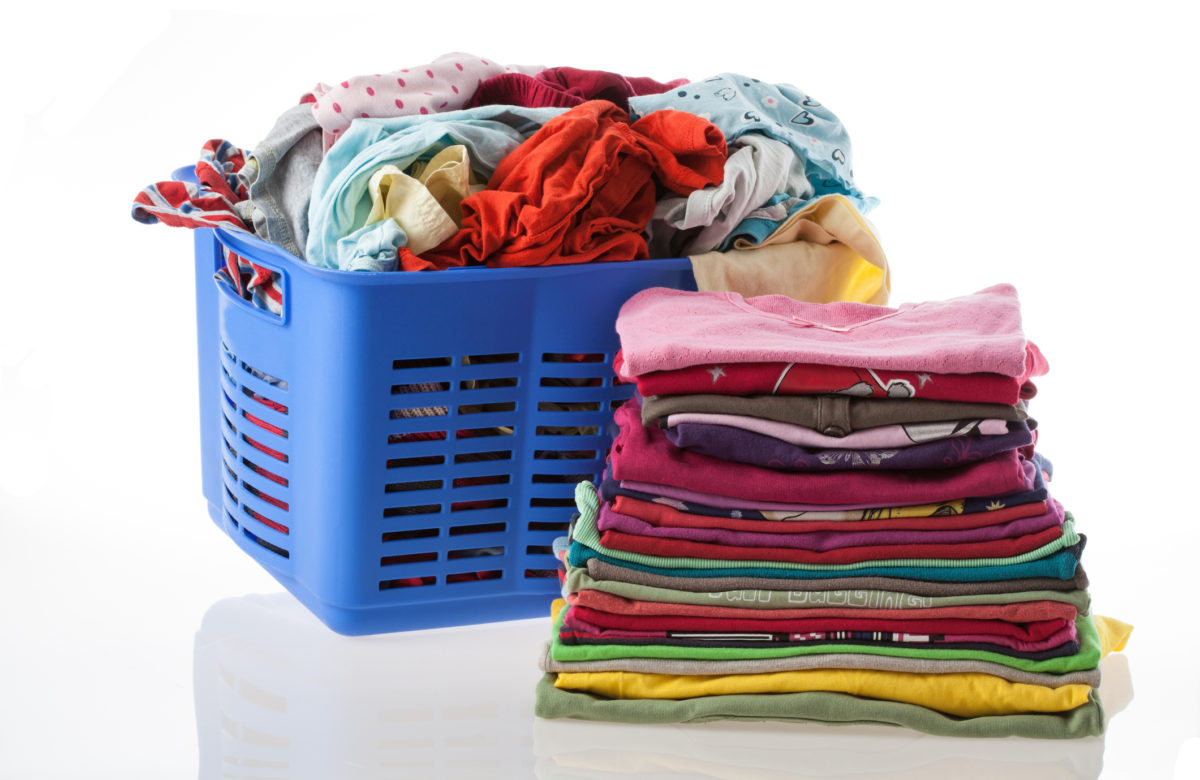


It’s usually a small problem that starts it. Maybe the laundry has piled up after a long week. Maybe your regular mama fua didn’t show up. Or maybe guests are coming and the house needs a proper reset. So you do what most people in Nairobi, Thika, or even Kisumu do these days you open Facebook and type a quick request.
“Anyone know a reliable mama fua around here?”
Within minutes, your phone is buzzing. Numbers drop in the comments. A few “niko available” messages land in your inbox. Someone shares a contact they swear by. It feels efficient. Immediate. Almost too easy.
And for many people, that’s exactly why Facebook groups have become the go-to solution for finding domestic help in Kenya. But if you’ve used them more than once, you already know there’s another side to that convenience. One that’s not always obvious at first.
Why Facebook Mama Fua Groups Work So Well
There’s no denying it Facebook changed how people find services locally.
The biggest advantage is speed. You don’t need to sign up anywhere or go through a process. You ask, and responses come almost instantly. For someone dealing with an urgent situation, that speed can feel like a lifesaver.
There’s also a sense of authenticity that people trust. You’re not looking at polished ads or staged profiles. You’re seeing real people, often posting about their work in their own words. A mama fua might share photos of freshly washed clothes, or a short video cleaning a house. It feels direct, unfiltered, and personal.
Then there’s the open conversation around pricing. Spend a few minutes in these groups and you’ll see debates about whether it’s cheaper to use a laundry shop or hire a mama fua directly. Some people argue per-kilogram rates make more sense, while others point out that a mama fua does far more than just laundry. Through those discussions, you get a rough idea of what things cost on the ground.
And maybe most importantly, these groups create visibility. Someone working in a quiet estate can suddenly reach clients across different neighborhoods. That kind of exposure simply didn’t exist before.
The Hidden Risks Most People Don’t Talk About
But here’s where things get a bit more complicated.
Facebook connects people, but it doesn’t verify them. Anyone can comment on your post. Anyone can send a message saying they’re available. There’s no built-in system to confirm identity, experience, or even basic reliability.
So when you pick a number from the comments, you’re essentially making a judgment call based on very limited information.
Sometimes it works perfectly. Other times, not so much.
Maybe the person shows up late or not at all. Maybe the work doesn’t match what you expected. In more serious cases, people worry about security especially when letting a stranger into their home. And if something does go wrong, there’s no real system to fall back on. You’re left handling it on your own.
What’s often overlooked is that the risk goes both ways.
For the mama fua, walking into a client’s home from a Facebook connection comes with its own uncertainties. There’s no guarantee of fair treatment, clear expectations, or even safety. One client might be straightforward. Another might keep adding tasks without adjusting the pay. Without structure, she’s left to navigate each situation as it comes.
In the end, both sides are operating on trust but it’s a kind of blind trust. And that’s where the cracks start to show.
What Verified Home-Care Actually Changes
This is where platforms like The Real Plug come into the picture, offering a more structured approach to the same problem.
The first thing that stands out is identity verification. Before a service provider is listed, their details are checked. That means you’re not dealing with an anonymous contact from a comment section. There’s a level of accountability from the start.
Then there’s the vetting process. It’s not just about who someone is, but how they work. Are they experienced? Do they understand what a proper cleaning job involves? Do they meet a certain standard? These are questions that get answered before they ever step into a client’s home.
Another major difference is clarity. When you book through a verified platform, the scope of work is usually defined in advance. Whether it’s laundry, general cleaning, or a deeper home service, both sides know what’s expected. That alone eliminates many of the misunderstandings that are common in informal arrangements.
There’s also a support system in place. If something doesn’t go as planned, you’re not left figuring it out alone. There’s a process for resolving issues, which creates a sense of security for both the client and the service provider.
Why Welfare Has Become the Real Differentiator
At first glance, the difference between Facebook groups and verified platforms might seem like convenience versus structure. But if you look closer, it’s really about welfare.
For the client, welfare means peace of mind. Knowing the person coming into your home has been vetted. Knowing there’s a way to address issues if they arise. Knowing you’re not taking unnecessary risks.
For the mama fua, welfare means fair working conditions. Clear expectations. Protection from being overworked or underpaid. It also means being treated with professionalism rather than as just another contact in a comment thread.
When both sides feel protected, the entire experience improves. The work is better. Communication is smoother. And there’s a higher chance of building a long-term working relationship instead of starting from scratch every time.
When Facebook Still Makes Sense
That said, Facebook groups aren’t going anywhere and for good reason.
They’re incredibly useful in urgent situations. If you need someone the same day and you’re available to supervise, they can be the fastest option. They’re also great for discovering new service providers or getting a sense of what’s available in your area.
For smaller, low-risk tasks, many people are comfortable using that route. It’s familiar, accessible, and often effective.
When It’s Smarter to Go Verified
But there are situations where a more structured approach makes sense.
If you’re not going to be home while the work is being done, the stakes are higher. If you have valuable items in the house, or you’re booking for someone else like a parent or a guest you need a higher level of assurance.
If consistency matters, for example if you want someone to come regularly and understand your home, then reliability becomes more important than speed.
In these cases, using a platform like The Real Plug offers a level of confidence that informal connections can’t always provide.
Rethinking What “Affordable” Really Means
Price is always part of the conversation.
On the surface, hiring through Facebook might look cheaper. You agree on a quick rate, and that’s it. But that number doesn’t always reflect the full picture.
If the work isn’t done properly, you might need to redo it. If something gets damaged, you absorb the cost. If there’s a misunderstanding, you spend time and energy resolving it.
With a verified service, the upfront cost might be slightly higher, but the outcome is more predictable. You’re less likely to deal with surprises, and that consistency often ends up saving money in the long run.
It’s not just about what you pay it’s about what you get.
A Shift That’s Already Happening
What’s interesting is that this shift toward verified home-care isn’t being forced. It’s happening naturally as people weigh their experiences.
Facebook groups opened up access and made it easier to find help. That was a big step forward. But as more people use these services, expectations are changing.
People want reliability. They want accountability. They want to feel secure in their own homes.
That’s exactly where platforms like The Real Plug are gaining ground not by replacing Facebook, but by offering something it doesn’t.
So the next time you find yourself typing that familiar request, it’s worth pausing for a second. Are you just looking for the fastest option, or are you looking for something you can rely on?
Sometimes speed is enough.
But when welfare matters and it usually does the better choice is the one where someone has already done the checking for you.