

It usually hits a few days later. The pipe starts leaking again. The socket you fixed begins to spark. The paint that looked perfect on Sunday starts peeling by the following week. At first you think it’s a small issue, something you can ignore. Then it becomes clear the job wasn’t done properly.
You try calling the fundi. No answer. You send a message. Blue ticks, no reply. That’s when frustration sets in, and most people assume they’ve lost both their money and any chance of fixing the problem without starting over.
But here’s the thing many Nairobi homeowners don’t realize. Hiring a fundi informally doesn’t cancel your rights. Whether you found them through a friend, a Facebook group, or a listing on The Real Plug, there are expectations around quality, accountability, and follow-up. The difference is how easy it is to enforce them.
Understanding what qualifies as bad work, what a proper guarantee should look like, and how to push for a refund or correction can make all the difference.
What Counts as Bad Work and Where the Line Is Drawn
Before you talk about refunds or complaints, it helps to be clear about what actually qualifies as poor workmanship. Not every disappointing outcome is the fundi’s fault, and this is where most disputes start.
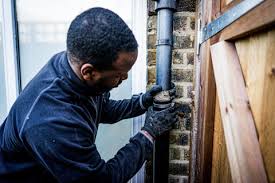
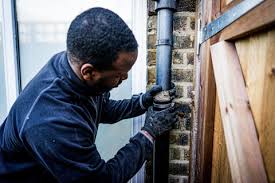
Bad work is usually obvious when the problem comes back within a short time and it’s clearly tied to how the job was done. A leaking joint days after installation, a socket that trips the whole house, or tiles that start lifting almost immediately are all signs something wasn’t done right. It also includes cases where the fundi used different materials than agreed, damaged your property during the job, or simply didn’t finish after taking payment.
At the same time, not everything falls under poor workmanship. If you changed your mind after the job was complete, that’s not a defect. If you insisted on cheaper materials and they failed, that responsibility shifts. And if a completely new issue appears later, it doesn’t automatically connect to the previous job.
This distinction matters because it determines whether you’re entitled to a redo, a partial refund, or nothing at all. The clearer the agreement before work starts, the fewer arguments you’ll have after.
What a Real Guarantee Looks Like in the Kenyan Context
Ask any fundi in Nairobi and they’ll tell you they offer a guarantee. The problem is that most of these guarantees are verbal and undefined. You hear something like “ukipata shida nipigie” and assume that’s enough.
In reality, a meaningful guarantee needs to be specific and written down, even if it’s just on WhatsApp. It should clearly state what was done, how long it’s covered, and under what conditions the fundi will return.
For example, a plumbing job might reasonably come with a short-term workmanship guarantee, especially for joints and fittings. Electrical work may include a similar timeframe, excluding external factors like power surges. Painting often depends on whether the walls were properly prepared, which affects how long a guarantee can realistically last.
The key issue is clarity. A vague promise is difficult to enforce. A simple written agreement, even a short message both of you acknowledge, creates a reference point if things go wrong.
When you work with verified professionals through platforms like The Real Plug, these expectations are usually predefined. That removes the guesswork and gives both sides a clear framework to work with.
How Refunds Work in Practice, Not in Theory
The word “refund” sounds straightforward, but in practice, it rarely plays out as a full return of money. Most situations fall somewhere in between.
A full refund is usually justified when the fundi took payment and never started the job, or when the damage caused is significantly worse than the original issue. Misrepresentation, such as claiming qualifications that don’t exist, can also invalidate the agreement entirely.
More commonly, however, the outcome is a correction or a partial refund. If the work fails but can be fixed, the first expectation is that the fundi returns and resolves it at no extra cost. If they refuse, you may bring in someone else and negotiate compensation based on what needs to be redone.
This is why payment structure matters more than most people think. When you pay everything upfront, you lose leverage. When payments are tied to progress and completion, you maintain control over how the job is finalized.
What to Do When the Fundi Stops Responding
Being ignored after a job fails is one of the most frustrating parts of hiring informally. But reacting emotionally rarely helps. A structured approach tends to get better results.
Start by reaching out clearly and directly. Sometimes the issue is avoidance rather than disappearance. A simple message explaining the problem and asking for a return visit within a specific timeframe can resolve things faster than expected.
If that doesn’t work, escalate gradually. Try calling from a different number. Reach out through anyone who referred them. If you found them in a group, raising the issue publicly with clear facts can create pressure, but it should always be done carefully and without exaggeration.
A written message outlining the problem and your expectations adds weight. It shows you’re serious and creates a record you can refer back to.
If the job was arranged through a structured platform, use their dispute process immediately. That’s one of the biggest advantages of hiring through verified channels. There’s a system in place to mediate and, in some cases, enforce outcomes.
For larger amounts, Kenya’s Small Claims Court is an option many people overlook. It’s relatively accessible and doesn’t require complex legal procedures. But realistically, prevention is always cheaper than enforcement.
How to Protect Yourself Before the Work Even Starts
Most of these situations can be avoided with a few simple habits that experienced homeowners in Nairobi tend to follow.
It starts with clarity. Define the job, the cost, and the expectations before any work begins. Even a short written agreement can prevent misunderstandings later.
Payment structure is equally important. A small deposit to start, followed by staged payments, ensures the fundi remains accountable until the job is complete and tested.
Documentation also plays a big role. Photos before and after, saved conversations, and proof of payment create a clear timeline if something goes wrong. Asking for basic identification details may feel uncomfortable, but it strengthens your position if you need to escalate.
And finally, be selective about where you hire from. Social media is useful for discovering options, but it leaves all the responsibility on you. Verified platforms reduce that burden by adding a layer of accountability from the start.
Why These Rights Also Matter for Good Fundis
It’s easy to think of this purely from the client’s perspective, but there’s another side to it. When expectations are unclear and enforcement is weak, even skilled fundis end up working in unstable conditions.
Clear agreements and fair pricing benefit both sides. When clients respect agreed costs, fundis are less likely to cut corners. When guarantees are defined and honored, trust builds naturally. And when disputes are handled through proper channels instead of public arguments, the entire system becomes more reliable.
Good fundis don’t avoid accountability. They actually benefit from it, because it separates them from those who rely on shortcuts.
The Reality of Hiring Fundis in Nairobi
In theory, Kenyan law protects you through consumer and contract regulations. In practice, enforcement depends on whether the person you hired can be identified and held accountable.
That’s where most people struggle. It’s not that the law doesn’t exist. It’s that the person behind the job is difficult to trace once something goes wrong.
This is why small steps like documenting agreements, structuring payments, and verifying identity are so important. They turn your rights from something theoretical into something you can actually use.
The next time you hire a fundi, don’t just focus on getting the job done quickly. Take a moment to set clear expectations, protect your position, and make sure there’s accountability on both sides. If everything goes well, you won’t need any of it. But if it doesn’t, you’ll be in a much stronger position.
Because in Nairobi, it’s not just about fixing a problem. It’s about making sure it stays fixed.