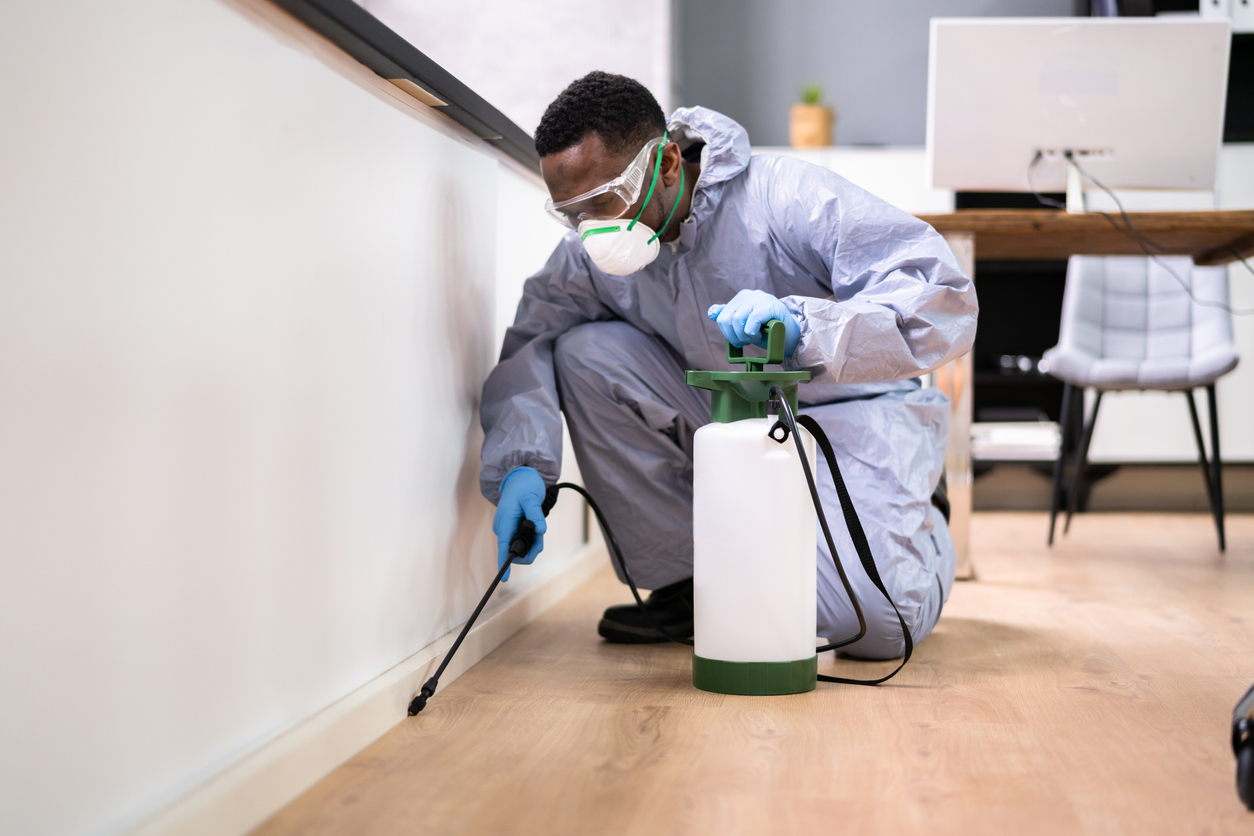


If you’ve lived in a Kenyan estate long enough, you’ve probably seen that familiar message pop up in a WhatsApp group or Facebook marketplace listing. “Fumigation Ksh2,000, all pests, available today.” It sounds convenient, especially when you’re dealing with cockroaches in the kitchen or bedbugs disrupting your sleep. But here’s the uncomfortable truth many people only learn after a few rounds of frustration. Cheap fumigation often becomes the most expensive decision you make.
Across Nairobi, Mombasa, Kisumu, and growing towns like Ruiru and Kitengela, homeowners, landlords, and business owners are quietly spending far more than they intended because they went for the lowest quote first. The issue isn’t just about money. It’s about ineffective treatment, health risks, and the cycle of repeat infestations that never quite go away.
Understanding why cheap fumigation fails is the first step to breaking that cycle.
The Hidden Cost of Repeat Fumigation Jobs
At first glance, paying Ksh2,000 instead of Ksh7,000 feels like a win. But pest control isn’t a one-day event. It’s a process built around how pests live, breed, and survive.
Take bedbugs as an example. Their eggs hatch within about a week, and most basic sprays don’t affect those eggs. Cockroaches, especially the German variety common in apartments and restaurants, reproduce quickly and hide deep inside appliances and wall cracks. Termites live underground and rarely come into contact with surface sprays.
When a fumigation job is priced too low, it usually means critical steps have been skipped. There’s often no follow-up visit, no long-lasting chemical, and no structured treatment plan. What you get is a temporary knockdown. The pests disappear briefly, then return just as active as before.
This is where the costs start adding up. You call the same fundi again or try a different one. Each visit costs a little more. Weeks turn into months, and before long, you’ve spent double or even triple what a proper job would have cost in the first place.
For landlords and Airbnb hosts, the impact goes beyond fumigation costs. A tenant dealing with recurring pests may move out early. A guest who spots a cockroach or wakes up with bites will likely leave a negative review. That one decision to “save” a few thousand shillings can quietly affect your income for months.
The Reality of Fake or Ineffective Chemicals
One of the biggest risks with cheap fumigation in Kenya is not always obvious. It’s what’s actually being sprayed in your home or business.
Licensed pest control companies operate under strict regulations from the Pest Control Products Board. This means they use approved chemicals, follow correct dilution ratios, and provide safety documentation. Unlicensed operators often bypass all of this.
In many cases, the solution being used is either heavily diluted or not a proper pesticide at all. Some mix small amounts of supermarket insecticide with large volumes of water. Others use agricultural chemicals that are not approved for indoor use. There have even been reports of diesel or kerosene being used because of the strong smell, which creates the illusion that something powerful is being applied.
The problem is that these substances either don’t work effectively or introduce new risks into your home. Pests may retreat temporarily, but the infestation remains. Meanwhile, surfaces, air quality, and even food preparation areas may become contaminated.
Without knowing exactly what chemical has been used, you’re left guessing. And that’s not a position you want to be in when your family, tenants, or customers are involved.
Health Risks That Don’t Show Up in the Price
Most people focus on whether the pests are gone. Few think about what they’ve been exposed to during the process.
Improper fumigation can have real health consequences, especially in enclosed spaces like apartments and offices. Poorly chosen or incorrectly applied chemicals can irritate the respiratory system, trigger allergies, or cause longer-term health issues with repeated exposure.
Children, elderly individuals, and people with asthma are particularly vulnerable. Pets are also at risk, especially when they come into contact with treated surfaces shortly after application.
In kitchens, the risks are even higher. Spraying near uncovered food, utensils, or water sources can lead to contamination. A professional technician will always guide you on how to prepare the space before treatment. If someone starts spraying without asking you to cover or remove items, that’s a clear sign something is off.
The cost of a single clinic visit, replacing contaminated food, or dealing with damaged household items can easily exceed the amount you thought you were saving.
Why Professional Fumigation Costs More but Works Better
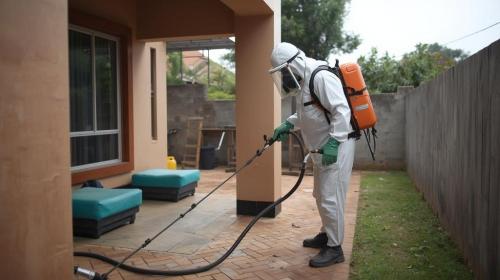
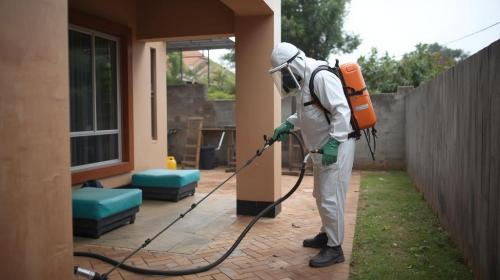
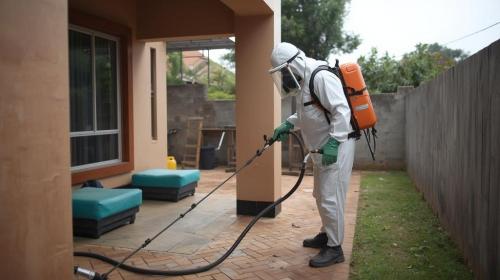
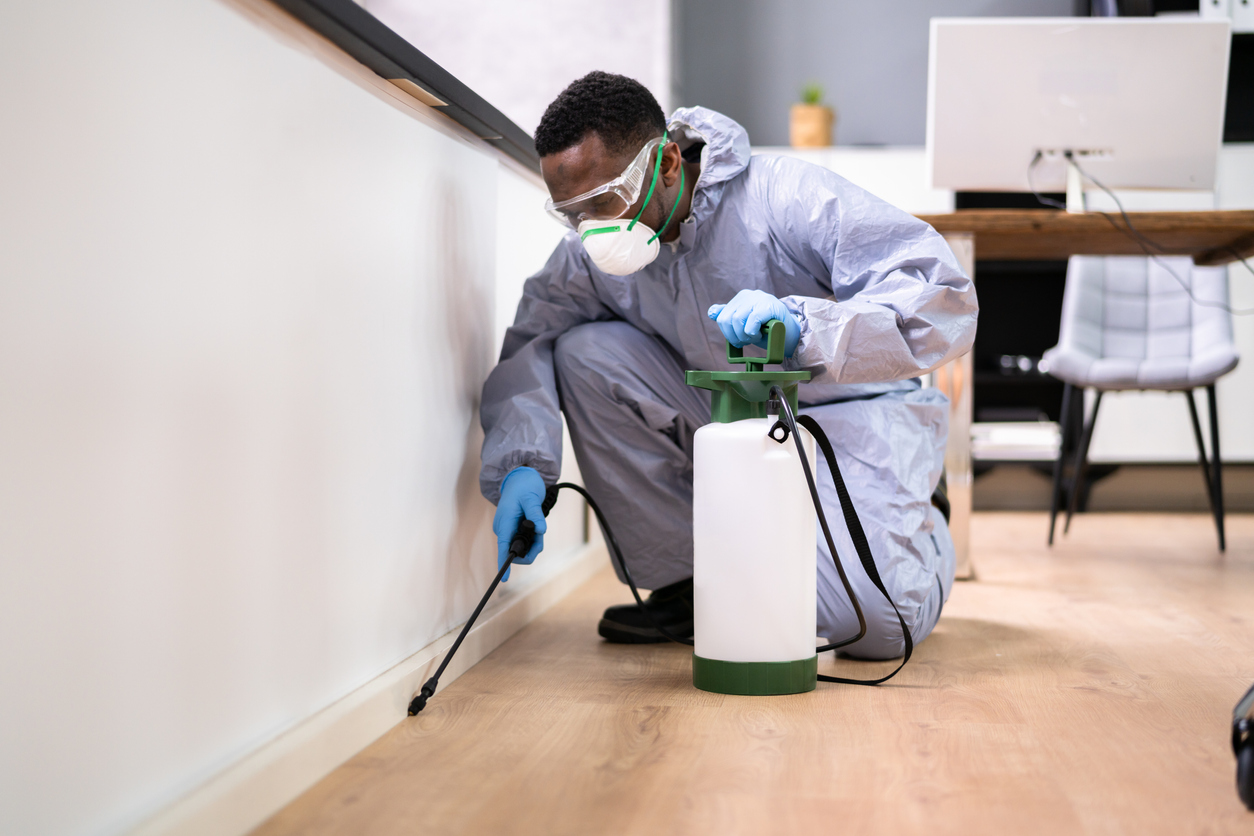
When you receive a quote from a licensed pest control company, it may feel high compared to informal options. But that cost reflects a structured and accountable process.
A proper fumigation service typically includes inspection, identification of the pest type, selection of the right chemical, and a treatment plan designed around the pest’s life cycle. It also includes at least one follow-up visit to ensure that newly hatched pests are eliminated.
The chemicals used are not generic. They are targeted solutions designed for specific pests, whether it’s cockroaches, bedbugs, or termites. Many treatments also include insect growth regulators, which interrupt the breeding cycle and prevent reinfestation.
There is also accountability. Licensed companies provide documentation, including service reports and, where necessary, certificates. If the pests return within the guarantee period, they are expected to come back and retreat at no extra cost.
In the long run, you’re not just paying for a service. You’re paying for a result and the assurance that the problem will be handled properly.
The Long-Term Financial Impact of Getting It Wrong
It’s easy to think of fumigation as a one-time expense, but pests don’t operate on that logic. They are persistent, adaptable, and often hidden until the infestation is well established.
Repeated low-cost treatments can quietly drain your finances. More importantly, they delay effective intervention, allowing the infestation to grow. By the time you bring in a professional, the problem may be more severe and more expensive to fix.
For businesses, the stakes are even higher. Restaurants, offices, and rental properties operate in environments where hygiene and customer perception matter. A single pest sighting can lead to lost clients, poor reviews, or even regulatory action.
Investing in proper pest control from the start is often the difference between a manageable issue and a long-term problem that affects your reputation and income.
How to Avoid Falling into the Cheap Fumigation Trap
Avoiding this cycle doesn’t require expert knowledge. It comes down to asking the right questions before hiring anyone.
A legitimate service provider should be able to show proof of licensing, explain the type of chemical they plan to use, and provide a clear treatment plan that includes follow-up. They should also give you a written guarantee and advise on preparation and safety measures.
Payment should be made to a registered business, not an individual number, and you should receive proper documentation after the service.
These small checks filter out most unreliable providers and ensure you’re dealing with someone who takes the work seriously.
Why the Cheapest Option Is Rarely the Smartest Choice
There’s nothing wrong with wanting to save money. But with fumigation, the cheapest option often comes with hidden costs that only become clear later.
Pest control sits at the intersection of health, hygiene, and property maintenance. Cutting corners in this area rarely pays off. Instead, it creates a cycle of temporary fixes, recurring problems, and rising costs.
In many cases, people only switch to professional services after multiple failed attempts. By then, they’ve already spent more than they would have on a single, effective treatment.
Choosing a qualified provider from the start is less about spending more and more about spending once and getting it right.
Final Thoughts
Cheap fumigation might seem like a quick solution, especially when pests appear suddenly and you want them gone fast. But in reality, it often delays proper treatment and increases the overall cost.
A well-done fumigation job should solve the problem, not pause it. It should protect your health, your home, and your peace of mind.
Before you make your next booking, take a moment to look beyond the price. Ask what you’re actually getting for your money. In most cases, the difference between a cheap job and a professional one is not just quality. It’s the outcome.