

There is a certain kind of silence that makes a Kenyan household nervous. The fridge stops humming at night. The washing machine fills with water, then just sits there. The cooker flame turns yellow when you were already halfway through making supper. At first, you tell yourself it is probably something small. Maybe the socket. Maybe the switch. Maybe “it just needs restarting.”
Then the phone comes out.
A quick search, one or two videos, a screwdriver, and suddenly you are halfway into a repair you are not completely sure about. To be fair, sometimes the problem really is simple. A loose plug, a blocked filter, or a tripped breaker can make an appliance look finished when it only needed a small check.
But when the issue is more serious, guesswork repairs can become expensive very quickly. In Kenya, where a good fridge, washing machine, cooker, or freezer is a major household investment, the smarter move is often to call someone who knows exactly what they are looking at.
Why Guesswork Repairs Are So Common in Kenya
Most people do not try DIY appliance repair because they are careless. They do it because it feels practical. You want to save money. You do not want to wait. Maybe you have had a bad experience with a random fundi before. Maybe someone in your estate “knows these things” and offers to check it for a small fee.
That is understandable.
In many homes, appliance repair starts with advice from a neighbor, a caretaker, a WhatsApp group, or a YouTube video. The challenge is that appliances are not as simple as they look from the outside. Two fridges can show the same symptom and have completely different problems. A washing machine that refuses to spin may have a drainage issue, a motor fault, a sensor problem, or even an overloaded drum.
The real danger with guesswork is not always the first mistake. It is what happens after that mistake. One wrong part is replaced. Then another. The appliance keeps failing, and before long, the repair has cost more than a proper diagnosis would have.
Local Conditions Make Appliance Problems More Complicated
Appliances in Kenya deal with conditions that many online tutorials do not consider. Power fluctuations are common in many neighborhoods. Hard water affects washing machines, dishwashers, kettles, and water heaters. Dust builds up quickly in areas near busy roads, construction sites, or open landscapes. In coastal towns, humidity and salty air can affect metal parts and electrical contacts faster than expected.
A fridge in Nairobi may fail for a different reason from one in Mombasa. A washing machine in Ruaka may struggle because of scale from borehole water. A dryer in Athi River or Kitengela may take longer to dry clothes because dust has clogged the vent. A cooker in a busy household may have blocked burners from food spills, oil, or ugali water boiling over.
This is why local experience matters. A trained technician does not just repair the appliance. They read the situation around it.
The Real Cost of a Cheap Fix
A cheap repair can feel like a win in the moment, especially when cash is tight. But appliance repair is one of those areas where the cheapest option can become the most expensive one.
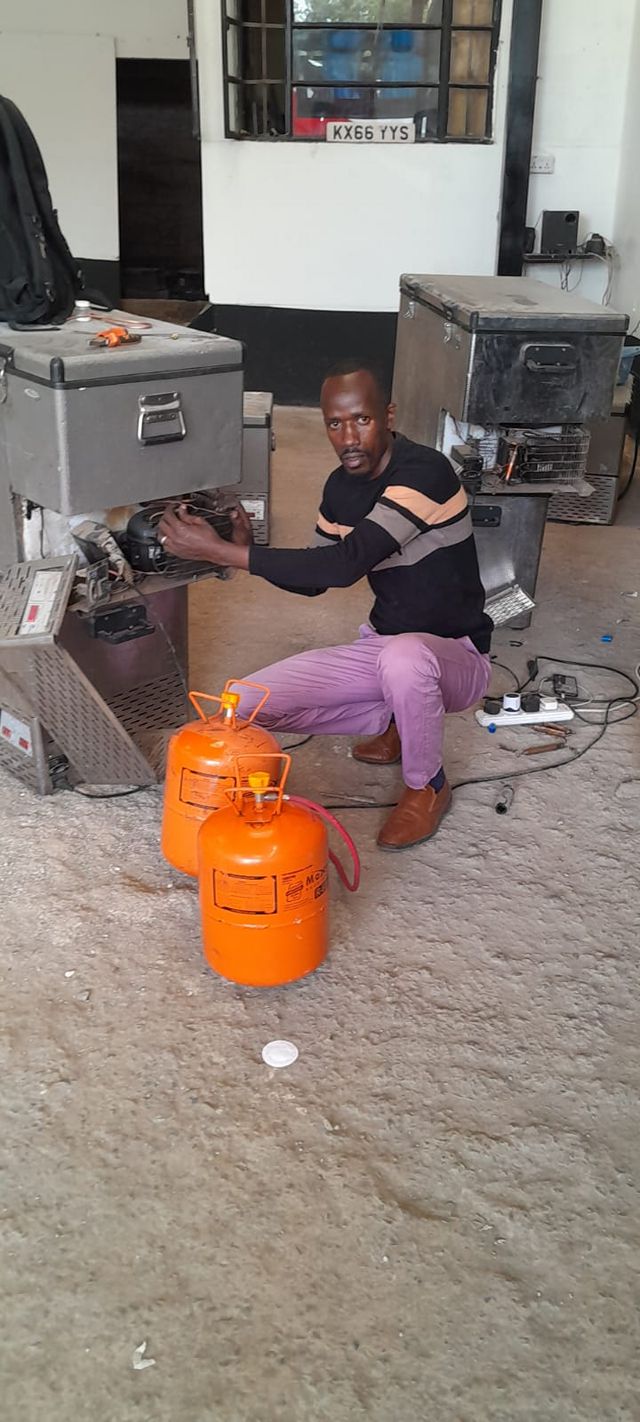
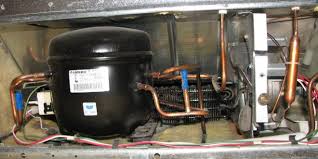
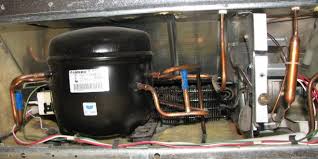
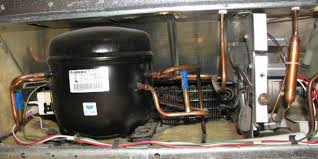
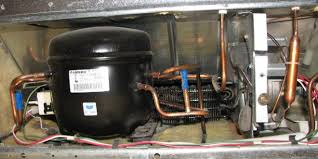
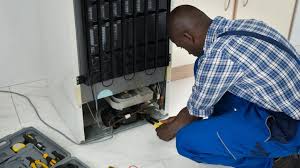
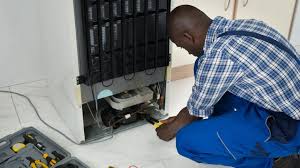
Take a fridge that is not cooling properly. Many people immediately assume it needs gas. Someone comes, adds refrigerant, collects payment, and leaves. A few days later, the fridge is warm again. Why? Maybe there was a leak. Maybe the condenser fan was not working. Maybe the thermostat had failed. Maybe the compressor was struggling because the appliance had been running under stress for too long.
Without proper testing, you are not repairing the fridge. You are guessing.
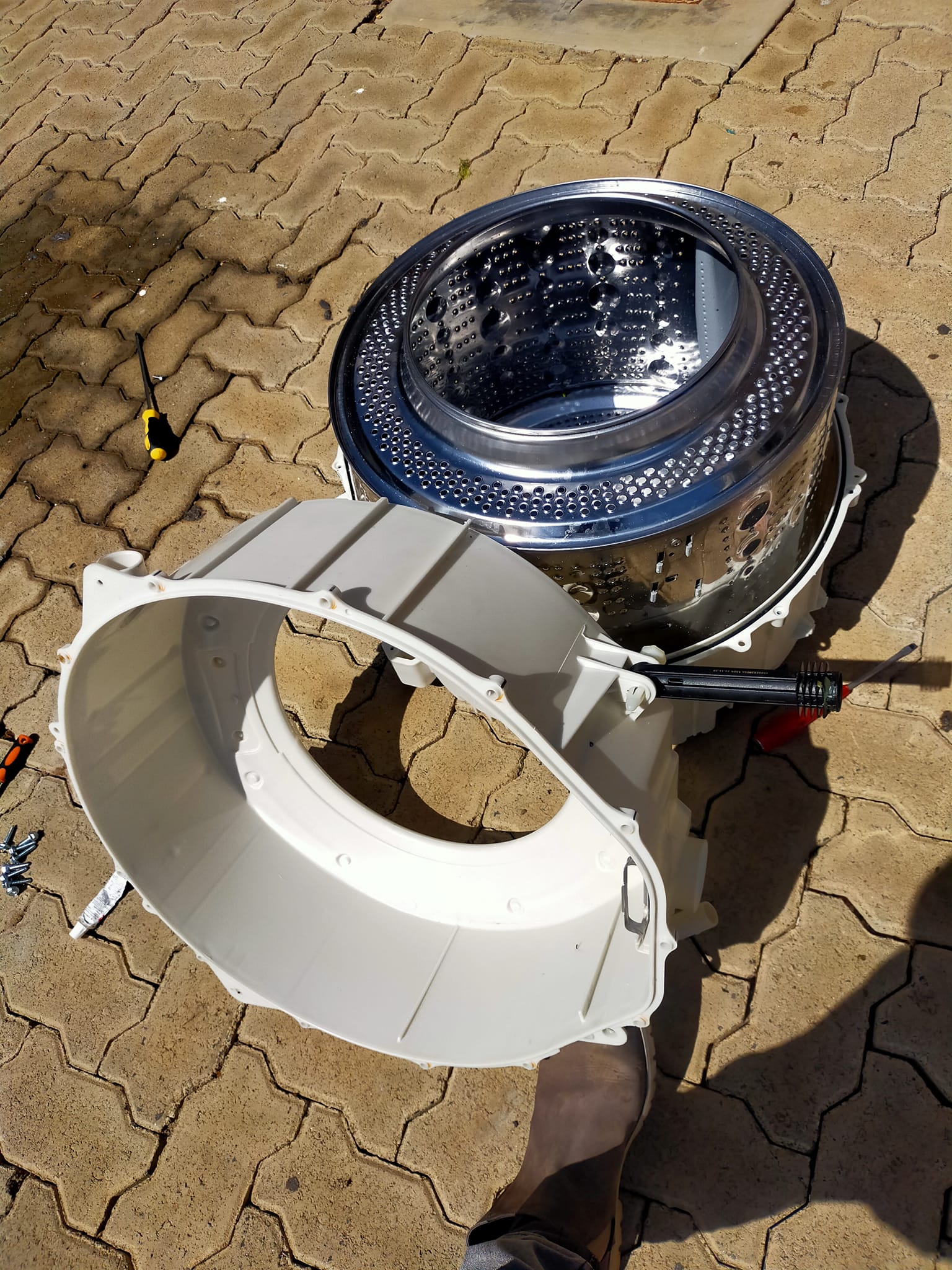
The same applies to washing machines. A machine that will not drain does not always need a new pump. Sometimes the filter is blocked. Sometimes the drain hose is kinked. Sometimes a coin, hair clip, or small piece of fabric is stuck where it should not be. Replacing parts without diagnosis wastes money and can introduce new problems.
Safety Is Not Something to Experiment With
Some appliance issues are inconvenient. Others are dangerous.
Gas cookers, ovens, microwaves, and high-voltage appliances should never be treated casually. A small gas leak in a closed kitchen can put a whole household at risk. A faulty oven element can cause shocks or burns. A microwave can hold electrical charge even after being unplugged. A washing machine with poor earthing can become dangerous, especially where water is involved.
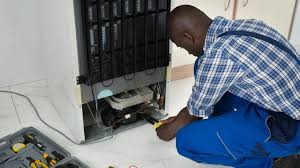
This is where professional appliance repair makes a big difference. A trained technician knows how to test safely, isolate the fault, and confirm that the appliance is safe before handing it back to you. They do not just make it work. They make sure it is safe to use.
That peace of mind matters, especially in homes with children, tenants, guests, or employees.
What a Professional Technician Does Differently
A good technician does not walk in and start opening everything immediately. They ask questions first.
When did the problem begin? Did it happen after a blackout? Has the appliance been moved recently? Is the fault constant or does it come and go? What sound does it make? Has anyone tried to repair it before?
These questions may look simple, but they save time. They help the technician narrow down the likely cause before touching a tool.
After that comes testing. Proper appliance repair involves diagnosis using the right tools, not just instinct. A technician may use a multimeter, pressure gauge, leak detector, clamp meter, or the appliance’s diagnostic mode depending on the issue. This helps them identify the real fault instead of replacing parts blindly.
That is the difference between “let us try this” and “this is the problem.”
Genuine Spare Parts Matter More Than People Think
Spare parts are another reason professional repair is usually better than guesswork. Kenya has many spare parts sellers, and while some are reliable, others sell parts that look original but do not last.
A poor-quality thermostat, fake fan motor, wrong-size igniter, or weak inlet valve can work briefly and then fail again. Sometimes the wrong part can even damage other components.
Experienced technicians usually know which suppliers to trust. They understand brand compatibility and model differences. They also know when a universal part is acceptable and when it is likely to cause trouble.
This is one reason platforms like The Real Plug, https://therealplug.online/, are useful for people looking for vetted professionals. Instead of choosing blindly from a random post or faded poster, users can find service providers with clearer profiles and a bit more accountability. It is not about making the process fancy. It is about reducing the risk of hiring someone with no track record.
When DIY Maintenance Is Actually Fine
Not every appliance issue needs a technician. Some basic maintenance tasks are safe and useful if done carefully.
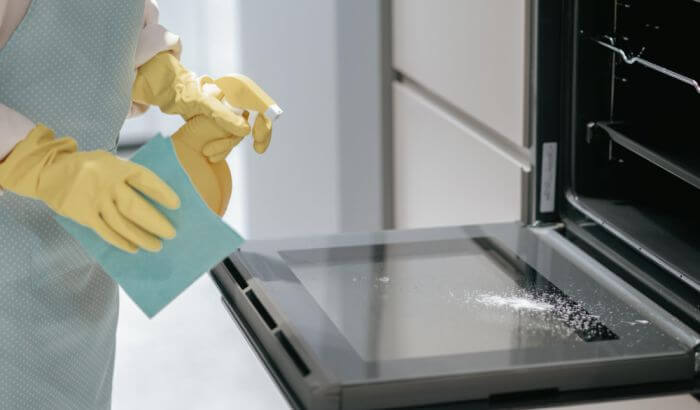
You can clean fridge coils, especially if your home gets dusty. You can remove lint from a dryer filter. You can check whether a washing machine filter is blocked. You can make sure your appliance is level, properly plugged in, and not overloaded. You can also clean cooker burners gently when food spills cause uneven flames.
These small habits help appliances last longer. They also make it easier for a technician to diagnose the real issue when something serious happens.
The key is knowing where to stop.
If the repair involves gas, refrigerant, compressors, control boards, heating elements, internal wiring, or anything you cannot explain clearly, it is better to step back. Curiosity is fine. Risking the whole appliance is not.
Why Businesses Should Avoid Guesswork Repairs
For businesses, appliance breakdowns are not just annoying. They affect income.
A restaurant with a failing freezer can lose stock. A butchery cannot afford warm display units. A laundry shop depends on washing machines and dryers working every day. An Airbnb host can lose a good review because a guest finds a broken cooker, fridge, or washing machine.
In business settings, quick guesswork often creates repeat breakdowns. The appliance is patched up just enough to run for a few days, then it fails again at the worst possible time. Professional appliance repair helps business owners plan better because the technician can explain whether the appliance needs a minor repair, major part replacement, or scheduled servicing.
That kind of clarity is valuable. It helps you decide whether to repair, replace, or budget for future maintenance.
How to Choose the Right Appliance Repair Technician
A reliable technician should be able to explain the problem in simple language. They should ask questions before quoting. They should be clear about the part being replaced and why it is needed. They should also offer some form of workmanship assurance, even if it is basic.
Be careful with anyone who refuses to explain the fault or keeps changing the diagnosis without evidence. Also be cautious when someone immediately suggests the most expensive repair before doing any proper checks.
Before the technician arrives, note the appliance brand and model number. Take a short video of the problem if it happens on and off. Clear space around the appliance. Also, be honest about previous repairs. If someone added gas, changed a part, or opened the machine before, say so. It helps with diagnosis.
The Bottom Line
Appliances make daily life easier, but they are also expensive to replace. A fridge keeps food safe. A cooker feeds the family. A washing machine saves time. A freezer protects business stock. When any of these breaks down, the goal should not be the fastest guess. It should be the right fix.
DIY checks are fine for simple things. Reset the socket. Clean the filter. Check the plug. But when the issue goes deeper, professional appliance repair is usually safer, cheaper, and more reliable in the long run.
In a market where spare parts quality varies, power issues are real, and many households depend heavily on their appliances, expertise pays for itself. The next time your fridge, cooker, washer, oven, or freezer starts acting up, do the simple checks first. Then call a professional before a small fault becomes a bigger bill.