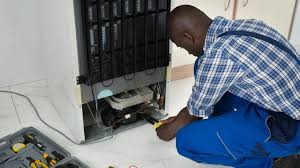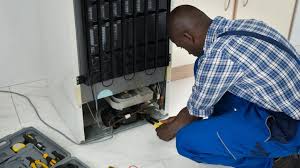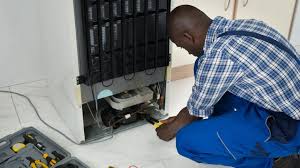


A freezer never seems to fail when it is half-empty. It usually chooses the worst possible time.
You open the freezer at your butchery in Gikomba and the air inside feels almost warm. The meat is softening, and you can already feel the loss coming. At home in Syokimau, your deep freezer has turned into a small snow cave, with ice so thick the drawers barely move. Or maybe every morning there is water near the chest freezer, and nobody in the house knows where it is coming from.
Freezer problems can be stressful because they affect food, money, and sometimes an entire business day. In Kenya, freezers are especially important because many households buy food in bulk, store meat for the month, or keep frozen items for small businesses. For butcheries, kiosks, restaurants, cafés, and grocery shops, a freezer is not just an appliance. It is part of the income.
Most freezer repair issues fall into three main areas: ice build-up, leaks, and cooling problems. Once you understand what causes them, it becomes easier to know what you can check safely and when to call a technician.
Why Freezers in Kenya Work So Hard
Freezers in Kenya deal with conditions that many appliance manuals do not fully prepare you for.
Dust is a big one. In places like Athi River, Kitengela, Mlolongo, and along busy roads in Nairobi, dust settles behind appliances and coats the condenser coils. When those coils cannot release heat properly, the compressor runs longer and works harder.
Power instability is another problem. In areas where blackouts, voltage drops, and sudden power returns are common, relays, compressors, and control boards can suffer. A freezer that restarts too quickly after a blackout may struggle under pressure, which can shorten the life of the compressor.
At the coast, homes and businesses in Nyali, Bamburi, Malindi, and Diani deal with humidity and salty air. That can corrode terminals, stiffen seals, and damage metal parts faster than expected.
Then there is how we use freezers. A family deep freezer may be packed to the top before Christmas or after a market run. A butchery freezer may be opened dozens of times a day. A shop freezer may sit near heat, direct sun, or a busy walkway where the lid is always being opened.
Freezers are built to work hard, but Kenyan conditions often push them even harder.
Ice Build-Up Is More Than an Inconvenience
A little frost in some freezers is normal, especially manual-defrost models. But thick ice that blocks drawers, covers vents, or forms on the walls is a sign that something needs attention.
One of the most common causes is a weak door seal. If warm air keeps entering the freezer, moisture condenses and freezes. Over time, that turns into heavy ice build-up.
You can test the seal with a piece of paper. Close the freezer door or lid on it, then try pulling it out. If it slides out too easily, the gasket may not be sealing properly.
In coastal towns, seals can become stiff or cracked because of heat, humidity, and salty air. In dusty areas, dirt can collect around the gasket and stop it from closing tightly. Wiping the seal regularly with warm water and mild soap can help. If it is cracked, loose, or no longer gripping, it may need replacement.
For upright frost-free freezers, ice build-up may point to a defrost system fault. These models usually have a heater, thermostat, sensor, timer, or control board that prevents ice from collecting around the evaporator coils. If one of those parts fails, frost builds up behind the panel and blocks airflow. The freezer may still sound like it is running, but cooling becomes weak.
Manual defrosting may help for a few days, but if the ice returns quickly, the underlying fault is still there. That is when a technician needs to test the defrost components properly.
Blocked Drains Can Create Ice Sheets
Another common cause of ice build-up is a blocked drain.
When a freezer defrosts, the water should flow through a drain channel into a pan underneath the appliance. If that drain blocks, water collects inside and refreezes. After a few cycles, you may notice a sheet of ice at the bottom of the freezer.
Food particles, dust, and ice can all block the drain. A technician will usually clear the drain, flush the line, and check whether the defrost system is working as it should.
Ignoring the problem can lead to more damage. Ice can build around the fan, block airflow, and strain the motor. If the fan starts hitting ice, you may hear scraping, buzzing, or rattling sounds.
Do not use a knife to chip away the ice. It is tempting, especially when a drawer is stuck, but one puncture can damage the cooling plate or refrigerant line. That turns a simple maintenance issue into an expensive repair.
Water Leaking From a Freezer Is Not Always Serious
Water on the floor near a freezer can be worrying, but the cause is not always major.
Sometimes it is simply melted ice after a blackout. Power goes off for several hours, the freezer warms, ice melts, and water leaks out. When power returns, the freezer starts working again, so it may look like the issue fixed itself. But if this happens often, it is worth checking whether the freezer is cooling strongly enough after outages.
A blocked drain can also cause leaks. Instead of water flowing to the drain pan, it collects inside the cabinet and escapes through the door or lid.
Another possibility is a cracked or misplaced drain pan. This pan collects defrost water so it can evaporate. If the freezer has been moved recently, the pan may be out of position. If it is cracked, water ends up on the floor.
A freezer that is not level may also leak. If it tilts forward or sideways, water may not drain where it should. This is common in rentals or businesses where appliances are moved around without being properly adjusted afterward.
If the leak comes with poor cooling, strange smells, oily residue, or hissing sounds, stop using the freezer and call a technician. That may point to a refrigerant leak or sealed-system problem.
When a Freezer Is Not Cooling Properly
A freezer that is not cold enough is one of the most urgent repair issues, especially for homes and businesses storing meat, fish, dairy, frozen vegetables, or ice.
Start with simple checks. Is the thermostat set correctly? Has the dial been knocked accidentally? Is the freezer overloaded? Is it placed near a cooker, direct sunlight, or a hot shopfront?
Overloading is common in Kenyan homes and businesses. When a freezer is packed too tightly, cold air cannot circulate properly. In upright freezers, blocked vents cause uneven cooling. In chest freezers, too much stock can make it harder for the unit to maintain temperature after frequent opening.
Next, check the condenser coils. If they are covered in dust, the freezer cannot release heat efficiently. The compressor runs for longer, gets hotter, and eventually may fail. Cleaning the coils every few months can prevent many cooling problems.
The fan is another possible issue. If the condenser or evaporator fan stops working, the freezer may run but fail to cool properly. A technician can test the fan motor and replace it if needed.
Compressor, Relay, and Gas Problems Need Professional Repair
If the freezer clicks every few minutes but does not start cooling, the relay or overload protector may have failed. These parts help the compressor start safely. Power surges and repeated outages can damage them.
A technician can test the relay and compressor to see whether the problem is minor or serious. If the relay is faulty, replacement is usually straightforward. If the compressor has failed, the repair becomes more complex and expensive.
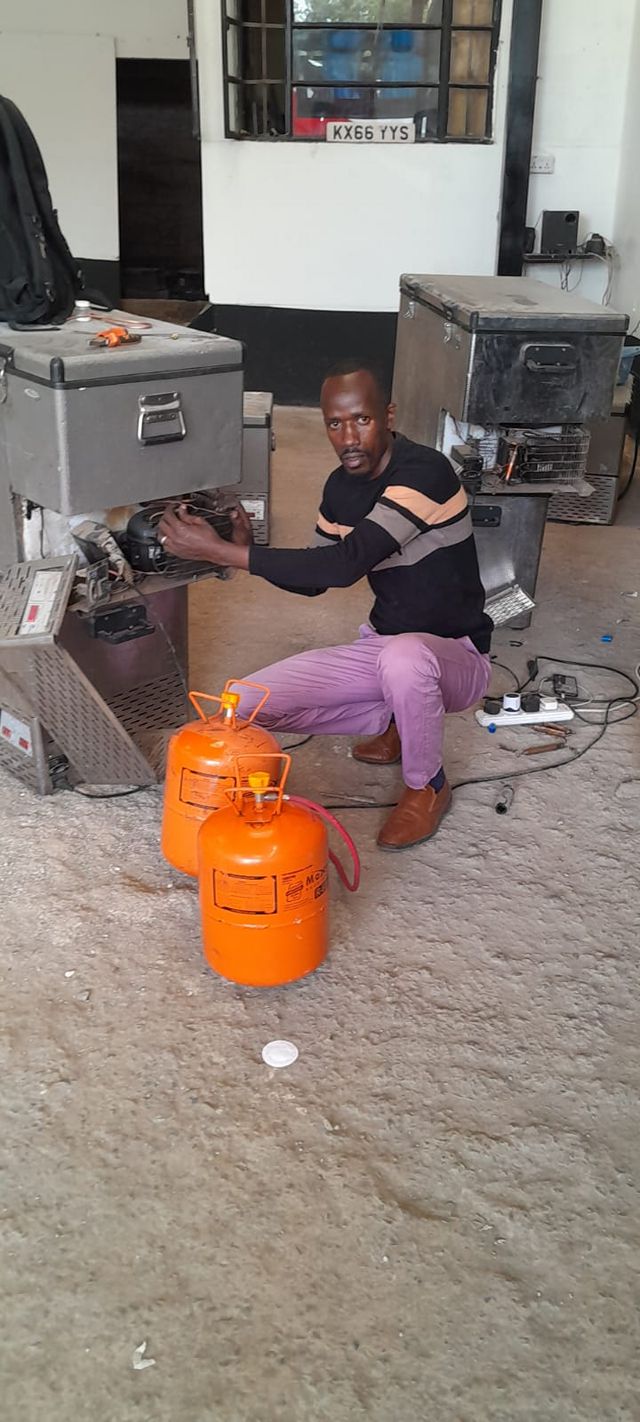
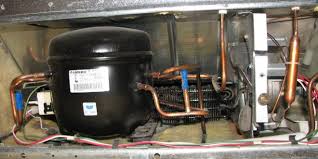
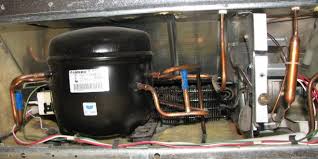
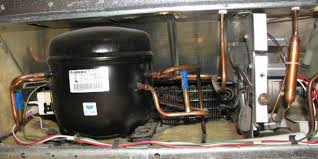
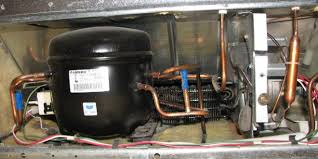
Compressor replacement is not a quick guesswork job. It involves removing the old compressor, fitting the new one, replacing the filter drier, pressure testing, vacuuming, and recharging the refrigerant properly.
Gas problems also need proper handling. Refrigerant does not simply get “finished” like cooking gas. If a freezer is low on refrigerant, there is likely a leak. Topping up gas without finding and repairing the leak only delays the same problem.
A proper sealed-system repair requires testing, leak repair, vacuuming, and correct recharging. This is why it matters to choose a technician who has the right tools and experience.
What to Expect When You Book a Freezer Repair Technician
A reliable freezer repair technician will ask questions before coming.
What type of freezer is it? Chest or upright? What brand? Is the motor running? Is there ice build-up? Is it leaking? Is the light on? Did the problem start after a blackout? Is there any clicking, buzzing, hissing, or error code?
These details help them prepare and may increase the chance of same-day repair.
You should also expect a diagnosis or call-out fee. The amount depends on location, urgency, and the technician, but it should be discussed before the visit. If you approve the repair, some technicians may deduct the diagnosis fee from the final bill.
During the visit, a good technician will test before replacing parts. For ice build-up, they should check the seal, fan, defrost heater, thermostat, timer, board, and drain. For cooling problems, they should inspect coils, fans, relay, thermostat, compressor behavior, and sealed-system pressure where necessary.
Be cautious if someone looks at the freezer briefly and immediately says, “It needs gas,” without testing. That is not proper diagnosis.
How The Real Plug Helps You Find the Right Technician
Freezer repair is one of those jobs where the technician’s skill really matters. A simple gasket replacement is one thing. Sealed-system work, compressor replacement, gas leaks, board repairs, and commercial freezer faults need someone who knows what they are doing.
The Real Plug helps homeowners, landlords, and business owners find vetted professionals by service type and location. Instead of calling random numbers under pressure, you can look for technicians who handle freezer repair, fridge-freezer faults, compressor work, and cooling problems.
Reviews also help. If other customers mention that a technician fixed a freezer cooling issue properly, honored a warranty, or explained the fault clearly, that gives you more confidence before booking.
For a business with stock at risk, choosing the right person quickly can save more than the repair cost.
When Repair May Not Be Worth It
Some freezers are worth repairing. Others are not.
If your freezer is fairly new, the body is in good condition, and the fault is a relay, fan, seal, thermostat, or drain blockage, repair usually makes sense. Even compressor replacement may be worth it for a good-quality freezer that still has many years left.
But if the freezer is old, rusty, inefficient, and now needs a major repair, replacement may be smarter. A unit with damaged insulation, weak seals, rusted body panels, and a failing compressor may keep costing money even after repair.
A useful guide is the 50% rule. If the repair costs more than half the price of a similar new freezer, and the unit is already eight years or older, think carefully before spending the money.
A trustworthy technician should help you compare repair cost, age, condition, and power use before you decide.
How to Prevent the Next Freezer Breakdown
You cannot control blackouts, dust, or humidity, but you can reduce the damage they cause.
Keep the freezer slightly away from the wall so air can circulate. Clean the condenser coils regularly, especially in dusty areas. Check the door seal every month. Do not overload the freezer. Avoid placing it next to cookers, ovens, direct sunlight, or heat sources.
Use a fridge guard or voltage protector to reduce damage from sudden power returns. Defrost manual models before ice becomes too thick. Never use knives or sharp tools to remove ice.
For businesses such as butcheries, restaurants, cafés, shops, and food vendors, scheduled maintenance is worth considering. A technician can check seals, drains, fans, coils, wiring, and compressor performance before the freezer fails during trading hours.
At home, basic care can make a freezer last longer and use less power.
The Right Repair Starts With the Right Person
A freezer breakdown can feel like an emergency, especially when food or stock is already thawing. But rushing into the wrong repair can make the problem worse.
Ice build-up, leaks, and cooling issues all have causes. Some are simple. Some need proper tools. The important thing is to avoid guesswork.
Check the basics first. Look at the seal, thermostat, loading, airflow, and power supply. If the problem is deeper, call a technician who tests before replacing parts, explains the fault clearly, and gives you a warranty you can keep.
In Kenya, freezers are not just convenience appliances. They help homes buy food in bulk, keep businesses running, and reduce waste. Treat yours well, and when it needs repair, choose someone who understands both the machine and the local conditions it works under.