

Most days, you barely notice the sound of your fridge. It hums quietly in the kitchen while life goes on around it. Tea is made, leftovers are stored, groceries are packed away, and the fridge just does its job.
Then one day, the sound changes.
Maybe it becomes louder. Maybe it starts clicking every few minutes. Maybe it goes completely silent even though the light is still on. That is when you suddenly remember how important that appliance is.
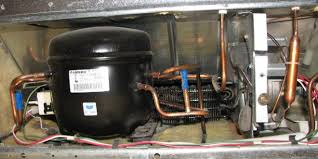
The compressor is one of the most important parts of a fridge. It is also one of the most expensive to repair or replace. In Kenya, compressor problems are common because fridges work under tough conditions: heat, dust, power fluctuations, poor ventilation, and heavy daily use.
The tricky part is that not every fridge that stops cooling has a bad compressor. Sometimes the issue is a relay, capacitor, thermostat, dirty coils, or power supply. Knowing the signs of compressor trouble can help you avoid paying for the wrong repair.
What the Fridge Compressor Actually Does
The compressor is often called the heart of the fridge, and that description makes sense.
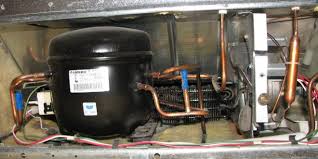
Its job is to move refrigerant through the cooling system. As the refrigerant moves, it absorbs heat from inside the fridge and releases it outside through the coils. That is how the fridge stays cold.
A healthy compressor does not run nonstop. It starts, runs for a while, cools the fridge, then rests. Later, when the temperature rises slightly, it starts again.
In hot areas, or in busy homes where the fridge door is opened often, the compressor may run more frequently. That is normal. What is not normal is a compressor that never rests, struggles to start, overheats, or makes strange noises.
In Kenya, three things are especially hard on compressors: heat, unstable power, and overworking caused by poor airflow or weak fridge seals.
Clicking Sounds Can Be an Early Warning
One of the most common signs of compressor trouble is repeated clicking.
You may hear a click, then a short hum, then another click. A few minutes later, the same thing happens again. The fridge light may still work, but the fridge does not cool properly.
This often means the compressor is trying to start but failing. The problem may be the start relay, overload protector, or capacitor. These are external parts that help the compressor start safely.
In many Kenyan estates where power cuts and voltage changes are common, these parts fail often. The good news is that if the compressor itself is still healthy, replacing the relay or overload may solve the problem.
The danger is waiting too long. If the compressor keeps trying to start and failing, it can overheat and eventually burn out. So if you hear repeated clicking, do not ignore it for days. Call a technician and have it tested.
Loud Buzzing, Rattling, or Knocking Needs Attention
A fridge should make some noise, but you probably know its normal sound. When something changes, pay attention.
A loud buzzing may mean the compressor is struggling to start or running under strain. A rattling sound could mean the compressor mounts are loose or worn out. This can happen when fridges are moved often, which is common in rentals and small businesses.
If the compressor vibrates too much, it can stress nearby pipes and joints. Over time, that vibration may cause refrigerant leaks.
A knocking or banging sound when the compressor stops is more serious. It can suggest internal wear inside the compressor. The fridge may still cool for a while, but the compressor may be nearing the end of its life.
If the noise is new, unusual, or getting worse, it is better to get it checked early. Small external issues are cheaper to fix than a failed compressor.
A Silent Fridge Is Not Always a Dead Compressor
Silence can be confusing.
If the fridge light is on but there is no hum, no click, and no cooling, the compressor may not be receiving power. But that does not automatically mean the compressor has failed.
The problem could be the thermostat, control board, relay, wiring, or power supply. A technician needs to test whether power is actually reaching the compressor terminals.
If power reaches the compressor but the motor does not start, then the compressor may have open or shorted windings. That is more serious and usually means replacement.
This is why diagnosis matters. A quick guess can cost you thousands. A proper test can show whether the compressor is dead or whether a smaller part is stopping it from running.
Heat Is a Major Compressor Killer
Compressors naturally get warm, but they should not become dangerously hot.
A fridge releases heat through the condenser coils, usually at the back or underneath. If those coils are covered with dust or the fridge is pushed tightly against the wall, heat cannot escape properly. The compressor then runs hotter and longer than it should.
This is common in dusty areas like Kitengela, Athi River, Mlolongo, and parts of Nairobi where dust builds up quickly behind appliances. It is also common in small apartment kitchens where the fridge is squeezed into a tight corner with very little airflow.
If the sides of the fridge feel warm, that can be normal. But if they feel extremely hot, or the compressor is too hot to touch even briefly, switch the fridge off and let it cool. Then call a technician before turning it back on for long periods.
Running an overheating compressor can finish it completely.
For coastal homes in places like Mombasa, Bamburi, Nyali, Malindi, and Diani, humidity and salty air can also affect coils and metal parts. Corrosion makes the system less efficient, forcing the compressor to work harder.
Power Problems Damage Compressors Quietly
Power issues are one of the biggest causes of fridge compressor failure in Kenya.
A voltage drop makes the compressor struggle to start. It may draw too much current, overheat, and eventually damage the windings. A surge can damage the relay, control board, or compressor directly. A blackout followed by sudden power return can also force the compressor to restart before pressure in the system has settled.
If your fridge stopped working shortly after a blackout, storm, or power flicker, electrical damage is a real possibility.
A fridge guard or voltage protector is a small investment compared to replacing a compressor. It delays restart after power returns and helps protect the appliance from unstable voltage. In areas with frequent outages or weak power, it is one of the simplest ways to protect your fridge.
If a compressor has failed before, ask the technician to test the voltage at your socket. If the power supply is consistently poor, a new compressor may fail again.
Can a Failing Compressor Be Saved?
Sometimes, yes.
If the problem is the start relay, overload protector, or capacitor, those parts can often be replaced without changing the compressor. This is why testing is important before accepting a major quote.
In some cases, a compressor that is mechanically stuck may be helped temporarily with a hard-start kit. But this is not always a long-term solution. It may get the fridge running again for a while, but the internal wear remains.
If the compressor windings are burnt, shorted, or open, there is usually no practical repair. The compressor must be replaced.
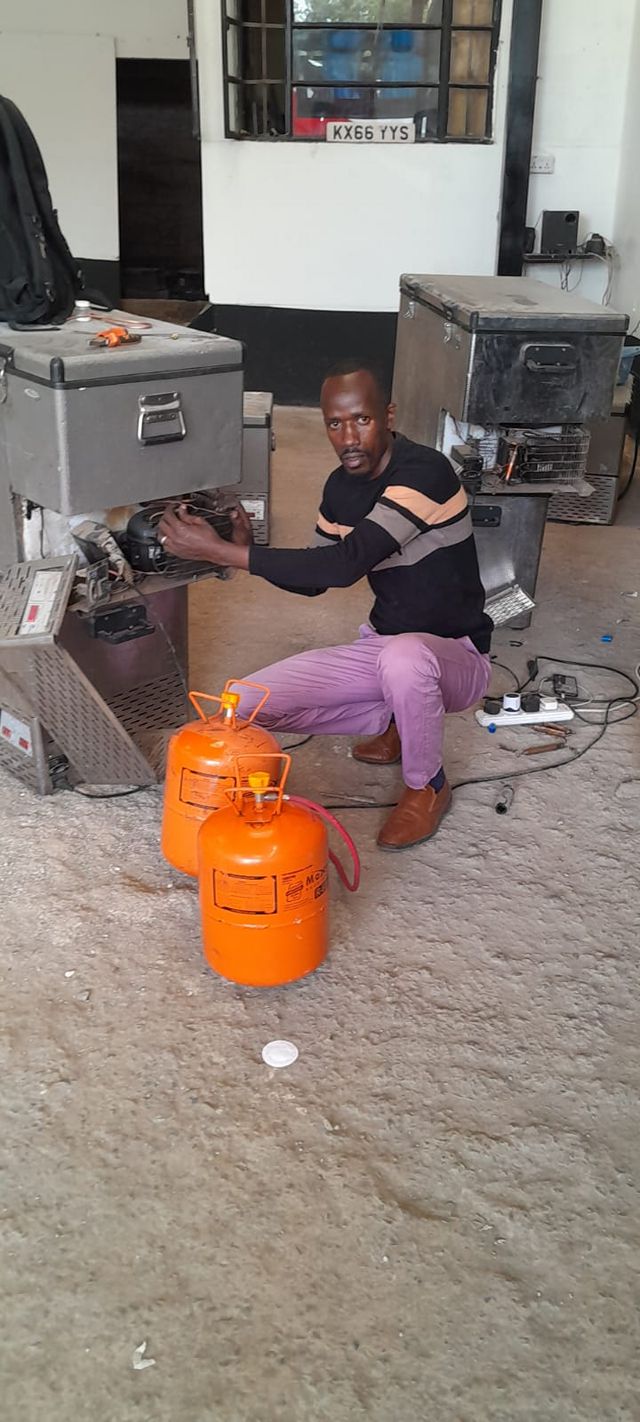
Compressor replacement is a skilled job. It involves removing the old compressor, fitting the new one, replacing the filter drier, pressure testing, vacuuming the system, and refilling the correct refrigerant. It should not be rushed or done by guesswork.
Be careful with very cheap “reconditioned” compressors. Some may work, but many have already been stressed before being resold. A new compressor usually gives better peace of mind, especially for a fridge you still plan to use for years.
When Compressor Replacement Makes Sense
A compressor is expensive, so it is worth asking whether replacement is the right choice.
If your fridge is fairly new, the body is in good condition, the seals are tight, and the rest of the system is working well, replacing the compressor may make sense.
But if the fridge is old, rusty, inefficient, has weak door seals, damaged shelves, or repeated cooling problems, putting a lot of money into a new compressor may not be wise.
A useful guide is the 50% rule. If the repair costs more than half the price of a similar new fridge, and the appliance is already eight to ten years old, replacement may be better.
Also think about electricity use. Older fridges can use more tokens, especially if the compressor runs constantly. A newer energy-efficient fridge may cost more upfront but save money over time.
A trustworthy technician should explain both options. They should not push compressor replacement if the fridge is clearly near the end of its useful life.
What a Good Technician Should Check
A good technician does not walk in, listen for two seconds, and declare, “compressor imechapa.”
They test.
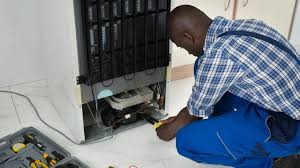
They check whether power is reaching the compressor. They test the relay and overload protector. They measure winding resistance. They inspect the condenser coils and airflow. If the compressor runs but cooling is weak, they may check system pressure to see whether the compressor is pumping properly.
They should also explain the findings in plain language.
For example, they may say, “The compressor is receiving power, but the windings are open, so it needs replacement,” or, “The compressor is fine. The start relay failed, so we can replace that today.”
That explanation matters because it helps you understand whether you are paying for a small repair or a major one.
Platforms like The Real Plug can help you find vetted appliance repair professionals who handle fridge compressor diagnosis, relay replacement, refrigerant work, and full compressor replacement. Reviews can also show whether a technician explains repairs clearly and honors warranties.
Protecting Your Next Compressor
If you replace a compressor, protect the new one from the same problems that damaged the old one.
Keep the fridge in a well-ventilated space. Do not box it tightly into a cabinet. Leave room behind and around it for airflow. Clean the coils every few months, especially in dusty areas. Use a fridge guard or voltage protector. Check the door seal so the compressor is not working overtime.
Avoid overloading the freezer so badly that cold air cannot move. Do not place hot food directly inside the fridge. Let it cool first. Keep the fridge away from cookers, direct sunlight, and other heat sources.
If you move house, keep the fridge upright where possible. If it has been tilted or laid down during transport, let it stand upright for several hours before switching it on. This allows compressor oil to settle properly.
For businesses such as shops, cafés, restaurants, butcheries, and Airbnbs, scheduled servicing can prevent expensive emergencies. A technician can check current draw, vibration, cooling performance, seals, coils, and electrical connections before the compressor fails.
The Compressor Is the Heart of the Fridge
A failing compressor is not something to ignore, but it is also not something to assume without testing.
Clicking, overheating, silence, weak cooling, loud buzzing, and strange knocking sounds can all point to compressor trouble. But some of these signs can also come from smaller, cheaper faults.
The best thing you can do is act early. Check the basics, keep the fridge ventilated, protect it from power surges, and call a technician who tests before replacing anything.
In Kenya’s heat, a working fridge is not a luxury. It protects food, saves money, supports small businesses, and keeps daily life moving. When the compressor starts struggling, the sooner you respond, the better your chances of avoiding a bigger bill.