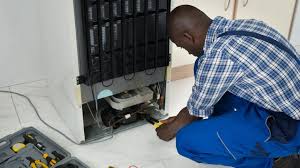


Most appliances do not break down suddenly, even when it feels that way. A fridge in Roysambu does not just wake up one morning and decide to stop cooling. A washing machine in Nyali does not start shaking like a boda at the gate for no reason. Usually, the warning signs were there long before the big failure happened.
A little dust around the fridge coils. A washer filter that has not been cleaned in months. A cooker flame that slowly changed from blue to yellow. A door seal that stopped closing tightly but still looked “okay.”
By the time the appliance finally gives up, the repair bill can feel painfully close to rent.
The truth is, appliances in Kenya work hard. They deal with power cuts, voltage drops, dust, hard water, humidity, and daily household pressure. A fridge in Utawala may struggle with constant blackouts. A washing machine in Ruaka may suffer from borehole water scale. A cooker in Kahawa West may have blocked burners from food spills. A dryer in an apartment near Ngong Road may collect lint and dust faster than expected.
The good news is that you do not need to be a technician to prevent many common problems. A few simple habits can extend the life of your appliances, reduce your electricity bill, and help you avoid surprise breakdowns.
Give Your Fridge Room to Breathe
Many Kenyan kitchens are tight on space, so the fridge often ends up pushed directly against the wall. It may look neat, but it is not good for the appliance.
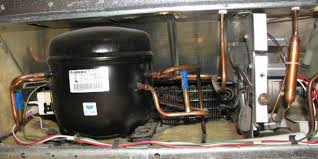
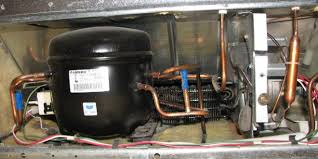
Fridges release heat through coils at the back or underneath. When there is no airflow, the compressor has to work harder to keep the inside cold. Over time, that extra strain can shorten the life of the fridge and increase your power use.
Try to leave some space between the fridge and the wall. Every few months, pull it out and clean the coils with a dry brush or vacuum. This is especially important in dusty areas like Kitengela, Athi River, Mlolongo, and parts of Nairobi where dust builds up quickly behind appliances.
It is a small job, but it makes a real difference. A clean fridge runs more efficiently and does not have to fight through layers of dust just to stay cold.
Check the Fridge Door Seal Before It Costs You
A weak fridge seal is one of those problems people ignore because the fridge still “works.” But if warm air keeps leaking in, the compressor has to run longer. That means higher electricity use and faster wear.
There is an easy test. Close the fridge door on a small note or piece of paper. If it slides out too easily, the seal may not be tight enough.
In coastal homes around Mombasa, Malindi, and Diani, seals may become stiff or brittle faster because of humidity and salty air. Wipe them regularly with a damp cloth and mild soap. Avoid harsh chemicals because they can damage the rubber.
Replacing a worn-out seal is usually much cheaper than replacing a compressor.
Protect Appliances From Power Fluctuations
Power problems are part of daily life in many Kenyan homes. Sometimes the lights flicker for just a second. Sometimes power disappears and comes back suddenly. That quick on-and-off may look harmless, but it can damage sensitive electronics inside modern appliances.
Fridges, washing machines, microwaves, TVs, and dishwashers with control boards are especially vulnerable.
A fridge guard, voltage protector, or delay timer is a small investment compared to the cost of replacing a compressor or control board. For homes in areas with frequent blackouts or voltage dips, this is not something to postpone.
It is also wise to unplug smaller appliances during heavy storms or when power keeps flickering. It may feel old-fashioned, but it can save you from an expensive repair.
Hard Water Is Tough on Washing Machines
If you use borehole water or live in an area with hard water, your washing machine needs extra care. Hard water leaves mineral deposits inside pipes, valves, heating elements, and drums. At first, you may not notice anything. Then the machine starts taking longer, draining poorly, or leaving clothes smelling damp.
Once a month, run an empty hot wash using a washing machine descaler. Some people use white vinegar, but always check your machine’s manual first because not every manufacturer recommends it.
If your household does laundry daily, you may need to descale more often. This is common in busy family homes, rentals, salons, small laundries, and Airbnb units where machines work almost every day.
A clean washer uses water properly, heats more efficiently, and is less likely to develop blocked valves or bad smells.
Do Not Overload the Washing Machine
This one is common because we all understand the temptation. Water may be rationed. Tokens are expensive. Laundry has piled up. So you squeeze everything into one load and push the door shut.
The machine may run, but it pays the price.
Overloading strains the drum, motor, bearings, belt, and suspension. It can also stop clothes from washing properly because there is no room for movement. If your washing machine keeps shaking, banging, or “walking” across the laundry area, overloading may be one of the causes.
A simple rule helps: if you have to force clothes down to close the door, the load is too much. Two smaller loads are usually cheaper than replacing damaged bearings or buying a new machine.
Clean the Washing Machine Pump Filter
Many people only discover the pump filter when the washing machine refuses to drain. By then, it may be full of coins, lint, hair ties, buttons, and small pieces of fabric.
The pump filter is usually behind a small panel near the bottom front of the machine. Check your manual before opening it because water may come out. Once you know how to do it safely, cleaning it every few weeks can prevent drainage problems.
This is especially useful in homes with children, school uniforms, work clothes, or shared laundry machines. Small objects always find their way into pockets.
Pay Attention to Cooker Flame Colour
A healthy gas flame should be blue. If your cooker flame turns yellow or orange, something is not right.
Often, the burner holes are blocked by food spills, oil, or dust. This causes poor combustion, wastes gas, and leaves soot on sufurias. You can remove the burner caps and clean the holes gently with a soft brush or pin. Do not enlarge the holes because that can affect gas flow.
If the flame remains yellow after cleaning, call a technician. The issue may be the regulator, gas pressure, or another part of the system.
And if you smell gas, do not test it with a flame. Turn off the cylinder, open the windows, avoid switching electrical appliances on or off, and get help from a qualified technician.
Keep Oven Seals and Elements Clean
Electric ovens and built-in cookers need more than a quick wipe on the outside. If the oven door seal is weak, heat escapes and the oven takes longer to cook. That means uneven baking and higher power use.
Check the seal from time to time. If it is cracked, loose, or no longer closing properly, replace it.
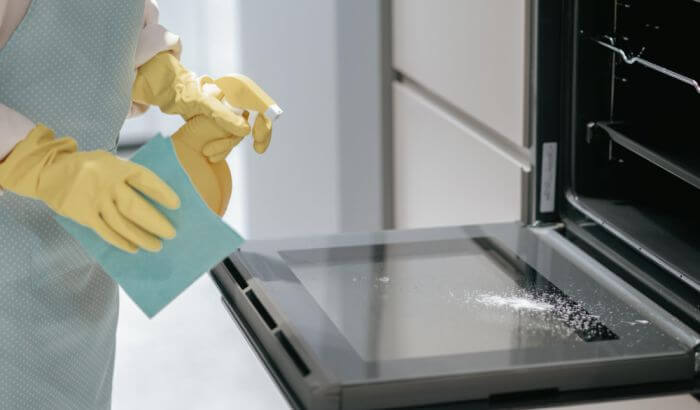
Grease buildup can also affect heating elements and create smoke or smells when the oven is in use. A simple cleaning habit helps. Place a bowl of water with lemon inside the oven, heat it gently, then wipe down the softened grime once it cools. Avoid harsh scraping around heating elements.
If the oven takes too long to preheat or heats unevenly even after cleaning, it may need a professional check.
Clean Dryer Lint After Every Load
Dryers are becoming more common in apartments, townhouses, and Airbnb units, especially where outdoor drying space is limited. But dryers need consistent maintenance.
The lint filter should be cleaned after every load. Not once a week. Not when you remember. Every load.
Lint buildup blocks airflow, makes clothes take longer to dry, increases electricity use, and can become a fire risk. Dusty environments make the problem worse.
If your clothes are still damp after a full drying cycle, check the lint filter and vent hose. A blocked vent forces the dryer to work harder and can damage the heating system over time.
Use Microwaves Properly
Microwaves are easy to overlook because they usually work without much attention. But a few bad habits can shorten their life.
Do not run a microwave empty. Do not put metal inside. Do not ignore sparking. If you see sparks, stop using it immediately. The waveguide cover may be damaged, or there may be food and grease buildup causing arcing.
Keep the inside clean, especially around the side panel. Wipe spills quickly before they harden. Also avoid slamming the door because microwave door switches are small parts that can fail from rough handling.
If the light comes on and the plate spins but the food stays cold, the issue may be internal and should be checked by a technician.
Dishwashers Need Help With Hard Water
Dishwashers are still not in every Kenyan home, but they are becoming more common in apartments, townhouses, Airbnbs, and modern kitchens in areas like Kilimani, Westlands, Runda, and Nyali.
Hard water can leave cloudy marks on glasses and mineral buildup inside the machine. If your model supports dishwasher salt and rinse aid, use them. Clean the filter at the bottom regularly, because food particles can block drainage and cause smells.
Load dishes properly so the spray arms can rotate freely. If you block the spray arms, the machine will run but the dishes will still come out dirty.
A monthly cleaning cycle can help keep the inside fresh and reduce buildup.
Small Habits That Prevent Big Repairs
Some of the best appliance maintenance habits cost nothing.
Level your washing machine so it does not shake and damage the floor or its own parts. Close fridge and microwave doors gently. Wipe grease from cooker knobs before it gets into the controls. Keep the tops of appliances clean so dust does not fall behind them.
Also, read the manual when you can. It may not be exciting, but it tells you the correct load size, cleaning method, filter location, and error code meaning. If you lost the manual, search using the model number.
These small habits may sound basic, but they prevent many common repair calls.
Know When to Call a Professional
Maintenance can prevent many issues, but it cannot fix everything.
If your fridge starts making unusual noises, your washer leaks from underneath, your cooker smells of gas, your oven trips power, or your microwave sparks, stop using the appliance until it is checked.
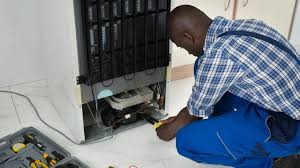
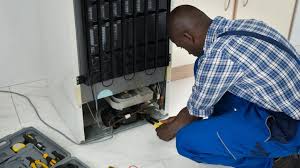
This is where vetted professionals matter. The Real Plug is a useful platform for finding appliance technicians who understand local conditions, from voltage drops and hard water to coastal humidity and dusty estates. That matters because a technician who understands the Kenyan environment can give better advice and more practical repairs.
For landlords, Airbnb hosts, restaurants, laundries, and small businesses, scheduled servicing can be even more important. A check every few months may cost less than an emergency repair, damaged stock, refund, or bad review.
The Real Cost of Ignoring Maintenance
It is easy to postpone maintenance because nothing seems wrong today. The fridge is cooling. The washer is spinning. The cooker is lighting. So you tell yourself you will clean the filter next weekend.
But appliances keep score.
A fridge with dirty coils runs longer. A dryer with lint buildup uses more power. A washing machine with scale heats water slowly. A cooker with blocked burners wastes gas. A weak fridge seal lets warm air in all day.
Over time, that means higher bills and shorter appliance life. A fridge that could have served ten years may start failing in six. A washing machine that needed basic descaling may end up needing expensive parts. A dryer that needed vent cleaning may overheat.
In this economy, replacing appliances early is the real cost.
Keep It Simple and Consistent
You do not need a complicated maintenance calendar. Tie small tasks to things you already do.
Clean fridge coils when you pay rent. Check cooker burners when you refill gas. Clean the washing machine filter when you buy tokens. Wipe fridge seals during your weekly kitchen cleaning. Clean the dryer lint filter after every load.
That is how maintenance becomes normal instead of stressful.
Appliances keep Kenyan homes running. They preserve food in hot weather, clean school uniforms after dusty days, dry clothes when the balcony is too small, and help get dinner ready when everyone is hungry. Treat them like the investments they are.
A little attention today can save you from a breakdown tomorrow.