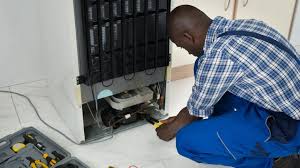


There are few kitchen moments more annoying than opening your fridge and feeling warm air instead of a cold rush. The light is on, so you know power is reaching it. Maybe the motor is humming. Maybe it has gone quiet. Either way, the milk is losing its chill, the vegetables are softening, and the meat in the freezer no longer feels as solid as it should.
In a Kenyan home, a fridge that stops cooling is not a small inconvenience. It can quickly become a food safety issue, especially in hot places like Kisumu, Garissa, Mombasa, or Lodwar. For a small shop, butchery, Airbnb, café, or kiosk, it can also mean real losses.
Before you panic or start checking prices for a new fridge, slow down a little. A fridge that is not cooling can fail for many reasons. Some are simple enough to check yourself. Others need a trained technician with the right tools. The important thing is knowing where to start, when to stop, and how to avoid making the problem worse.
Start With the Simple Checks First
It sounds obvious, but start with power. Kenya’s electricity supply can be unpredictable, and sometimes the problem is not the fridge at all.
If the fridge light is off, test the socket with a phone charger or another small appliance. If that does not work, the socket, extension, fuse, or breaker may be the issue. This is common in homes where power surges, loose sockets, or overloaded extensions are part of daily life.
If the light is on but the fridge is not cooling, then the fault is likely inside the appliance.
Next, look at where the fridge is placed. Many kitchens in apartments and smaller homes have limited space, so the fridge gets pushed tightly against the wall or squeezed between cabinets. That can cause trouble.
Fridges need airflow to release heat. If the back or sides are blocked, heat builds up and the compressor works harder than it should. Pull the fridge slightly away from the wall and leave space around it. If cooling improves after a while, poor ventilation may have been part of the problem.
Also check the thermostat. It may have been turned down accidentally by a child, househelp, guest, or even by items being pushed around inside the fridge. For many models, a mid-range setting is enough. Turning it to the coldest setting does not make it cool faster. It only makes the compressor work harder.
Door Seals Can Quietly Cause Cooling Problems
A weak door seal is one of the easiest problems to miss.
If the rubber gasket around the fridge door is loose, cracked, dirty, or stiff, warm air keeps entering the fridge. The compressor then runs for longer, trying to maintain the right temperature. Over time, this raises power use and wears the fridge down.
You can test the seal with a note or piece of paper. Close the fridge door on it and try to pull it out. If it slides out too easily, the seal may not be tight enough.
This issue is common in coastal areas like Mombasa, Diani, and Malindi, where heat, humidity, and salty air can make seals age faster. In dusty areas like Kitengela, Athi River, and Mlolongo, dirt can also collect around the gasket and weaken the grip.
Wipe the seal with warm water and mild soap. If it is cracked or no longer holding properly, it may need replacing. That is a relatively small repair compared to the cost of a damaged compressor.
Overloading the Fridge Blocks Cold Air
Many Kenyan homes stock up after market day, especially when food prices are good or when there is a busy week ahead. That is practical, but overpacking the fridge can affect cooling.
Cold air needs space to move. If the vents are blocked by containers, sufurias, vegetables, or plastic bags, one section may stay cold while another becomes warm. The fridge may then seem faulty when the real issue is airflow.
Try removing some items and clearing the vents inside the fridge and freezer. Avoid pushing food tightly against the back wall. Give the fridge a few hours to stabilize.
Opening the door too often also matters. Every time the door opens, cold air escapes and warm air enters. In a busy household, this adds up quickly. If people keep opening the fridge while deciding what to cook, the appliance works harder than necessary.
Small habits can make a real difference.
When the Fridge Is Running but Still Not Cooling
If the fridge is humming but the temperature is not dropping, pay attention to the sound and behavior.
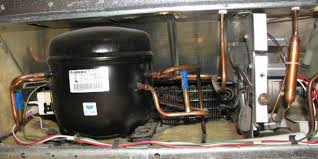
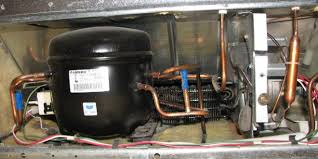
A common cause is dirty condenser coils. These coils are usually at the back or underneath the fridge, and their job is to release heat. In dusty homes, especially near busy roads, construction sites, or open areas, coils can get covered with dust and lint. Once that happens, the fridge struggles to cool properly.
Unplug the fridge, pull it away from the wall, and clean the coils gently with a dry brush or vacuum. Do not use water. If you live in a dusty area, this should be done every few months.
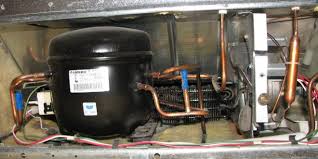
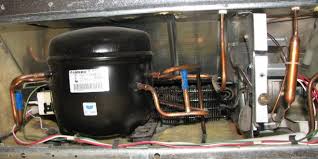
Another sign to listen for is clicking. If you hear a click every few minutes from the back of the fridge, the compressor may be trying to start but failing. This could be caused by a faulty relay or overload protector. It could also point to a more serious compressor problem.
In areas with frequent blackouts or voltage fluctuations, this is a common failure. Power returns suddenly, the compressor tries to restart under pressure, and the relay takes the hit.
A technician can test the relay and compressor properly. If it is only the relay, the repair is usually manageable. If the compressor has failed, the job becomes more expensive and needs proper sealed-system work.
Freezer Cold but Fridge Warm? Airflow May Be the Problem
This problem confuses many people. The freezer seems fine, but the fridge section is warm.
In many frost-free fridges, cold air is produced around the freezer area and then circulated into the fridge compartment by a fan. If that fan stops working, the freezer may remain cold while the fridge section becomes warm.
You may also see frost buildup on the back panel of the freezer. That can point to a defrost problem. If the defrost heater, sensor, or timer fails, ice builds up around the evaporator coils and blocks airflow. The fridge then cannot circulate cold air properly.
You can manually defrost the fridge by unplugging it, removing the food, leaving the doors open, and allowing the ice to melt naturally. But if the same problem returns after a few days, the defrost system likely needs repair.
Do not chip ice away with a knife. One puncture can damage the cooling lines and turn a repairable problem into a major fault.
Water, Frost, and Ice Can Reveal the Fault
Water pooling under the crisper drawers often means the defrost drain is blocked. In a frost-free fridge, melted frost should drain into a pan underneath the appliance. If the drain hole blocks, water collects inside the fridge instead.
Food particles, dust, and mold can all block the drain. You may be able to clear it gently with warm water and a soft cleaning tool. If it keeps blocking, a technician should inspect the drain line properly.
Heavy frost in a no-frost fridge is another warning sign. It usually means the defrost system is not doing its job. Manual defrosting may help temporarily, but it does not solve the failed component.
If the freezer is not freezing and you hear hissing or bubbling, the fridge may have a refrigerant leak. Refrigerant does not get “used up” like fuel. If the level is low, something is leaking.
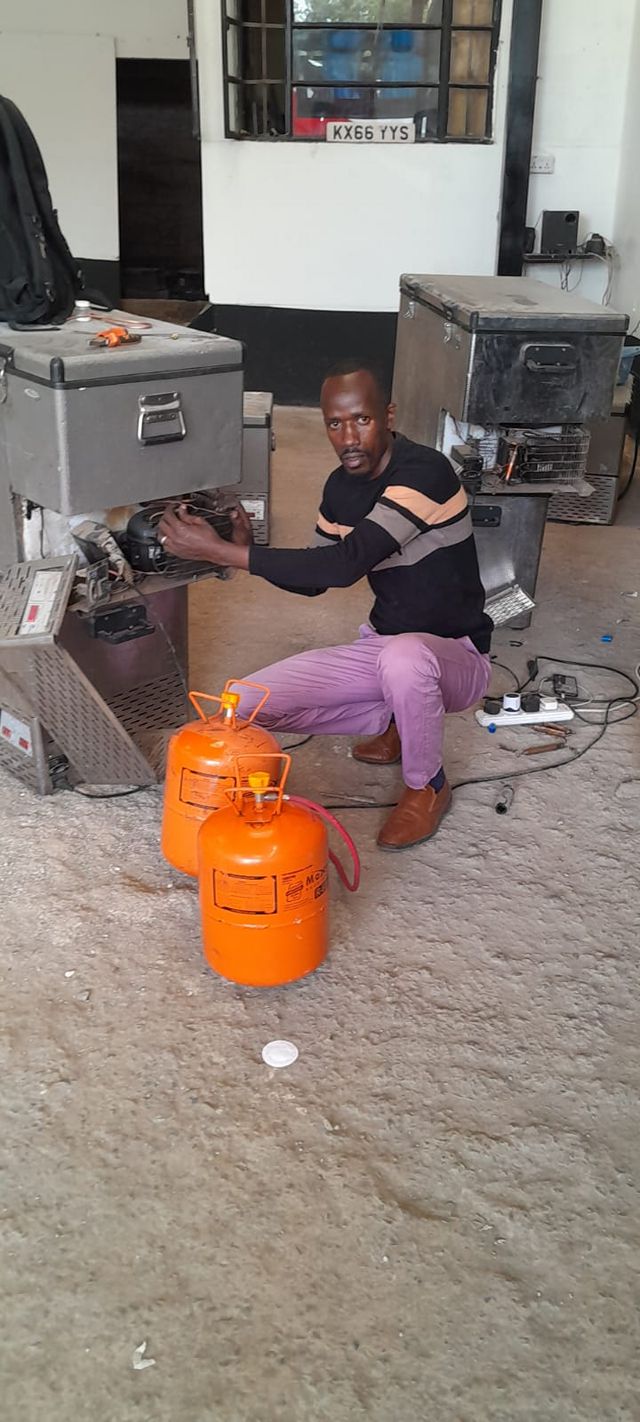
Be careful with quick gas top-ups. If a technician adds gas without finding and sealing the leak, the fridge may cool for a short time and then fail again. A proper repair involves leak testing, sealing, vacuuming, and recharging the system correctly.
Power Problems Can Damage Fridges Quietly
Power surges and voltage drops are tough on fridges. Sometimes the damage happens immediately. Other times, it builds slowly.
A voltage drop can make the compressor struggle to start. A surge can damage the control board. A sudden blackout followed by an immediate return of power can force the compressor to restart under pressure.
If your fridge stopped cooling right after a blackout, suspect an electrical issue. If the display is dead but the socket works, the board may be damaged. If the compressor clicks repeatedly but does not start, the relay or compressor may be affected.
These are not repairs to guess through. A technician needs to test the relay, wiring, board, and compressor windings.
This is also where a fridge guard or voltage protector becomes useful. It delays restart after power returns, giving the compressor time before switching back on. For many Kenyan homes, it is a small investment that can prevent a much larger repair.
What You Can Try Before Calling a Technician
Before calling anyone, there are a few safe checks you can try.
Unplug the fridge for five minutes, then plug it back in. Sometimes the control board needs a simple reset after a power flicker. Make sure the fridge is level because tilted doors may not seal properly. Clean the condenser coils. Check the door seal. Clear blocked vents. Set the thermostat to a reasonable middle setting.
If there is heavy frost, defrost it fully and let the ice melt naturally. Use towels to manage the water. Again, do not use sharp tools.
After doing these checks, give the fridge time. Cooling does not return instantly. If there is no improvement after several hours, the problem is likely deeper.
When to Stop Troubleshooting and Call a Professional
There is a point where DIY checks should stop.
Call a technician if the compressor is hot but silent, the fridge clicks repeatedly without starting, the appliance trips power, there is a chemical smell, the freezer keeps frosting heavily, or the same cooling problem returns after defrosting.
Also call if your fridge needs gas. Refrigerant work requires proper tools and should not be treated like a quick refill.
For businesses, do not wait too long. If you run a butchery, milk shop, café, cake business, grocery store, wines and spirits shop, or Airbnb, a warm fridge can quickly become a loss. In that situation, same-day repair is often worth it.
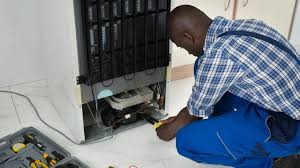
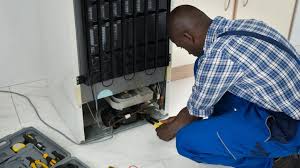
Platforms like The Real Plug can help you find vetted appliance technicians who handle fridge cooling problems, compressor checks, board repairs, and sealed-system work. That matters because a fridge repair needs someone who diagnoses carefully, not someone who simply adds gas and leaves.
How to Choose the Right Fridge Technician
Not every technician should handle fridge cooling faults. Some repairs are simple, but sealed-system work requires skill.
Ask whether the technician checks for leaks before adding gas. Ask if they do pressure testing and vacuuming. Ask whether they carry common parts like relays, thermostats, fan motors, and sensors. If they avoid these questions or say they “just add gas,” keep looking.
Also ask about warranty. A genuine repair should come with some form of workmanship assurance. Keep the job details through a receipt, invoice, M-Pesa message, or WhatsApp note. Something simple like “replaced defrost heater and sensor, 60-day warranty” can help if the fault returns.
Reviews also help. If other customers in your area mention successful fridge cooling repairs, that is a good sign.
How to Keep Your Fridge Cooling Properly After Repair
Once the fridge is working again, protect it.
Use a fridge guard. Clean the coils every few months. Keep the fridge away from direct sunlight and heat sources like cookers. Avoid overloading it. Let hot food cool before placing it inside. Wipe door seals regularly, especially in coastal or dusty areas.
If you run a business or depend heavily on your fridge, consider annual servicing. A technician can check coils, seals, drainage, thermostat behavior, wiring, and refrigerant performance before the fridge fails.
A fridge that is not cooling is stressful, but it is rarely impossible to understand. Start with the simple checks, watch the signs, and know when to call someone qualified.
In Kenya’s heat, a working fridge is not just about convenience. It keeps food safe, protects stock, and keeps daily life moving.