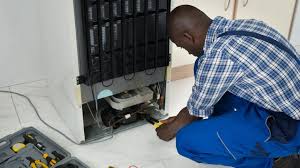


A fridge problem has a way of making the whole house uncomfortable very quickly.
One minute everything is normal. The fridge is humming in the corner, the milk is cold, and the freezer is doing its job. Then you notice the sound is gone. Or the freezer feels soft. Or the fridge is still running, but the soda is warm. If you run a kiosk, butchery, Airbnb, or small café, the worry comes even faster because stock, guests, and daily income may be involved.
In Kenya, fridges work under tough conditions. They run through hot afternoons, dusty kitchens, sudden blackouts, voltage changes, and constant door opening. A family fridge in South B, a freezer in Eldoret, and a display unit in Gikomba may all fail for different reasons, but technicians often see the same faults again and again.
The good thing is that most fridge problems are not mysterious. Once you understand the common signs, you can explain the issue better, avoid unnecessary guesswork, and know when to call a fridge repair technician before the damage gets worse.
When the Fridge Runs but Does Not Cool
This is one of the most common fridge repair complaints in Kenya.
The fridge light is on. You may hear a fan or a low hum. Everything looks like it should be working, but the food is not staying cold. The freezer may also feel weak, or ice cream may start softening.
One possible cause is a faulty relay or overload protector. This small part helps the compressor start. When it fails, the compressor may try to start, click, then stop. You may hear that clicking sound every few minutes.
This often happens after power fluctuations. In areas where electricity goes off and comes back suddenly, the relay and compressor can take a beating.
A technician will usually test the relay with a meter before replacing it. If that is the issue, the repair is often quick and not too expensive compared to bigger fridge faults.
Another common cause is dirty condenser coils. In dusty places like Kitengela, Mlolongo, Athi River, and parts of Nairobi, dust collects behind or underneath the fridge. Once the coils are covered, the fridge struggles to release heat. The compressor runs longer, electricity use rises, and cooling becomes poor.
A good technician will pull the fridge out, clean the coils, check airflow, and test the condenser fan. If the fan has failed, it may need replacement.
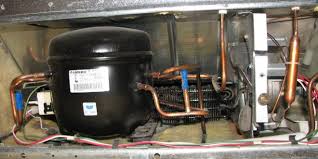
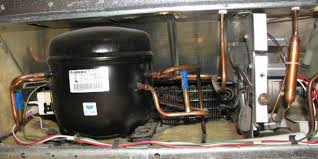
The more serious possibility is compressor failure. If the compressor hums loudly, overheats, or refuses to start even after testing the relay, it may be damaged. Compressor replacement is a bigger job because it involves sealed system work, refrigerant handling, vacuuming, and proper testing.
For an older fridge with rust, weak seals, or several other faults, a technician may advise replacement instead of repair. That may not be what you want to hear, but sometimes it is the honest answer.
When the Freezer Works but the Fridge Section Is Warm
This problem confuses many homeowners. The freezer is cold, but the fridge section cannot keep milk, vegetables, or leftovers fresh.
In many frost-free fridges, cold air moves from the freezer to the fridge through vents. If that airflow is blocked, the freezer may still work while the fridge section becomes warm.
One common cause is ice buildup behind the freezer panel. This may happen when the defrost heater, thermostat, timer, or sensor fails. The evaporator coils freeze over, airflow stops, and the fridge section slowly warms up.
A technician will open the freezer panel, melt the ice safely, and test the defrost components to find out which one failed. Replacing the faulty part usually solves the problem, as long as the diagnosis is correct.
Another possible cause is a failed evaporator fan. This fan pushes cold air from the freezer to the fridge compartment. If it stops working, cold air stays trapped in one area. You may notice the usual gentle fan sound is missing when the fridge door is opened.
Sometimes the issue is simpler than that. Food containers, sufurias, or plastic bags pushed too close to the back wall can block the vent. In small Nairobi kitchens where fridge space is always being maximized, this happens more often than people think.
Before assuming the worst, check whether air vents are blocked. If they are clear and the fridge is still warm, call a technician.
When There Is Water Inside or Under the Fridge
Water under the crisper drawer or a puddle on the kitchen floor can look worrying, but the cause is often manageable.
In many frost-free fridges, melted frost drains through a small channel into a pan under the appliance. From there, it evaporates. If that drain blocks, water has nowhere to go, so it collects inside the fridge or leaks onto the floor.
Food particles, dust, and mineral buildup can block the drain. A technician will clear it using warm water, a soft cleaning tool, or proper flushing. They may also check whether the drain pan is cracked or out of place.
If the fridge has a water dispenser or ice maker, the leak may come from a cracked water line or loose connector. This is more common in newer models, especially in homes with changing water pressure or older tubing.
Door seals can also cause moisture problems. If the rubber gasket is torn, loose, or stiff, warm air enters the fridge. That warm air meets cold surfaces and turns into condensation. You may think the fridge is leaking, but the real issue is poor sealing.
In coastal towns like Mombasa, Malindi, and Diani, seals may wear faster because of heat and salty air. Wiping them regularly and replacing damaged seals can prevent sweating, leaks, and poor cooling.
When the Fridge Starts Making Strange Noises
Fridges are not completely silent, but every household knows its normal fridge sound. When a new noise appears, it is worth paying attention.
A rattling sound may simply mean the fridge is touching the wall, standing unevenly, or has a loose panel at the back. This is usually easy to fix by adjusting the feet, moving the fridge slightly forward, or tightening loose parts.
A clicking sound every few minutes often points to a starting problem. The compressor may be trying to start but failing. This could be caused by a bad relay, overload protector, capacitor, or compressor issue.
A squealing or grinding sound may come from a fan motor. Dust, worn bearings, or corrosion can affect the evaporator or condenser fan. If ignored, poor airflow may lead to cooling problems.
Some sounds are normal. A light gurgling or soft hissing can be refrigerant moving through the system. But a constant hissing sound, especially if cooling has dropped, may suggest a leak.
A professional technician will not just “add gas” and leave. They should check for leaks, repair the leak if possible, pressure test the system, vacuum it properly, and then recharge the refrigerant. Topping up gas without finding the leak usually means the same problem will return.
When the Fridge Trips Power or Refuses to Turn On
If your fridge trips the breaker, unplug it and stop using it until it is checked. A fridge that trips power may have a shorted compressor, faulty defrost heater, damaged wiring, or a failing control board.
Repeatedly resetting the breaker is not a repair. It can make the fault worse and may create a safety risk.
When a fridge is completely dead with no light and no sound, start with the basics. Test the socket using another small appliance. Check whether the plug is loose or damaged. If the socket works, then the fault may be inside the fridge.
Modern fridges, especially models with digital controls, can suffer board damage after power surges. This is common in areas where voltage changes are frequent. Board repair or replacement can be costly, which is why a fridge guard or voltage protector is a smart investment.
A technician will isolate the fault instead of guessing. They may test the power cord, fuse, thermostat, board, relay, and compressor circuit to find the exact problem.
How a Good Fridge Technician Handles the Job
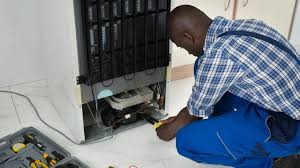
A reliable fridge technician does not start by adding gas or replacing parts randomly. They begin by asking questions.
When did the fridge stop cooling? Was there a blackout recently? Is there a clicking sound? Is the freezer cold? Is there water inside? Has anyone repaired it before?
These questions help narrow down the problem before the fridge is even opened.
After that, they test. They check power supply, thermostat settings, airflow, fan operation, relays, compressor behavior, and defrost components. If sealed system work is needed, they should use the right equipment instead of rushing the job.
A good technician also explains the fault in simple language. You should understand what failed, why it happened, what part is being replaced, and whether there is a warranty on the repair.
For homeowners, landlords, Airbnb hosts, and small businesses, using a platform like The Real Plug can help when choosing a technician. The platform makes it easier to find vetted professionals who handle fridge and freezer repair, compare service providers, and check reviews from other customers before booking. That matters when you need someone reliable, especially during an urgent breakdown.
When Repairing the Fridge May Not Be Worth It
Not every fridge should be repaired.
If the appliance is old, rusted, inefficient, and now needs a major part like a compressor, the repair may not make financial sense. The same applies if several parts are failing at once or if the fridge body no longer seals properly.
A common way to think about it is this: if the repair costs more than half the price of a similar new fridge, and the fridge is already eight to ten years old, replacement may be the better option.
Power use also matters. Older fridges can consume more electricity, especially if the seals are weak or the compressor runs constantly. A newer, energy-efficient model may reduce your token usage over time.
An honest technician should help you weigh the numbers. They should not push a repair just because they want the job.
How to Reduce Future Fridge Repairs
Many fridge problems in Kenya can be reduced with simple habits.
Give the fridge space from the wall so air can move around it. Clean the condenser coils every few months, especially if you live in a dusty area. Use a fridge guard or voltage protector in places with unstable power. Do not overload the door shelves. Avoid putting hot food directly into the fridge because it forces the compressor to work harder.
Check the door seal from time to time. Close the door on a small piece of paper or a note. If it slides out too easily, the seal may be weak.
Also pay attention to early signs. Slow cooling, water leaks, repeated clicking, unusual noise, sweating, or nonstop running should not be ignored. Small faults are usually cheaper to fix than major breakdowns.
For businesses like butcheries, milk shops, restaurants, cafés, and Airbnbs, scheduled fridge servicing is worth considering. A technician can check seals, drains, coils, fans, and electrical connections before the appliance fails during a busy day.
The Bottom Line
A fridge breakdown can feel urgent because it affects food, comfort, and sometimes income. But panic often leads to poor decisions, especially when someone suggests a quick gas refill without proper diagnosis.
Most fridge problems in Kenya have clear causes. Poor cooling, warm fridge sections, leaks, strange noises, tripping power, and dead units can all be diagnosed properly by a trained technician.
The key is knowing what to look for, asking the right questions, and choosing someone who repairs with process, not guesswork.
When your fridge starts acting up, check the simple things first: the socket, the door seal, airflow, and whether vents are blocked. If the problem continues, call a professional before a small fault becomes a compressor problem.
Your fridge works hard every day. A little attention, timely repair, and the right technician can keep it running for years.