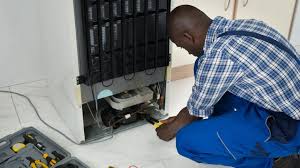


A washing machine stopping mid-cycle is annoying enough. But when it happens with a drum full of soapy water in your Kileleshwa apartment, the first question is not even technical. It is financial.
How much will this cost?
The same thing happens when your fridge in Rongai starts clicking, the freezer feels warm, or the cooker in your rental unit suddenly refuses to light. You may not know what has gone wrong yet, but you already know one thing: someone is about to quote you.
And that is where many Kenyan homeowners, landlords, Airbnb hosts, and small business owners start feeling unsure. Is the technician being fair? Is the part really that expensive? Why did your neighbor pay less for what sounds like the same problem?
Appliance repair pricing in Kenya is not completely random, but it is not fixed either. The final cost depends on the appliance, the fault, the brand, spare parts, location, urgency, and the technician’s skill. Once you understand what affects the price, it becomes much easier to ask the right questions and avoid being overcharged.
Diagnosis Is Part of the Cost
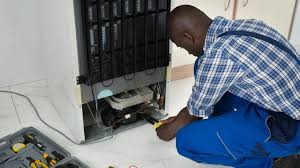
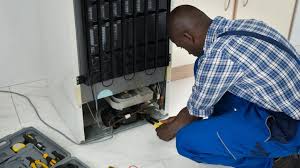
A good repair starts with diagnosis. Before anyone replaces a part, refills gas, opens a control board, or adjusts a gas line, they need to find out what is actually wrong.
Most serious appliance repair technicians in Kenya charge a diagnosis or call-out fee. In Nairobi, this often falls somewhere around Ksh 500 to Ksh 1,500, depending on distance, appliance type, and the technician’s experience. In other towns, it may be slightly lower or higher depending on access and transport.
That fee covers more than just showing up. It covers time, transport, tools, and the technician’s ability to inspect the appliance properly.
The important thing is that the diagnosis fee should be clear before the visit. A reliable technician will tell you upfront. Some may deduct it from the final bill if you proceed with the repair, while others treat it as a separate charge. Either way, there should be no surprise after the appliance has already been opened.
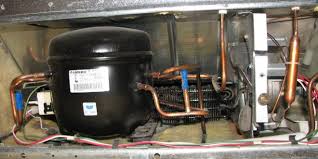
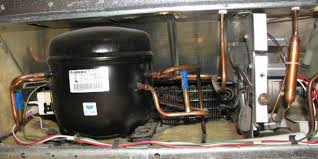
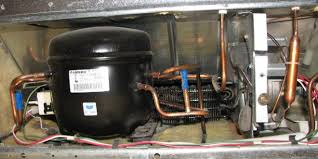
Diagnosis matters because guessing is expensive. A fridge that is not cooling could have a faulty fan, blocked condenser, thermostat issue, refrigerant leak, or compressor problem. Those repairs do not cost the same. Testing first helps you avoid paying for the wrong fix.
Spare Parts Can Change the Price Quickly
Spare parts are usually the biggest reason repair prices vary.
Kenya has a wide spare parts market, especially in Nairobi. Some parts are genuine. Some are compatible but not original. Others are low-quality copies packaged to look convincing. To the average customer, they may all look the same. To the appliance, they are not.
A washing machine pump, cooker igniter, fridge relay, oven element, or microwave switch may have several price options depending on quality and source. A cheaper part may work for a while, but it may also fail sooner. A genuine part may cost more upfront but last longer and protect the appliance better.
This is why you should always ask what kind of part is being used. Is it new or refurbished? Is it original or compatible? Does it come with any warranty? A professional technician should answer these questions without getting defensive.
Sometimes a compatible part makes sense, especially for an older appliance you do not plan to keep for many more years. But for newer machines, premium brands, or major components, paying for the right part can save you from repeat repairs.
Brand and Model Matter More Than People Think
Not all appliances are equal when it comes to repair cost.
Fixing a common microwave brand is usually easier and cheaper than repairing a high-end imported model. Common brands in Kenya often have better parts availability, and many technicians are familiar with them. That usually means faster diagnosis and lower repair cost.
Premium or less common brands can be different. Parts may need to be ordered. The technician may need special tools, extra time, or model-specific knowledge. A control board for a high-end dishwasher or built-in oven will not cost the same as a basic cooker switch.
This does not mean premium appliances are bad. It simply means they need realistic maintenance and repair budgets.
Before a technician starts work, ask whether parts for your model are locally available. If they need to order a part, ask how long it may take and whether the quote includes a return visit for installation and testing.
That one question can prevent confusion later.
Your Location Can Affect the Final Bill
Location affects appliance repair costs in two ways.
The first is transport. A technician based in Embakasi will not charge the same to repair an appliance in Fedha as they would to visit Ruaka, Kiserian, Kitengela, or Karen. Fuel, time, traffic, and parking all add up.
In Nairobi, traffic alone can turn a simple job into a half-day movement. In coastal areas, getting from one side of Mombasa to another may also affect the call-out cost. The same applies to towns where technicians have to travel long distances between clients.
The second factor is local conditions. Appliances in different parts of Kenya face different problems. Homes using borehole water may deal with scale buildup in washing machines and dishwashers. Coastal homes may have corrosion from humidity and salty air. Dusty areas may see clogged fridge coils and dryer vents more often. Areas with power fluctuations may experience more control board failures.
So your location does not only affect transport. It can also affect the kind of repair your appliance needs.
Labour Covers Skill, Time, and Risk
Many people look at labour cost and think, “But the technician only spent 30 minutes here.”
What you are paying for is not just the 30 minutes. You are paying for the experience that allowed them to identify the fault quickly and fix it correctly.
Simple repairs usually cost less. Replacing a microwave turntable motor or cleaning a cooker burner is not the same as repairing a fridge sealed system, replacing a compressor, or diagnosing a washing machine control board.
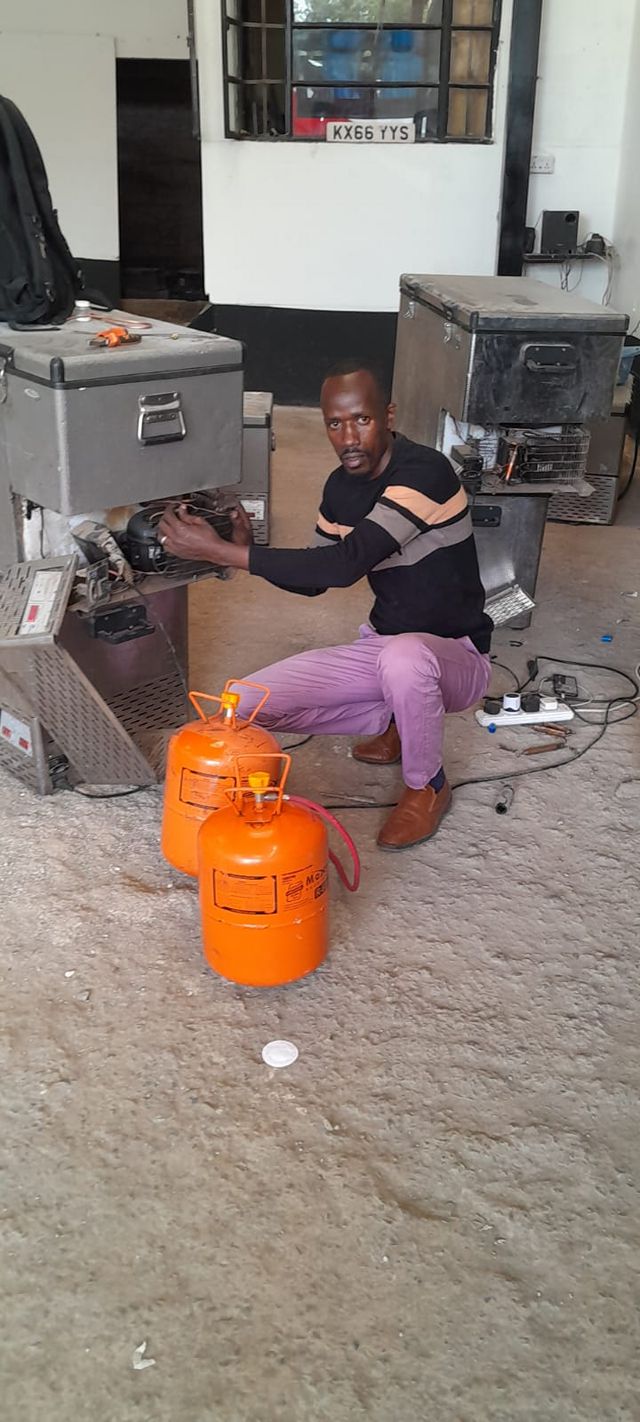
Some jobs also carry more risk. Gas cooker repairs require proper testing because a small leak can be dangerous. Fridge refrigerant work needs the right tools and careful handling. Electrical repairs require safety checks before the appliance is used again.
A fair technician should be able to explain the labour charge. If the job is complex, they should tell you why. If the quote looks unusually high or unusually low, ask for a breakdown before agreeing.
Emergency Repairs Usually Cost More
A freezer full of stock in a butchery cannot always wait until tomorrow. An Airbnb washing machine that breaks before check-in may need attention the same day. A restaurant fridge failing on a weekend is not a small inconvenience.
Emergency appliance repairs usually cost more because the technician has to adjust their schedule, travel quickly, work outside normal hours, or prioritize your job over others.
That extra charge can be fair when the urgency is real. What matters is transparency. Ask what the normal rate would be and what part of the quote is the emergency surcharge.
If the repair is not truly urgent, booking for the next working day may save you money. But if delay means lost stock, unhappy guests, or business disruption, paying for faster service may be worth it.
When Repairing No Longer Makes Sense
Sometimes the best repair decision is not to repair.
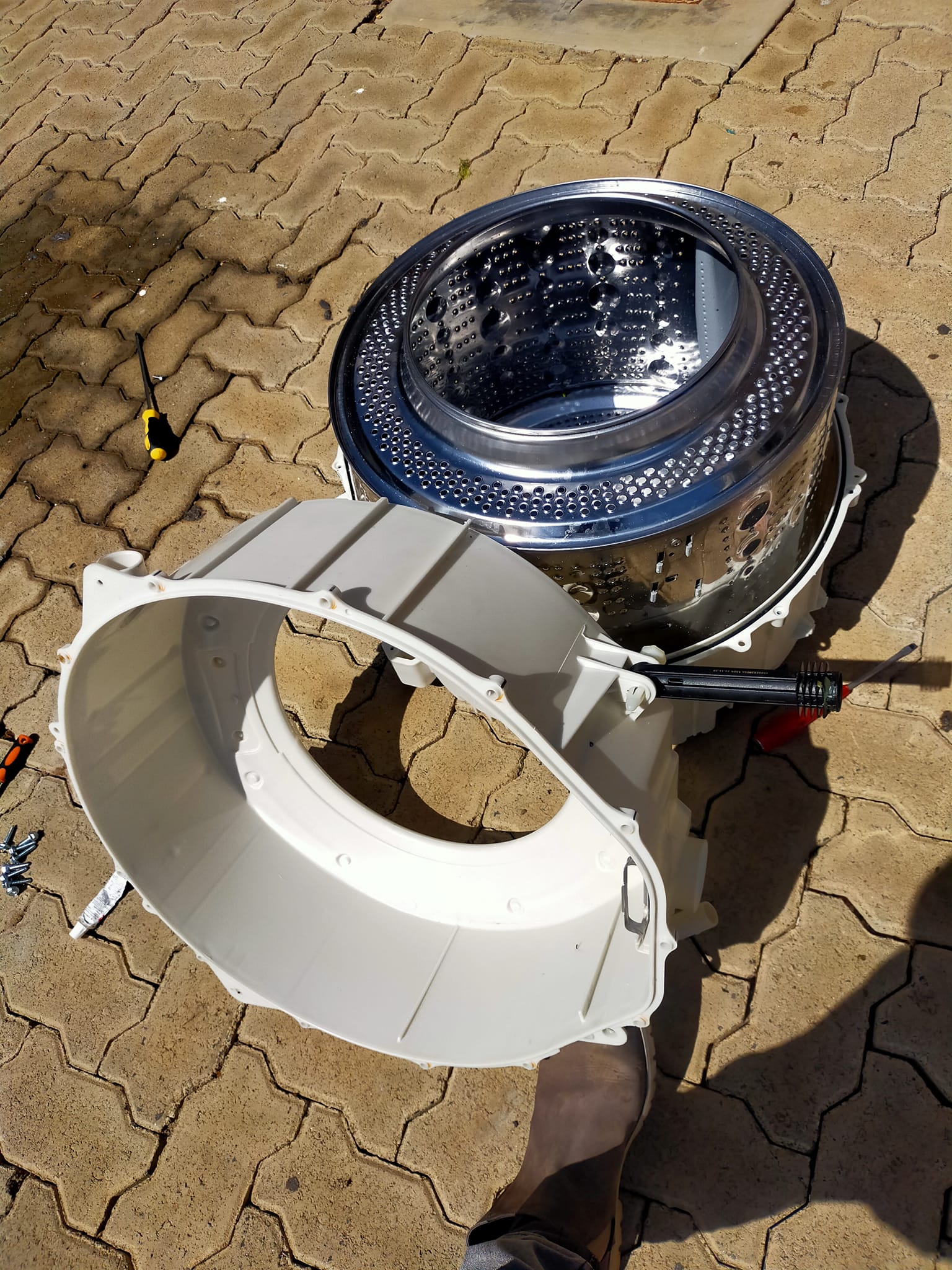
If an old fridge needs a compressor, fan, and thermostat, the total cost may come close to buying a newer, more efficient unit. If a washing machine has a damaged drum, worn bearings, and electrical faults, repairing one part may only delay the next breakdown.
A common rule is to think carefully when the repair cost is more than half the price of a similar new appliance. Age also matters. If the appliance is already seven to ten years old and needs a major part, replacement may be more sensible.
A trustworthy technician should be honest about this. They should not push you to repair a machine that is clearly near the end of its useful life just because they want the job.
For landlords, Airbnb hosts, and business owners, this decision matters even more. A machine that keeps breaking may cost more in complaints, downtime, and repeat visits than it would cost to replace it.
How to Keep Repair Costs Under Control
You cannot prevent every appliance breakdown, but you can reduce unnecessary costs.
Start by describing the problem clearly when calling a technician. Mention the brand, model, error code, sound, smell, or exact behavior. A short video can also help if the fault happens on and off. This helps the technician carry the right tools and possible parts.
Clear the area around the appliance before they arrive. If they spend 20 minutes moving boxes, dishes, or laundry, that time still affects the visit.
For big repairs, get a second quote. This is especially useful for compressor replacement, control board repairs, or expensive imported parts. If two quotes are close, you have a better sense of the real market price. If one is very different, ask why.
Also keep records. Save the M-Pesa message, quote, receipt, warranty note, or WhatsApp job summary. If the same fault returns, you will have proof of what was done.
Platforms like The Real Plug can also help because they connect users with vetted professionals and make it easier to compare service providers before booking. That kind of accountability is useful when you are dealing with repairs that can quickly become expensive.
Cheap Is Not Always Affordable
The cheapest quote is not always the best deal. A Ksh 2,000 repair that fails after one month is more expensive than a Ksh 5,000 repair that lasts three years.
Good appliance repair should solve the actual problem, not just make the appliance work for a few days. It should include proper diagnosis, the right parts, safe handling, and some form of workmanship assurance.
That does not mean you should accept every high quote. It means you should judge value, not just price.
Ask what is included. Ask about the part. Ask about the warranty. Ask whether the repair is worth doing based on the appliance’s age and condition.
A good technician will not mind those questions.
The Real Price Is Peace of Mind
Appliances will break from time to time. That is normal. What should not feel normal is being confused, pressured, or unsure every time a technician gives you a quote.
When you understand what affects appliance repair costs in Kenya, you make better decisions. You know why diagnosis matters. You understand how parts affect pricing. You can factor in brand, location, labour, urgency, and age before agreeing to a repair.
More importantly, you stop guessing.
Whether your fridge fails in Rongai, your washer stops in Kileleshwa, your cooker acts up in Mombasa, or your freezer breaks down in Eldoret, the goal is the same. Find someone who explains clearly, charges fairly, uses the right parts, and stands by their work.
Because the best repair is not the cheapest one. It is the one you only have to pay for once.