

You can tell when a Kenyan home is running smoothly just by the sounds in the background. The fridge hums quietly in the kitchen. The washing machine turns in the laundry area. The gas cooker clicks on early in the morning before tea. The microwave beeps somewhere between breakfast and school runs.
These machines become part of daily life, so much so that we only notice them when something sounds wrong. A fridge starts clicking every few minutes. A washer begins shaking like it wants to leave the house. A cooker flame turns yellow. The microwave runs, but the food comes out cold.
Most appliance breakdowns do not happen suddenly. They build up slowly through dust, hard water, power fluctuations, heavy use, and skipped maintenance. In Kenya, appliances work harder than many people realize. They deal with blackouts, voltage dips, borehole water, coastal humidity, dusty roads, and busy households where machines run almost every day.
Knowing which appliances need regular attention can save you money, stress, and those last-minute emergency repair calls that always seem to happen at the worst time.
Fridges and Freezers Work Harder Than Almost Any Other Appliance
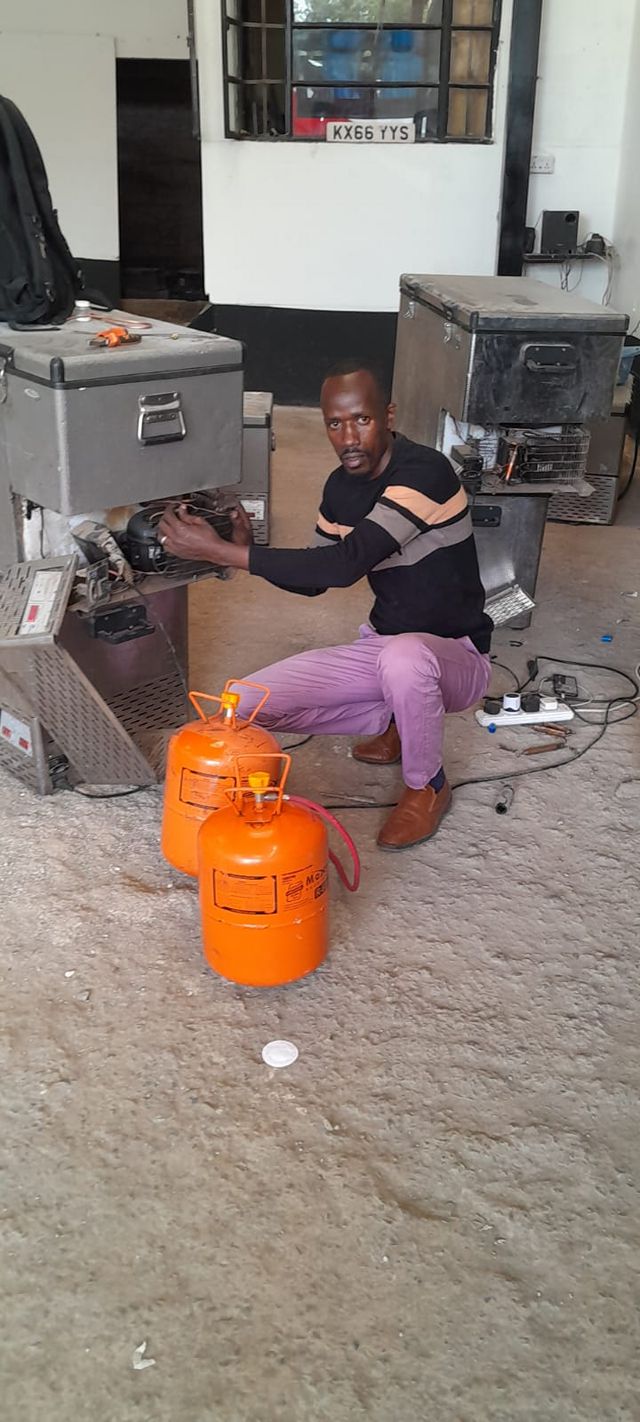
If there is one appliance Kenyan homes cannot afford to ignore, it is the fridge. It runs day and night, through heat, power cuts, and constant door opening. In many homes, it stores everything from milk and vegetables to nyama choma leftovers, school snacks, and frozen meat bought in bulk.
Fridges and freezers are also among the most commonly repaired appliances in Kenya.
One major issue is power fluctuation. In estates where electricity cuts and comes back suddenly, the compressor and control board can take a beating. That quick surge when power returns may look harmless, but over time it can damage expensive parts.
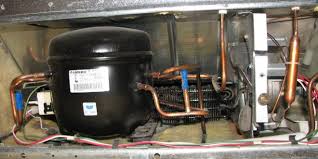
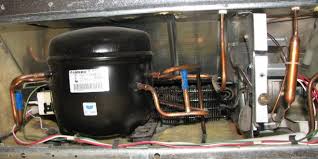
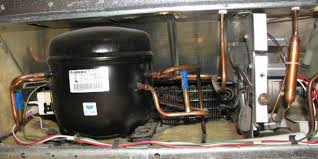
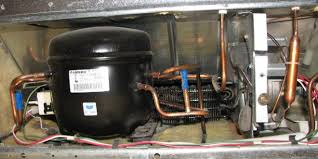
Dust is another problem. In places like Athi River, Kitengela, Mlolongo, and even busy parts of Nairobi, dust settles behind and underneath fridges. When condenser coils get covered, the fridge struggles to release heat. The compressor then runs longer than it should, using more electricity and wearing out faster.
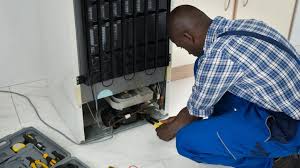
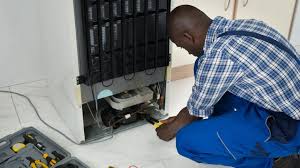
If your fridge is cooling slowly, running nonstop, making clicking sounds, leaking water, or forming too much ice, do not ignore it. These are early warning signs. A small repair today may prevent a costly compressor replacement later.
A simple habit helps: pull the fridge away from the wall every few months and clean the coils gently with a dry brush or vacuum. Also check the door seal. If warm air is leaking in, the fridge will work overtime even if everything else is fine.
Washing Machines Need Protection From Water and Overloading
Washing machines have become common in Kenyan homes, apartments, Airbnbs, and small laundry businesses. They save time, especially in busy households where uniforms, towels, bedding, and work clothes pile up quickly.
But washing machines in Kenya face two big enemies: hard water and overloading.
In areas that rely on borehole water, mineral buildup can clog inlet valves, coat heating elements, and leave residue inside the drum. This often shows up as slow filling, poor washing, bad smells, drainage problems, or error codes.
Cleaning the inlet filters can help. These small filters are usually where the water hoses connect to the machine. They trap grit and dirt, but if they are ignored, water flow becomes weak. Running a cleaning cycle with a proper washing machine descaler also helps reduce buildup.
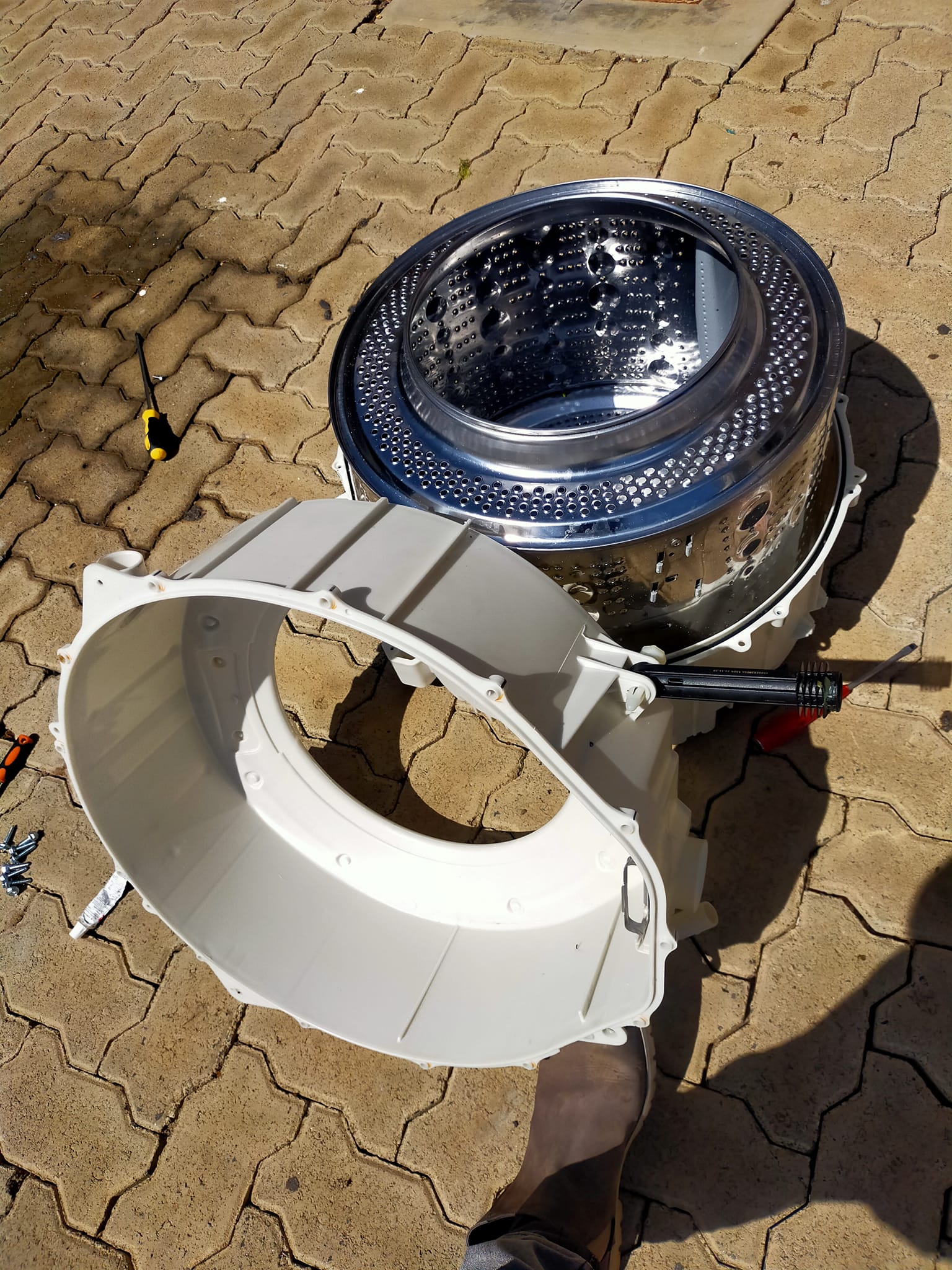
Then there is overloading. Many of us try to finish laundry in one go, especially when water is limited or tokens are low. But forcing too many clothes into the drum strains the motor, bearings, belt, and suspension. That is when the machine starts banging, shaking, or walking across the floor.
If you have to push clothes down hard to close the door, the load is too much. Two smaller loads are usually cheaper than replacing damaged bearings or a drum assembly.
Gas Cookers Need More Attention Than People Give Them
Gas cookers are used daily in many Kenyan homes, from bedsitters in Pipeline to townhouses in Runda. Because they look simple, people often assume they do not need much maintenance. But gas appliances deserve careful attention.
The first thing to watch is the flame. A healthy gas flame should be blue. If it turns yellow or orange, something is not right. Sometimes the burner holes are blocked by food spills, oil, or dust. Other times the issue may be the regulator, hose, or gas pressure.
A yellow flame wastes gas, blackens sufurias, and may point to poor combustion. You can clean burner caps and holes gently, but do not enlarge the holes. If the flame remains yellow after cleaning, call a technician.
Gas smell is another matter entirely. Do not test it with a match. Do not keep cooking and hope it disappears. Turn off the cylinder, open windows, avoid switching electrical items on or off, and get help from someone qualified.
Hoses and regulators do not last forever, especially in hot kitchens. Regular checks can prevent serious safety risks.
Ovens and Built-In Cookers Often Fail Quietly
Electric ovens and built-in cookers are common in modern apartments, Airbnbs, and homes in areas like Kilimani, Westlands, Lavington, Nyali, and Runda. They are convenient, but they also need regular care.
Grease buildup can affect heating elements, fans, and temperature sensors. If your oven takes too long to preheat, cooks unevenly, produces smoke, or trips power when switched on, it may need attention.
Door seals also matter. When heat escapes, the oven uses more electricity and food cooks unevenly. This is why baking may come out wrong even when you followed the recipe properly.
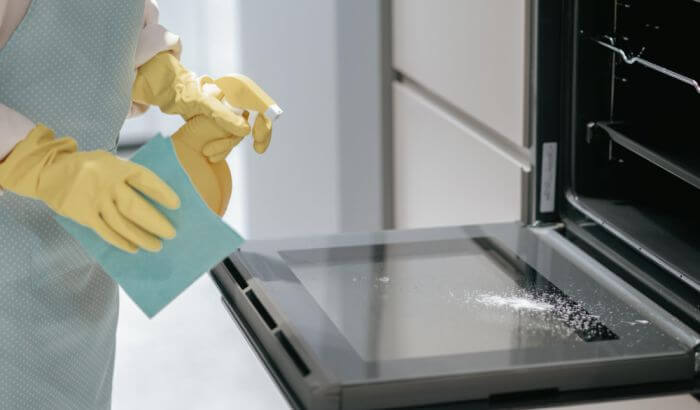
A monthly wipe-down can help prevent heavy buildup. If the oven trips electricity or smells burnt when heating, stop using it and call a technician. Resetting the breaker over and over does not solve the problem. It only gives the fault more chances to get worse.
Microwaves Are Easy to Misuse
Microwaves are one of those appliances people use without thinking much. They warm tea, defrost meat, reheat githeri, soften leftovers, and save time during busy mornings.
But microwaves can fail quickly if used badly.
Running a microwave empty can damage the magnetron, which is the part that produces heat. Putting metal inside can cause sparks. Ignoring food splatters can burn the waveguide cover, the small panel inside the microwave that protects internal parts.
If your microwave sparks, smells burnt, runs without heating, or makes unusual buzzing sounds, stop using it. Some microwave repairs are simple, but opening the casing is not safe for an untrained person because internal components can hold electrical charge even after unplugging.
For microwave maintenance, keep the inside clean, wipe spills immediately, and never use containers that are not microwave-safe.
Dryers Need Regular Lint Cleaning
Dryers are becoming more common in apartments, townhouses, and rental units where outdoor drying space is limited. They are also useful for Airbnbs, laundries, and homes that need quick turnaround for bedding and towels.
The main issue with dryers is lint.
Lint buildup blocks airflow, makes clothes take longer to dry, increases electricity use, and can cause overheating. The lint filter should be cleaned after every load. Not once a week. Not when you remember. Every load.
The vent hose also needs cleaning from time to time. Nairobi dust can mix with lint and block airflow faster than expected. If clothes are still damp after a full cycle, or the dryer feels hotter than usual, the vent may be blocked or the heating element may be struggling.
Dryers also should not be overloaded. Wet towels and heavy bedding can strain the belt, motor, and drum.
Dishwashers Are Growing, and So Are Their Maintenance Needs
Dishwashers are still not as common as fridges or cookers, but they are becoming more visible in Kenyan homes, especially in modern apartments, serviced units, and Airbnb properties.
Their biggest problem is hard water.
Without proper care, glasses come out cloudy, spray arms clog, and the machine starts smelling. If your dishwasher has a salt compartment, use dishwasher salt. Rinse aid also helps reduce water spots and improve drying.
The filter at the bottom should be cleaned regularly because food particles collect there. If you ignore it, the dishwasher may drain poorly or leave dishes dirty even after a full cycle.
Also load it properly. If plates or sufurias block the spray arms, the machine will run, but the water will not reach everything.
Small Appliances Still Need Care
Small appliances may not feel as serious as a fridge or washing machine, but they add up. Kettles, irons, blenders, toasters, and rice cookers fail often in Kenyan homes because of hard water, power surges, and heavy use.
Kettles scale quickly, especially where water is hard. Descaling once in a while helps them boil faster and last longer. Steam irons can clog if mineral deposits build up in the vents. Blenders burn out when forced to crush hard foods without enough liquid or when run continuously for too long.
If a blender starts smelling burnt, stop and let it cool. That smell usually means the motor is overheating. Pushing it further may finish it completely.
A small surge protector for kitchen appliances can also help, especially in areas with frequent voltage changes.
Why Appliances Break Down Faster in Kenya
Many appliance problems in Kenya come down to environment and usage.
Power is not always stable. Water is often hard. Dust gets everywhere. Coastal humidity corrodes metal parts. Households are busy. Machines are shared, overloaded, moved around, or used more heavily than expected.
A washing machine in a family of five may do several loads a week. A fridge in a small shop may be opened dozens of times a day. A cooker in a busy household may run from morning tea to late supper.
These appliances are not weak. They are simply working under tough conditions.
That is why maintenance matters. Waiting until something stops completely usually costs more than dealing with small signs early.
When to Call a Technician
Some maintenance tasks are easy to do yourself. You can clean fridge coils, wipe cooker burners, clear lint filters, descale kettles, and check washing machine filters.
But some signs need professional help.
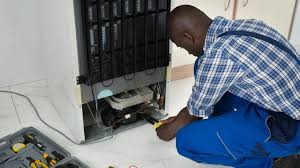
Call a technician if your fridge keeps clicking, your washer leaks from underneath, your cooker smells of gas, your oven trips power, your dryer overheats, or your microwave sparks. These are not problems to experiment with.
This is where The Real Plug can be helpful for homeowners, landlords, businesses, and Airbnb hosts looking for vetted professionals. A technician who understands local appliance issues can diagnose faster and advise whether the repair is worth doing or whether replacement makes more sense.
Build a Simple Maintenance Routine
You do not need a complicated calendar to keep appliances in good shape. Tie maintenance to things you already do.
Clean fridge coils when you pay rent. Check cooker burners when you refill gas. Clean washer filters when you buy tokens. Wipe microwave spills immediately after use. Clean dryer lint after every load. Descale kettles and washers regularly if you use hard water.
Small habits reduce big repairs.
Appliances are not lifetime purchases, but they should last. A good fridge, cooker, washer, or dryer should serve you for years if it is used well and maintained consistently. Pay attention to unusual sounds, smells, leaks, sparks, slow cooling, poor draining, and changes in performance.
The earlier you act, the cheaper the solution usually is.