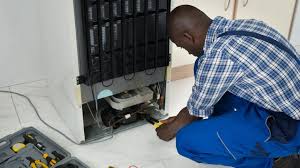


When a fridge stops cooling, most Kenyans jump to one conclusion: gas imeisha.
It is an understandable guess. You open the fridge in your Imara Daima apartment and warm air hits your face. The light is on. The motor may even be humming. But the milk is no longer cold, and the freezer in your Roysambu home is starting to feel more like a cabinet than a freezer.
At that point, panic sets in quickly, especially if there is meat, milk, vegetables, or business stock inside.
But here is the thing: not every fridge that stops cooling needs a gas refill. Sometimes the issue is a faulty fan, dirty coils, a bad thermostat, a weak relay, or poor airflow. Paying for refrigerant when the real fault is somewhere else is frustrating. The fridge may work for a short time, then fail again, leaving you with wasted food and less money.
A proper fridge gas refill in Kenya should not be guesswork. It should involve diagnosis, leak detection, repair, vacuuming, and the correct refrigerant. Knowing the signs helps you avoid shortcuts and choose a technician who actually fixes the problem.
Your Fridge Does Not Use Gas Like a Cooker
This is the part many people misunderstand.
A gas cooker uses LPG from a cylinder, and eventually the gas runs out. You refill or replace the cylinder, and life continues. A fridge works differently.
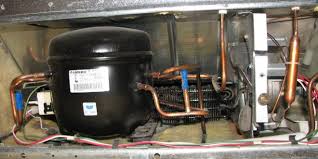
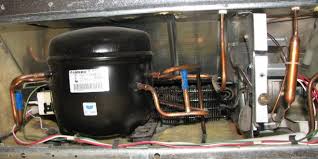
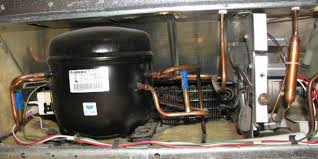
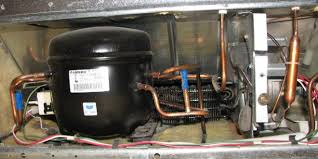
Your refrigerator uses refrigerant gas inside a sealed system. That gas moves around the system, helping absorb heat from inside the fridge and release it outside. Under normal conditions, it does not get used up. It does not finish like cooking gas.
So if your fridge is low on refrigerant, there is usually a leak somewhere.
The leak may be tiny. It could come from a cracked joint, corrosion on the tubing, a pinhole in the evaporator, poor previous repair work, or damage caused when someone tried to remove ice with a knife. In coastal areas like Mombasa, Nyali, Malindi, and Diani, salt air can speed up corrosion. In busy homes where fridges are moved around often, vibration can also weaken joints over time.
This is why a quick “top-up” is rarely enough. If the leak is not found and repaired, the new gas will escape again. You may enjoy cold drinks for a few days or weeks, then the fridge goes warm once more.
The Real Signs Your Fridge May Be Low on Refrigerant
A fridge that needs refrigerant service usually shows a few clear signs.
One common sign is a fridge that runs for long periods but still does not get cold enough. The compressor keeps working because it is trying to move refrigerant through the system, but there is not enough gas to do the job properly. You may hear the fridge humming almost nonstop, yet the inside remains warm.
Another sign is uneven frost. You may notice ice forming in one small area, often near where the refrigerant enters the evaporator, while the rest of the coil or freezer area stays warm or wet. That pattern can point to low refrigerant or restricted flow.
Oil stains can also be a clue. Refrigerant often carries a small amount of compressor oil. When there is a leak, oily residue may appear around joints, bends, or tubing at the back of the fridge. Dust may stick to that oily area, making it easier to notice.
A fridge that was working well, then suddenly stopped cooling after being moved, tilted, or repaired, may also have developed a leak. Sometimes a weak joint cracks during movement. Sometimes a previous repair was not sealed properly.
These signs do not prove the fridge needs gas by themselves, but they are strong reasons to call a technician who can test the system properly.
Problems That Look Like Low Gas but Are Not
This is where many homeowners lose money.
A warm fridge does not automatically mean low refrigerant. Several other problems can create the same symptom.
Dirty condenser coils are very common in dusty areas like Athi River, Kitengela, Mlolongo, and parts of Nairobi. When coils are covered in dust, the fridge cannot release heat properly. Cooling becomes weak, and the compressor works harder. The fix may simply be cleaning, not gas.
Poor airflow can also cause cooling trouble. If the fridge is pushed tightly against the wall or squeezed between cabinets, heat builds up around it. The compressor overheats and struggles to cool. Moving the fridge slightly away from the wall can sometimes make a noticeable difference.
A faulty evaporator fan is another possibility. In many fridges, this fan moves cold air from the freezer section into the fridge compartment. If the fan stops working, the freezer may remain cold while the fridge section becomes warm. That is a fan issue, not a gas issue.
A bad thermostat or temperature sensor can also mislead the system. If the fridge thinks it is already cold, it may not run the compressor properly. Again, no amount of gas will fix that.
There can also be a blockage in the capillary tube or filter drier. In that case, the system may have refrigerant, but it cannot circulate correctly. The repair may require flushing, replacing the drier, vacuuming, and recharging the system properly.
Power problems are another big one. In areas with voltage drops or frequent blackouts, the compressor may click, struggle to start, or fail to run. That can look like a cooling problem, but the cause may be electrical.
This is why proper diagnosis matters before any gas refill.
What a Proper Fridge Gas Refill Should Include
A serious technician should not simply connect a cylinder, add gas, and leave.
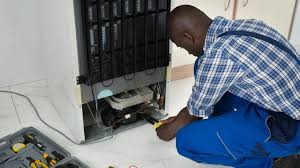
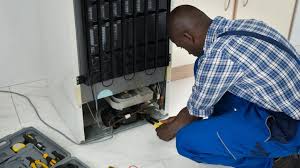
A proper refrigerant service starts with confirming that low gas is actually the problem. The technician should check basic cooling components, airflow, fan operation, thermostat behavior, and compressor performance.
If low refrigerant is suspected, they should look for the leak. This may involve pressure testing with nitrogen, checking joints, using soapy water to detect bubbles, or using leak detection tools. The goal is to find where the refrigerant escaped.
Once the leak is found, it should be repaired. Depending on the location, this may involve brazing a joint, replacing a damaged section of tubing, or fixing a weak connection.
After that, the system should be vacuumed. This step removes air and moisture from inside the system. Moisture is a serious problem because it can freeze inside tiny tubes and block refrigerant flow later. Skipping the vacuuming step is one reason many gas refill jobs fail after a short time.
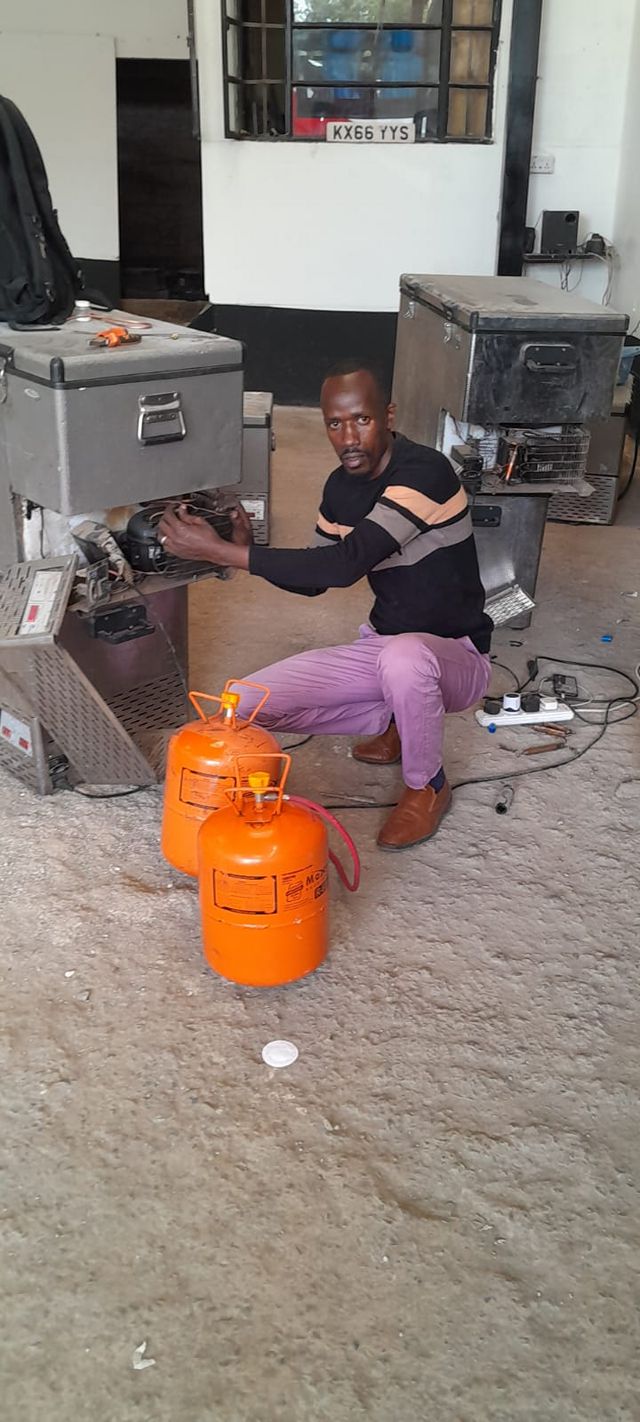
Then the technician should refill the fridge with the correct refrigerant. Most fridges have the refrigerant type written on the compressor label or rating plate inside the fridge. Common refrigerants include R134a and R600a, depending on the model.
The amount matters too. Refrigerant should be measured correctly. Too little gas causes poor cooling. Too much gas can damage the compressor. Guesswork is not good enough.
Finally, the technician should test the fridge after refilling. They should check pressures, listen to the compressor, monitor cooling, and confirm that the freezer and fridge sections are responding properly.
A proper gas refill takes time. If someone completes the whole job in a few minutes without testing or leak repair, be cautious.
How Much Does Fridge Gas Refill Cost in Kenya?
The cost of fridge gas refill in Kenya depends on the fridge size, refrigerant type, location, leak repair, and technician experience.
A small single-door fridge will usually cost less to service than a double-door, side-by-side, or commercial unit. A simple accessible leak is also cheaper to fix than a hidden leak inside the evaporator or cabinet.
Prices also vary by town and travel distance. Nairobi may have more technicians and spare part access, while some areas may include higher transport costs.
When asking for a quote, do not only ask, “How much is gas?” Ask what the price includes.
A proper quote should mention diagnosis, leak testing, leak repair where needed, vacuuming, refrigerant refill, and testing. If the price only covers “top-up,” you may be paying for a temporary fix.
Cheaper is not always cheaper if you have to repeat the same refill every month.
Questions to Ask Before Booking a Technician
Before you agree to a fridge gas refill, ask a few direct questions.
Ask whether they check for leaks before refilling. Ask whether they vacuum the system. Ask what refrigerant your fridge uses. Ask whether they give a warranty on the repair. Ask whether the quote includes leak repair or only gas top-up.
A good technician will not be annoyed by these questions. They will explain the process clearly.
You should also share useful details before they arrive. Tell them the brand and model, how long the fridge has had the problem, whether it was moved recently, whether it makes clicking sounds, whether the freezer is partly cold, and whether you see frost or oil stains.
A photo of the fridge rating plate can help them know the refrigerant type before coming.
The Real Plug can be useful when looking for vetted fridge repair professionals who handle refrigerant service, leak detection, and compressor-related work. Reviews from other customers can also help you avoid technicians who only do quick top-ups without solving the real issue.
How to Avoid Needing Another Gas Refill Soon
If your fridge loses refrigerant once, preventing repeat leaks matters.
Do not chip ice with a knife or screwdriver. This is one of the easiest ways to puncture an evaporator line. If there is ice buildup, switch off the fridge and let it defrost naturally.
Keep the fridge level so vibration does not strain the pipes and joints. If the fridge has been transported while lying down, let it stand upright for several hours before switching it on.
Clean the condenser coils regularly so the compressor does not overheat. Leave enough space behind the fridge for airflow. Use a fridge guard or voltage protector, especially in areas with unstable power.
In coastal homes, wipe exposed metal areas and seals regularly to reduce the effect of salt and humidity. If the fridge is old and rusting, have a technician inspect it before spending heavily on refrigerant work.
Good maintenance will not prevent every leak, but it reduces unnecessary strain on the system.
When a Gas Refill May Not Be Worth It
Sometimes refilling gas is not the best decision.
If the fridge is old, badly rusted, has a hidden internal leak, or needs a compressor replacement on top of refrigerant work, repair costs can rise quickly. In that case, replacement may be more sensible.
A technician should be honest about this. If the fridge will only work for a short time after an expensive repair, you deserve to know before paying.
For newer fridges or units in good condition, proper leak repair and refrigerant service can restore cooling and extend the appliance’s life. For very old or damaged units, repeated gas refills may become a money pit.
Cold Food Should Not Be a Gamble
A fridge without proper refrigerant cannot do its job. But a fridge that keeps losing gas because of poor repair is even worse. It wastes money, spoils food, and keeps you calling technicians every few weeks.
When your fridge stops cooling, do not assume gas is the problem immediately. Check the simple things first: power, airflow, coils, thermostat, door seal, and fan behavior. If the signs point to low refrigerant, choose a technician who tests, finds the leak, repairs it, vacuums the system, and refills with the correct gas.
That is the difference between a quick top-up and a proper fridge gas refill.
In Kenya, where food is expensive and power issues are real, a working fridge matters. Getting it fixed properly should not depend on luck. It should come down to the right diagnosis, the right tools, and a technician who respects both your appliance and your money.