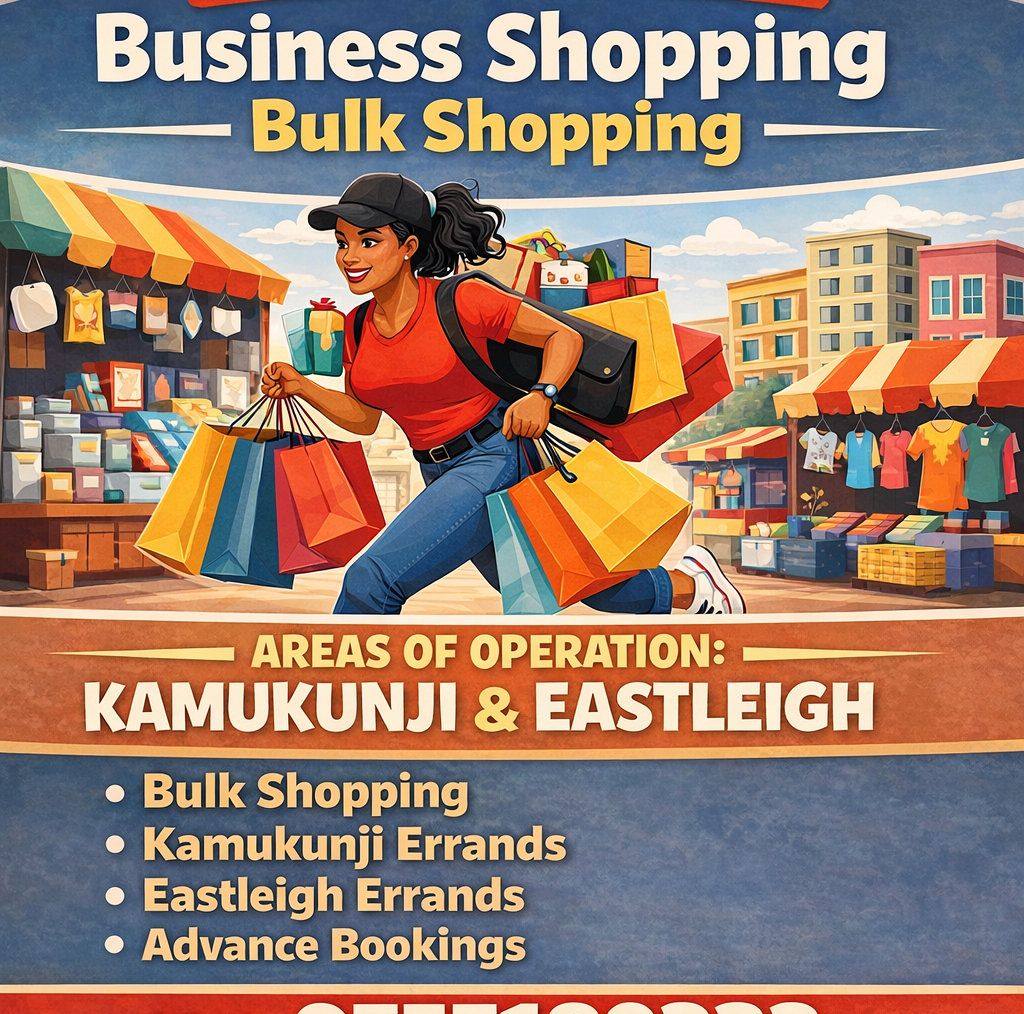


Kamukunji has a reputation that travels far beyond Nairobi. Ask anyone who has stocked a small shop, furnished a bedsitter, bought kitchenware in bulk, or looked for affordable curtains, and the name will come up sooner or later. It is one of those markets where you can find almost anything if you know where to look, from sufurias and basins to baby clothes, bedding, fabrics, bags, shoes, and household items.
But there is one obvious problem. Not everyone can travel to Nairobi just to shop.
If you are in Kisumu, Eldoret, Mombasa, Nakuru, Garissa, Bungoma, or even outside Kenya, making a physical trip to Kamukunji can be expensive and tiring. By the time you pay fare, take time off work, move around town, eat, maybe sleep over, and finally ship your goods, the savings can start shrinking.
The good thing is that buying from Kamukunji without traveling to Nairobi is now very possible. Many traders, business owners, and resellers already do it through trusted runners, WhatsApp, mobile money, and courier services. The trick is knowing how to do it safely.
Why Kamukunji Is Still Popular for Wholesale Buying
Kamukunji remains one of Nairobi’s most important wholesale markets because of variety and pricing. Many goods sold in shops across Kenya pass through Nairobi wholesale markets first, and Kamukunji is a major stop for household items, textiles, kitchenware, bedding, baby products, and business stock.
For a shop owner outside Nairobi, buying closer to the source can make a real difference. Even a small saving per item adds up when you are buying in bulk. That margin can help you price better, restock faster, or make more profit without overcharging your customers.
It is not only business owners who benefit. Someone furnishing a new house in Kisii or setting up an Airbnb in Naivasha may also find better deals by sourcing directly from Kamukunji instead of buying from the last retailer in the chain.
Still, the market can be overwhelming. Kamukunji is busy, crowded, and not always easy for a first-time buyer to navigate. That is why remote buying has become a practical option.
Start by Knowing Exactly What You Want
Remote shopping from Kamukunji works best when your instructions are clear. If you tell someone, “Buy nice bedsheets,” you may not like what they choose. What looks nice to the runner may not match your customers, your budget, or your taste.
Before sending anyone to the market, write down the exact items you need. Include sizes, colours, quantities, quality level, preferred brands, and your maximum budget. Photos help a lot. If you have bought the item before, send a picture of the old stock and explain what you want repeated or changed.
For example, instead of saying, “Buy baby blankets,” say, “Buy 12 heavy fleece baby blankets, assorted neutral colours, no bright pink, similar to the attached photo, maximum KSh 400 each.” That kind of instruction reduces mistakes.
It also helps to check your local market first. Look at what sells quickly in your area. Are customers asking for plain colours, floral designs, heavy fabric, plastic household items, stainless steel sufurias, or affordable baby clothes? Once you know what your customers actually want, sourcing from Kamukunji becomes easier.
Use a Trusted Runner or Errand Service
Your runner is the most important part of the process. This is the person who will move around the market, compare prices, check quality, bargain, buy, pack, and send your goods. Choose badly, and the whole process becomes stressful.
Some people use relatives or friends in Nairobi. That can work, especially if the person knows Kamukunji and has time. The challenge is that not every friend or cousin understands quality, wholesale pricing, or how to negotiate. They may also get tired halfway, especially if the order is detailed.
Others use informal runners from Facebook groups, TikTok, or WhatsApp. Some are honest and hardworking, but you need to be careful. Start with a small order first. Ask for a video call from the market. Request photos before payment. Do not send large amounts of money to someone you have not tested.
Professional errand services are often better for regular buyers. A good runner knows the stalls, understands how to compare products, and can handle packaging and delivery properly. For people who do not have a trusted person already, The Real Plug can be useful because it connects users with vetted professionals, including people who can assist with errands and sourcing in Nairobi. That gives you more confidence than dealing with a random number from an online comment section.
How Remote Buying From Kamukunji Usually Works
The process is simple when everyone communicates well.
First, you send your shopping list through WhatsApp. Include photos, quantities, budget, and any important details. A good runner will confirm what they understand before going to the market.
Next, the runner visits different stalls and sends you photos or short videos of the available options. This part matters because it lets you compare colour, size, quality, and price before money changes hands. For fabrics or bedding, ask for close-up videos. For kitchenware, ask the runner to show thickness, labels, sizes, and packaging.
Once you approve the items, you send the money through M-Pesa or bank transfer. The runner buys the goods, confirms with receipts where possible, and sends photos of everything before packing.
After that, the goods are dispatched through a courier, bus parcel service, or logistics company. Common options depend on your town, parcel size, urgency, and budget. The runner should send you the waybill, receipt, tracking number, or bus details immediately.
In many cases, goods bought in the morning can be dispatched the same day. For towns along busy routes such as Nairobi to Mombasa, Kisumu, Eldoret, Nakuru, or Kisii, delivery can often happen overnight or the following day, depending on the courier.
How Much Does It Cost to Buy Remotely?
Costs vary depending on what you are buying, how much time the runner spends, and where the goods are going. A simple errand may cost less, while bulk sourcing across several stalls will cost more.
A basic Kamukunji runner fee may range from around KSh 500 to KSh 1,500 for a small order. Larger or more complicated sourcing can cost KSh 1,000 to KSh 3,000 or more, especially if the runner spends several hours comparing prices and checking quality.
Packaging may cost extra, especially for fragile items like glassware, ceramics, or large kitchenware. Shipping also depends on distance, weight, and the courier used. A small parcel may be affordable, while bulky household goods will naturally cost more.
Even with these costs, remote buying can still be cheaper than traveling to Nairobi. When you add fare, food, time away from your business, and the stress of moving around the market, paying a reliable runner often makes sense.
How to Avoid Scams and Costly Mistakes
Remote buying works, but it needs caution. Kamukunji deals are real, but so are fake runners and careless middlemen.
Be careful with prices that sound too good. If an item normally sells wholesale at KSh 600 and someone claims they can get it for KSh 250, pause. It may be poor quality, damaged stock, or bait to get you to send money quickly.
Always ask for proof that the person is actually in the market. A genuine runner should be able to send live photos, short videos, or even do a quick video call. If they keep avoiding this, do not rush to pay.
Avoid sending large amounts on the first order. Start small, test the service, and build trust gradually. Keep all conversations on WhatsApp or another written platform so you have a record of prices, instructions, and approvals.
Before dispatch, ask for photos of the packed goods and the parcel label with your name and destination. It may sound simple, but it prevents confusion and gives you proof that your items were actually prepared for shipping.
Quality Control When You Are Not There
The biggest worry for most remote buyers is quality. You may fear receiving thin fabric, wrong colours, damaged items, or completely different products from what you ordered.
To reduce this risk, be specific. Ask for close-up photos, videos in natural light, measurements, labels, and brand names. For bedding and clothing, request a video showing texture and thickness. For sufurias or kitchenware, ask the runner to show the gauge, size, handle quality, and any branding.
Do not buy a large quantity of a new item before testing it. Order a small batch first. Once you confirm that the quality sells well in your town, you can increase the quantity next time.
Over time, your runner will learn your preferences. They will know which stall sells the bedding your customers like, which supplier has stronger kitchenware, and which items to avoid. That relationship is where remote buying becomes smoother.
Build Relationships With Suppliers
Once you find good suppliers in Kamukunji, do not treat every order like a fresh search. Ask the runner to collect business cards or WhatsApp numbers from reliable traders. Many wholesalers now use WhatsApp Business and can send photos of new stock, prices, and availability.
This can save time. Instead of sending a runner to compare ten stalls every time, you can first contact the supplier, confirm what is available, agree on the price, and then send the runner only to inspect, pay, collect, and dispatch.
Good relationships also help with trust. Suppliers may alert you when new stock arrives, reserve items for you, or give you better prices after several successful purchases.
Final Thoughts
Buying from Kamukunji without traveling to Nairobi is no longer a strange idea. It is how many small businesses across Kenya now restock. With a clear list, a trusted runner, proper communication, and reliable delivery, you can access Kamukunji prices without spending a full day or more on the road.
The most important thing is to move carefully. Start small, confirm everything, keep records, and work with people who are accountable. Whether you use a relative, a professional runner, or a vetted service provider, the goal is simple: get the right goods at the right price without unnecessary stress.
Your customers do not need to know whether you personally walked through Kamukunji. They only care that your stock is good, your prices make sense, and you deliver what they need.