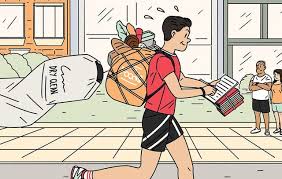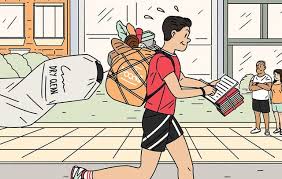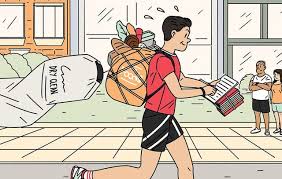


Spend a day moving around Nairobi and you'll quickly understand why errand running services are growing. What looks like a simple task on paper can easily take half a day once traffic, queues, parking, and unexpected delays enter the picture.
A quick stop at Huduma Centre turns into a two-hour wait. A supplier visit across town becomes an afternoon project. A school call in the middle of a workday forces you to reshuffle your entire schedule.
That’s why errand runners are no longer viewed as a luxury service. Across Kenya, more people are using them as a practical way to stay productive, manage responsibilities, and avoid spending valuable hours on tasks someone else can handle.
The interesting part is that there isn’t one typical client. The people who benefit most come from very different backgrounds, but they all face the same challenge: there simply isn’t enough time to do everything themselves.
Small Business Owners Who Cannot Afford to Step Away
If there is one group that consistently relies on errand runners, it’s small business owners.
Whether it's a boutique in Kilimani, a hardware shop in Kitengela, a salon in Nakuru, or an electronics store in Nairobi CBD, many businesses depend heavily on the owner's presence. The person serving customers is often the same person managing suppliers, handling payments, tracking stock, and solving daily problems.
Leaving the business for a few hours can mean missed sales and frustrated customers.
Imagine running a shop and needing to collect inventory from Eastleigh, submit documents at City Hall, or make a bank deposit before closing time. Closing your doors for several hours may cost more than hiring someone to complete the errand.
This is why many entrepreneurs use runners for stock collection, supplier visits, permit applications, document deliveries, banking tasks, and market sourcing. Instead of spending the day on the road, they stay focused on serving customers and growing the business.
Parents Balancing Work and Family Life
Modern parenting comes with a long list of responsibilities, many of which appear unexpectedly.
A child forgets a project at home. A school requests a signed form before the end of the day. A sports kit is missing. The school nurse calls because someone feels unwell.
For parents already juggling work commitments, these situations can be difficult to manage.
Many working parents now rely on trusted errand runners to deliver forgotten school items, collect documents, purchase emergency supplies, or handle time-sensitive school-related tasks.
The goal is not to avoid responsibility. It's simply a way to manage competing priorities without disrupting an entire workday.
For families with children in boarding schools, the need can be even greater. Delivering books, supplies, personal items, or urgent documents often requires coordination that isn't always possible in person.
Kenyans Living Abroad
Diaspora Kenyans face a unique challenge. Life continues back home even when they are thousands of kilometres away.
Property needs maintenance. Bills require payment. Documents need collection. Family members occasionally require assistance. Government paperwork still demands attention.
Many people living abroad depend on trusted contacts to help manage these responsibilities locally.
Errand runners often become the bridge between overseas property owners and their investments in Kenya. They conduct inspections, coordinate repairs, pay bills, deliver documents, supervise service providers, and provide updates when needed.
Trust is especially important in these situations. This is why many diaspora clients prefer working through trusted referrals or platforms such as The Real Plug, which connects users with vetted professionals. Having access to verified service providers helps reduce uncertainty when managing responsibilities remotely.
Busy Professionals and Corporate Employees
Professionals working in offices often face a different challenge. Their schedules leave very little room for personal errands.
Someone working in Upper Hill, Westlands, or Nairobi CBD may spend most of the day in meetings, handling clients, or managing projects. Taking several hours off to collect documents, visit government offices, or run personal errands simply isn't practical.
As a result, many professionals outsource these tasks.
Lawyers regularly use runners for document filing and court-related deliveries. Consultants rely on them for contract submissions and collections. Sales professionals use them to move samples, collect materials, and support client meetings.
The benefit is straightforward: professionals can remain focused on their primary responsibilities while important errands continue moving in the background.
Landlords and Property Owners
Owning rental property is often described as passive income, but property management rarely feels passive when problems arise.
A tenant reports a leak. A contractor needs access. Utility bills require attention. An inspection is necessary before a new tenant moves in.
For landlords who live in another town—or another country—handling these issues personally is difficult.
Errand runners help bridge that gap by acting as a local point of contact. They can inspect properties, supervise repairs, collect keys, meet contractors, deliver notices, and provide visual updates through photos and videos.
For smaller landlords who do not require a full-time property management company, runners often provide a flexible and cost-effective alternative.
Airbnb Hosts Managing Short-Term Rentals
The growth of Airbnb and short-term rentals has created a new category of clients for errand services.
Running a successful Airbnb involves more than simply listing a property online. Guests arrive at different times, supplies need replenishing, cleaners require coordination, and occasional emergencies must be handled quickly.
Hosts who live far from their properties often use runners to assist with guest support, key handovers, inventory restocking, maintenance coordination, and emergency response.
For many Airbnb owners, having reliable support on the ground is essential for maintaining positive guest experiences and protecting reviews.
Families Supporting Elderly Relatives
Many Kenyan families are spread across different towns, counties, and even countries.
Adult children may work in Nairobi while their parents remain in Kisii, Kakamega, Meru, or Mombasa. Others live abroad but still want to support ageing family members back home.
Errand runners help with practical day-to-day tasks such as shopping, bill payments, medication collection, welfare visits, and document handling.
While they are not caregivers, they often provide valuable logistical support that gives families peace of mind.
Event Planners and Creative Professionals
Certain industries operate under strict deadlines where timing is everything.
Event planners, photographers, caterers, designers, and creative professionals frequently need urgent deliveries, last-minute purchases, equipment transport, and supplier coordination.
When an event is scheduled for a specific date and time, there is little room for delays.
Professional runners allow these businesses to stay focused on execution while someone else handles the movement of materials, documents, equipment, and supplies.
In industries where one missed item can affect an entire event, reliable support becomes extremely valuable.
People Facing Unexpected Emergencies
Not every client uses errand services regularly.
Sometimes the need arises unexpectedly.
A traveller forgets a passport before a flight. Important documents are left at home. Medication needs urgent delivery. A deadline suddenly changes. A family emergency creates logistical challenges.
In these situations, errand runners become problem-solvers.
Their value isn't necessarily in the task itself but in the ability to respond quickly when time is limited.
Many people only discover the usefulness of errand services during moments like these.
Why Demand Continues to Grow
The rise of errand running services reflects broader changes in how people live and work in Kenya.
Cities are becoming busier. Businesses are moving faster. Families are balancing more responsibilities. Many people manage commitments across multiple locations at the same time.
Outsourcing selected tasks helps create more flexibility and reduces the pressure of trying to do everything personally.
The service isn't about status. It's about efficiency.
Final Thoughts
So who needs errand running services the most in Kenya?
Small business owners, working parents, diaspora Kenyans, busy professionals, landlords, Airbnb hosts, event planners, and families supporting relatives all benefit in different ways.
What connects them isn't income level or profession. It's the reality that their time is limited and their responsibilities are growing.
Errand runners help fill that gap by handling the practical tasks that keep daily life moving.
Whether it's delivering a document, sourcing stock, checking on a property, or responding to a last-minute emergency, these services allow people to focus on what matters most while knowing the smaller—but important—tasks are still getting done.
And for many Kenyans today, that peace of mind is worth far more than the cost of the errand itself.