

Owning a home in Kenya comes with many visible responsibilities. You notice when the gate needs repainting, when the water tank is leaking, or when the cabro has started sinking near the driveway. But the septic tank? That one sits quietly underground until the day it decides to remind you it exists.
For many homeowners in places like Rongai, Kitengela, Ruiru, Juja, Syokimau, Ngong, Nanyuki, Kisumu outskirts, and fast-growing estates around Nakuru or Eldoret, septic tank emptying is part of normal home maintenance. If your home is not connected to a public sewer line, your septic tank is doing important work every single day.
The problem is that many people only call an exhauster when there is already a smell, a blocked toilet, or wastewater pooling somewhere in the compound. By then, the job may cost more and cause unnecessary stress. Understanding how septic tank emptying works helps you plan better, avoid emergencies, and keep your home healthy.
What Your Septic Tank Actually Does
A septic tank is like a private waste treatment system for your home. Wastewater from toilets, bathrooms, kitchen sinks, and laundry areas flows into the tank. Inside the tank, heavier solids settle at the bottom as sludge. Oils, grease, and lighter waste float to the top as scum. The liquid layer in the middle slowly flows out into a soak pit or drainage field.
Over time, sludge builds up. Bacteria break down some of it, but not all. Modern household products like bleach, strong detergents, disinfectants, grease, and wet wipes can slow down that natural breakdown. When the sludge level becomes too high, the tank loses space and stops working properly.
That is when problems begin.
A full or poorly maintained septic tank can cause slow drainage, foul smells, sewage backups, and contamination around your home. In areas with poor soil drainage, especially black cotton soil, these issues can appear even faster.
Signs Your Septic Tank Needs Emptying
Your septic tank will usually give warning signs before things get serious. The trick is not to ignore them.
One of the earliest signs is slow flushing. If toilets are taking longer than usual to clear, especially those on the ground floor, the septic system may be struggling. You may also hear gurgling sounds in pipes when water drains from the bathroom or kitchen.
A bad smell around the septic tank area is another clear warning. It may be mild at first, then stronger after rain. You might also notice unusually green or wet patches of grass above the tank or near the soak pit. That is not always “healthy soil”; sometimes it means wastewater is leaking where it should not.
More serious signs include sewage backing up into bathrooms, wastewater pooling in the compound, or neighbours complaining about a smell. At that stage, you are already late and need urgent help.
How Septic Tank Emptying Works
When you call a professional septic tank emptying service, they will first ask about your location, tank size, access, and whether the tank has an inspection cover. This helps them know what truck to send and how to quote the job.
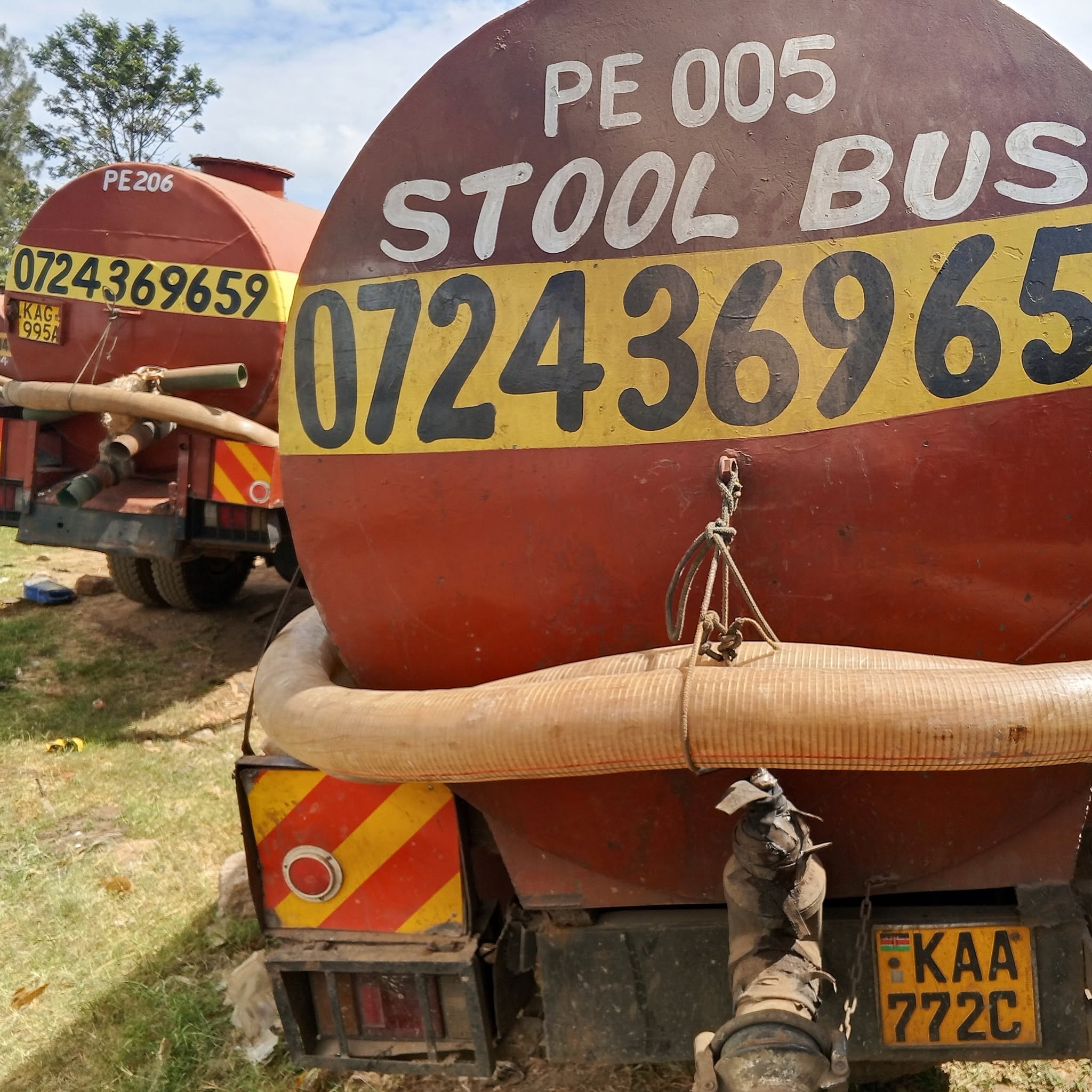
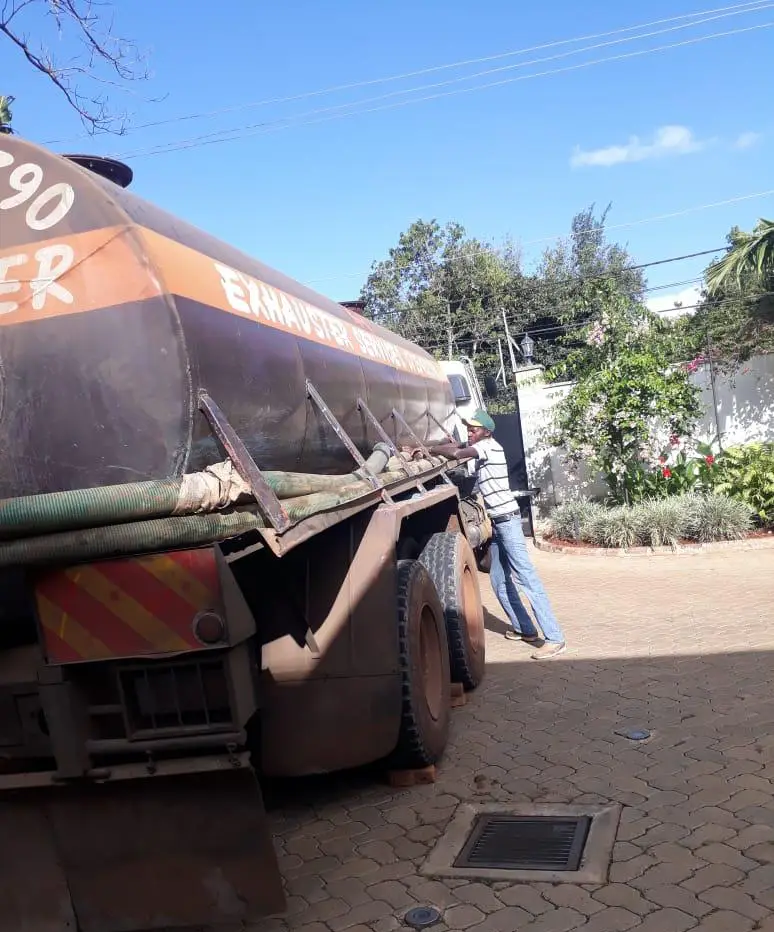
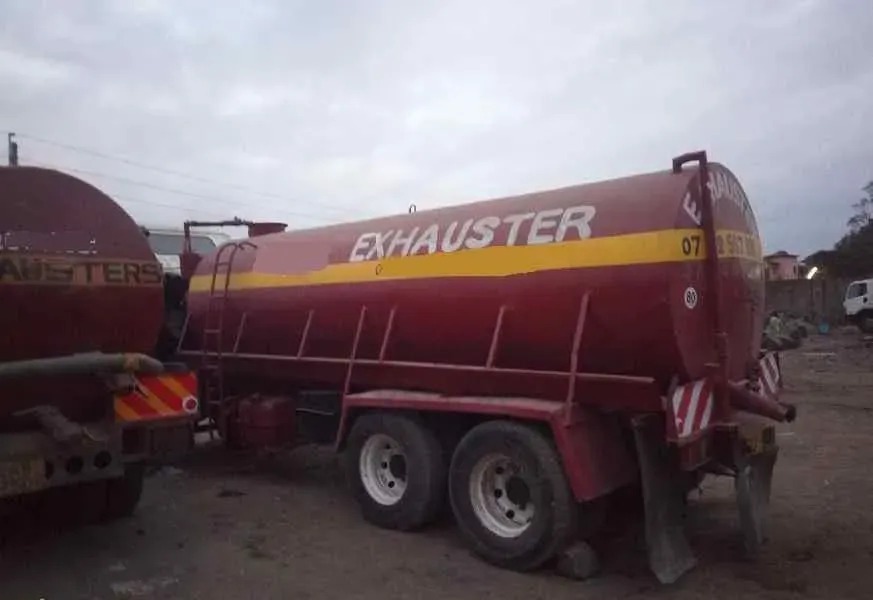
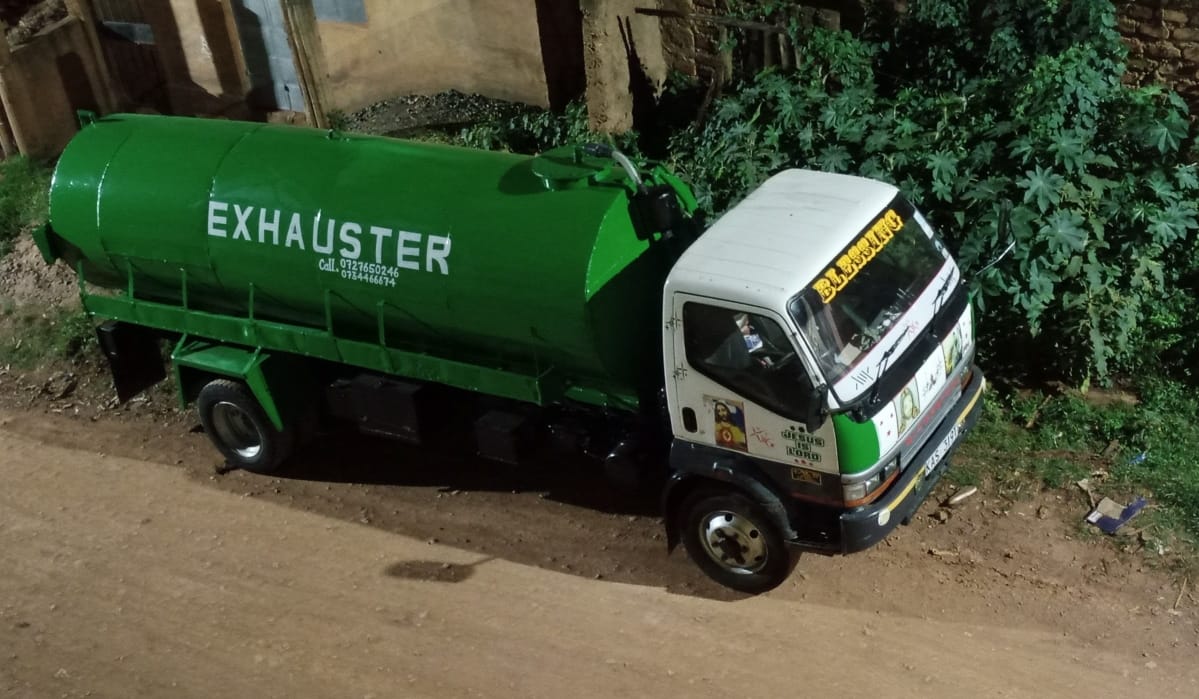
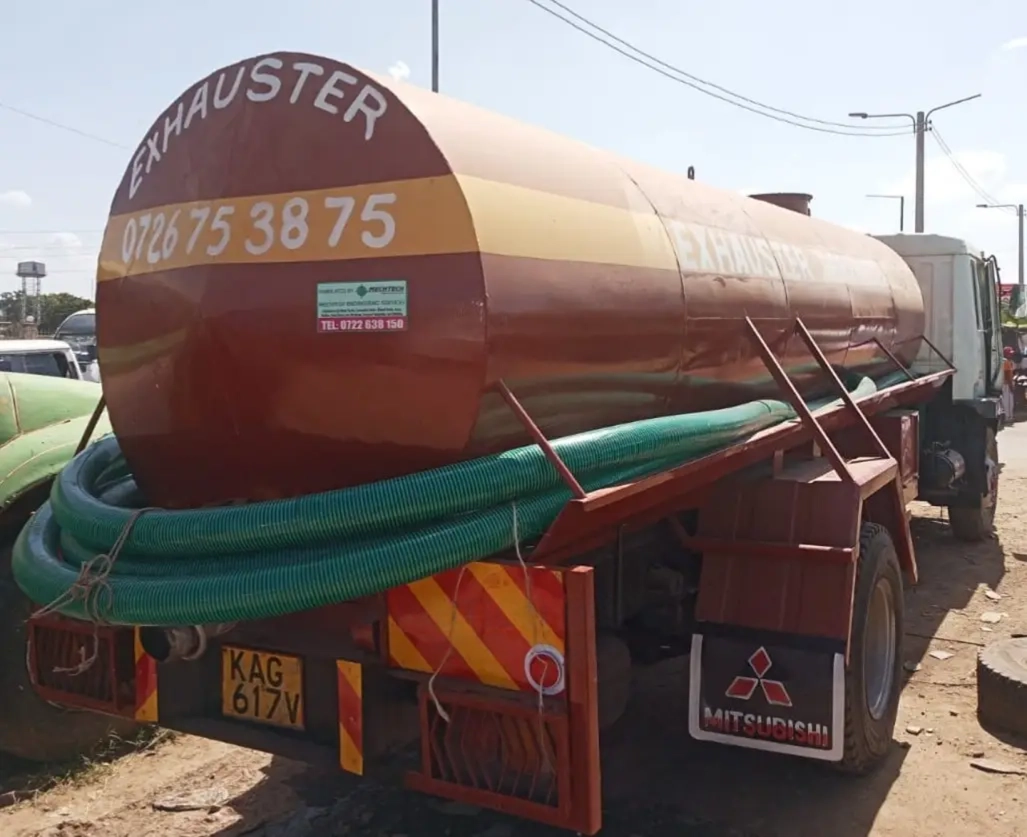
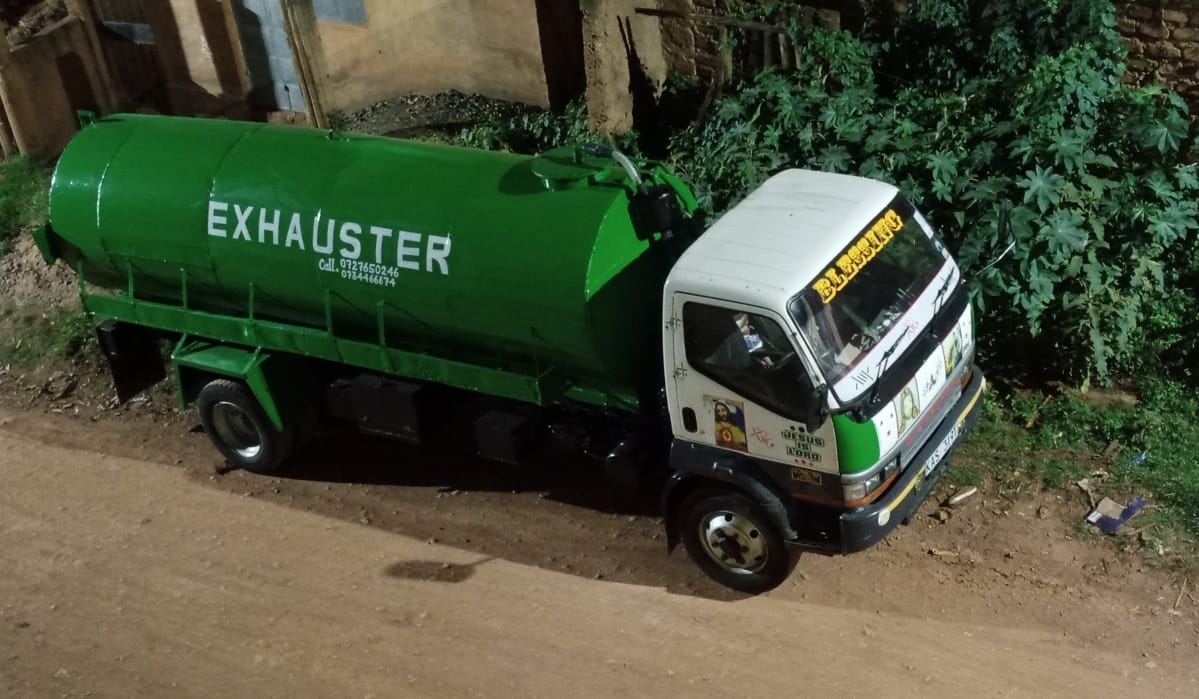
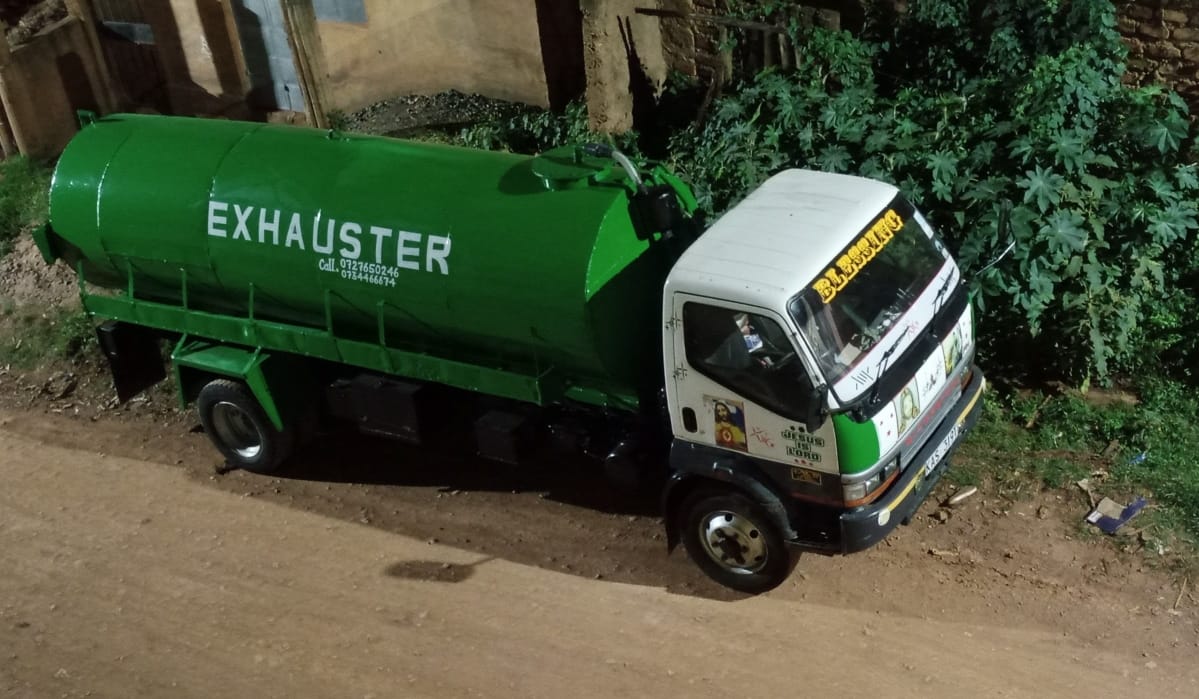
Once the exhauster truck arrives, the crew positions it as close as possible to the tank. They open the inspection cover and lower a heavy suction hose into the tank. The vacuum pump then pulls sludge, scum, and wastewater into the truck’s sealed tank.
For a standard household tank, the pumping process may take less than an hour, depending on the tank size and sludge thickness. If the tank has no proper access point, the crew may need to carefully break part of the slab. A good team will explain this before doing it and should close the area safely afterwards.
After pumping, they may rinse the tank walls to loosen remaining sludge, disinfect the working area, and close the access cover properly. You should receive a receipt or job card. If possible, ask for a disposal note, especially if your property is in an area where county officers conduct checks.
How Often Should Homeowners Empty a Septic Tank?
There is no single answer for every home. The right schedule depends on tank size, number of people in the house, water usage, soil type, and whether the system includes a biodigester or soak pit.
A typical family home may need septic tank emptying every 12 to 24 months. A larger household, a home with a rented DSQ, or a compound with frequent visitors may need service sooner. Homes with biodigesters may go longer, but they should still be inspected regularly.
If you cannot remember the last time your tank was emptied, it is probably time to check it. Waiting for a backup is not a maintenance plan.
How Much Does Septic Tank Emptying Cost in Kenya?
The cost of septic tank emptying in Kenya varies by location and job complexity. A home near town with easy truck access will usually pay less than a home far from the main road or disposal site.
Cost is affected by tank size, truck capacity, distance, road access, hose length, timing, and whether the crew needs to open a sealed slab. Emergency night or weekend callouts may cost more than scheduled weekday service.
For many residential homes, the price often falls within a manageable range, but it is always better to request a clear quote. Ask what is included. Does the price cover pumping, cleanup, disposal, opening the tank, and transport? Confirming this early helps avoid last-minute “ongeza kidogo” conversations when the truck is already in your compound.
Choosing the Right Septic Tank Emptying Provider
Not every exhauster provider operates professionally. Some are reliable, licensed, and experienced. Others are brokers or informal operators who may cut corners.
Before hiring, ask whether the provider is licensed to transport wastewater. Ask where they dispose of the waste. A serious company should use approved treatment facilities, not rivers, quarries, open fields, or hidden dumping spots.
Also check whether they arrive with proper equipment, including strong hoses, gloves, gumboots, and tools for opening the tank. The crew should explain what they are doing and leave the area clean.
Referrals from neighbours and caretakers can help, but it is still wise to verify. Platforms such as The Real Plug can also help homeowners find vetted professionals across Kenya, including sanitation and home service providers, without relying only on random wall numbers or forwarded contacts.
Common Septic Tank Mistakes Homeowners Make
One common mistake is flushing items that should go into a bin. Wet wipes, sanitary pads, diapers, condoms, cotton wool, and plastics do not break down properly. They can block pipes and fill the tank faster.
Another mistake is pouring cooking oil and grease into the sink. Grease hardens inside pipes and septic systems, causing blockages that can be expensive to fix.
Some homeowners build parking spaces, extensions, or cabro surfaces directly over the tank without leaving proper access. It looks neat until the day the exhauster crew needs to open the tank and there is no clear manhole.
Tree planting is another issue. Roots from trees such as eucalyptus, bamboo, mango, and some ornamental plants can invade septic systems in search of moisture. Over time, they can crack tanks and block soak pits.
The biggest mistake, however, is waiting too long. Emergency emptying is stressful, often more expensive, and gives you less time to choose a good provider.
Septic Tanks and Biodigesters: What Homeowners Should Know
Many newer homes in Kenya are now installing biodigesters instead of traditional septic tanks. Biodigesters use bacteria to break down waste more efficiently and may need less frequent emptying.
They can be a good option for new builds, especially where space is limited or drainage is difficult. However, they still need proper installation, inspection, and occasional maintenance. A biodigester is not a magic system you install and forget forever.
If you already have a septic tank, you do not necessarily need to replace it. A well-built and well-maintained septic tank can serve a home for many years. The key is regular emptying, proper use, and timely repairs.
Legal and Environmental Responsibility
As a homeowner, you are responsible for how waste from your property is handled. Hiring someone careless does not fully remove that responsibility.
Wastewater should be transported by licensed providers and disposed of at approved facilities. Illegal dumping can pollute rivers, contaminate groundwater, and create health risks for nearby communities.
Keep receipts and disposal records where possible. They may be useful during property sales, inspections, disputes, or future maintenance planning.
Final Advice for Kenyan Homeowners
Your septic tank may be underground, but it should not be out of mind. Treat it like any other important part of your home. Know where it is, keep it accessible, watch for warning signs, and schedule emptying before things get messy.
A little planning can save you from bad smells, emergency costs, damaged plumbing, and awkward conversations with neighbours. More importantly, it helps keep your home safe and hygienic.
Septic tank emptying is not just about removing waste. It is about responsible homeownership, public health, and protecting the environment around you.