

There’s a familiar moment many Nairobi residents know too well. You’ve pushed through a long week, laundry has quietly piled up in the corner, and just when you’re ready to deal with it, the washing machine refuses to cooperate. That’s usually when one name comes to mind a mama fua.
But things have shifted. Not too long ago, you’d ask your caretaker or a neighbor at the gate for a recommendation. Today, chances are you’ll open Facebook instead. Somewhere between estate groups, community pages, and marketplace-style posts, Kenya’s most trusted informal service providers have found a new home online.
So what does it actually mean to hire a mama fua through Facebook today? The experience is not as straightforward as it sounds. It’s part convenience, part negotiation, and part navigating a very Kenyan digital marketplace.
The Evolution of the Mama Fua Role in Modern Kenya
The term “mama fua” still loosely translates to “washing mother,” but the work has grown far beyond handwashing clothes in a basin. If you scroll through Facebook posts today, you’ll quickly notice the job description has expanded.
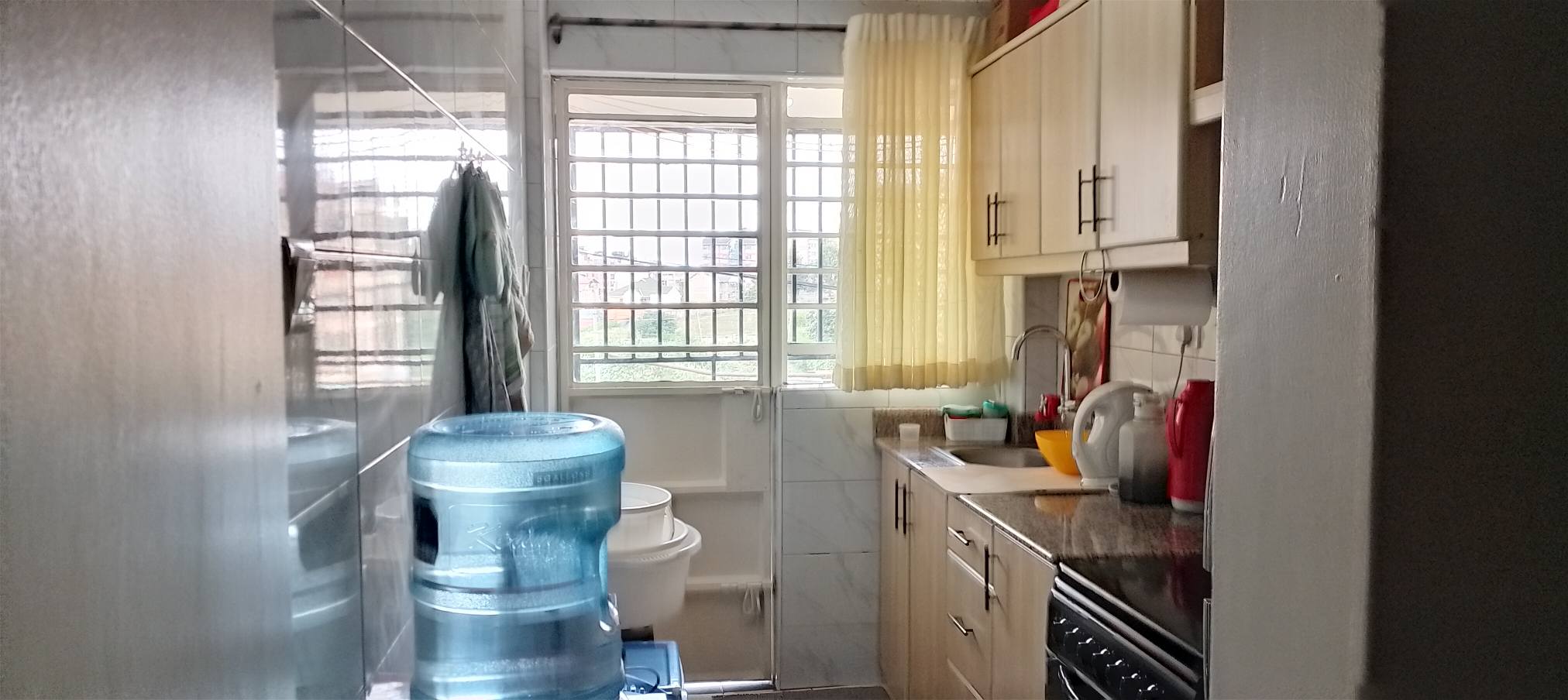
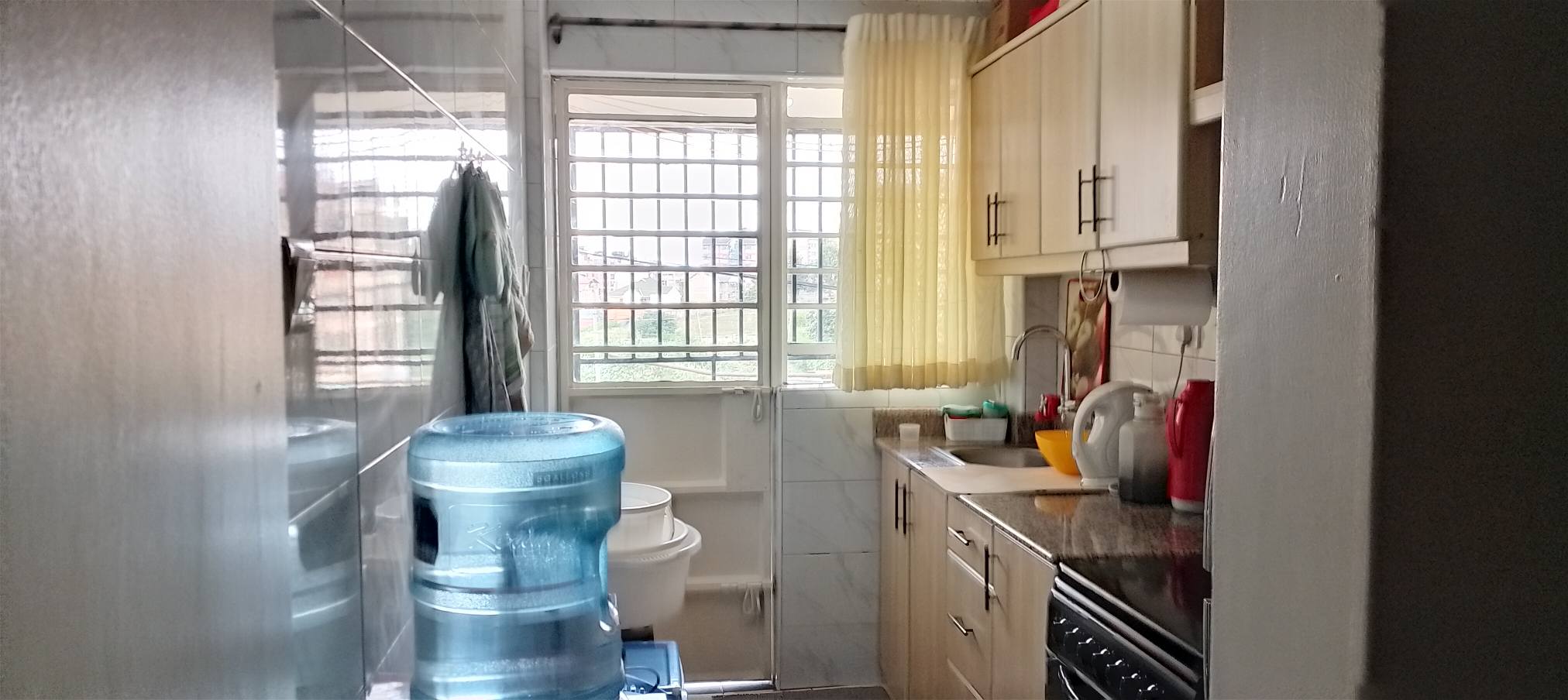
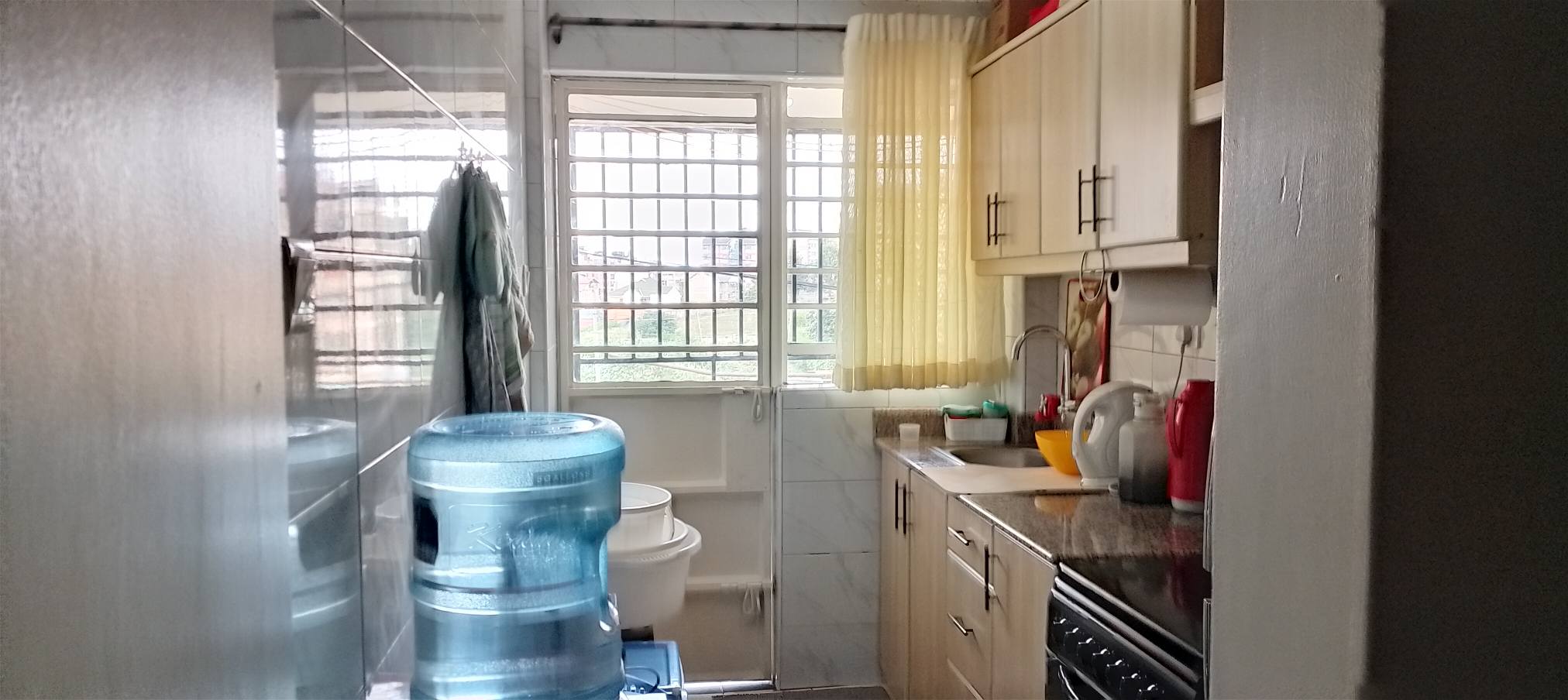
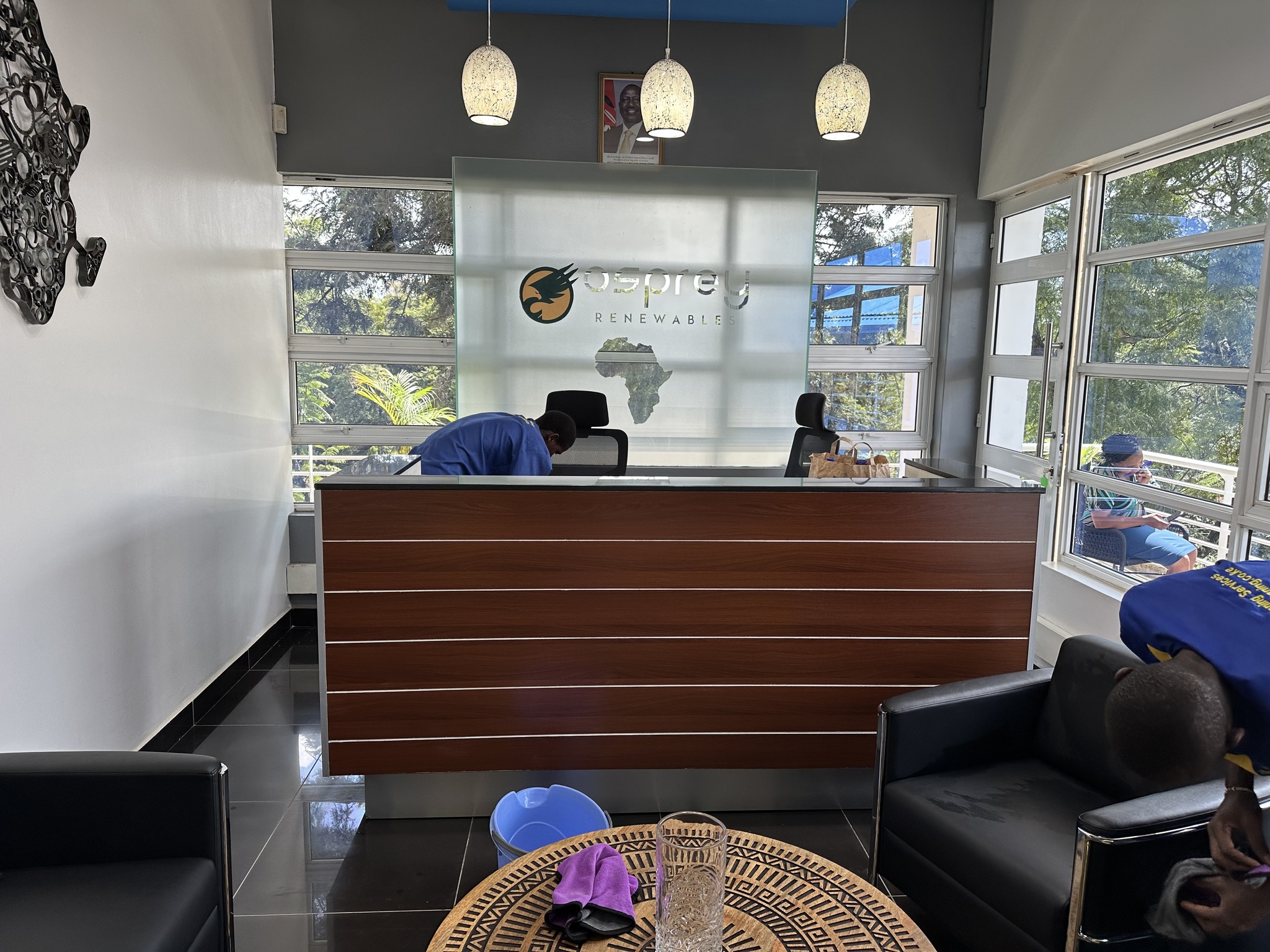
Many mama fuas now offer full-service cleaning. That can include washing clothes, scrubbing floors, cleaning sofas, handling dishes, sanitizing bathrooms, and sometimes even doing light fumigation. For busy households juggling work, traffic, and family life, this kind of support has become less of a luxury and more of a necessity.
What’s also changed is how the work is perceived. There’s a visible sense of pride in how services are presented online. Profiles feature uniforms, before-and-after photos, and captions that position the work as a serious hustle rather than something informal or temporary. That shift matters. When you hire a mama fua today, you’re often dealing with someone who sees themselves as running a small business.
How Facebook Became Kenya’s Go-To Service Directory
Spend a few minutes on Kenyan Facebook groups and you’ll start to see a pattern. Whether it’s Nairobi estates, Thika community pages, or Kisumu neighborhood forums, service requests are everywhere.
The most common format is simple. Someone posts a request asking for a reliable mama fua. Within minutes, the comments fill up with phone numbers, personal recommendations, and sometimes direct responses from service providers themselves saying they are available.
It’s fast, direct, and surprisingly effective. You can post in the morning and have someone at your door before lunchtime. That level of responsiveness is something traditional directories or apps haven’t quite matched.
But there’s a trade-off. There’s no built-in verification system. You’re relying entirely on community feedback, which means you have to read between the lines.
Trust, Reputation, and the Kenyan Way of Vetting
Kenyans rarely make decisions blindly, especially when it comes to letting someone into their home. Facebook hiring comes with its own informal vetting process.
People scan the comments carefully. Is the same person recommended multiple times? Are there complaints hidden in replies? Sometimes, a single thread becomes a full discussion about reliability, pricing, and past experiences.
There’s also a very real conversation around trust. Concerns about safety, honesty, and accountability often come up, especially when hiring directly without an agency involved. Unlike formal companies, there’s no structured background check system in place. Most of the vetting happens through social proof asking friends, checking profiles, or simply trusting the community’s judgment.
At the same time, you’ll notice empathy in these conversations. Many people acknowledge that this is a livelihood for someone trying to make ends meet. That balance between caution and understanding shapes how hiring decisions are made.
The Rise of Branded Mama Fua Services
Alongside individual service providers, a new layer has started to emerge. Some mama fuas are now operating under more structured setups, presenting themselves as organized services rather than individuals.
These profiles often showcase uniforms, cleaning products, and even training sessions. The messaging is more polished, and the service feels closer to a small company than an informal hustle.
Interestingly, even these more structured services still rely heavily on Facebook for visibility. Instead of standalone apps being the first point of contact, most clients discover them through posts, reels, or shared recommendations on their feeds.
This creates an interesting mix where you can choose between a more personal, informal experience or something that feels more standardized.
Pricing Conversations and What Kenyans Are Actually Paying
If there’s one topic that sparks debate online, it’s pricing. Scroll through any thread and you’ll see people comparing costs, questioning rates, and sharing their experiences.
Laundry shops have introduced a benchmark that many people refer to. Some charge per kilogram, which gives clients a clear point of comparison. This often leads to discussions about whether hiring a mama fua is more expensive or more valuable.
The reality is that pricing on Facebook is rarely fixed. It’s negotiated. Factors like location, workload, additional tasks, and even urgency can influence the final amount.
What stands out in these discussions is how people weigh convenience against cost. A mama fua doesn’t just wash clothes. She may clean the house, handle dishes, and save you hours of work. For many households, that added value justifies a higher price.
At the same time, there’s awareness around fair pay. Many Kenyans openly advocate for treating service providers with respect and paying them reasonably, recognizing the effort behind the work.
The Real Experience According to Kenyans
When everything aligns, the experience can be genuinely positive. Many people find reliable mama fuas through Facebook and build long-term working relationships. What starts as a one-time booking often turns into regular support.
There’s also a sense of community appreciation. People celebrate the hustle, encourage consistency, and even help promote service providers by sharing their contacts.
But it’s not always smooth. The informal nature of Facebook hiring means expectations are not always clearly defined. Misunderstandings about tasks, pricing, or working hours can happen if details are not agreed on upfront.
There are also broader concerns that occasionally surface. Conversations around worker safety, fair treatment, and difficult working conditions remind people that this is more than just a service transaction. It’s part of a larger social and economic reality.
Practical Advice Before You Hire Through Facebook
If you’re planning to find a mama fua online, a bit of caution goes a long way.
Start by observing patterns in recommendations rather than jumping on the first contact you see. Consistent mentions often indicate reliability.
Have a clear conversation about what you need done and how payment will work. The more specific you are, the fewer misunderstandings you’ll face later.
It also helps to start small. A single session allows you to assess reliability and build trust before committing to regular arrangements.
Think about what matters most to you. If you value flexibility and a personal touch, hiring directly from Facebook may work best. If you prefer structure and accountability, a more organized service might be the better option.
And perhaps most importantly, treat the interaction with respect. For many mama fuas, this is their primary source of income. Fair pay and clear communication go a long way in building a good working relationship.
Where This Trend Is Heading
Facebook hasn’t replaced the traditional mama fua. It has simply expanded her reach. What used to be limited to one estate can now turn into a city-wide client base, all managed through a smartphone.
At the same time, the platform reflects the full picture both the opportunities and the challenges. You’ll see success stories of people growing their services into small businesses, and you’ll also see serious conversations about worker rights and safety.
That dual reality is what makes the experience uniquely Kenyan. It’s not just about getting your laundry done. It’s about participating in a system shaped by community, hustle, and shared understanding.
So if you’re thinking about hiring a mama fua through Facebook, go in with open eyes. It can be incredibly convenient, sometimes unpredictable, but always rooted in real human interaction.