

The Rise of Mobile Mechanics in Kenya: Why “I Come to You” Is Winning
If your car has ever refused to start in the middle of Nairobi traffic, you already know the stress. Maybe it’s in a mall parking lot after work, or outside your apartment on a rainy evening. The old routine was predictable. Call a tow truck, wait endlessly, pay a few thousand shillings just to move the car, then start the real repair process at a garage.
That routine is quietly fading.
Across Nairobi, Mombasa, and Kisumu, more drivers are choosing a different option. Instead of taking the car to the mechanic, the mechanic comes to them. Mobile mechanics, once seen as a backup option, are now becoming the first call for many Kenyan car owners.
It’s not just about convenience. It’s about control, transparency, and a shift in how people want their cars handled.
Why Traditional Garage Visits Are Losing Their Appeal
For years, garages were the default solution. But talk to most drivers today, and you’ll notice a pattern. The frustration isn’t just about cost. It’s about the experience.
Time is usually the first complaint. Taking your car to a garage often means losing an entire day. You drop it off, wait for “diagnosis,” then get a call later with a list of issues you didn’t expect. You’re rarely there to see what’s actually happening, which makes it harder to question anything.
Then there’s trust. Many drivers feel like garages operate behind closed doors. Once your car is inside, you rely entirely on what you’re told. This has created a level of skepticism, especially with stories circulating online about exaggerated repairs and unnecessary replacements.
Cost adds another layer. Before any repair begins, you might already have spent money on towing. For a problem that could turn out to be minor, that initial expense alone feels excessive.
Mobile mechanics are stepping into this gap by removing those pain points. Instead of taking your car somewhere else, the service happens where you are. You see the work. You ask questions in real time. That shift alone changes how people perceive value.
What Mobile Mechanics in Kenya Actually Handle Well
There’s a common misconception that mobile mechanics are limited to very basic fixes. That might have been true years ago, but the reality today is more nuanced.
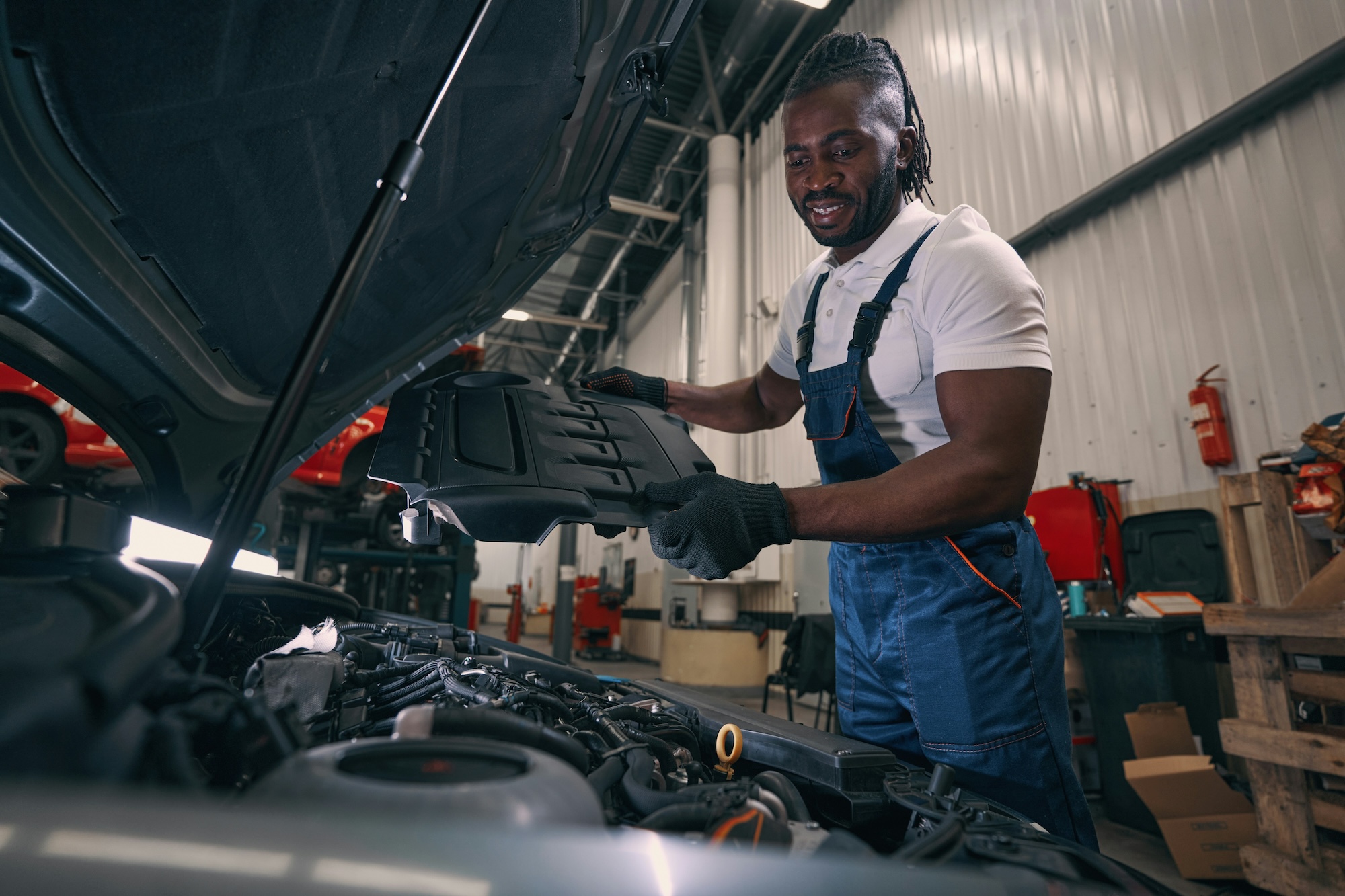
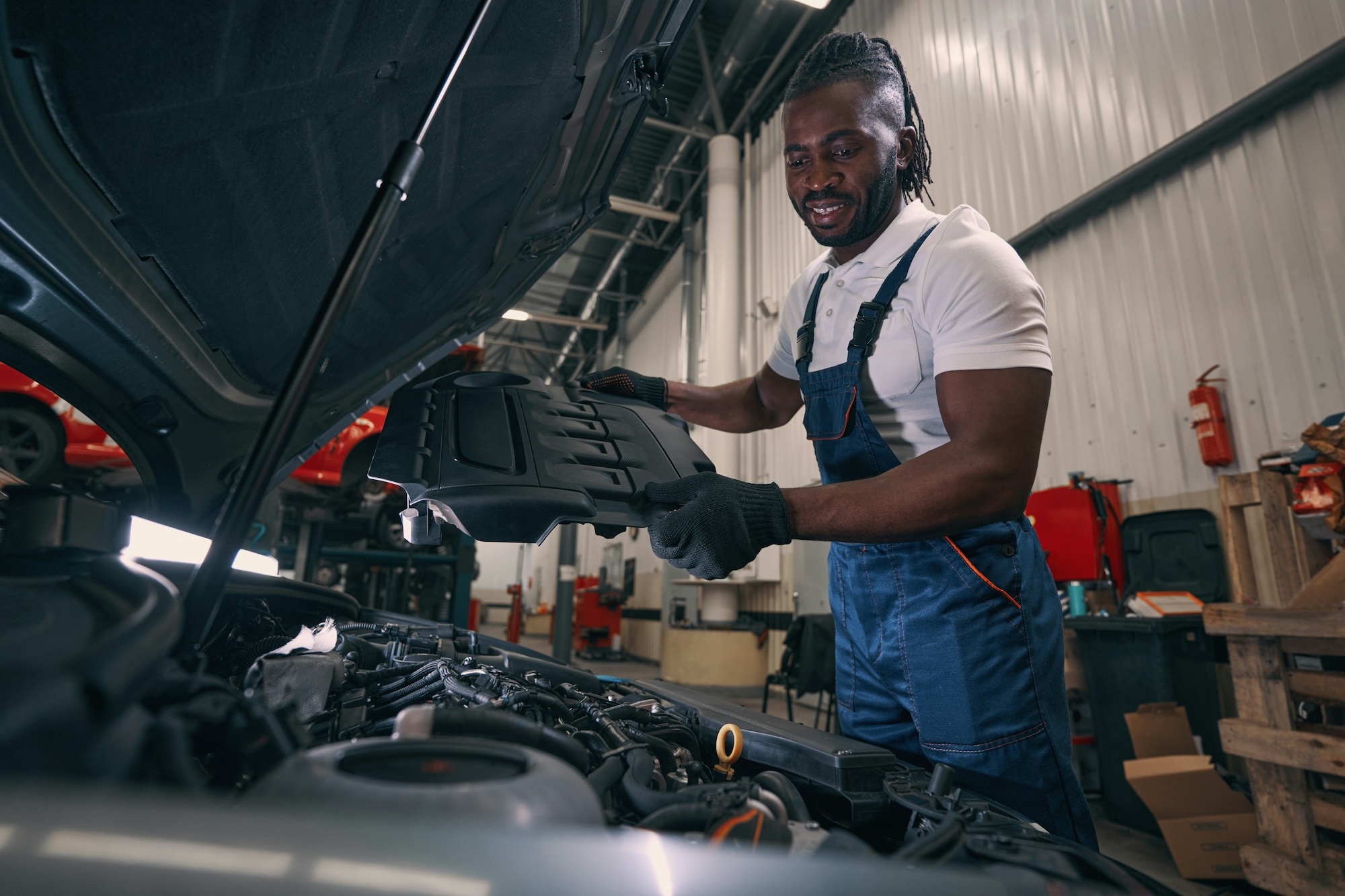
Most mobile mechanics handle everyday breakdowns efficiently. Battery issues, alternator problems, and starter faults are among the most common calls. These are the kinds of problems that can leave you stranded but don’t necessarily require a full garage setup.
Routine services like oil changes, brake pad replacements, and fluid checks are also well within their scope. In many cases, these jobs are faster at home than waiting in line at a busy service center.
Diagnostics have become a major strength as well. With portable scanners, a mobile mechanic can identify faults on-site and explain them in simple terms. This is especially useful when you want a second opinion before committing to expensive repairs.
For emergencies, the value is even clearer. Whether it’s a flat tyre late at night or a car that won’t start in the morning, having someone come to you reduces both time and uncertainty.
The Trust Factor: Why Visibility Changes Everything
One of the biggest shifts driving the rise of mobile mechanics is visibility. When a mechanic works in your driveway or parking space, nothing is hidden.
You see the tools they use. You see the parts being installed. You hear the explanation as the work happens. That level of transparency builds confidence in a way traditional garages often struggle to match.
It also discourages unnecessary upselling. When a mechanic is working in front of you, it’s harder to justify replacing parts that don’t need replacing. The conversation becomes more honest, simply because everything is happening in the open.
This is one of the reasons platforms like The Real Plug are gaining traction. By verifying mechanics and connecting them directly with clients, they reinforce that sense of accountability while maintaining the convenience of mobile service.
How Pricing Works for Mobile Mechanics in Nairobi
Pricing is another area where mobile mechanics tend to feel more straightforward, though it still requires some awareness from the client.
Most operate with a call-out fee, which covers travel and basic inspection. After that, labour and parts are discussed based on the specific job. This structure allows you to decide whether to proceed after understanding the issue.
Some mechanics offer flat rates for common services, which makes budgeting easier. Others provide a range depending on the complexity of the problem.
What matters most is clarity before the work begins. When you understand what you’re paying for, and why, there are fewer surprises. The flexibility of mobile service doesn’t remove the need for clear communication. If anything, it makes it more important.
Why More Mechanics Are Choosing to Go Mobile
The shift isn’t only happening on the client side. Mechanics themselves are increasingly choosing mobile setups, and the reasons are practical.
Running a traditional garage comes with significant overhead. Rent, utilities, and staff costs all add up. A mobile mechanic avoids most of these expenses, which allows for more flexible pricing and better margins.
There’s also more control over work schedules. Instead of waiting for customers to arrive, mobile mechanics go directly to where demand is. That efficiency translates into more jobs completed in a day.
Reputation plays a bigger role too. When you work directly with clients, your name becomes your brand. Good service leads to repeat business and referrals. Poor service spreads just as quickly. This direct feedback loop encourages consistency.
In many ways, mobile mechanics represent a shift toward independent, client-focused work. It’s less about the location and more about the quality of service delivered.
Where Mobile Mechanics Still Fall Short
Despite their advantages, mobile mechanics aren’t a complete replacement for traditional garages. There are clear limits to what can be done outside a workshop.
Complex repairs like engine rebuilds, gearbox work, and major suspension jobs still require specialized equipment. These are situations where a fully equipped garage is the better option.
Environment also matters. Not every location is suitable for repairs. Busy roads, limited parking space, or restrictions within residential areas can make mobile service impractical.
There are also cases where warranties depend on installation at specific facilities. For high-value components, it’s worth confirming whether mobile installation affects coverage.
Understanding these limits helps you choose the right service for the right situation. Mobile mechanics are excellent for many everyday issues, but they’re not meant to handle everything.
How to Choose a Reliable Mobile Mechanic
With the growing popularity of mobile services, it’s important to be selective. Not everyone offering “I come to you” delivers the same level of professionalism.
A reliable mobile mechanic should be able to clearly explain their process, provide a realistic price range, and show evidence of past work. Basic tools and diagnostic equipment should not be a mystery.
Communication is another strong indicator. If someone is vague about pricing or avoids direct answers, that’s usually a sign to proceed cautiously.
Verified platforms can simplify this process by filtering out unqualified providers. When identity and experience are already checked, you spend less time guessing and more time focusing on the service itself.
The Shift in How Kenyans Handle Car Repairs
The rise of mobile mechanics reflects a broader change in expectations. People want services that adapt to their schedules, not the other way around.
Cars are no longer occasional luxuries. They’re part of daily life. When something goes wrong, the solution needs to be fast, reliable, and transparent.
Mobile mechanics are meeting that demand by bringing the service directly to the client. They reduce downtime, increase visibility, and often make the entire process feel more manageable.
That doesn’t mean garages are disappearing. They still play an important role, especially for complex repairs. But for everyday issues, the balance is shifting.
More drivers are realizing that convenience doesn’t have to come at the expense of quality. And as long as mobile mechanics continue to deliver on both, the model will keep growing.