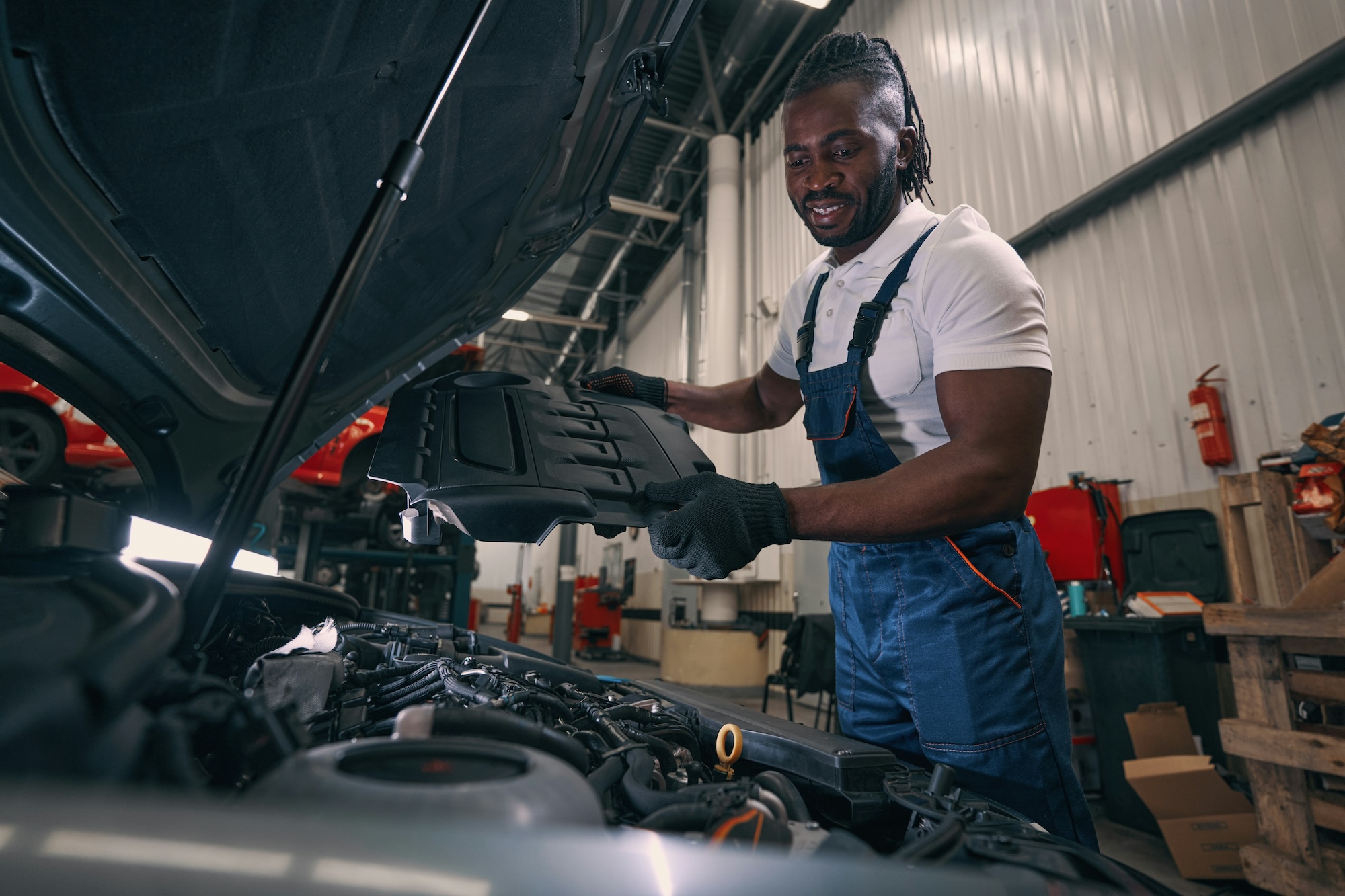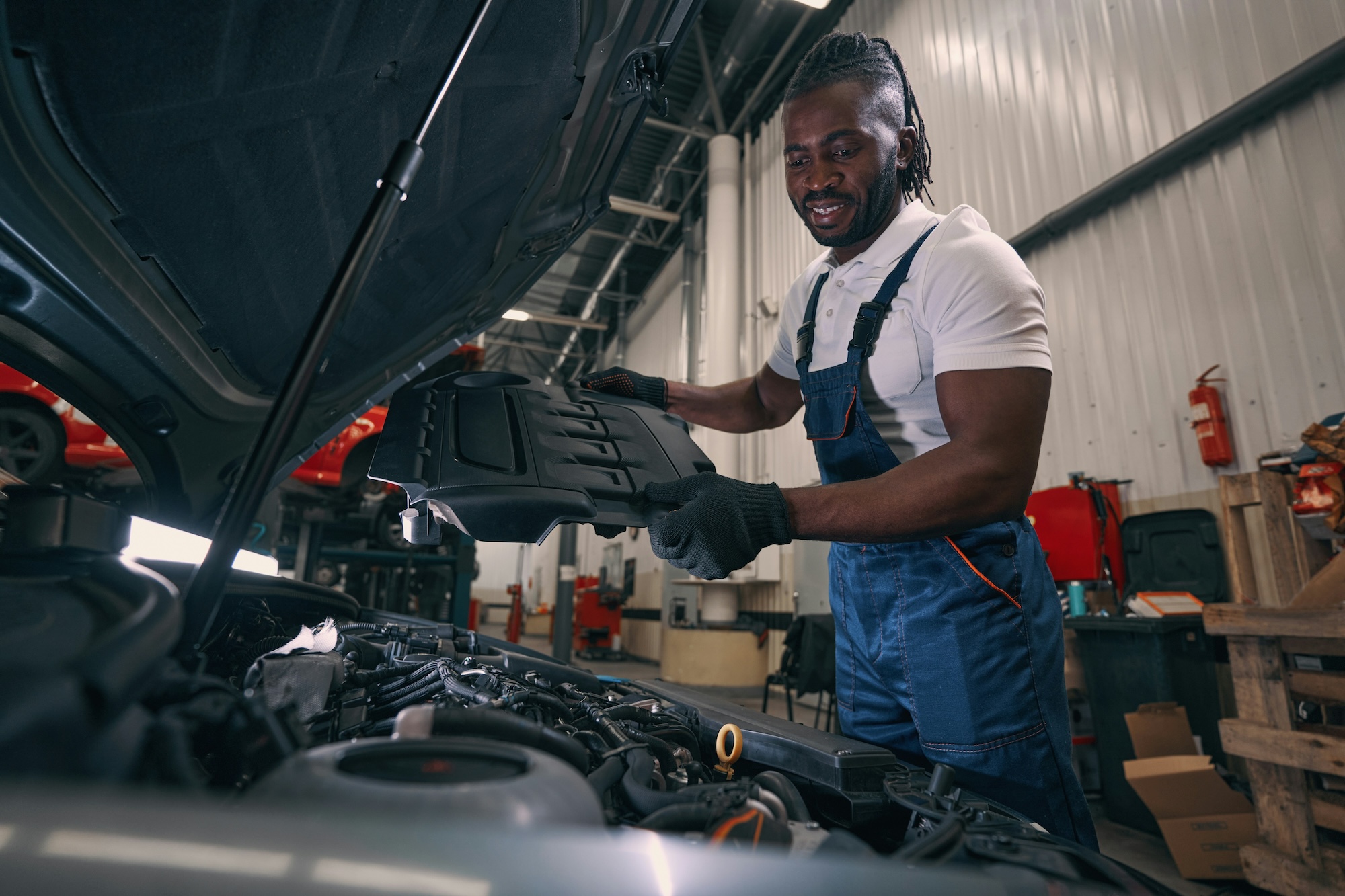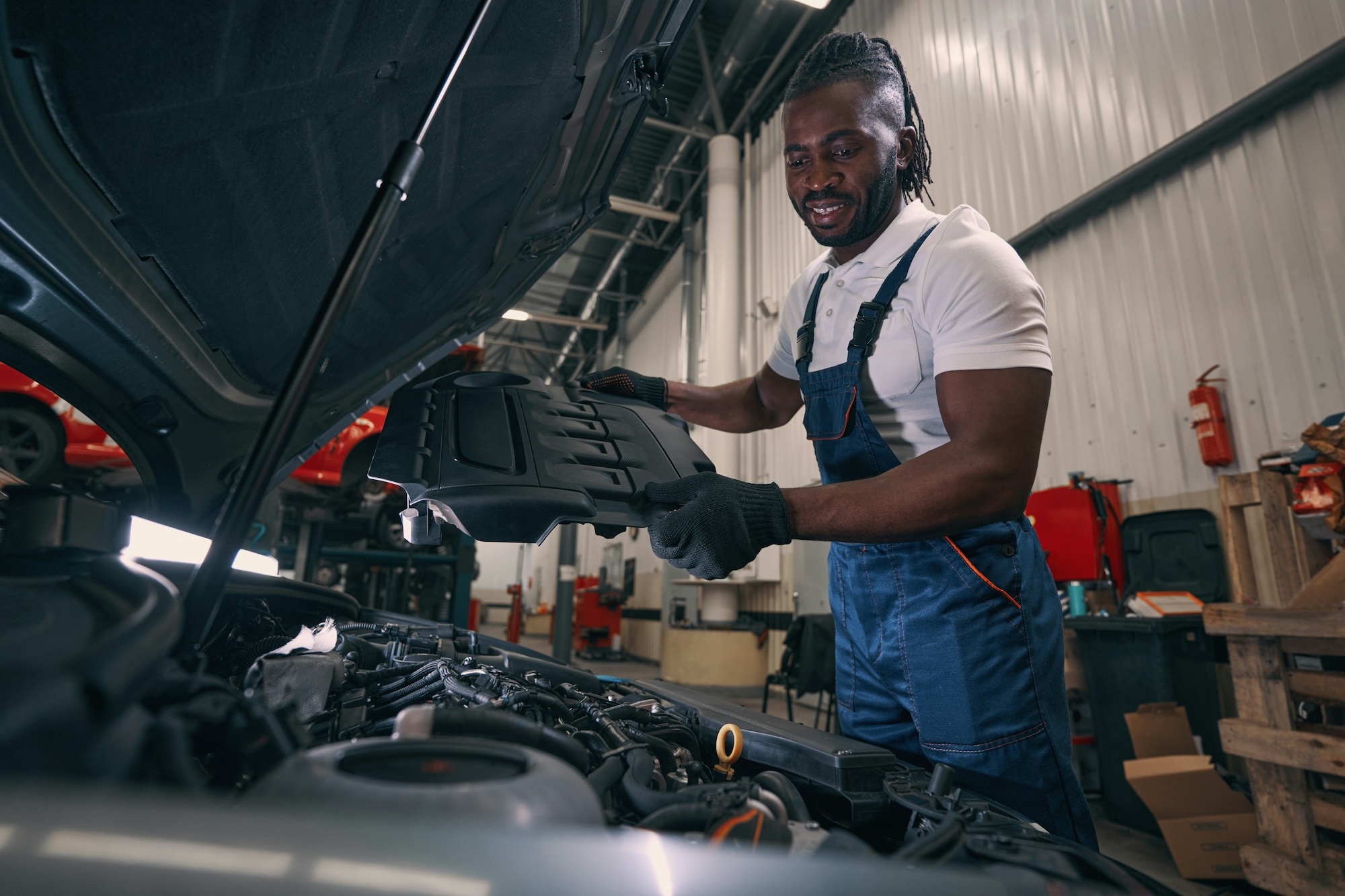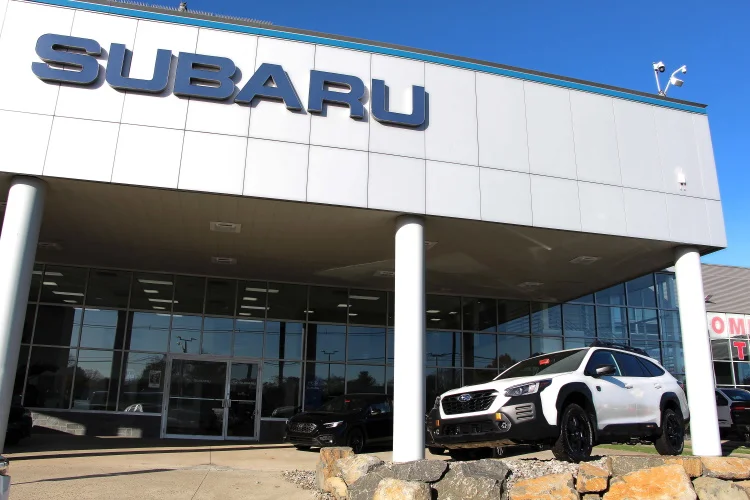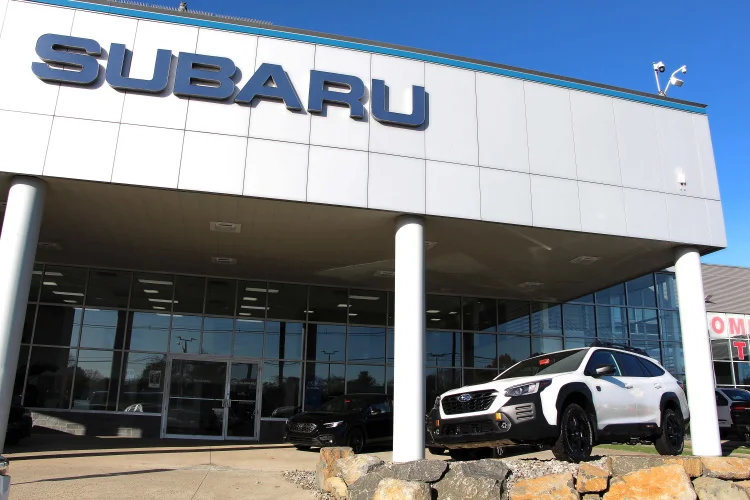


Subaru vehicles have become one of the most popular car brands on Kenyan roads due to their strong performance, durability, and ability to handle difficult terrain. Models such as the Subaru Forester, Impreza, Outback, and Legacy are widely used across the country because they offer power, comfort, and reliability. However, like any vehicle, Subaru cars are not immune to mechanical problems.
Many Subaru owners in Kenya eventually experience certain issues that are commonly associated with the brand. These problems may be related to engine performance, cooling systems, suspension wear, or electronic components. While some of these issues are minor and easy to fix, others require the expertise of professional mechanics who understand Subaru’s unique engineering.
Understanding common Subaru problems and knowing how they are repaired can help drivers detect issues early and avoid costly breakdowns. This article explores the most frequent Subaru problems in Kenya and explains how experienced mechanics diagnose and fix them to keep vehicles running smoothly.
Understanding Why Subaru Vehicles Develop Specific Problems
Subaru vehicles are built with unique engineering features that distinguish them from many other car brands. The most notable design elements include the horizontally opposed boxer engine and the symmetrical all wheel drive system.
While these technologies provide excellent stability and performance, they also create mechanical systems that require specialized maintenance. Mechanics who are unfamiliar with Subaru vehicles may struggle to diagnose problems correctly, which is why Subaru owners often prefer garages that specialize in these vehicles.
Additionally, Kenyan road conditions can contribute to certain mechanical issues. Rough roads, heavy traffic, and inconsistent maintenance practices can accelerate wear on critical vehicle components.
Because of these factors, Subaru vehicles in Kenya may experience recurring issues that mechanics regularly repair.
Head Gasket Failure in Subaru Engines
One of the most widely discussed Subaru problems is head gasket failure, particularly in older models. The head gasket is responsible for sealing the engine block and cylinder head, ensuring that coolant and engine oil do not mix.
When the head gasket fails, several symptoms may appear. Drivers may notice engine overheating, coolant leaks, white smoke from the exhaust, or a sudden loss of engine power. If ignored, this issue can lead to severe engine damage.
How Mechanics Fix Head Gasket Problems
Professional mechanics typically start by performing diagnostic tests to confirm the presence of a head gasket leak. This may involve checking coolant pressure levels, inspecting engine components, and analyzing exhaust gases.
Once confirmed, the repair process usually involves removing the engine cylinder heads, replacing the damaged gasket, and inspecting surrounding components for damage. Skilled mechanics also resurface the cylinder heads to ensure a proper seal before reassembling the engine.
Although head gasket repairs can be complex, experienced Subaru technicians can restore engine performance when the repair is performed correctly.
Excessive Oil Consumption
Some Subaru engines are known to consume oil more quickly than expected. This issue is particularly common in certain high mileage engines or vehicles that have not been serviced regularly.
Drivers may notice the oil level dropping frequently even when there are no visible leaks. If oil levels are not monitored carefully, low lubrication can cause serious engine damage.
How Mechanics Address Oil Consumption Issues
Mechanics typically begin by inspecting the engine for leaks, worn piston rings, or valve seal problems. They may also check the positive crankcase ventilation system, which helps regulate pressure inside the engine.
Depending on the severity of the issue, the solution may involve replacing worn engine components or adjusting maintenance practices such as using the correct engine oil type and performing more frequent oil changes.
Routine inspections help prevent this issue from becoming a major engine problem.
Subaru Suspension Wear on Rough Roads
Kenyan road conditions can be challenging for any vehicle, and Subaru cars are no exception. Frequent driving on rough terrain, potholes, and uneven surfaces can cause suspension components to wear out over time.
Common suspension problems include worn shock absorbers, damaged control arms, and worn bushings. These issues may cause symptoms such as poor handling, unusual noises when driving over bumps, and uneven tire wear.
How Mechanics Repair Suspension Problems
To fix suspension issues, mechanics first inspect the entire suspension system to identify worn or damaged parts. This process may involve lifting the vehicle and examining components such as shocks, struts, bushings, and stabilizer links.
Once the faulty components are identified, mechanics replace them with new parts and perform wheel alignment to restore proper handling. Regular suspension maintenance helps ensure a smoother ride and better vehicle stability.
Cooling System Problems and Engine Overheating
Another common Subaru problem involves cooling system failures that can lead to engine overheating. This issue may be caused by radiator leaks, thermostat malfunctions, or worn water pumps.
Overheating can cause serious damage to the engine if not addressed quickly. Drivers should always pay attention to temperature warning lights or unusual engine behavior.
How Mechanics Fix Cooling System Issues
Mechanics diagnose cooling system problems by inspecting the radiator, coolant hoses, thermostat, and water pump. Pressure tests may also be used to detect hidden leaks.
Once the faulty component is identified, the mechanic replaces or repairs the damaged part and refills the cooling system with fresh coolant. Regular coolant replacement and system checks help prevent overheating problems.
Transmission Problems in Subaru Vehicles
Subaru vehicles use several types of transmissions, including manual gearboxes, automatic transmissions, and continuously variable transmissions. Over time, these systems may develop problems such as slipping gears, delayed shifting, or unusual noises.
Transmission issues can affect vehicle performance and fuel efficiency if not repaired promptly.
How Mechanics Repair Transmission Issues
Transmission diagnostics typically involve scanning the vehicle’s computer system for error codes and inspecting transmission fluid levels and condition.
If the problem is minor, mechanics may simply replace the transmission fluid or repair small components. In more severe cases, the transmission may need rebuilding or replacement.
Because transmission repairs can be expensive, early diagnosis is essential.
Electrical and Sensor Problems
Modern Subaru vehicles rely heavily on electronic systems to control engine performance, safety features, and fuel efficiency. When sensors or wiring systems malfunction, drivers may notice dashboard warning lights or unusual vehicle behavior.
Electrical problems can sometimes be difficult to diagnose without specialized equipment.
How Mechanics Diagnose Electrical Problems
Professional mechanics use advanced diagnostic scanners to read fault codes from the vehicle’s computer system. These codes help identify which sensor or component is malfunctioning.
After identifying the problem, mechanics repair damaged wiring, replace faulty sensors, or reset electronic systems to restore proper vehicle operation.
Importance of Preventive Maintenance for Subaru Vehicles
Many Subaru problems can be prevented through regular maintenance. Routine servicing allows mechanics to detect early signs of wear before they become serious mechanical failures.
Subaru owners should follow recommended maintenance schedules that include oil changes, brake inspections, coolant replacement, and engine diagnostics. Keeping the vehicle properly serviced helps maintain performance and reduce the likelihood of costly repairs.
Regular maintenance is especially important for turbocharged Subaru engines, which operate under higher pressure and temperature conditions.
Conclusion
Subaru vehicles are known for their durability and strong performance, which is why they remain a popular choice among Kenyan drivers. However, even the most reliable vehicles can develop mechanical issues over time, especially when exposed to challenging road conditions or inconsistent maintenance.
Common Subaru problems in Kenya include head gasket failures, excessive oil consumption, suspension wear, cooling system issues, transmission faults, and electrical malfunctions. Fortunately, experienced mechanics can diagnose and repair these problems effectively when they are addressed early.
Understanding these common issues helps Subaru owners take proactive steps to maintain their vehicles and avoid expensive repairs. Regular servicing, proper diagnostics, and the use of quality spare parts play a critical role in keeping Subaru vehicles running smoothly.
If you are looking for trusted professionals who specialize in Subaru repairs, The Real Plug platform helps you connect with verified mechanics and automotive service providers across Kenya. The platform makes it easier for vehicle owners to find reliable experts who can deliver quality repair and maintenance services.
Mechanics and automotive service providers can also register on The Real Plug to reach more customers, build credibility, and grow their businesses in Kenya’s expanding automotive service industry.