

Not too long ago, finding someone to do laundry or clean your house in Nairobi felt like a quiet, almost secret process. You’d ask a neighbour in passing, get a number scribbled on paper, and hope the person on the other end showed up. There was rarely a name, rarely a face, and almost never a sense that this was a structured profession.
Today, that quiet system has shifted in a very visible way. Scroll through Facebook or TikTok and you’ll see women confidently posting their work, sharing before-and-after cleaning photos, wearing branded aprons, and clearly stating their rates. The phrase “mama fua” hasn’t disappeared, but it has evolved. It now carries identity, visibility, and increasingly, respect.
This change didn’t happen overnight. It’s the result of many women choosing to present their work differently, and in doing so, reshaping how clients see the service.
From Anonymous Work to Recognizable Personal Brands
One of the most striking changes is how mama fuas are stepping into visibility. Instead of being referred to as “mama wa fulani,” many are now introducing themselves by name, sharing their faces, and documenting their work online.
That shift matters more than it might seem at first glance. When a client knows your name, has seen your work, and recognizes your face before you arrive, the dynamic changes immediately. You are no longer just “help.” You are a service provider with a reputation.
In places like Nairobi, Nakuru, and Kisumu, this has created a ripple effect. A woman who posts consistent, honest content about her work starts getting direct inquiries. People tag her in recommendation posts. Clients return because they remember her, not just the service.
That visibility turns what used to be informal labour into something closer to a personal brand. And once a service becomes a brand, it becomes easier to price it properly.
Presentation Matters More Than Ever
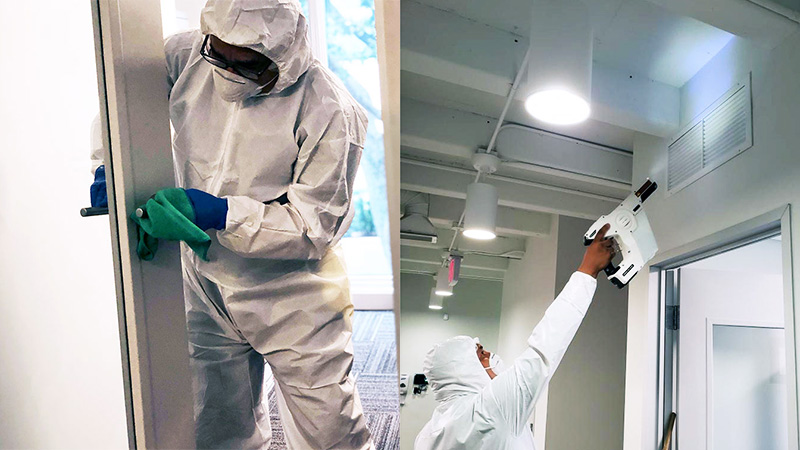
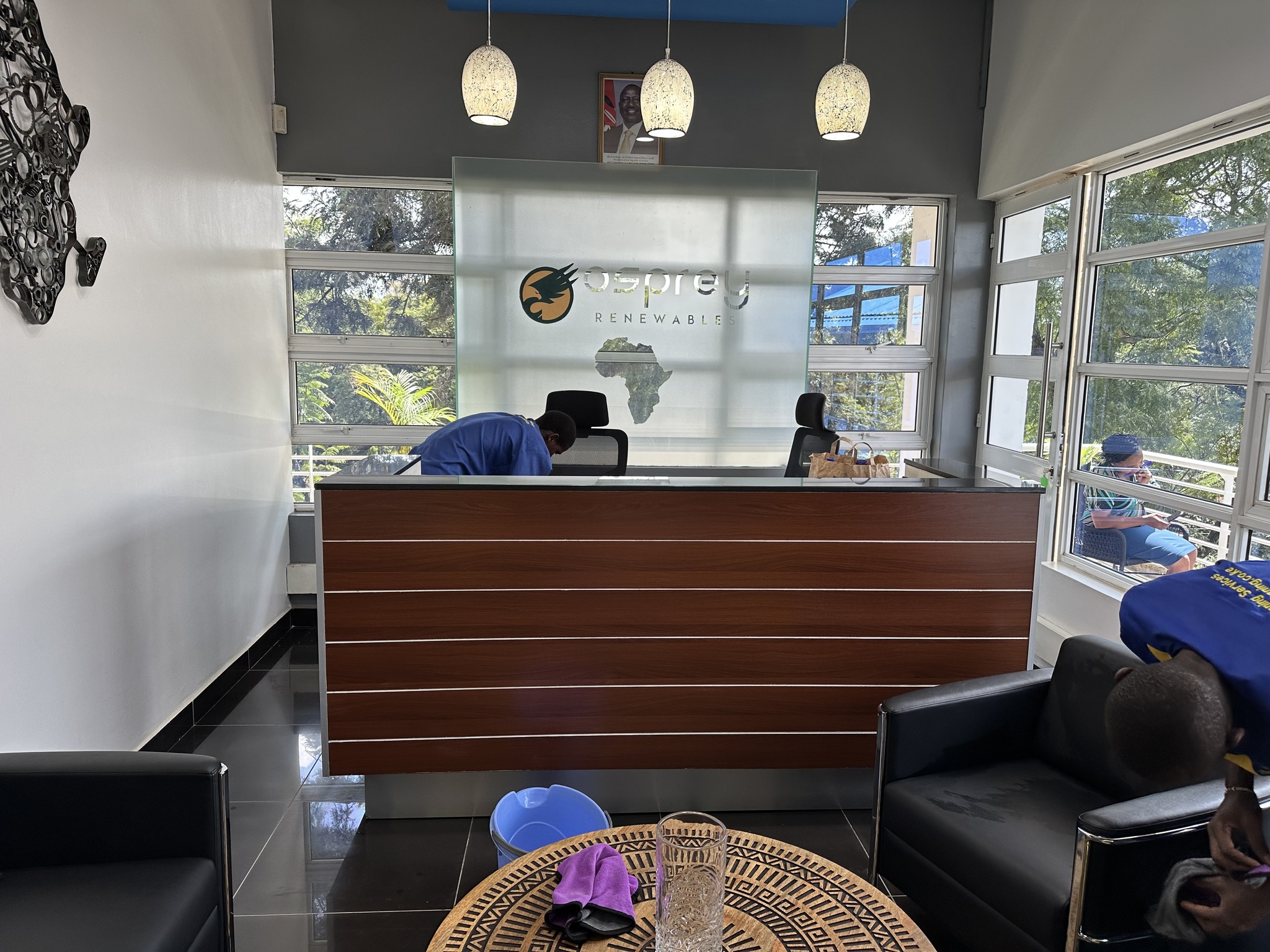
Spend a few minutes browsing local service pages and you’ll notice something else: presentation has improved significantly. Many mama fuas now show up to jobs with aprons, gloves, and sometimes even branded T-shirts.
At first glance, it might look like a small detail. In practice, it changes how clients respond.
When someone arrives with their own cleaning tools neatly organized, dressed for the job, it signals preparedness. It tells the client this is not guesswork. It also reduces the awkwardness that often comes with informal arrangements, where expectations are unclear.
For the worker, it has an equally important effect. Dressing like a professional reinforces boundaries. It becomes easier to separate tasks, avoid being assigned unrelated work, and maintain a sense of structure during the job.
This is where dignity starts to show up in practical ways. Not through big speeches, but through small, consistent signals that the work is being taken seriously.
Posting Rates and Ending the Guesswork
Pricing has always been one of the most uncomfortable parts of hiring domestic help in Kenya. The familiar back-and-forth of “ni ngapi?” often leads to underpricing, over-negotiation, or silent dissatisfaction on both sides.
What’s changing now is that more mama fuas are choosing to post their rates publicly. Not hidden in private messages, but clearly stated on their profiles or posts.
This approach does a few important things at once. It filters out clients who are not aligned with the pricing. It saves time that would otherwise be spent negotiating. And perhaps most importantly, it sets a baseline for the value of the work.
Of course, public pricing sometimes attracts criticism. There are always comments suggesting the rates are too high or comparing them to older, lower prices. But over time, consistent pricing builds consistency in clients as well. The people who reach out already understand the cost and are less likely to bargain aggressively.
That shift alone is helping many workers move from irregular, low-paying gigs to more stable, repeat bookings.
Reviews and Referrals Are Replacing Word of Mouth
Recommendations haven’t disappeared, but they’ve changed form. Instead of simple phone numbers being passed around, clients are now sharing screenshots, tagging service providers, and pointing others to actual posts with visible work.
This kind of public feedback carries more weight. A comment under a post saying “she cleaned my house last week and did a great job” is not just a compliment. It’s social proof that others can see and trust.
For mama fuas, this creates both opportunity and responsibility. Good work leads to visible praise, which attracts more clients. At the same time, poor work is harder to hide. One negative experience can spread quickly if it’s shared publicly.
That accountability is part of what’s raising standards across the board. When your next client has already seen how you work, there’s a clear incentive to maintain quality.
Working Together Instead of Alone
Another noticeable shift is the rise of small teams and collectives. Instead of working alone, some mama fuas are forming groups, branding themselves under one name, and handling larger jobs together.
This model works particularly well for bigger homes or deep cleaning projects that would take too long for one person. A team can complete the work in a single day, which appeals to busy households.
It also creates internal support. If one member is unavailable, another can step in. If a client needs multiple services, the team can divide tasks efficiently.
From a business perspective, this approach allows for higher earnings and more consistent work. From a personal perspective, it adds a layer of safety and shared responsibility that solo work doesn’t always provide.
Where Platforms Fit Into the Picture
Social media has opened the door, but it hasn’t solved everything. One of the lingering concerns for clients is trust. Even with photos and posts, people still ask whether a service provider is verified or accountable.
This is where structured platforms are starting to play a role. Services like The Real Plug are beginning to bridge that gap by listing professionals who have been identity-verified and vetted.
For mama fuas who are already building their brands online, this adds another layer of credibility. Clients get reassurance, while the worker maintains control over how they present their services.
The combination of personal branding and third-party verification is gradually shaping a more reliable and professional ecosystem.
Setting Boundaries and Defining the Work
As branding improves, so does clarity around what the job actually includes. Many mama fuas are now explicitly stating what they do and, just as importantly, what they don’t do.
You’ll see posts clarifying working hours, types of services offered, and whether materials are included or provided by the client. These details might seem minor, but they prevent misunderstandings that often lead to conflict.
Clear boundaries also reduce burnout. When expectations are defined upfront, the work becomes more predictable and manageable. That consistency is essential for turning occasional gigs into a sustainable livelihood.
A Shift That Goes Beyond Cleaning
What’s happening with mama fuas in Kenya is part of a broader change in how informal work is being structured and perceived. The combination of social media, self-presentation, and basic business practices is transforming roles that were once undervalued.
It’s not about turning every cleaner into a corporate brand. It’s about making sure the work is seen, understood, and compensated fairly.
For clients, this means adjusting expectations. Reading posted rates instead of asking for discounts. Respecting defined services instead of adding tasks mid-job. Recognizing that professionalism goes both ways.
For the workers, it means continuing to build visibility, maintain quality, and hold onto the standards they’ve started setting.
The Reality on the Ground
There’s still a mix of old and new systems operating side by side. Not every mama fua is online. Not every client is ready to accept posted prices. And not every job is straightforward.
But the direction is clear. Visibility is replacing anonymity. Structure is replacing guesswork. And dignity is becoming part of the conversation in a way it wasn’t before.
The women leading this shift aren’t waiting for formal recognition. They’re creating it themselves, one post, one client, and one job at a time.