

Moving into a new house in Kenya comes with a lot of pressure. You are thinking about rent, deposit, transport, cleaning, curtains, internet, and whether the caretaker will allow the lorry to enter the compound. If it is a bedsitter in Kasarani, a one-bedroom in Rongai, a two-bedroom in Eldoret, or a maisonette in Syokimau, the excitement of settling in can make you overlook one important thing: pests.
The house may look clean during viewing, especially if it has been swept, painted, or slightly repaired. But bedbugs can hide in skirting boards, cracks, sockets, wooden fittings, and old curtain boxes. Cockroaches may be behind kitchen cabinets, drains, or shared ducts. Rats may be in the ceiling. Termites may already be damaging wooden frames or cabinets quietly.
That is why fumigation services for new tenants in Kenya are worth considering before moving your belongings in. It is easier, cheaper, and more effective to treat an empty house than to deal with pests after your mattress, clothes, food, electronics, and furniture are already inside.
Why New Tenants Should Think About Fumigation
Many rental houses in Kenya are occupied back to back. One tenant moves out at the end of the month, the landlord paints quickly, and another tenant moves in immediately. In many cases, deep cleaning and pest control are not done unless the previous tenant complained loudly or the infestation was obvious.
This means a new tenant can inherit pests without knowing. Bedbugs are a common concern in busy rental areas such as Nairobi, Thika, Nakuru, Mombasa, Kisumu, and Eldoret. They are especially difficult because they hide well and can survive even when a room looks empty. Once they enter your mattress, sofa, clothes, or bed frame, removing them becomes more stressful.
Cockroaches are also common in older buildings, shared blocks, and areas with poor waste management. They breed quickly and hide in kitchens, drains, cupboards, wall gaps, and behind appliances. In coastal towns, humid areas, and some older buildings, termites can also become a serious problem, especially where there are wooden doors, cabinets, skirting, or furniture.
Fumigation before moving in gives you a cleaner start. It reduces the chance of bringing your belongings into a hidden infestation. It also helps you identify pest risks early so you can raise them with the landlord before they become bigger arguments.
When Is the Best Time to Fumigate a New House?
The best time to fumigate is after the previous tenant has moved out and before you move in. At this stage, the house is empty, which makes it easier for the fumigation team to access corners, wardrobes, cabinets, bathrooms, ceilings, and hidden spaces.
If possible, ask the landlord or caretaker to give you access at least one or two days before moving day. This gives you time to inspect, clean, fumigate, ventilate, and confirm that the house is safe to occupy.
If the house has just been painted, allow the paint to dry properly before fumigation. Some treatments may not work well on wet surfaces, and strong smells from paint can make it harder to assess the air quality after treatment.
Avoid moving in first and fumigating later unless there is no other option. Once your belongings are inside, preparation becomes harder. You may need to remove food, cover utensils, pack clothes, move furniture, protect electronics, and stay away from the house for several hours. For families with children, elderly people, or pets, this can be inconvenient.
Who Should Pay for Fumigation?
This is one of the most common questions new tenants ask. In practice, it depends on the landlord, the type of property, the condition of the house, and what was agreed before moving in.
If the house already has a visible pest problem before you move in, the landlord should take responsibility or at least discuss a fair arrangement. A rental house should be habitable, safe, and reasonably clean. If there are bedbugs, rats, cockroaches, or termites clearly present during viewing, do not ignore the issue.
However, in many Kenyan rental markets, landlords leave fumigation to the tenant unless the infestation is serious or affects many units. In some high-end apartments, managed estates, or serviced properties, pest control may be part of the preparation before a new tenant enters. In many middle-income and lower-income rentals, the tenant is often told to handle it personally.
The best approach is to negotiate before paying the full deposit or moving in. During viewing, check the kitchen, bathroom, skirting boards, wardrobes, ceiling corners, drains, and any wooden fixtures. If you see droppings, dead insects, egg cases, black spots, strange smells, or pest movement, raise the issue immediately.
You can ask the landlord to fumigate, split the cost, or allow you to deduct part of the cost from the first month’s rent if they agree. Put any agreement in writing, even if it is just a WhatsApp message.
Signs a House May Need Fumigation Before Moving In
A house does not have to be visibly dirty to have pests. Some signs are subtle. Bedbugs may leave small dark spots on walls, wooden joints, mattress seams, or skirting. If the previous tenant left a bed, sofa, or curtain rods behind, inspect them carefully.
Cockroaches often leave droppings that look like small black grains, especially in kitchen cabinets, under sinks, behind doors, and near drains. A strong musty smell in cabinets may also suggest a hidden infestation.
Rodents may leave droppings, chewed items, grease marks along walls, or noises in the ceiling. Termites may leave mud tubes, hollow-sounding wood, small holes, or fine dust near wooden surfaces.
Also check damp areas. Houses in cooler or wetter areas such as Limuru, Nyahururu, parts of Kiambu, or poorly ventilated ground-floor units may have mould or moisture problems. Fumigation may help with some pests, but mould and dampness need proper cleaning, ventilation, and sometimes repairs. Do not treat fumigation as a cure for structural moisture issues.
How to Choose a Reliable Fumigation Service in Kenya
Not everyone with a sprayer is a pest control professional. Some people use unknown chemicals, wrong dosages, or unsafe methods that may put tenants at risk without solving the problem. A cheap spray today can become an expensive infestation later.
A professional fumigation provider should be clear about the pests being targeted, the chemicals used, safety precautions, re-entry time, and whether follow-up treatment is needed. They should also inspect the house before treatment instead of spraying blindly.
Ask whether they handle residential fumigation regularly. Fumigating a store, farm, restaurant, or warehouse is different from treating a bedsitter, apartment, maisonette, or family house. Residential work requires care around kitchens, bedrooms, children’s rooms, wardrobes, and surfaces people touch daily.
Also ask about safety. If you have children, pets, pregnancy concerns, allergies, asthma, or elderly family members, tell the provider in advance. A serious pest control company should explain how long you need to stay out, what to remove, what to cover, and when to clean after treatment.
A warranty or follow-up policy is also important, especially for bedbugs and cockroaches. Some infestations require more than one treatment because eggs may hatch later. A provider who offers clear follow-up terms is usually more reliable than someone who disappears after one spray.
To reduce the risk of hiring quacks, compare providers carefully. Platforms such as The Real Plug help users find vetted professionals, service providers, and businesses in Kenya, which can be useful when looking for fumigation companies with reviews and traceable details.
How Much Does Fumigation Cost for New Tenants?
Fumigation costs in Kenya vary depending on the size of the house, location, type of pest, severity of infestation, chemicals used, and whether follow-up treatment is included. A bedsitter will usually cost less than a three-bedroom apartment or maisonette. A light preventive treatment may also cost less than a serious bedbug infestation.
Prices in Nairobi may differ from towns such as Nakuru, Kisumu, Eldoret, Mombasa, Nyeri, or Kitale because of transport, demand, and provider availability. Houses in estates with difficult access, parking restrictions, or urgent same-day requests may also cost more.
Be careful with prices that sound too low. Very cheap fumigation may mean weak chemicals, poor coverage, no inspection, or no follow-up. At the same time, expensive does not always mean better. Ask what the price includes. Does it cover all rooms? Are kitchen cabinets included? Are ceilings, cracks, beds, or wardrobes treated where needed? Is there a second visit if pests return?
Always ask for a clear quote before work starts. For larger houses or serious infestations, request a written breakdown.
How to Prepare the House Before Fumigation
Preparation affects how well the fumigation works. If the house is empty, the process is simpler. Sweep or clean the floors, remove loose rubbish, open cabinets, and make sure all rooms are accessible. If the landlord left old furniture, ask whether it should be treated or removed.
For kitchens, open drawers and cabinets so the technician can treat hidden areas. If you have already placed food items in the house, remove them or seal them properly. Utensils should be covered, packed, or washed after treatment depending on the provider’s instructions.
If you have already moved some belongings in, move furniture away from walls. Pack clothes, bedding, documents, and electronics safely. Do not leave children’s toys, open food, pet bowls, or uncovered personal items exposed.
For bedbug treatment, extra preparation may be needed. Clothes, bedding, curtains, and mattresses may require special handling. Some items may need washing, sunning, or sealing in bags. Follow the instructions given by the fumigation provider because poor preparation can make treatment less effective.
What Happens During Fumigation?
A professional team should begin with inspection. They will check common hiding places, pest signs, entry points, and the level of infestation. After that, they choose the right method for the pest problem.
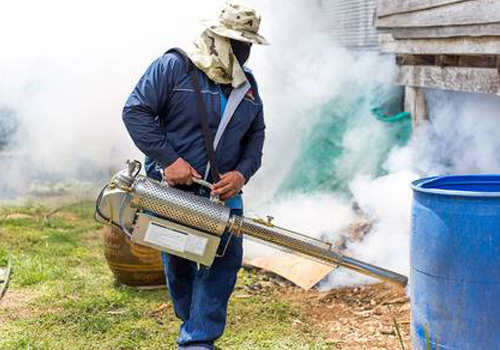
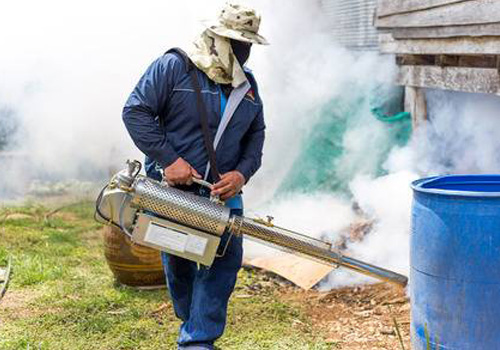
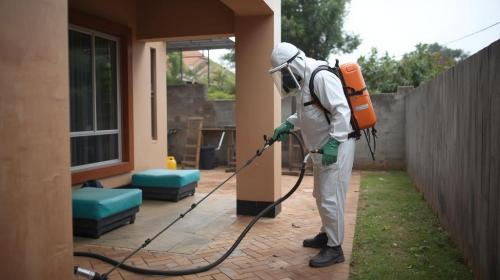
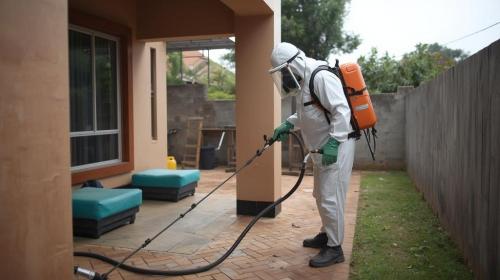
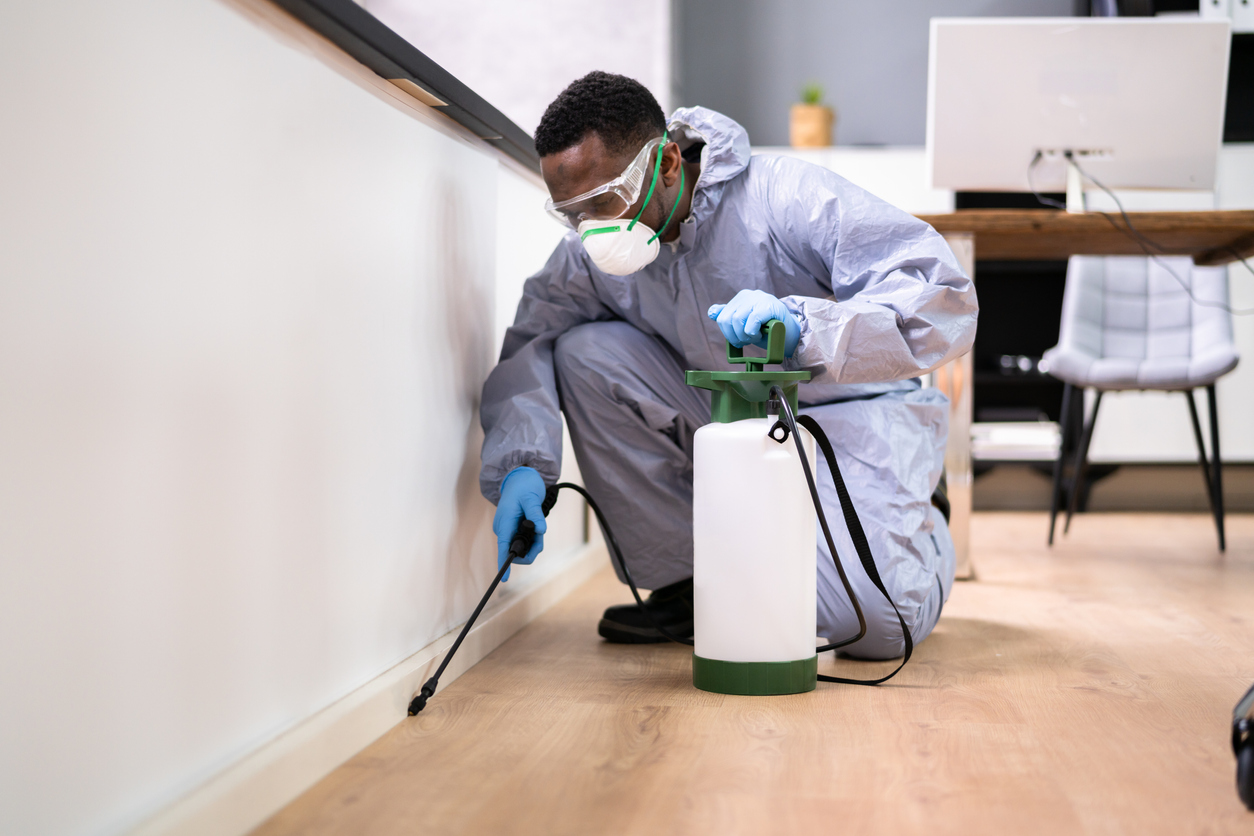
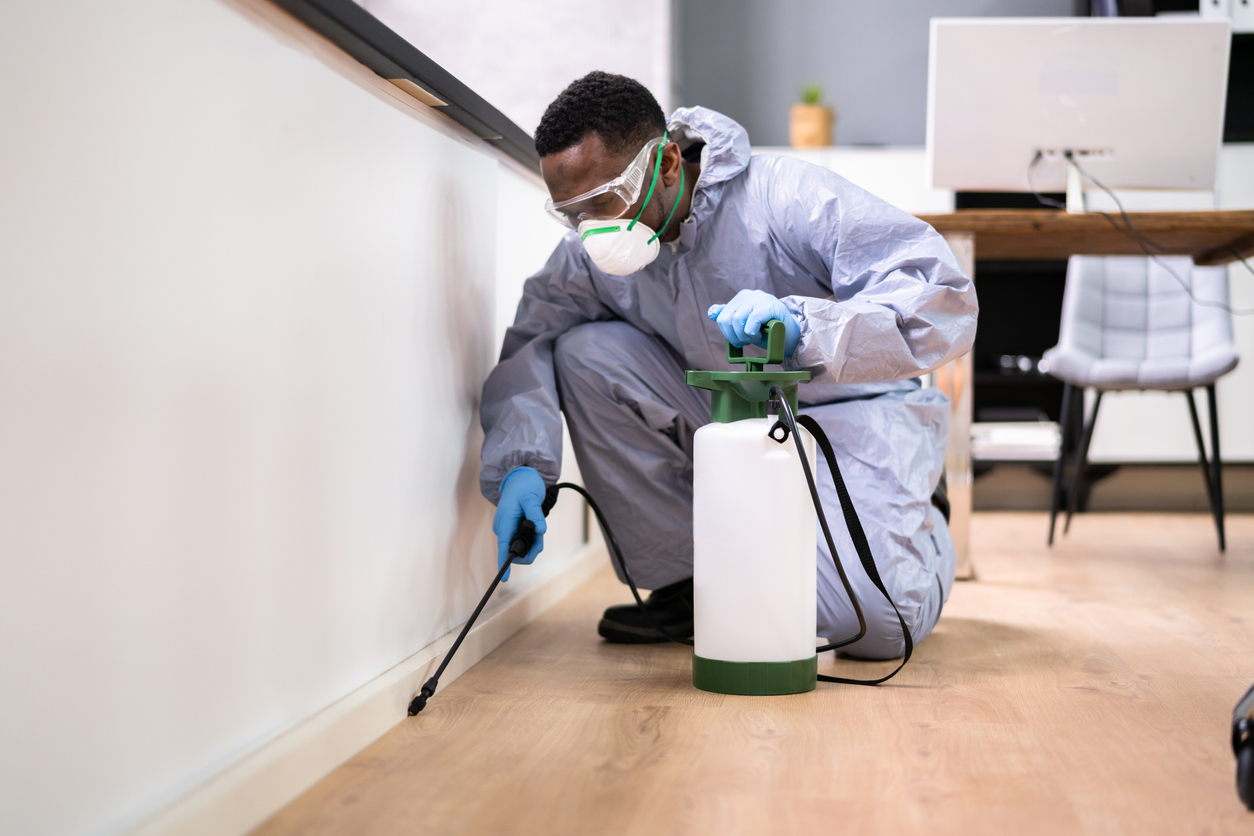
Spraying is common for bedbugs, cockroaches, ants, fleas, and other crawling insects. Fogging may be used for broader coverage or flying insects. Gel bait may be used in kitchens and cockroach-prone areas. Dusting may be applied in cracks, sockets, and hidden spaces where pests hide, depending on safety and suitability.
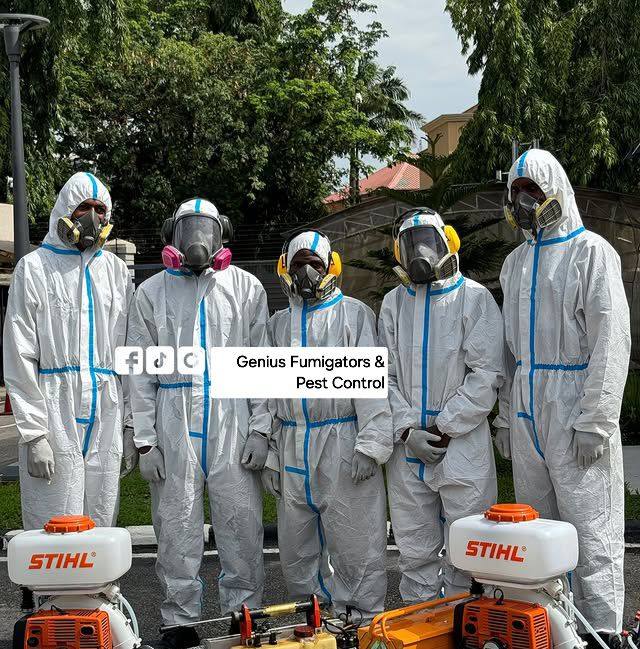
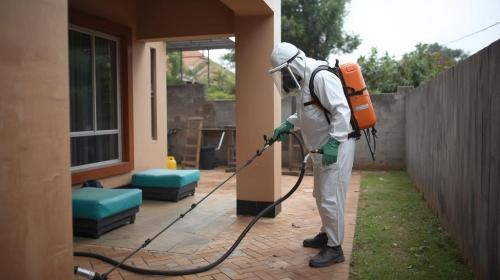
The team should use protective gear such as gloves, masks, and overalls where necessary. If someone arrives with no protective equipment, no explanation, and no clear chemical information, that is a warning sign.
After treatment, the provider should explain when you can re-enter, when to ventilate, what not to touch, and when to clean. Do not rush back into the house before the recommended time. Safety matters more than convenience.
What to Do After Fumigation
After the recommended waiting period, open windows and doors to ventilate the house. Allow fresh air to circulate before spending long hours inside. Follow the provider’s instructions on cleaning. In many cases, you should not mop treated areas immediately because the chemical may need time to work.
Wipe food preparation surfaces before use. Wash utensils if they were exposed. Keep children and pets away until the house is safe according to the provider’s guidance.
Do not panic if you see pests moving around shortly after treatment. Sometimes chemicals disturb pests from hiding places before they die. However, if you continue seeing live bedbugs, cockroaches, or other pests after the expected period, contact the provider and ask about follow-up.
For bedbugs, a second treatment may be necessary in some cases. Do not skip follow-up if the provider recommends it. One incomplete treatment can allow the problem to return.
Common Mistakes New Tenants Make
One common mistake is assuming a newly painted house is pest-free. Paint can hide marks but does not remove pests hiding in cracks, ceilings, drains, or nearby units.
Another mistake is moving in before inspection. Once your belongings are inside, pests can spread into your mattress, sofa, bags, clothes, and wooden furniture. Treating an empty house is much easier.
Some tenants also choose the cheapest provider without asking about chemicals, safety, or follow-up. This can be risky, especially when unsafe products are used indoors. Always ask questions before allowing treatment.
Another mistake is fumigating only one room. Pests move. If bedbugs or cockroaches are in the house, treating one bedroom while ignoring the sitting room, kitchen, or other hiding areas may not solve the problem.
Tenants should also avoid failing to inform the landlord or caretaker. If fumigation stains a surface, causes a complaint, or requires access to shared spaces, it is better that the landlord or caretaker knows what is happening.
How to Keep the House Pest-Free After Moving In
Fumigation is helpful, but it is not a permanent shield if the environment encourages pests. After moving in, keep the house clean and dry. Store food in sealed containers, wipe kitchen surfaces, remove rubbish regularly, and avoid leaving dirty dishes overnight.
Seal cracks where possible and report gaps, broken tiles, leaking pipes, or damaged drains to the landlord. Cockroaches and rodents love water, food, and hiding places.
Be careful with second-hand furniture. Many bedbug infestations start when tenants bring in used beds, sofas, mattresses, or wooden items without inspecting them. Check furniture carefully before bringing it into your house. If unsure, treat it first.
In apartment blocks, pests can move between units. If several tenants are affected, joint fumigation may work better than treating one unit alone. Talk to neighbours, caretakers, or the landlord if the problem appears widespread.
Final Thoughts
Fumigation services for new tenants in Kenya should be treated as part of moving preparation, not an afterthought. Before you bring in your mattress, sofa, clothes, and kitchen items, take time to inspect the house and deal with any pest risks. It is easier to fumigate an empty room than to fight bedbugs or cockroaches after you have settled.
Ask the landlord questions, check for signs of pests, negotiate where possible, and hire a reliable provider. Avoid shortcuts with unknown chemicals or cheap sprays that do not solve the problem. A professional fumigation service should explain the process, safety precautions, cost, and follow-up clearly.
Moving into a new house should give you peace of mind. A clean, pest-controlled space helps you start well and protects your health, belongings, and comfort. If you are unsure who to hire, compare reviews and verified providers through trusted platforms such as The Real Plug before making a decision.