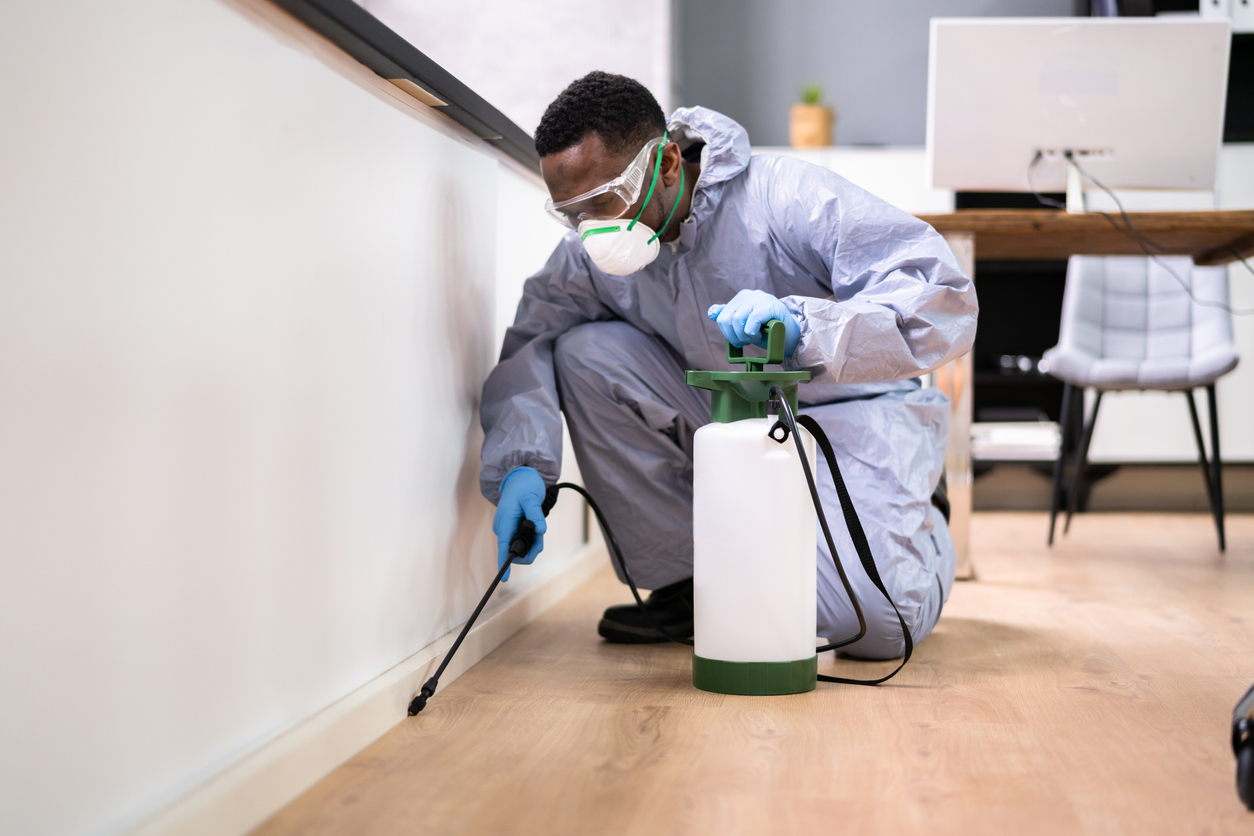


A single pest complaint can do serious damage to a short-stay business. One guest sees a cockroach in the bathroom, wakes up with bedbug bites, hears scratching in the ceiling, or spends the night fighting mosquitoes, and the review can hurt bookings for weeks. In Nairobi, Mombasa, Naivasha, Diani, Kisumu, Nanyuki, and Kilifi, where Airbnb units and guest houses compete heavily, reputation is everything.
Short-stay rentals are not like ordinary homes. A family house may host the same people every day and fumigate only when pests appear. An Airbnb in Kilimani, a guest house in Diani, or a serviced apartment in Westlands deals with constant guest movement, luggage, food deliveries, cleaning pressure, and tight check-in schedules. Every guest brings their own habits, bags, clothes, and sometimes pests.
That is why fumigation for Airbnb and guest houses Kenya hosts need should be planned as part of hospitality management, not treated as an emergency after a bad review. The goal is not just to kill pests when they appear. It is to prevent them from appearing in the first place, catch early signs quickly, and respond professionally when a guest raises a concern.
Why Short-Stay Rentals Have Higher Pest Risk
Short-stay rentals experience more human movement than normal homes. Guests come from airports, hotels, hostels, buses, conferences, upcountry visits, coastal holidays, and other rentals. Bedbugs can hide in luggage, clothes, backpacks, and laptop bags. Cockroaches can come in with food packaging. Fleas may come from pets where pet-friendly stays are allowed. Mosquitoes enter when guests leave doors and windows open.
In regular homes, you control most of the movement. In short-stays, you do not. One guest may eat in bed, another may leave takeaway containers overnight, and another may keep windows open all evening near a garden or drainage area. Cleaners may have only a few hours to reset the unit before the next check-in. Hapo ndio risk huanza.
Furniture and décor also matter. Many hosts buy second-hand beds, sofas, carpets, curtains, headboards, and side tables to reduce setup costs. That is understandable because furnishing a rental is expensive. But second-hand furniture can carry bedbugs, cockroach eggs, fleas, or hidden termite damage. A beautiful fabric headboard may look good in photos but become a bedbug hiding spot later.
Why Pest Complaints Hurt Airbnb and Guest House Businesses
Guests are not patient with pests. A tenant in a long-term rental may call the caretaker and wait for fumigation. A guest who paid for two nights in an Airbnb may complain immediately, request a refund, leave early, and post a review. Online platforms make this risk even bigger because one detailed complaint can be visible to future guests for a long time.
Bedbugs are especially damaging because guests associate them with poor hygiene, even though they can enter clean spaces through luggage and furniture. Cockroaches create doubts about kitchen cleanliness. Rats cause fear and disgust. Mosquitoes may be expected in some regions, but if guests find no nets, no repellent, and no prevention, they may feel the host was careless.
For guest houses, lodges, and licensed accommodation businesses, pest control records may also matter during inspections. A fumigation certificate, service report, or receipt can help show that the property is being maintained. Even for small hosts, keeping pest control records is smart because they help if a guest makes a complaint or a platform dispute arises.
Bedbugs: The Biggest Threat to Short-Stay Rentals
Bedbugs are one of the most serious pest problems for Airbnbs, guest houses, hostels, and serviced apartments. They hide in mattress seams, bed frames, headboards, sofa cushions, curtains, wall cracks, sockets, bedside tables, and luggage storage areas. They feed at night and can go unnoticed until a guest wakes up with bites.
Short-stay rentals are high risk because guests travel with bags and clothes. A guest may unknowingly bring bedbugs from another hotel, bus seat, hostel, or rental. Bedbugs may also come through second-hand furniture or neighbouring units in apartment blocks.
Hosts in areas like Westlands, Kilimani, Kileleshwa, Roysambu, Ruaka, Syokimau, Naivasha, Diani, and Mtwapa should take bedbug prevention seriously. A small infestation can grow quickly if the unit has frequent bookings and limited inspection time.
The best prevention is regular inspection. Cleaners should check mattress seams, bed frames, headboards, sofa corners, curtain folds, and wall cracks during turnovers. Use light-coloured bedding where possible because black spots, blood marks, and shed skins are easier to see. Mattress encasements can also help because they reduce hiding places and make inspection easier.
If bedbugs are found, block the calendar immediately. Do not host another guest until treatment and inspection are done. For serious cases, follow-up treatment may be needed because eggs can hatch after the first fumigation.
Cockroaches: Small Sightings, Big Reviews
Cockroaches are common in short-stay rentals, especially units with kitchens. They hide behind fridges, under sinks, inside cabinets, around cookers, near bins, in drains, and behind appliances. In apartments, they may come from garbage chutes, shared drains, neighbouring units, or food businesses in the building.
German cockroaches are especially troublesome because they are small, fast, and breed quickly. A guest may only see one at night, but that one sighting can be enough for a bad review. In coastal rentals and older Nairobi buildings, larger cockroaches may come from drains or sewers, especially during rains.
Cockroach control for Airbnb and guest houses should focus on prevention. Cleaners should remove food crumbs, wipe grease, empty bins, check under sinks, and inspect behind appliances. Food should be stored in sealed containers where the host provides supplies such as tea, sugar, coffee, or cereals.
For treatment, gel bait is often useful because it is targeted and low-odour. Residual treatment and drain attention may be needed where infestations are active. Fogging alone may not solve cockroaches if nests, egg cases, drains, or garbage areas are ignored.
Rats and Mice: The Guest Panic Problem
Rats and mice can destroy guest confidence immediately. Scratching sounds in the ceiling, droppings in cabinets, chewed food packets, or a rat running across the room can lead to refunds, early checkouts, and strong complaints.
Short-stay rentals in older buildings, compounds with gardens, coastal homes with roof spaces, and properties near markets or food outlets may be more exposed. In places like Ngara, Eastleigh, Mombasa Old Town, Naivasha, Nanyuki, and some standalone homes in Karen or Runda, rodents may enter through ceilings, vents, drains, stores, gaps under doors, and roof spaces.
Rodent control should focus on entry points. Poison alone is risky and may create a worse problem if a rat dies inside a wall or ceiling and starts smelling. In guest spaces, traps, bait stations outside, sealing holes, waste control, and store management are usually safer and more practical.
Hosts should check for droppings during cleaning, especially behind fridges, under kitchen cabinets, in stores, and near bins. If rodents are heard or seen, act immediately before the next guest arrives.
Mosquitoes in Coastal, Lake, and Safari Destinations
Mosquitoes may not shock guests in the same way bedbugs do, but they can still damage the experience. In Mombasa, Diani, Kilifi, Kisumu, Naivasha, Watamu, Malindi, and safari destinations, guests expect some mosquito prevention. If they are bitten all night and find no net, no screens, no coils, no repellent, and no explanation, they may mention it in the review.
Mosquito control is especially important in areas where guests worry about malaria, dengue, or general discomfort. Hosts should provide mosquito nets where appropriate, repair window screens, keep doors fitted properly, clear stagnant water, and treat outdoor areas where needed.
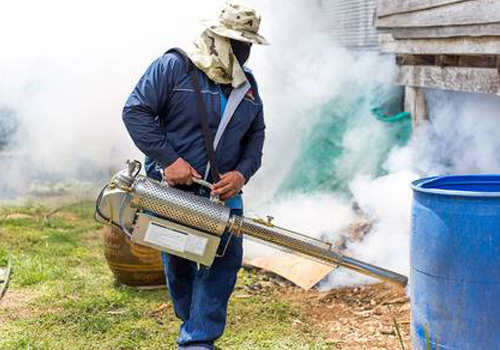
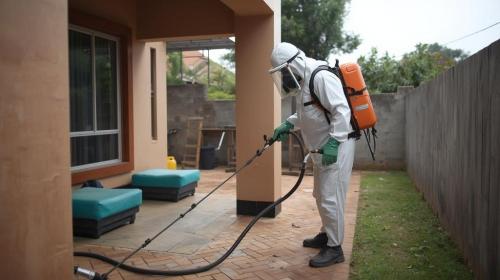
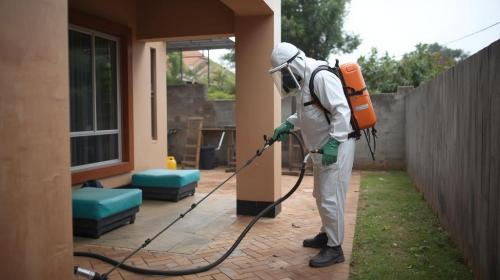
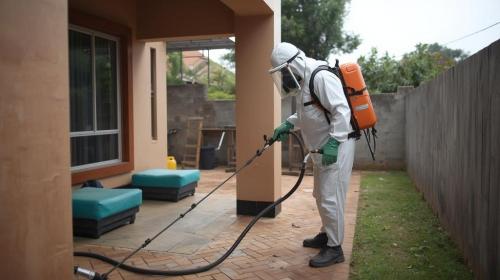
Fogging can help in compounds and guest houses, especially around gardens, verandas, and outdoor sitting areas. However, fogging alone will not work if gutters are blocked, buckets hold water, or flower pots collect rainwater. Mosquito prevention is a routine maintenance task, not just a fumigation event.
How Often Should Short-Stay Rentals Be Fumigated?
For many active Airbnb units and guest houses in Kenya, professional fumigation every three months is a practical baseline. This helps control cockroaches, ants, mosquitoes, and early pest activity before guests notice. In high-turnover units, coastal properties, food-heavy guest houses, or buildings with previous pest issues, treatment every two months may be worth considering.
Bedbug inspection should happen more often than fumigation. A cleaner or host should inspect beds and sofas at least monthly, and ideally during every turnover where possible. It only takes a few extra minutes to check mattress seams, headboards, sofa corners, and bedside areas.
Before peak seasons, fumigation is especially important. Coastal properties should prepare before December holidays and long weekends. Nairobi Airbnbs may need extra checks before August, December, and conference-heavy periods. Lodges and guest houses should plan around Easter, school holidays, festive travel, and local events.
The right schedule depends on occupancy, location, pest history, and building type. A rarely booked studio may not need the same schedule as a busy two-bedroom in Westlands hosting multiple guests every week.
What Type of Fumigation Works Best for Short-Stays?
Short-stay rentals need methods that are effective, safe, low-odour where possible, and compatible with quick turnovers. Strong-smelling treatments done just before check-in can create guest complaints even if pests are gone.
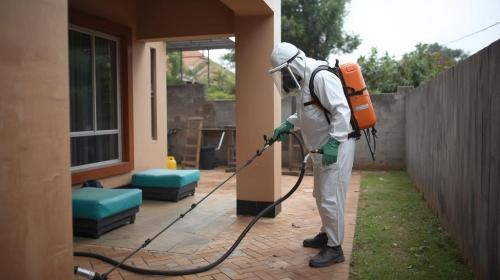
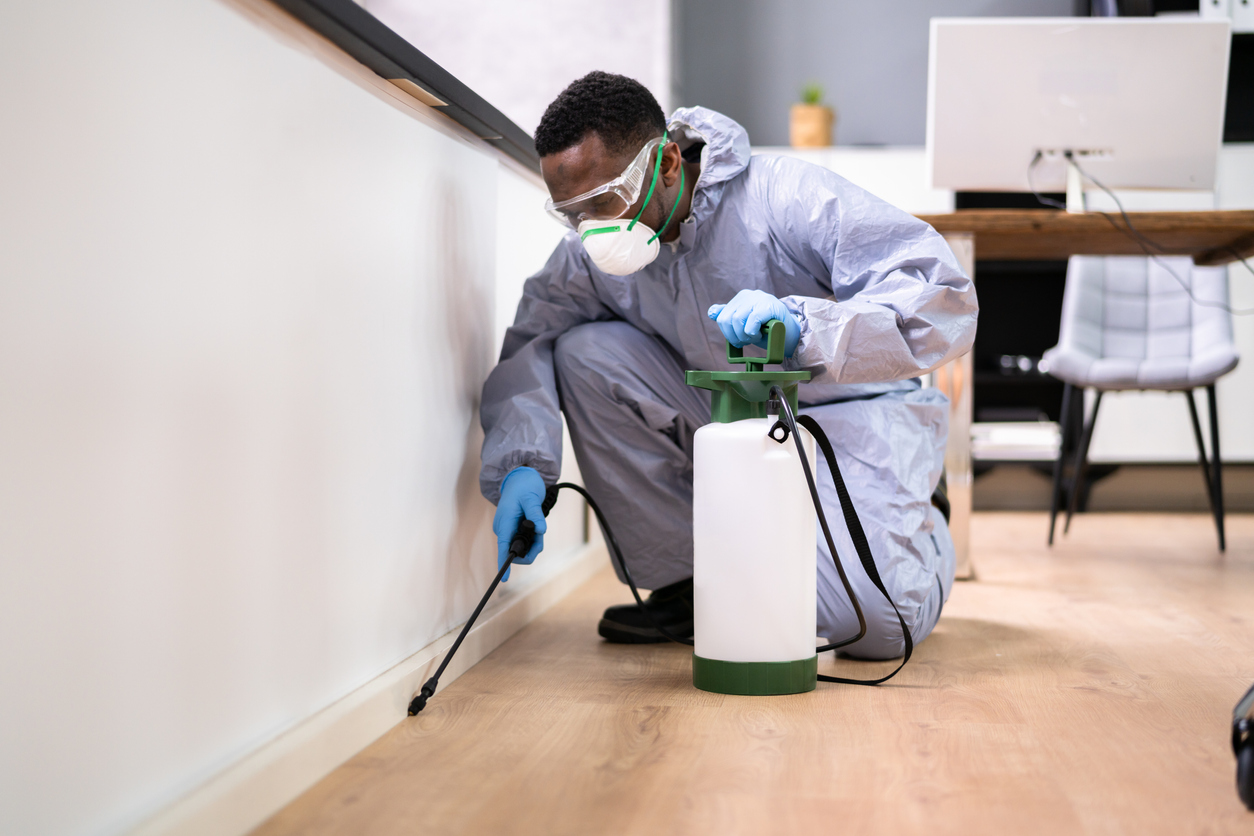
For bedbugs, proper treatment should include mattresses, bed frames, headboards, sofas, curtains, wall cracks, and skirting boards. Heat treatment can be effective where available, but it may cost more. Chemical treatment must be followed by enough ventilation and, in many cases, a follow-up visit. Bedding, curtains, and removable fabrics should be washed and dried properly.
For cockroaches, gel bait and targeted treatment are often better than blanket spraying. Gel bait can be placed in cabinet corners, hinges, under sinks, and behind appliances. Drain treatment may be needed where roaches come from plumbing.
For mosquitoes, combine indoor and outdoor control. Provide nets and screens, remove breeding water, and fog outdoor spaces during high-risk seasons where necessary.
For rats and mice, use professional proofing, traps, and safe bait station placement. Do not place poison carelessly inside guest areas.
What to Do If a Guest Reports Pests
How you respond can determine whether the issue becomes a bad review or a manageable complaint. Respond quickly and calmly. Do not argue or dismiss the guest. Ask for photos if appropriate, apologise for the inconvenience, and offer a practical solution such as moving them, refunding part of the stay, or arranging immediate inspection.
If the complaint involves bedbugs, take it seriously. Block the unit until it is inspected and treated. Do not assume the guest is exaggerating. At the same time, document everything. Take photos, keep cleaning records, save fumigation receipts, and note inspection dates.
If the complaint involves cockroaches, send a cleaner or pest control provider quickly, especially if the guest is still staying. For rats, act immediately and consider moving the guest because fear can make the stay unbearable.
Do not send a cleaner with a random spray can and call it solved. For serious pest complaints, use a professional and keep the service record. If you need urgent help, The Real Plug can help users find vetted pest control professionals, fumigation experts, and service providers in Kenya, including providers who understand short-stay urgency and documentation needs.
Cleaning Habits That Reduce Pest Risk
Cleaning between guests should go beyond changing bedsheets and wiping surfaces. The cleaner should inspect pest-prone areas every time. Check under the bed, behind the fridge, inside kitchen cabinets, around the dustbin, under the sink, behind curtains, and in sofa corners.
Bins should be emptied after every guest. Food leftovers should be removed completely. Counters should be wiped, floors swept and mopped, and drains checked. Crumbs under sofas and beds attract cockroaches and ants. Food packaging left in cabinets can attract pests before the next guest arrives.
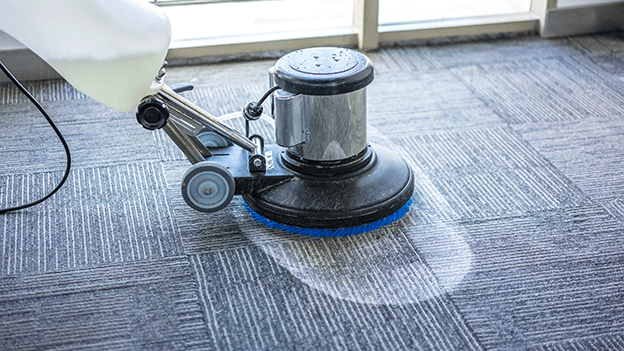
Vacuuming is useful where carpets, rugs, and fabric sofas are used. After vacuuming a suspected bedbug or flea area, dispose of contents carefully. In coastal and humid areas, soft furnishings should be aired regularly because dampness attracts pests.
Furnishing Choices That Make Pest Control Easier
The way you furnish a short-stay rental can either reduce or increase pest risk. Simple bed frames are easier to inspect than heavy upholstered beds. Metal or smooth wooden frames are often easier to manage than fabric headboards with many seams. Light-coloured bedding helps cleaners spot bedbug marks early.
Avoid second-hand mattresses unless they are professionally inspected and treated before use. Be careful with used sofas, rugs, curtains, and wooden furniture. If you must buy second-hand items, inspect seams, joints, screw holes, and hidden corners before bringing them into the unit.
Reduce clutter. Too many decorative baskets, fabric throws, old books, rugs, and storage boxes create hiding places. A clean, simple, easy-to-inspect space is better for both guests and pest prevention.
Door sweeps, window screens, sealed food containers, covered bins, and proper drainage also help. These may look like small details, but they reduce repeat complaints.
Records, Certificates, and Professional Proof
Short-stay hosts should keep pest control records. This includes fumigation dates, provider details, receipts, certificates where issued, products or methods used, and follow-up dates. Guest houses and licensed accommodation businesses may need these records during inspections.
Records also protect hosts during platform disputes. If a guest claims a pest issue and you have recent inspection and fumigation records, you can respond with evidence. This does not guarantee the platform will always side with you, but it shows professionalism.
For property managers handling several units, records help track patterns. If one building keeps getting cockroaches despite unit treatment, the issue may be the garbage chute or shared drains. If bedbug complaints happen after peak travel periods, inspections can be increased at those times.
Working With Building Management
Many Airbnbs and serviced apartments operate inside shared apartment buildings. In such cases, the host cannot solve every pest problem alone. Cockroaches may come from garbage rooms, chutes, drains, or neighbouring units. Bedbugs may spread through shared walls. Rats may come from basements or stores.
Hosts should communicate with building management when pests appear. Ask whether common areas are treated regularly. Report garbage problems, drainage issues, and pest sightings in corridors or basements. If several units are affected, coordinated fumigation may be needed.
Trying to fix a building-wide pest issue inside your unit alone can become expensive and frustrating. In flats, pests often win when everyone acts separately.
Prevention Checklist for Airbnb and Guest House Hosts
Daily or between guests, remove food waste, empty bins, wipe kitchen surfaces, check for droppings, air rooms, and inspect beds quickly. Weekly, check mattress seams, clean behind appliances, pour hot water or disinfectant down drains where appropriate, and inspect under sinks.
Monthly, inspect sofas, curtains, stores, headboards, skirting boards, and cracks. Check for leaks, clutter, and moisture. Quarterly, book professional fumigation, especially for active short-stay units. Before peak seasons, do a deeper inspection and treatment if needed.
After any pest complaint, block the unit if necessary, inspect thoroughly, treat professionally, document the action, and only reopen when you are confident the space is ready.
Final Thoughts
Fumigation for Airbnb and guest houses Kenya hosts manage is not just a maintenance expense. It is part of protecting ratings, revenue, guest comfort, and business reputation. Bedbugs, cockroaches, rats, and mosquitoes can turn a good listing into a risky one if prevention is ignored.
The best approach is a system. Inspect regularly, clean beyond the visible areas, fumigate on a schedule, choose furniture that is easy to check, keep records, and act fast when guests complain. Prevention is cheaper than refunds, bad reviews, blocked calendars, and emergency treatment.
Short-stay guests may only be in your property for one or two nights, but their review can stay online for years. Keep the unit pest-free, document your efforts, and work with professionals who understand the urgency of hospitality spaces. In this business, a clean bed and a quiet night are not small details. They are the reason guests book again.