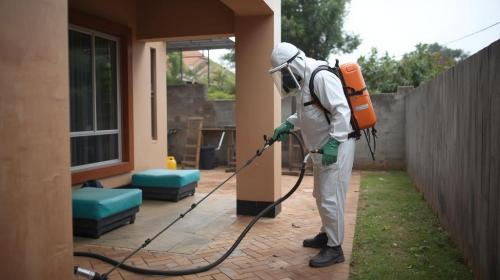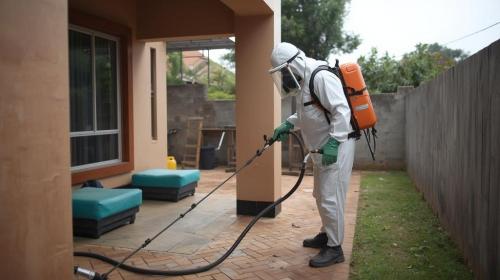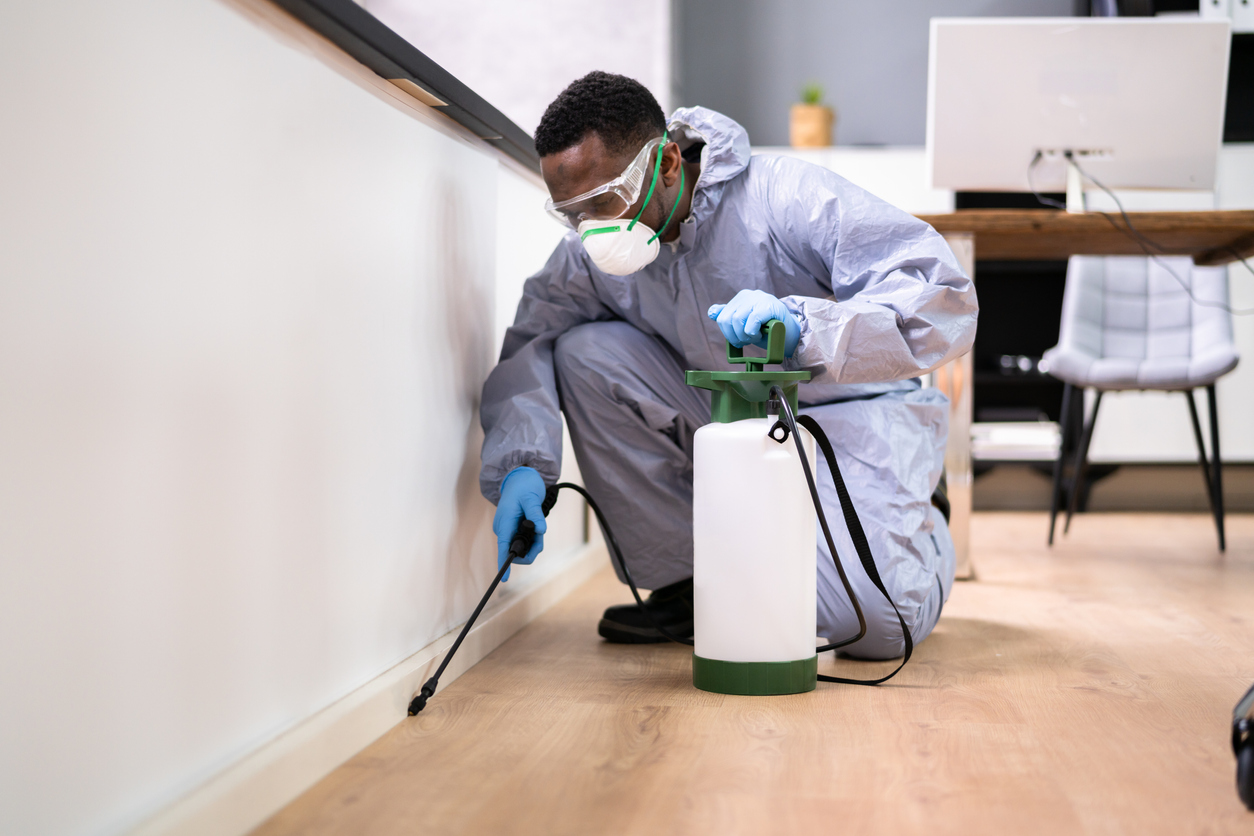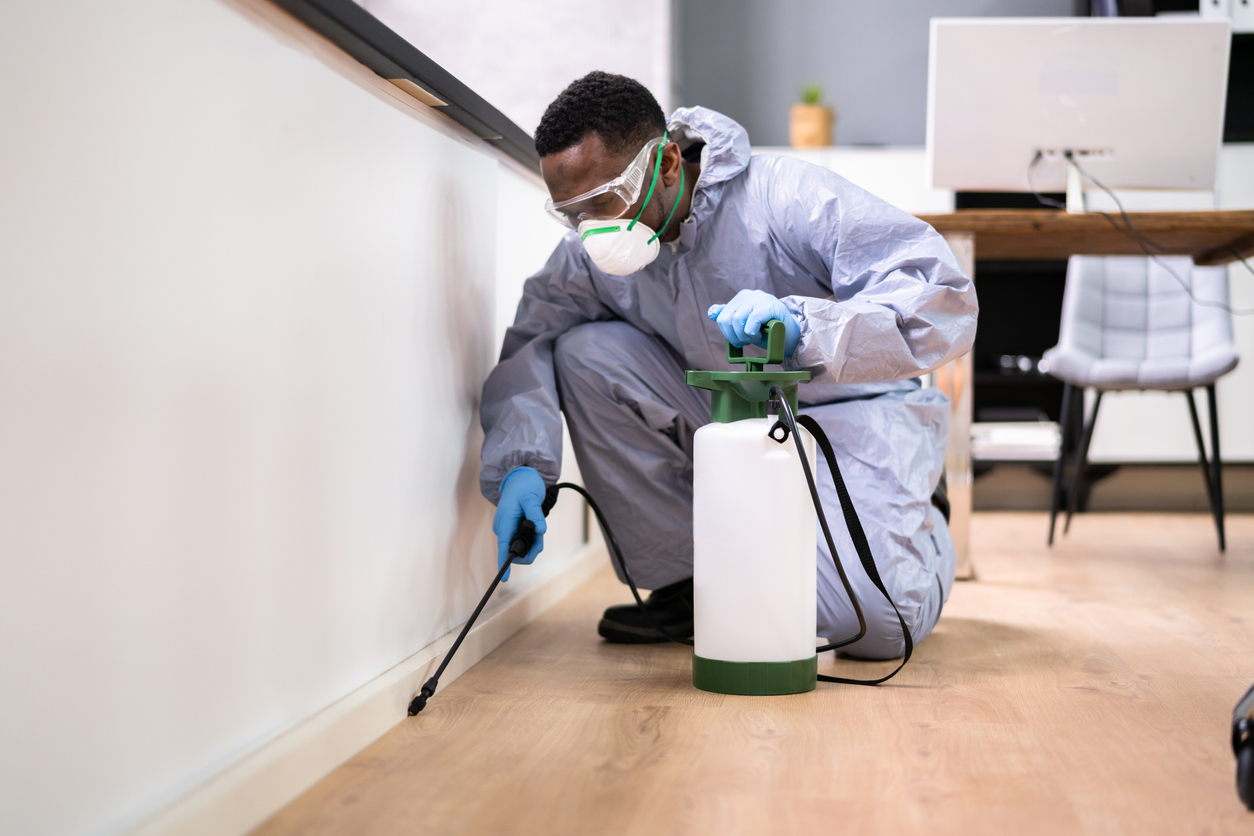


Pests in a rental house can turn a normal living situation into a stressful one very quickly. One day you notice a few cockroaches near the kitchen sink. A week later, they are coming out of cabinet corners at night. Or maybe you move into a bedsitter in Roysambu, only to wake up with bedbug bites after the first few nights. At that point, the question is no longer whether fumigation is needed. It becomes who should pay for fumigation in a rental house, the tenant or the landlord?
In Kenya, this question comes up often in apartments, bedsitters, hostels, gated communities, standalone houses, and commercial rentals. Unfortunately, the answer is not always straightforward. Responsibility depends on when the pest problem started, what caused it, what the lease agreement says, and whether the issue affects one house or the whole property.
For tenants, fumigation costs can feel unfair if the house already had pests before moving in. For landlords, it can be frustrating to pay repeatedly when a tenant’s habits are attracting pests. The fairest answer usually comes down to evidence, communication, and common sense.
Why Fumigation Responsibility Matters in Kenyan Rentals
Fumigation is not just a small housekeeping issue. In many Kenyan towns, pest control can cost anything from a few thousand shillings for a small unit to much more for larger homes, estates, hostels, restaurants, or apartment blocks. A one-bedroom house in Nairobi, Kiambu, Nakuru, Mombasa, or Kisumu may need more than one treatment if the infestation is serious, especially with bedbugs, termites, or rats.
The cost is only one part of the problem. Pests affect comfort, health, property, and trust. Cockroaches can contaminate food. Bedbugs can make sleeping almost impossible. Rats can damage wires, ceilings, stored food, and household items. Termites may damage wooden fittings, doors, and furniture. Mosquitoes can become a serious nuisance in areas with stagnant water, bushes, or poor drainage.
For landlords, pests can damage the reputation of a property. Tenants may leave, complain publicly, or discourage others from renting there. For tenants, living in an infested house can feel like paying rent for stress. That is why it helps to understand where responsibility begins and ends.
The General Rule: The Cause and Timing Matter Most
The most practical way to decide who pays for fumigation in a rental house is to ask two questions. Was the pest problem already there before the tenant moved in? And did the tenant’s actions or the landlord’s property condition contribute to the infestation?
Kenyan rental arrangements vary widely. Some tenants have formal leases, while others have simple agreements through caretakers, agents, or landlords. Even where the agreement is informal, the same basic idea usually applies. A landlord should provide a reasonably habitable house, while a tenant should keep the house clean and use it responsibly.
If the House Had Pests Before the Tenant Moved In
If pests were already present before the tenant occupied the house, the landlord should normally handle fumigation. A rental house should be clean, safe, and fit for occupation at the start of the tenancy. If someone moves into a studio apartment in Ruaka and discovers bedbugs within the first few days, it is hard to argue that the tenant caused the infestation.
This is why inspection before moving in matters. Tenants should not only check water pressure, sockets, tiles, locks, and paintwork. They should also look for signs of pests. Check kitchen cabinets, bathroom corners, skirting boards, wardrobes, ceiling spaces, mattress seams if the house is furnished, and dark areas behind appliances.
Common warning signs include droppings, egg cases, shed insect skins, bite marks on wood, dead insects, unusual smells, and tiny blood spots on bedding. If you notice anything suspicious before or immediately after moving in, report it in writing. A WhatsApp message, photos, and a short note to the landlord, agent, or caretaker can help avoid future arguments.
If Pests Appear During the Tenancy
If pests appear after a tenant has lived in the house for some time, responsibility depends on what likely caused the problem. Tenants are generally expected to maintain cleanliness inside their rented space. Leaving food uncovered, piling up garbage, storing dirty dishes for days, or bringing in infested second-hand furniture can attract or introduce pests.
For example, bedbugs often enter homes through mattresses, sofas, clothes, luggage, or second-hand furniture. A tenant who buys an untreated mattress or couch from a crowded market or previous household may unknowingly bring bedbugs into the house. In such a case, the tenant may reasonably be expected to pay for treatment of their unit.
Cockroaches may also multiply where food waste is not managed properly. Rats may be attracted by stored grains, open dustbins, or cluttered storage areas. Fleas can spread where pets are kept without proper hygiene. In these situations, the tenant may carry the cost if the infestation is linked to how the house is being used.
However, not every infestation during a tenancy is the tenant’s fault. If pests are entering through broken sewer lines, gaps in the ceiling, cracks in walls, poor drainage, uncollected garbage in the compound, or overgrown bushes, the landlord should take responsibility. These are property maintenance issues, not personal housekeeping issues.
A useful way to think about it is this: the tenant is responsible for the condition of their household habits, while the landlord is responsible for the condition of the building and shared areas.
What If the Infestation Affects the Whole Building?
In many apartment blocks, pests do not respect unit boundaries. Cockroaches can move through drainage systems, wall cracks, shared ducts, and ceiling spaces. Bedbugs can spread from one unit to another, especially in closely packed bedsitters, hostels, and low-rise apartments. Rats may move from stores, garbage areas, ceilings, and nearby plots into several units.
Where the problem affects several houses, the landlord or property manager usually needs to organize general fumigation. Treating one unit alone may not solve the issue. In fact, pests may simply move next door and return later. This is common in flats in areas such as Embakasi, Pipeline, Githurai, Donholm, Ngara, Mombasa Island, and student hostels near universities.
In managed estates and apartment blocks, fumigation of common areas may be included in the service charge. This may cover corridors, dustbin areas, gardens, basements, parking areas, drains, and shared stores. Still, tenants may be asked to handle fumigation inside their own houses if the problem is isolated to their unit.
The fairest arrangement is often shared responsibility. The landlord handles the building-wide treatment and structural causes, while tenants cooperate by cleaning their units, preparing rooms before fumigation, and following safety instructions after treatment.
What the Lease Agreement Says About Fumigation
A written tenancy agreement can make things clearer. Some leases in Kenya include a pest control clause. The clause may state that the landlord will fumigate before handover, that tenants are responsible after occupation, or that general fumigation will be done regularly as part of property management.
Before signing a lease, tenants should read the maintenance section carefully. Do not assume fumigation is automatically covered. Ask the landlord or agent direct questions. Who pays if bedbugs are found in the first week? Who handles cockroaches from shared drains? Is there scheduled fumigation for the compound? Are tenants allowed to bring pets? Are there rules on garbage disposal?
Where possible, get the answer in writing. It does not have to be a long legal document. Even a clear WhatsApp message can help show what both sides agreed. For landlords, adding a simple pest control clause can prevent confusion later. It also shows professionalism, especially in apartments with many tenants.
If the lease is silent, the discussion usually returns to cause, timing, and reasonableness. The landlord should provide a habitable house, and the tenant should keep it in good condition.
Common Pest Situations and Who May Pay
Different pests create different responsibility questions. Bedbugs are one of the most disputed because they can be brought in through furniture or already exist in walls, beds, or neighboring units. If they appear immediately after move-in, the landlord should usually act. If they appear months later after the tenant brings in used furniture, the tenant may need to pay.
Cockroaches are also tricky. A few cockroaches coming from a shared drainage line may point to a building issue. Heavy infestation caused by dirty kitchen habits may point to tenant responsibility. Rats often suggest access points, garbage problems, or structural gaps, so landlords may need to inspect ceilings, drains, doors, and waste areas.
Termites are more likely to be a property or environmental issue, especially where they attack wooden fittings, door frames, or roofing materials. The landlord may be expected to handle structural termite treatment, although tenants should still report early signs before damage gets worse.
Mosquitoes depend on the source. If stagnant water, blocked drains, or overgrown grass in the compound are the cause, the landlord or property manager should address it. If mosquitoes are breeding from containers, buckets, or neglected items inside a tenant’s space, the tenant should correct that.
How Tenants Can Protect Themselves
Tenants should inspect a house carefully before moving in and report pest signs immediately. This is especially important in furnished houses, bedsitters, shared compounds, and older buildings. Once you have lived in a unit for several months, it becomes harder to prove that pests were already there.
Keep communication polite but clear. Instead of making accusations, state what you have observed and ask for inspection or fumigation. Take photos where possible. Save receipts if you pay for emergency fumigation after notifying the landlord. Avoid using random chemicals without understanding safety risks, especially in homes with children, pets, elderly people, or people with allergies.
It is also wise to avoid bringing untreated second-hand furniture straight into the house. Many Kenyans buy affordable furniture from markets, online sellers, or previous tenants, which is practical, but it comes with risk. Inspect sofas, beds, mattresses, and wardrobes properly. Where necessary, clean or treat them before bringing them indoors.
How Landlords Can Prevent Disputes
Landlords can avoid many fumigation disputes by preparing units properly before new tenants move in. A clean coat of paint is not enough if cockroaches are hiding in cabinets or bedbugs are in cracks. Fumigating between tenants, fixing leaks, sealing gaps, repairing broken ceilings, and managing waste areas helps protect the property.
Good landlords also act quickly when several tenants complain. Ignoring pest reports can make the issue worse and more expensive. In multi-unit buildings, regular inspection of garbage points, drains, stores, corridors, and roof spaces can reduce recurring infestations.
It also helps to keep records. Receipts from fumigation companies, inspection reports, tenant complaints, and maintenance messages can be useful if there is a disagreement later. A landlord who can show that the house was fumigated before handover is in a stronger position if a tenant later introduces pests through poor hygiene or infested furniture.
Choosing a Reliable Fumigation Provider
Whether the tenant or landlord pays, the quality of fumigation matters. Cheap sprays from a kiosk may kill visible insects for a short time, but they may not deal with eggs, nests, hiding places, or the real source of the infestation. Poor chemical handling can also be risky.
A reliable pest control provider should explain the treatment process, safety precautions, preparation steps, re-entry time, and whether follow-up treatment is needed. For bedbugs, one visit may not always be enough. For rats, fumigation alone may not solve the problem if entry points are not sealed. For cockroaches, treating drains, cabinets, and hidden cracks may be necessary.
When comparing providers, check whether they have experience with residential properties and whether they can give clear pricing before starting. Platforms such as The Real Plug can help users find vetted professionals, service providers, and businesses in Kenya, especially when they are not sure where to begin.
How to Resolve Fumigation Disputes Fairly
The best first step is a calm conversation. A tenant can explain when the pests appeared, where they are concentrated, and whether neighboring units are affected. A landlord can ask reasonable questions without immediately blaming the tenant.
If the cause is unclear, consider getting a professional inspection. The fumigator may not always prove the source with perfect certainty, but they can often tell whether an infestation is old, widespread, structural, or linked to specific habits.
After that, check the lease and agree on payment. Sometimes the fairest solution is to split the cost. For example, a landlord may pay for compound and shared area treatment while the tenant pays for their own mattress or furniture treatment. Whatever you agree, put it in writing. A simple message confirming the amount, date, and responsibility can prevent future confusion.
Tenants should avoid withholding rent without proper advice, as this can create bigger legal problems. Landlords should also avoid unlawful actions such as locking a tenant out, removing belongings, or deducting money from the deposit without a valid basis. If the issue becomes serious, parties may seek guidance from the relevant housing office, tribunal, legal professional, or local authority depending on the nature of the tenancy.
Final Thoughts
So, who pays for fumigation in a rental house in Kenya? The honest answer is that it depends on the facts. If the house was already infested before the tenant moved in, the landlord should usually take responsibility. If pests appear because of the tenant’s habits, belongings, or negligence, the tenant may be expected to pay. If the issue comes from the building, shared areas, drainage, garbage management, or several affected units, the landlord or property manager should step in.
The smartest approach is to prevent the dispute before it starts. Inspect the house before moving in. Read the lease. Report problems early. Keep the house clean. Fix building defects quickly. Use qualified pest control providers instead of guessing with unsafe chemicals.
Pests do not care who is right in an argument. They spread while people delay. Acting early, fairly, and with proper information keeps rental homes healthier, relationships calmer, and costs easier to manage.