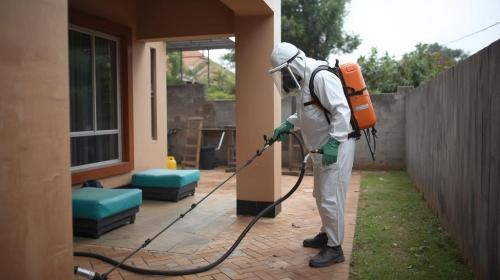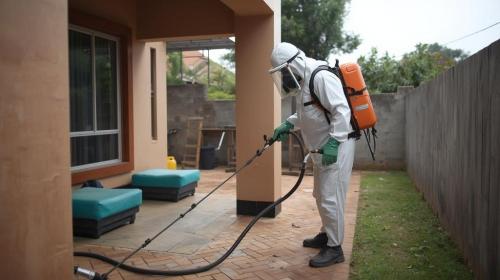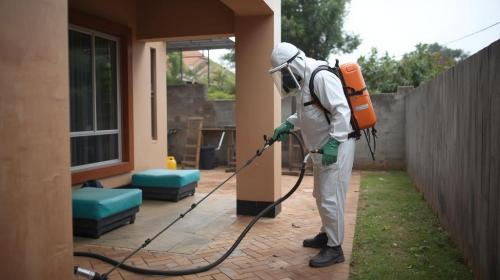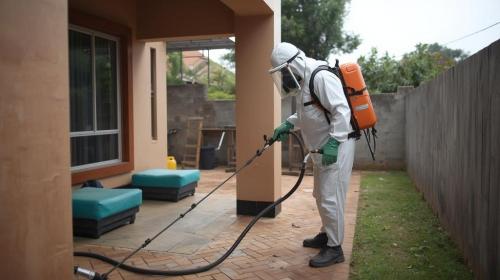


Living in a bedsitter or single room can make a lot of sense, especially in towns where rent keeps rising. A bedsitter in Pipeline, a single room in Githurai, a small unit in Rongai, or a student room near a campus may be affordable, easier to clean, and close to work, school, matatu routes, or markets. But once pests enter that small space, the comfort disappears quickly.
In a larger house, cockroaches may first hide in the kitchen while bedbugs remain in one bedroom. In a bedsitter, everything is close together. Your bed, cooking area, clothes, shoes, food storage, and electronics are all within a few steps of each other. That means pests spread faster, hide in more places, and affect your daily life more directly.
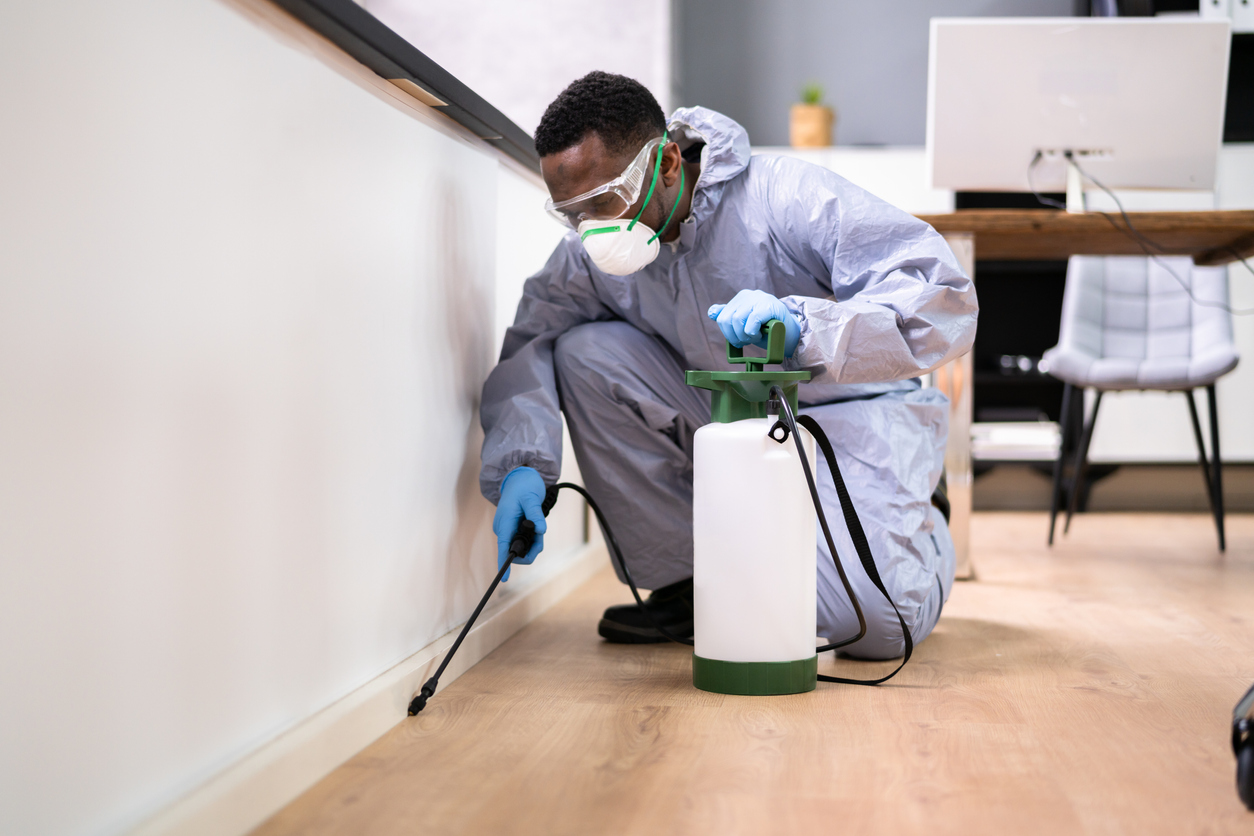
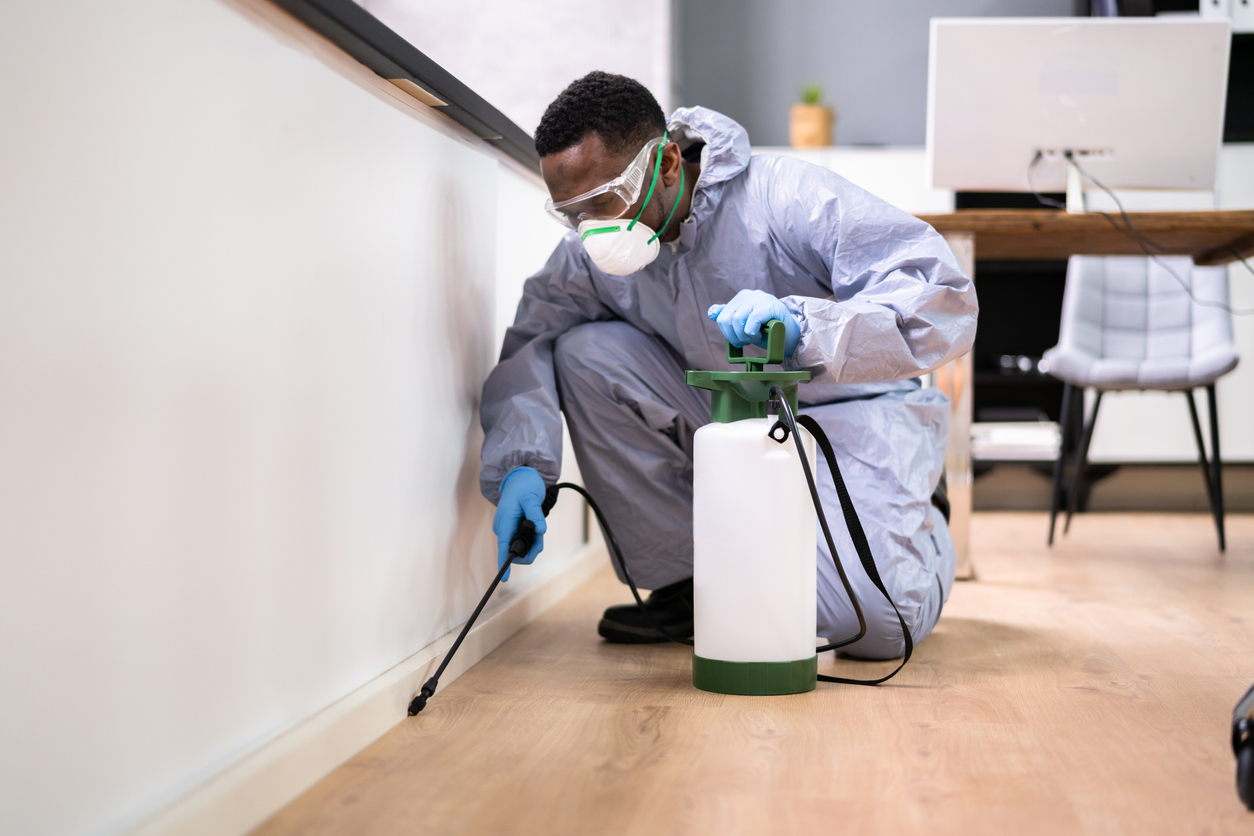
This is why fumigation services for bedsitters Kenya residents use should be practical, safe, and suited to small spaces. It is not enough to spray strong chemicals and hope for the best. A good fumigation job considers the type of pest, the layout of the room, neighboring units, shared toilets or bathrooms, safety, preparation, and follow-up treatment where needed.
Why Bedsitters and Single Rooms Attract Pests Easily
Bedsitters and single rooms are not dirty by default. Many tenants keep them clean and organized. The challenge is that small rental units often sit in densely populated plots where many people share walls, drainage lines, staircases, bathrooms, and garbage areas. If one unit has pests, nearby rooms may be affected sooner or later.
Cockroaches are a common problem in areas with shared drainage, old plumbing, or poor waste collection. They can move through pipes, wall cracks, sockets, door gaps, and ceiling spaces. You may clean your room properly, but if the shared dustbin area is overflowing or a drainage line is broken, roaches may still find their way in.
Bedbugs are another serious concern, especially in places where tenants move in and out often. Bedsitters in areas like Kasarani, Umoja, Kahawa West, Zimmerman, Mtwapa, and parts of Nakuru or Eldoret often have high tenant turnover. A previous tenant may leave behind bedbugs in wall cracks, wooden bed joints, curtain rods, or mattress seams. New tenants may also unknowingly bring them in through second-hand beds, sofas, luggage, or clothing.
Rats and mice are common where there are open drains, nearby food stalls, markets, stores, bushy compounds, or poorly sealed doors. In single rooms with food stored under the bed or in open containers, the problem can grow fast.
The main point is simple. In small rental spaces, pests are rarely just a personal issue. They are often connected to the wider building, shared facilities, and daily habits inside and outside the room.
How Professional Fumigation Works in a Bedsitter or Single Room
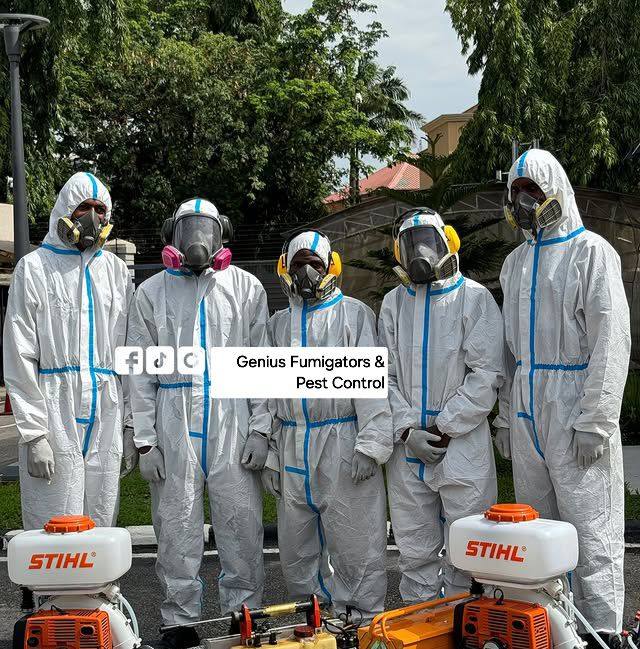
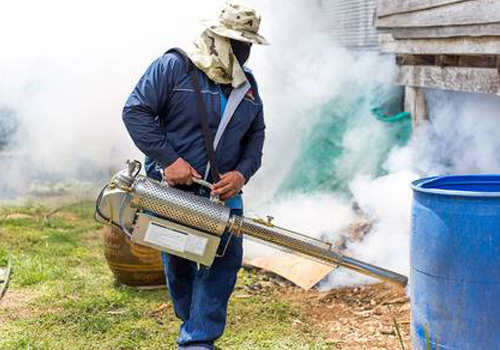
Professional fumigation in a small unit should begin with inspection. A serious technician will not just enter the room and start spraying. They need to know what pest is present, how serious the infestation is, where the pests are hiding, and whether the source is inside the room or coming from outside.
For bedbugs, the technician may check the mattress, bed frame, wall cracks, curtain area, wooden furniture, sockets, suitcase corners, and places where clothes are stored. For cockroaches, they may inspect the sink area, kitchen shelves, fridge back, gas cylinder area, dustbin, drainage openings, and dark corners. For rats, they will look for holes near pipes, ceiling boards, doors, and storage areas.
After inspection, the provider should explain the treatment plan. A bedsitter does not need to be soaked in chemicals. In fact, too much chemical in a small, poorly ventilated room can be unsafe. Good pest control is targeted. It focuses on hiding spots, breeding points, entry points, and areas where pests are likely to move.
For cockroaches, many professionals use gel bait in corners, behind appliances, under sinks, and near cabinet hinges. The roaches feed on the bait and carry the effect back to their hiding areas. For bedbugs, the treatment may involve residual sprays on bed frames, wall cracks, furniture joints, and other hiding spots. In some cases, heat treatment may be recommended, although it may cost more and is not available everywhere.
For rats and mice, fumigation alone may not solve the problem. A reliable provider should also identify entry points and recommend sealing them. Otherwise, the rats may return even after bait or traps are used.
Preparing Your Bedsitter Before Fumigation
Preparation can determine whether fumigation works or fails. Because a bedsitter contains almost everything you own in one room, you need to prepare carefully before the technician arrives.
Start by removing clutter. Pests hide in cardboard boxes, old newspapers, piles of clothes, unused bags, and items kept under the bed. If the room is crowded, the technician may not reach important areas. Move furniture slightly away from the wall so cracks, corners, and bed joints can be treated.
Clothes, bedding, and curtains should be washed where necessary and packed in sealed bags. For bedbugs, heat is very useful, so drying clothes or bedding in strong sun or using high heat where available can help. Do not return untreated bedding to the room too quickly, or you may reintroduce pests.
Food, drinking water, utensils, toothbrushes, baby items, and pet bowls should be covered or removed. Electronics should be unplugged and protected. If you have fish, birds, cats, dogs, or other pets, ask the provider how to keep them safe during and after treatment.
Most fumigation providers will ask you to stay out of the room for a few hours. Depending on the product used, ventilation, and pest type, you may need to stay away longer. Do not ignore these instructions. A small room traps chemical smells more than a large house, especially if it has one window or poor airflow.
How Much Do Fumigation Services for Bedsitters Cost in Kenya?
The cost of fumigation services for bedsitters Kenya tenants pay depends on the town, pest type, level of infestation, room size, chemicals used, and whether follow-up treatment is included. Prices also vary between independent technicians and established pest control companies.
For cockroaches or ants in a bedsitter, many providers may charge around KSh 1,500 to KSh 3,000, depending on the method used and the location. Bedbug fumigation is usually more expensive because bedbugs are harder to eliminate. A single bedbug treatment for a bedsitter may range from about KSh 2,500 to KSh 5,000, but serious cases may need a second visit.
Rat and mice control may cost around KSh 2,000 to KSh 4,000 for a small unit, especially if the provider includes baiting, trapping, and checking entry points. General fumigation for several common pests may fall somewhere between KSh 3,000 and KSh 6,000 for a bedsitter or single room, depending on what is included.
These figures are only general estimates. Prices can change, so always ask for a clear quote before agreeing. A good quote should explain the pest being treated, the method used, the areas covered, safety instructions, expected results, and whether follow-up is included.
Be careful with extremely cheap offers. If someone promises complete bedbug removal for a very low price without inspecting the room or explaining the treatment, the service may not be reliable. At the same time, a small room should not automatically attract inflated pricing. Compare a few providers and ask practical questions before paying.
Choosing a Reliable Fumigation Provider
Fumigation in a bedsitter should be handled carefully because the space is small and personal. You sleep, cook, eat, and store your belongings in the same area. A careless provider can expose you to unsafe chemicals or fail to solve the problem properly.
Ask whether the provider is licensed, trained, and experienced in residential pest control. A professional should be able to mention the type of product or method they will use, not just say they have “strong dawa.” They should also explain how long you need to stay away, what to cover, what to wash, and how soon you can clean the room.
Look for someone who has handled small units before. Treating a bedsitter in Donholm, a hostel room in Juja, or a single room in Bamburi is different from treating a large office or warehouse. Small units need careful chemical use, proper ventilation advice, and attention to personal belongings.
It also helps to check reviews, compare prices, and confirm whether the provider offers a receipt or service report. If you are unsure where to begin, The Real Plug can help you find vetted professionals, service providers, and businesses in Kenya, including pest control providers who handle small residential spaces.
Should the Whole Plot Be Fumigated?
Sometimes treating one room is not enough. If you live in a plot where several tenants are complaining about bedbugs, cockroaches, or rats, the problem may be building-wide. In that case, fumigating only your room may give temporary relief, but the pests can return from neighboring units, shared ceilings, drains, or wall gaps.
This is common in closely built rental plots, student hostels, and older apartment blocks. Cockroaches may move from shared bathrooms or drainage lines. Bedbugs may spread from one room to another through cracks, furniture movement, or shared laundry areas. Rats may move through roof spaces and stores.
Talk to the caretaker, landlord, or property manager if you suspect the issue affects more than one unit. The best solution may be block fumigation, where common areas and affected rooms are treated together. The cost may be covered by the landlord, shared among tenants, or included in a service charge depending on the agreement.
Even if the whole plot cannot be fumigated immediately, you can still reduce risk by sealing gaps, using door sweeps, keeping food covered, removing clutter, and reporting shared-area problems early.
DIY Sprays Versus Professional Fumigation
Buying a spray from a supermarket or kiosk may help if you see one or two insects. It can also be useful for prevention. But once pests are breeding, DIY sprays often only kill what you can see. Bedbugs hide deep in seams, cracks, furniture joints, and wall spaces. Cockroaches may be nesting behind cabinets, in drains, or inside appliances.
The danger with repeated DIY spraying is that you may spend money every week without solving the problem. You may also expose yourself to chemical smells in a small room. Mixing different products can be risky, especially where ventilation is poor.
Professional fumigation costs more upfront, but it is usually better when the infestation is active, recurring, or spreading. This is especially true for bedbugs, rats, and heavy cockroach infestations. The provider can identify hiding places, use the right method, and advise on prevention after treatment.
What to Do After Fumigation
After fumigation, follow the provider’s instructions carefully. Do not rush to mop the entire room immediately if residual treatment was used. Some products need time to keep working. You can wipe food preparation surfaces, but ask the technician what should and should not be cleaned right away.
Ventilate the room well before sleeping inside. Open windows and doors where possible. If the smell remains strong, avoid spending the night there until it is safe. People with asthma, allergies, young children, or pets should be extra cautious and follow professional advice.
Monitor the room for the next few days. Seeing dead cockroaches after treatment may mean the bait or chemical is working. With bedbugs, a few may appear after the first treatment because eggs can hatch later. This is why follow-up is important. Do not panic too early, but do not ignore fresh bites after two weeks either.
Keep the room organized after fumigation. Store food in sealed containers, take out rubbish regularly, avoid keeping many cardboard boxes, wash bedding often, and inspect second-hand furniture before bringing it in.
Tenant and Landlord Responsibilities
In rental units, fumigation can raise questions about who should pay. If the room was already infested before you moved in, the landlord should normally be informed immediately and asked to handle the issue. Take photos, send a message, and keep records.
If the infestation starts because of personal habits, untreated second-hand furniture, poor waste handling, or clutter, the tenant may need to pay. If the problem is coming from shared areas, drains, garbage points, ceilings, or several affected units, the landlord or caretaker should be involved.
Landlords who own bedsitters and single rooms in busy rental areas can reduce complaints by organizing regular pest control, improving waste collection, sealing building gaps, and responding quickly when tenants report pests. Tenants also have a role to play by maintaining hygiene and cooperating during plot-wide fumigation.
When looking for reliable providers, landlords and tenants can compare options on The Real Plug to check service providers before booking.
Final Thoughts
Fumigation services for bedsitters Kenya tenants and landlords choose should not be based on guesswork. Small rooms need careful inspection, safe treatment, proper preparation, and honest advice. Whether you are dealing with bedbugs in a single room, cockroaches in a bedsitter, or rats entering through gaps, the right approach can save money, stress, and repeated treatments.
The best results come when tenants, landlords, caretakers, and pest control providers work together. Treat the room, fix the source, follow safety instructions, and keep the space clean after treatment. A bedsitter may be small, but it should still feel safe, fresh, and comfortable to live in.