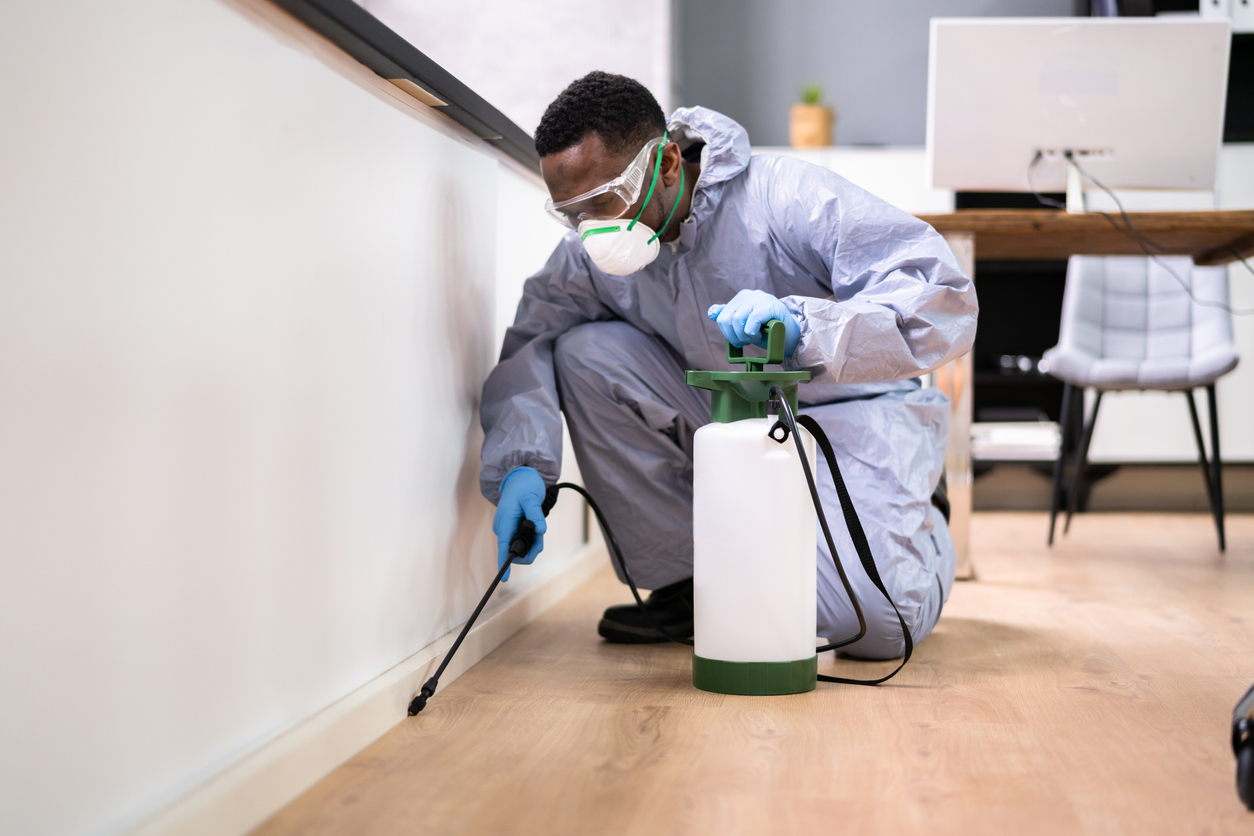


You spray them today, enjoy peace for two weeks, then one evening you switch on the kitchen light and see one running across the counter like it also signed the lease. If you live in a bedsitter in Pipeline, a flat in Umoja, a one-bedroom in Roysambu, or an apartment block in Kitengela, you probably know this routine too well. The caretaker calls someone for fumigation, tenants relax for a short while, then mende come back as if nothing happened.
Cockroaches in apartments Kenya tenants live in are stubborn because flats are shared environments. Your kitchen may be clean, but your drainage line connects to other units. Your dustbin may be emptied daily, but the shared garbage area downstairs may be overflowing. You may spray your room properly, but if the neighboring unit, corridor, drainage, or bin area is untreated, the problem can return.
That is why cockroaches are not just a “dirty house” issue. They are a building issue, a waste management issue, a maintenance issue, and sometimes a tenant habit issue. To stop them from coming back, you need to understand where they hide, what attracts them, and why one quick spray rarely solves the whole problem.
Apartment Blocks Share More Than Walls
In many Kenyan flats, especially in high-density areas like Pipeline, Githurai, Zimmerman, Donholm, Tassia, Kahawa West, Umoja, Kinoo, and parts of Mombasa and Kisumu, units are closely connected. Kitchens often sit back-to-back. Bathrooms and sinks may share drainage lines. Electrical conduits, pipe spaces, cracks behind cabinets, gaps under doors, and openings around sinks can all become hidden routes for cockroaches.
This means one unit can have a serious infestation while nearby tenants only see a few roaches at night. But those few are usually a warning. Cockroaches move through walls, drains, ceiling spaces, and shared service lines. If the whole block has a problem, treating only one house gives temporary relief.
A tenant may spray under the sink and kill visible roaches, but others remain behind the wall, inside the drainage, behind shared cabinets, or in another unit. After the chemical smell fades, they return. Kwa ground, that is why people say, “hizi mende huwa hazikufi kabisa.” They do die, but not if the treatment misses their real hiding places.
Most Sprays Only Kill the Cockroaches You See
The biggest mistake many tenants make is treating cockroaches as a visible pest problem. You see one on the wall, one near the dustbin, and one under the sink, so you assume those are the main problem. In reality, the ones you see may only be a small part of the infestation.
Cockroaches hide in warm, dark, and narrow spaces. In Kenyan apartments, common hiding spots include behind fridges, under cookers, inside kitchen cabinets, behind microwaves, near gas cylinders, under sinks, around floor drains, behind loose tiles, and sometimes inside electronics. In a bedsitter, they may hide behind the TV stand, inside carton boxes, or near food storage areas.
Shop sprays usually kill on contact. They work when you spray directly on the insect, but they may not reach egg cases, nests, or deep cracks. After a few days or weeks, new cockroaches hatch and the cycle continues. That is why someone can keep buying dawa ya mende every month and still feel like nothing is changing.
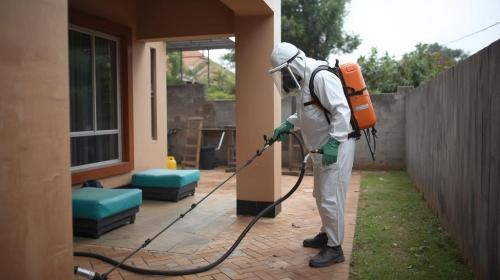
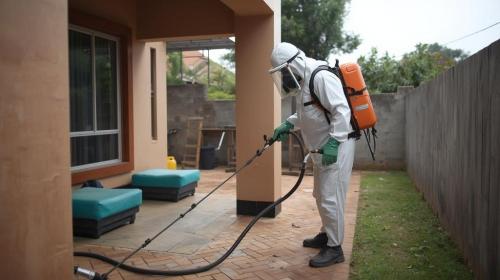
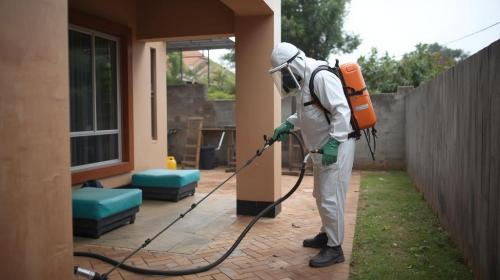
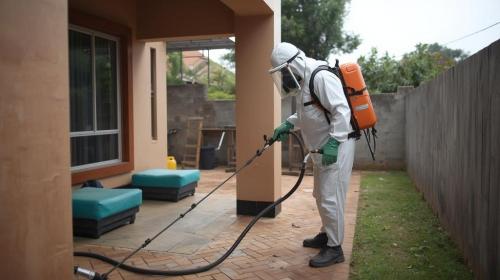
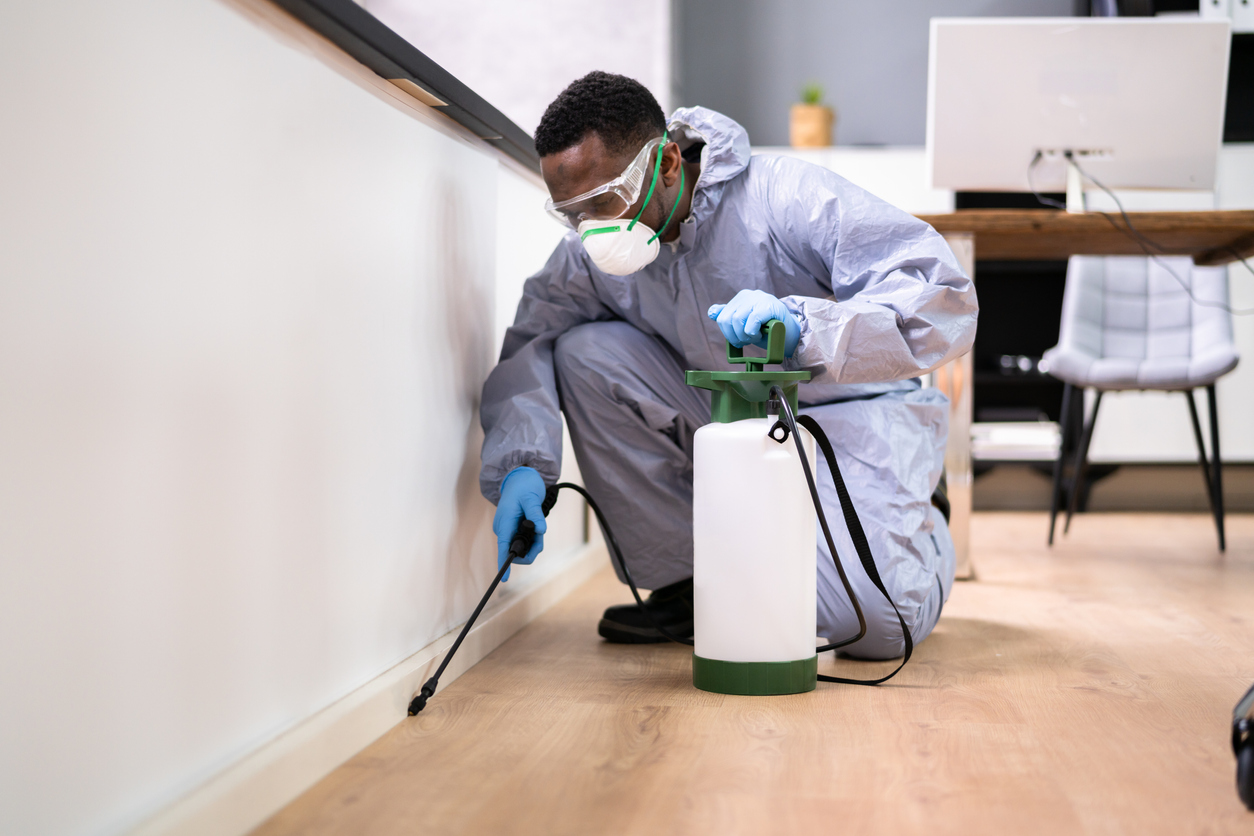
Professional treatment is different when done properly. A good pest control provider may combine targeted spraying, gel bait, dust treatment in cracks, drain treatment, and follow-up advice. The goal is not only to kill what is running around at night, but also to break the breeding cycle.
Food and Water Keep Bringing Them Back
Cockroaches are survivors. They do not need a full plate of food to thrive. A few crumbs behind the cooker, grease on the cabinet handle, spilled sugar, an unwashed soda bottle, or food remains in the dustbin can feed them. Water is even more important. A leaking tap, wet mop, damp sponge, or condensation around pipes can keep them alive.
In many apartments, the kitchen is small and sometimes part of the living area. This is common in bedsitters and compact one-bedroom units. Food storage, cooking, eating, and sleeping may happen within a few metres. If flour, sugar, rice, cereals, or pet food are stored in loose packets, cockroaches can easily access them.
Takeout culture also contributes. After a long day in town, many people buy chips, chicken, smokies, or mutura and eat late. If wrappers, sauce containers, or bones stay in the dustbin overnight, roaches get a free buffet. Hapo ndio mende huanza kujipanga.
Garbage habits in the wider building matter too. If the shared bin area is dirty, uncovered, or collected irregularly, cockroaches can breed outside and move back into units. Even a very clean tenant can suffer if the compound waste system is poor.
Shared Garbage Areas Make the Problem Worse
Apartment blocks depend on shared waste management. When it works well, tenants barely notice it. When it fails, pests multiply quickly. Overflowing bins, leaking garbage bags, food waste in corridors, and delayed collection create ideal conditions for cockroaches, rats, flies, and ants.
This is common in many busy rental areas where tenants are many and collection schedules are inconsistent. A block may have thirty units but only two small bins. By evening, the area is overflowing. If the bin corner is close to ground-floor units or near drainage channels, cockroaches can easily move indoors.
Landlords and caretakers sometimes focus only on fumigating individual houses while ignoring the garbage area. That is money down the drain. If the source remains active, the pests will return. A proper pest control plan should include dustbin areas, drains, corridors, stores, and other shared spaces, not just the tenant’s kitchen.
One-Time Fumigation Rarely Solves a Block-Wide Problem
One-time spraying can help if the infestation is mild and isolated. But where cockroaches have been in the block for months, one visit is often not enough. Eggs may hatch later. Hidden roaches may avoid treated areas. Neighboring units may continue breeding them.
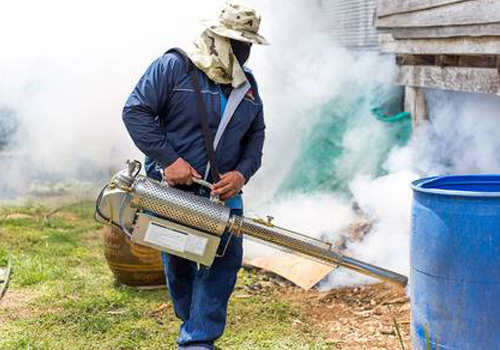
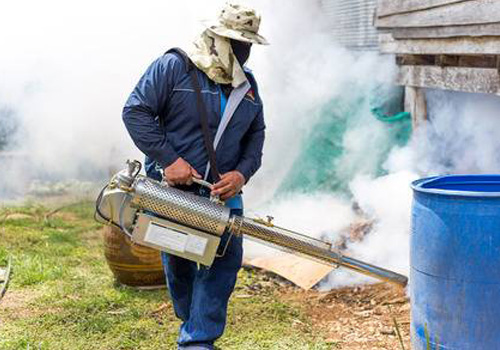
This is why many professional providers recommend a combination approach. Gel bait is commonly used because cockroaches eat it and carry the effect back to hiding areas. Residual sprays may be applied in cracks and movement routes. Drains may need treatment. In severe cases, fogging may help reach hidden spaces, though it should be done safely and with proper preparation.
Follow-up matters. If the provider treats your unit and never checks again, you may not know whether the source was handled. A reliable fumigator should tell you what to expect after treatment. Seeing dead cockroaches for a few days can be normal. Seeing live ones in large numbers after two or three weeks may mean the source is still active or a second treatment is needed.
Your Neighbor’s Habits Can Affect Your House
This is the part many tenants dislike hearing, but it is true. In a flat, your hygiene is not the only factor. If your neighbor leaves dirty dishes overnight, stores food in open sacks, piles garbage in the corridor, or has a leaking sink, cockroaches can breed there and spread to nearby units.
You may seal food, clean every night, and take out your trash daily, but if the building has several problem units, roaches can still appear. This is why cockroach control in apartment blocks needs cooperation. Blaming one tenant rarely helps unless there is clear negligence. What works better is building-wide communication and consistent standards.
Caretakers can help by reminding tenants about garbage disposal, corridor cleanliness, and reporting leaks early. Landlords can include simple hygiene and pest control rules in tenancy agreements. Tenants can also speak up when shared spaces become dirty instead of waiting until the infestation spreads.
Building Defects Give Cockroaches a Free Route
Sometimes the real issue is not food or cleaning. It is the building itself. Gaps around pipes, open drains, broken tiles, loose skirting, cracked walls, damaged cabinet backs, poorly sealed sink areas, and large spaces under doors allow cockroaches to move freely.
In older flats, repeated plumbing repairs may leave holes behind sinks or toilets. In newer apartments, rushed finishing may leave narrow gaps that look small but are enough for roaches. Cockroaches can flatten themselves and squeeze through tiny spaces, so a crack that seems harmless can become a highway.
After fumigation, these gaps should be sealed. Otherwise, pests can return from the same places. Tenants can seal small gaps with silicone or filler, but landlords should handle bigger repairs, especially around plumbing, drainage, cabinets, and shared walls.
Fumigation without maintenance is like mopping a leaking floor without fixing the pipe. It may look clean for a while, but the problem is still there.
How Tenants Can Stop Cockroaches From Returning
Tenants have more control than they may think, even in shared buildings. Start with the kitchen. Wipe counters every night, clean oil splashes, sweep crumbs, and avoid leaving dirty dishes until morning. Store flour, sugar, rice, cereals, and snacks in sealed containers instead of open packets.
Take garbage out daily if possible, especially food waste. If the shared bin is overflowing, inform the caretaker. Do not leave tied garbage bags in the corridor overnight because they attract roaches and create tension with neighbors.
Fix or report leaks quickly. A small drip under the sink can keep cockroaches alive. Keep mops, sponges, and cleaning cloths dry. Avoid storing too many carton boxes under the sink or behind the fridge because roaches love hiding in cardboard.
Seal obvious gaps around pipes, sockets, and cable holes. Pull the fridge and cooker out once in a while and clean behind them. Many tenants clean the visible kitchen but forget the warm, greasy areas where roaches actually hide.
Most importantly, do not rely on spray alone. If the problem keeps returning, ask for professional treatment that includes baiting, crack treatment, drain attention, and guidance on prevention.
What Landlords and Caretakers Should Do
Landlords should treat recurring cockroach complaints as a property management issue. If three or four tenants in the same block complain, the problem is probably not isolated. Organizing block fumigation may cost more upfront, but it is often cheaper than repeated complaints, tenant turnover, and reputation damage.
Caretakers should inspect common areas regularly. Dustbin points, drainage areas, staircases, shared stores, meter rooms, and ground-floor corridors need attention. Closed bins, regular collection, and cleaning around the garbage area make a big difference.
Repairs are also important. Broken tiles, open pipe spaces, loose cabinet backs, leaking taps, and cracked walls should not be ignored. After fumigation, maintenance should follow so pests do not return through the same routes.
Landlords can also schedule preventive pest control every few months in high-density blocks. This is especially useful in bedsitter blocks, student hostels, and apartment buildings near markets, food businesses, or busy drainage areas.
Choosing a Reliable Cockroach Control Provider
Not every person with a spray pump is a qualified pest control provider. Some may spray heavily, collect payment, and disappear without explaining safety or follow-up. In a small apartment or bedsitter, careless chemical use can be risky, especially for children, people with asthma, elderly residents, and pets.
A reliable provider should inspect the unit before treatment, identify hiding areas, explain the method, and give clear safety instructions. They should tell you whether to remove utensils, cover food, stay out for some time, ventilate the house, or avoid cleaning certain treated areas immediately.
Ask whether they use gel bait, residual treatment, drain treatment, or fogging where appropriate. Also ask whether follow-up is included if the infestation is heavy. A provider who explains the process clearly is usually better than one who only says, “Hii dawa ni kali sana.”
If you are comparing pest control companies and do not know who to trust, The Real Plug can help users find vetted professionals, service providers, and businesses in Kenya. Checking reviews and comparing providers is useful before allowing someone to treat your home or apartment block.
Why Block Fumigation Works Better Than Solo Treatment
In apartment blocks, cockroaches move across units and common areas. That is why coordinated treatment usually works better than one tenant treating their house alone. If the whole floor or block is treated at the same time, there are fewer safe hiding places.
Block fumigation should include affected units, nearby units, corridors, garbage points, drains, and other shared spaces. Tenants should be informed early so they can prepare their kitchens, cover utensils, store food safely, and follow safety instructions.
The cost can be handled in different ways. Some landlords pay because it protects the property. Some include it in service charges. In other cases, tenants contribute a small amount. Whatever the arrangement, it should be communicated clearly to avoid arguments.
A block that acts together is less likely to become known as a “mende plot.” And in Kenya, once that reputation spreads, finding and keeping good tenants can become harder.
Common Mistakes That Keep the Cycle Going
The first mistake is spraying only when cockroaches appear. Pest control should deal with hiding places and causes, not just visible insects. The second mistake is cleaning only the surface while leaving grease, crumbs, and damp areas behind appliances.
The third mistake is ignoring shared spaces. If the garbage area smells, the drains are dirty, or corridors have food waste, roaches will keep coming back. The fourth mistake is hiring the cheapest sprayer without checking whether they know what they are doing.
Another common mistake is mopping immediately after treatment. Some products need time to work. Always ask the technician what to clean and what to leave for a while. Otherwise, you may wash away the treatment before it has done its job.
Final Thoughts
Cockroaches keep returning in apartment blocks in Kenya because the problem is usually bigger than one kitchen. Flats share walls, drains, pipes, garbage areas, and sometimes bad habits. A tenant can spray their unit today, but if the source is in the building, next door, or the dustbin area, the roaches will be back.
The solution is to treat the whole system. Tenants should keep food sealed, remove garbage daily, dry wet areas, reduce clutter, and report leaks or infestations early. Landlords and caretakers should fix building gaps, manage waste properly, and organize coordinated pest control when complaints become frequent.
Mende are stubborn, but they are not unbeatable. Once you stop treating only the ones you see and start dealing with where they breed, hide, feed, and enter, the cycle finally begins to break. A clean kitchen helps, yes, but in an apartment block, teamwork is what keeps them from returning.