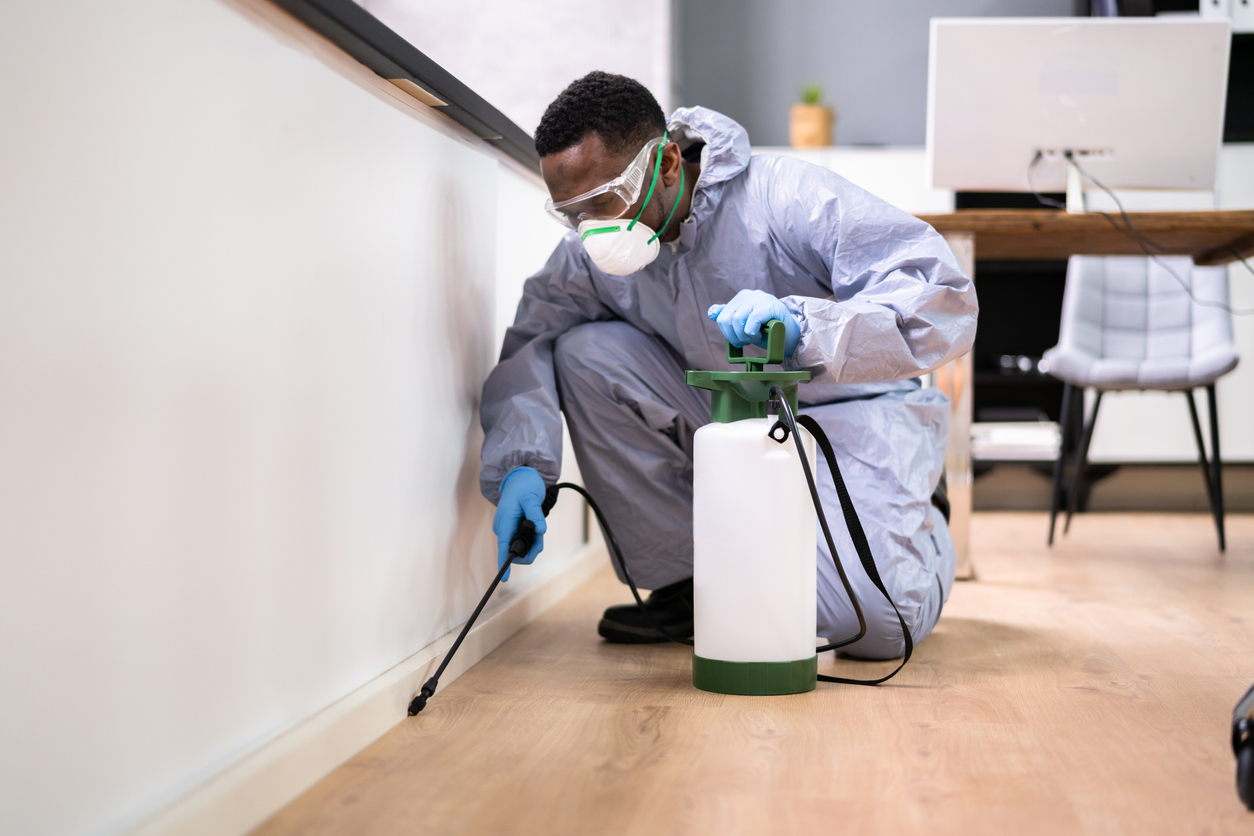


If you have lived in Nairobi long enough, you have probably seen this message in a tenant WhatsApp group: “Mende zimerudi tena.” A few minutes later, someone else adds, “Huku pia kuna kunguni,” and before the caretaker can respond, another tenant complains that rats are moving in the ceiling at night. In many estates, pest problems are not unusual. They are part of the reality of living in dense apartment blocks, bedsitters, maisonettes, gated communities, and older rental houses.
Pest control Nairobi estates residents need is not just about spraying once and hoping the problem disappears. Nairobi homes are connected in many ways. Flats share walls, pipes, corridors, garbage areas, ceilings, and drainage lines. Tenants move often. Second-hand furniture changes hands every day. Food waste builds up quickly where garbage collection is poor. Because of this, pests can return even after treatment if the source is not handled properly.
Whether you live in Pipeline, Umoja, Kilimani, Syokimau, Roysambu, Kileleshwa, Kahawa West, South B, or Kitengela, the same lesson applies: pest control works best when tenants, landlords, caretakers, and professionals deal with the whole environment, not just the insects or rodents seen in one house.
Why Pest Problems Are So Common in Nairobi Estates
Nairobi estates are busy, crowded, and always changing. People move in and out every month. Furniture is bought from online sellers, markets, friends, and previous tenants. Blocks have many units close together, and shared services are common. This creates the perfect setup for pests to move, hide, breed, and return.
In a bedsitter block in Pipeline or Githurai, one infested room can affect the next through cracks, sockets, ceiling boards, or shared walls. In middle-class apartments in Kilimani, Kileleshwa, Ruaka, or Syokimau, pests may hide behind fitted cabinets, under sinks, inside ducts, or around garbage rooms. In gated communities in Kiambu, Athi River, and Kitengela, rodents and mosquitoes may come from drainage channels, bushy compounds, nearby construction, or open manholes.
The problem is not always poor hygiene. A clean house can still get bedbugs through luggage or used furniture. A well-kept kitchen can still receive cockroaches from shared drainage. A neat apartment can still have rats if the ceiling or compound has entry points. Kwa ground, pests use any opportunity they get.
Bedbugs: The Pest That Spreads Quietly
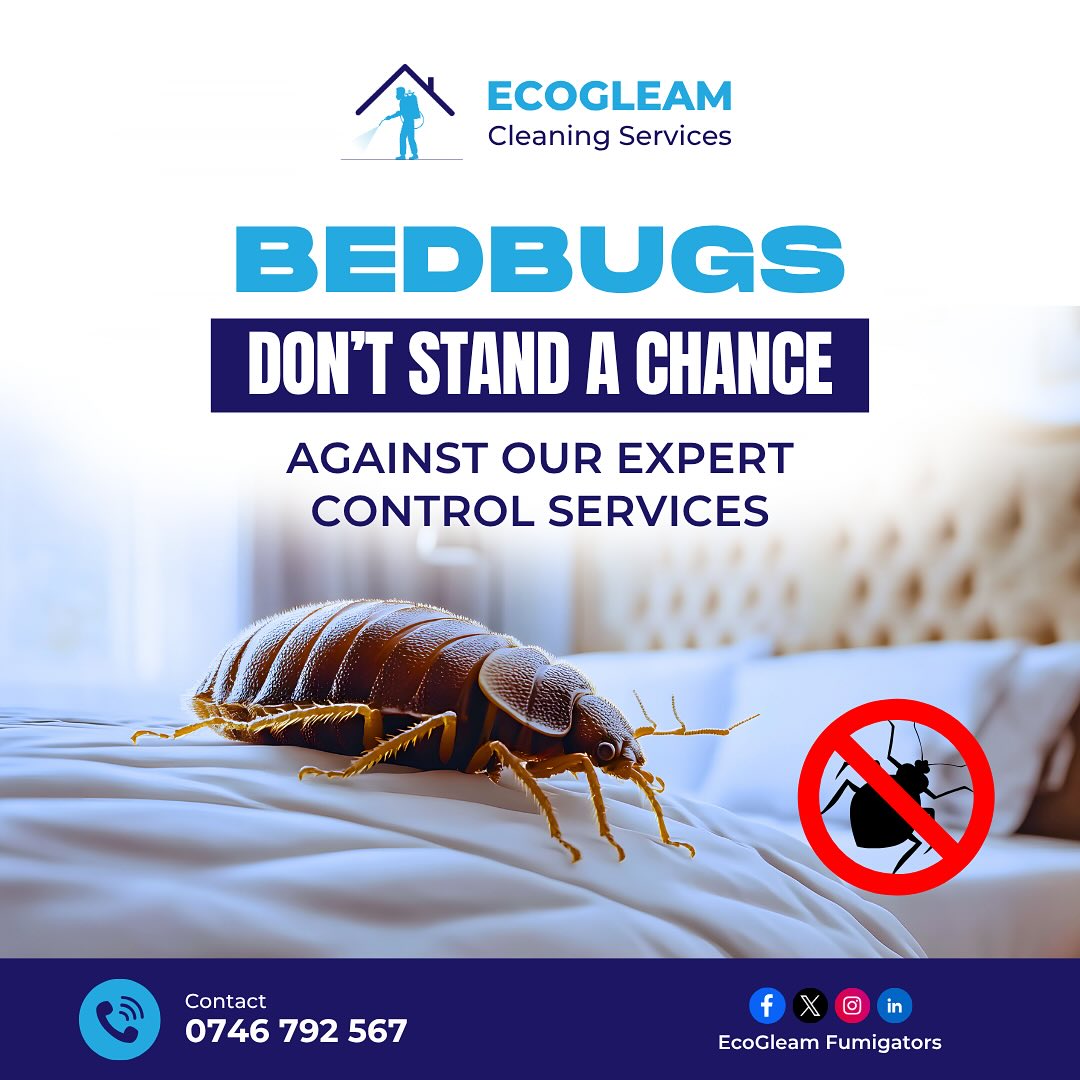
Bedbugs are one of the most stressful pests in Nairobi rentals because they hide well and spread through movement. They do not care whether your house is in a low-cost estate or a high-end apartment. If they get access to a mattress, bed frame, sofa, suitcase, or wall crack near where people sleep, they can settle and multiply.
In many Nairobi estates, bedbugs spread through second-hand beds, used sofas, visitors’ luggage, tenant movement, shared hostels, and neighboring units. A tenant may move from Kahawa West to Roysambu with an infested mattress without realizing it. Someone may buy a cheap bed frame from an online seller and only notice bites two weeks later. A visitor may place a suitcase on an infested bed and carry the problem elsewhere.
The challenge with bedbugs is that people often notice them late. At first, bites may be blamed on mosquitoes. Later, small black spots appear on bedsheets, mattress seams, walls, or wooden joints. By then, bedbugs may already be hiding in cracks, curtains, sockets, and furniture.
How to Handle Bedbugs Properly
Tenants should inspect beds, mattresses, sofas, curtains, and wall cracks regularly, especially before moving into a new house. If you are renting a furnished room or buying used furniture, check seams, joints, screw holes, and dark corners in daylight. Do not bring a second-hand sofa or mattress into your house just because the seller says “iko safi.”
If bedbugs appear, avoid relying only on shop sprays. Many sprays kill visible insects but may not reach eggs or deep hiding spots. Professional treatment is usually better, especially where the infestation has spread beyond the bed. In flats and bedsitter blocks, landlords and caretakers should inspect neighboring units too. Treating one room while the next unit remains infested may only push the problem around.
For serious cases, coordinated fumigation is often necessary. Tenants should wash bedding, reduce clutter, move furniture from walls, and follow safety instructions from the fumigator. A follow-up treatment may also be needed because eggs can hatch after the first visit.
Cockroaches: The Kitchen Invaders That Keep Returning
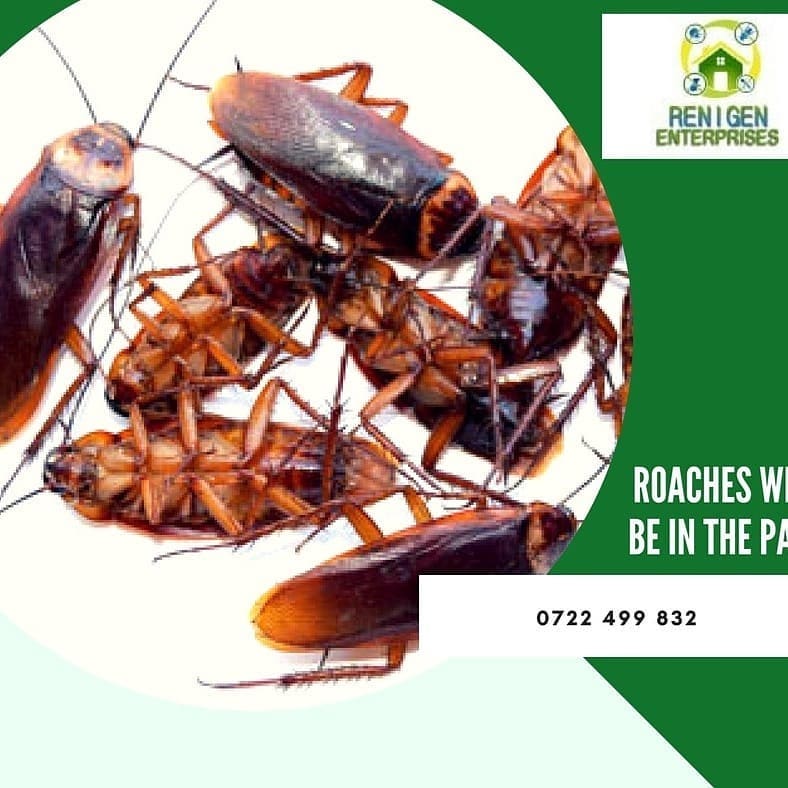
Cockroaches, or mende as most Kenyans call them, are probably the most common pest complaint in Nairobi flats. They hide behind fridges, under sinks, inside cabinets, around gas cylinders, near dustbins, in drainage spaces, and sometimes inside electronics. You may see one at night and think it is a small issue, but usually there are more hiding nearby.
Cockroaches thrive where there is food, water, warmth, and hiding space. In apartments, they also move easily through drainage lines, wall cracks, pipe openings, and shared kitchen walls. That is why a tenant can clean properly and still see roaches if the building has poor waste management or untreated neighboring units.
In estates like Umoja, Tassia, Donholm, Pipeline, and Kasarani, delayed garbage collection can make the problem worse. If food waste sits in open bins, corridors, or shared garbage points, cockroaches have a steady food source. Once they breed in common areas, they can move into kitchens and bedsitters nearby.
How to Control Cockroaches in Nairobi Flats
Good hygiene helps, but it must be consistent. Wipe kitchen surfaces every night, clean behind the cooker and fridge, wash dishes before sleeping, store flour and cereals in sealed containers, and remove food waste daily. Do not leave wet mops, dripping taps, or damp sponges under the sink because cockroaches need water to survive.
For treatment, gel bait is often more effective than spraying alone. Bait reaches roaches that hide in cracks and nesting areas because they carry it back to other roaches. A professional provider may also treat drains, cabinets, cracks, and hidden movement routes.
Landlords and caretakers should include garbage points, shared corridors, drains, and stores in pest control plans. Spraying one tenant’s kitchen while ignoring the bin area downstairs is how the cycle continues. Hiyo ni kazi nusu.
Rats and Mice: The Night-Time Trouble Makers
Rats and mice are common in older estates, ground-floor units, houses near markets, areas with open drains, and buildings close to construction sites. Tenants may hear scratching sounds in the ceiling at night, see droppings in the kitchen, or notice food packets chewed open. Some rodents also damage cables, pipes, furniture, and stored items.
In Nairobi apartments, rodents often enter through broken vents, ceiling gaps, open manholes, drainage channels, poorly sealed doors, and holes around pipes. Once inside, they can move through ceiling spaces and shared service areas. In maisonettes and gated estates, bushy compounds, poor waste handling, and nearby vacant plots can attract them.
Rats are not just annoying. They can contaminate food and surfaces, and they may carry health risks. If you notice droppings, strange smells, scratching sounds, or chewed materials, do not ignore the signs.
How to Deal With Rodents Safely
Rodent control should focus on entry points and food sources, not just poison. Sealing holes, fixing door gaps, repairing ceiling openings, covering vents with mesh, and managing garbage properly are essential. If these are ignored, new rodents may enter after the first ones are removed.
Tenants should keep food sealed, avoid storing grains in open sacks, remove clutter, and report ceiling or pipe gaps early. Landlords should inspect roofs, stores, drains, garbage areas, and ground-floor access points.
Where bait is used, it should be handled carefully, especially in homes with children, pets, or shared compounds. A trained pest control provider can advise on safe placement and follow-up.
Mosquitoes, Ants, and Other Estate Pests
Bedbugs, cockroaches, and rats get most of the attention, but Nairobi estates also deal with mosquitoes, ants, termites, flies, and fleas. Mosquitoes are common where there is stagnant water, blocked drains, overgrown grass, poor drainage, or open containers. Ants often follow food trails into kitchens. Termites may attack wooden structures, doors, cabinets, and furniture, especially in areas with soil contact or moisture.
Fleas can appear where pets are kept without proper hygiene or where rodents are present. Houseflies become a bigger issue where garbage is poorly managed or food waste is exposed.
The solution depends on the pest. Mosquitoes need drainage and stagnant water control. Ants need food sealing and trail treatment. Termites need professional inspection because surface spraying may not reach the colony. Flies require better waste management and sanitation.
Why Pest Control Often Fails in Nairobi Estates
Pest control fails when people treat symptoms instead of causes. A tenant sprays visible cockroaches but leaves food crumbs, water leaks, and open pipe gaps. A landlord fumigates one unit but ignores the neighboring rooms. A caretaker clears pests indoors but leaves the garbage area dirty. After a few weeks, the pests return, and everyone says the fumigation did not work.
Another reason is poor provider selection. Some people hire the cheapest sprayer without checking whether they inspect properly, use safe products, explain preparation, or offer follow-up. A person with a pump is not always a qualified pest control professional. Strong dawa without proper method can be unsafe and ineffective.
There is also the shame factor. Tenants may hide bedbugs because they fear gossip. Landlords may blame tenants instead of inspecting the building. By the time the issue is discussed openly, several units may already be affected.
How Tenants Can Reduce Pest Problems
Tenants can do a lot to protect their homes. Inspect carefully before moving in, especially in areas where pest complaints are common. Check mattress seams, cabinets, under sinks, wall cracks, skirting boards, and corners. Ask the caretaker whether the block has had pest issues, and try to get any agreement about fumigation in writing.
Inside the house, keep food sealed, clean spills quickly, empty garbage often, dry wet areas, and reduce clutter. Avoid keeping many cardboard boxes under beds or sinks because they create hiding spaces. Inspect second-hand furniture before bringing it in. If you notice pests, report early instead of waiting until the infestation spreads.
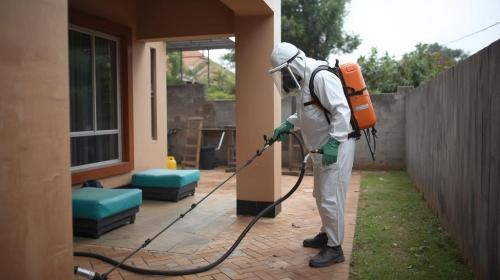
When fumigation is done, prepare properly. Cover food, remove utensils where advised, wash bedding if dealing with bedbugs, and stay out of the house for the recommended period. After treatment, follow instructions on cleaning and ventilation.
What Landlords and Caretakers Should Do
Landlords and caretakers play a big role because many pest problems come from shared areas and building conditions. Regular inspection of garbage points, drains, stores, corridors, ceilings, and empty units can prevent major infestations.
Block fumigation is often better than treating one unit at a time, especially for bedbugs and cockroaches. In high-density estates, scheduled pest control every few months may be more effective than waiting for complaints. Landlords should also repair cracks, broken tiles, open drains, ceiling gaps, leaking pipes, and damaged cabinets.
Good communication matters too. Tenants should know how to report pest problems without fear of blame. A simple notice asking tenants to report pests early, prepare for fumigation, and avoid dumping old furniture in corridors can make a big difference.
Finding Reliable Pest Control Providers in Nairobi
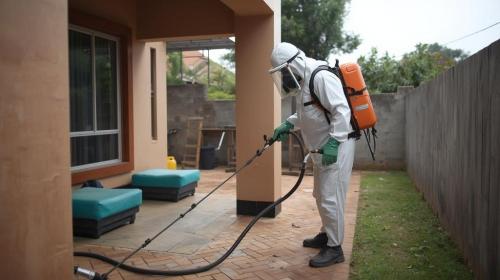
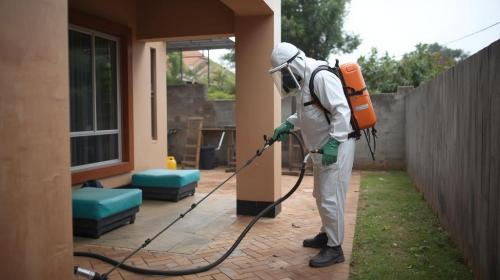
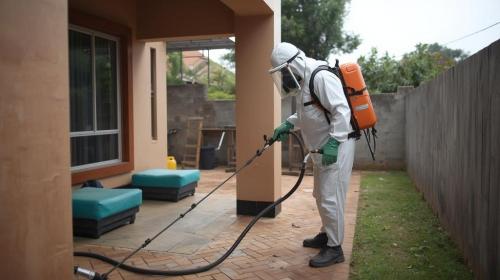
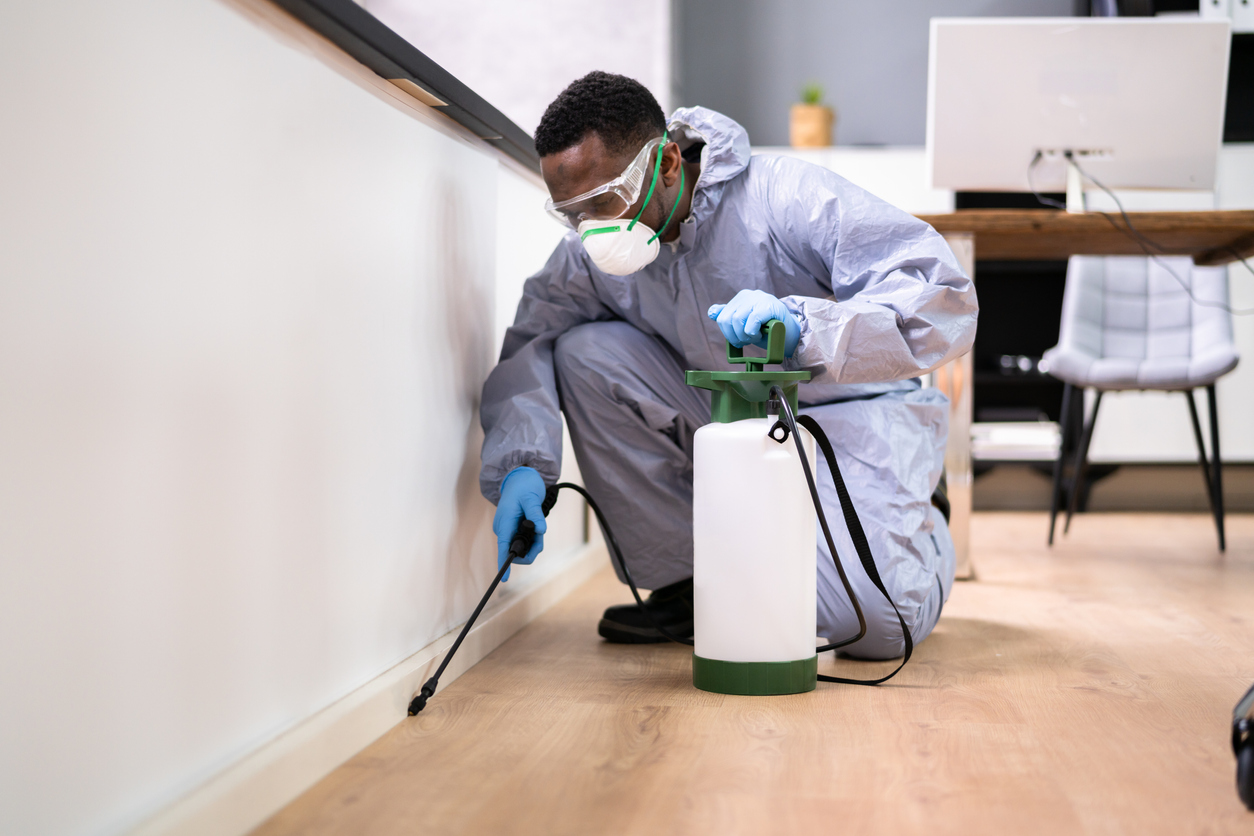
A good pest control provider should inspect before treating, explain the method, give safety instructions, and advise on follow-up. They should tell you what chemicals or methods they will use, how long you need to stay out, how to protect children or pets, and what results to expect.
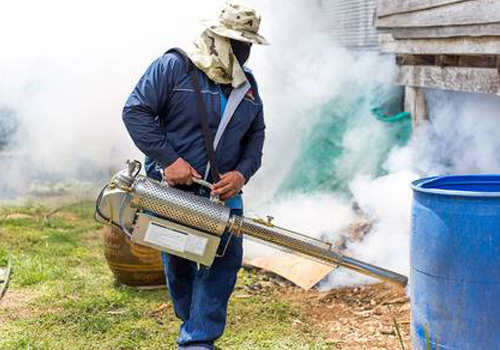
Be careful with providers who only promise “strong dawa” without inspection or safety guidance. Pest control in Nairobi estates requires more than spraying. It may involve baiting, fogging, steaming, sealing, drain treatment, rodent proofing, and follow-up visits.
If you are not sure where to start, The Real Plug can help users find vetted pest control professionals, fumigation experts, and service providers in Kenya. Comparing providers and checking reviews can help you avoid quacks who spray once and disappear.
Handling Pest Problems by Estate Type
In high-density areas such as Pipeline, Umoja, Githurai, Kahawa West, and Kasarani, the biggest challenge is shared walls, frequent movement, and crowded blocks. The best approach is early reporting, block fumigation, strict garbage rules, and careful inspection of second-hand furniture.
In middle-class apartments around Kilimani, Kileleshwa, South B, Syokimau, Ruaka, and Thindigua, pests often hide in cabinets, ducts, false ceilings, fitted kitchens, and drainage areas. Treatment should include hidden spaces, not just open floors.
In gated communities around Kiambu, Kitengela, Athi River, and parts of Karen or Runda, rodents, mosquitoes, termites, and ants may come from compounds, gardens, drains, and nearby undeveloped land. Estate management should include perimeter treatment, drainage maintenance, grass cutting, and regular inspection of manholes.
Final Thoughts
Pest control problems in Nairobi estates keep coming back because most homes are part of a wider system. Bedbugs move through furniture, luggage, walls, and neighboring units. Cockroaches use drains, food waste, and cracks. Rats enter through ceilings, pipe gaps, compounds, and garbage points. Treating one visible problem without dealing with the source only gives temporary relief.
The estates that handle pests well do three things consistently: they act early, they treat shared spaces, and they combine fumigation with maintenance. Tenants must keep homes clean, report signs quickly, and prepare properly for treatment. Landlords and caretakers must manage garbage, repair buildings, and coordinate pest control across the block.
In Nairobi, pest control is not just a private house issue. It is a community job. Once tenants, landlords, and professionals work together, the usual “mende zimerudi” cycle becomes much easier to break.