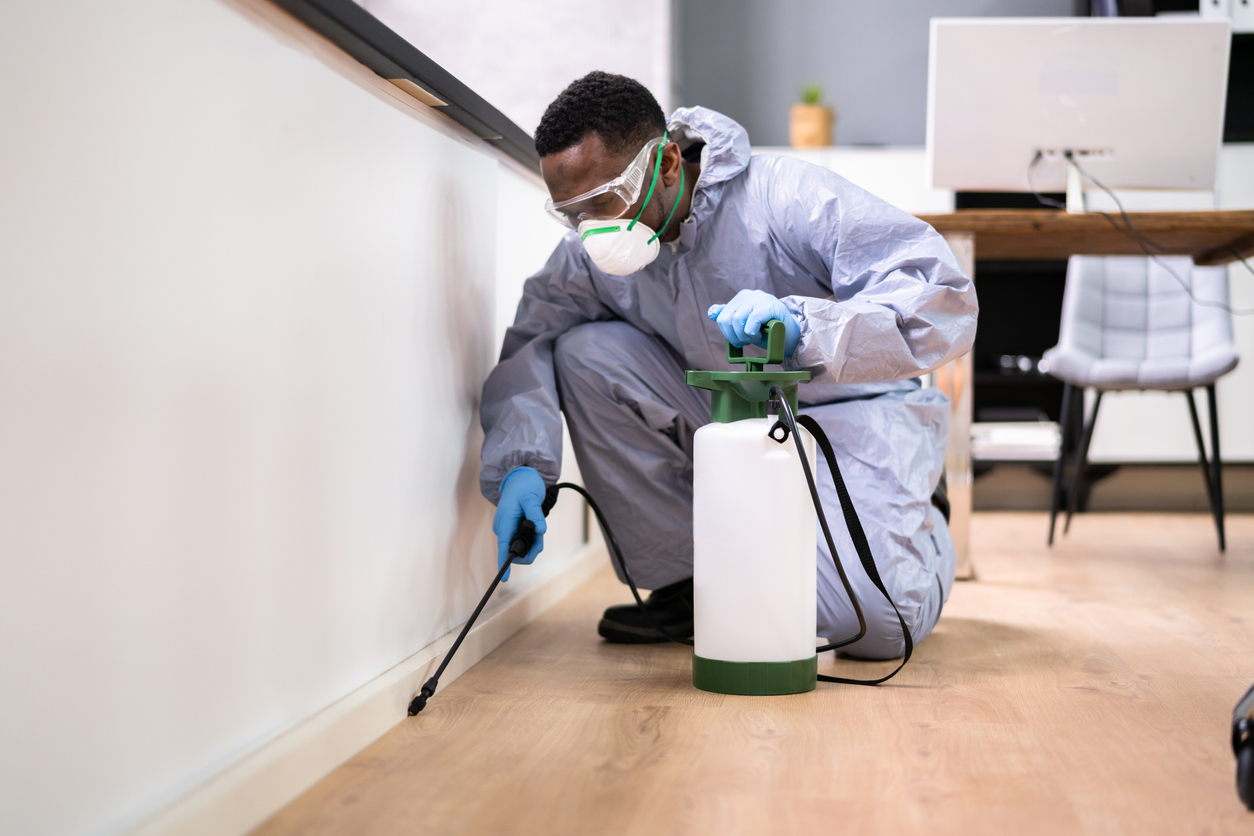


Booking fumigation when you have children at home is not the same as calling someone to spray an empty office or store. A parent in Syokimau, Kahawa West, Kilimani, Umoja, or Pipeline has more to think about than just killing cockroaches, bedbugs, mosquitoes, or rats. You have to ask where the baby will stay, whether toys should be packed, how long the house needs to air, and whether the chemical smell is safe for a child with asthma or allergies.
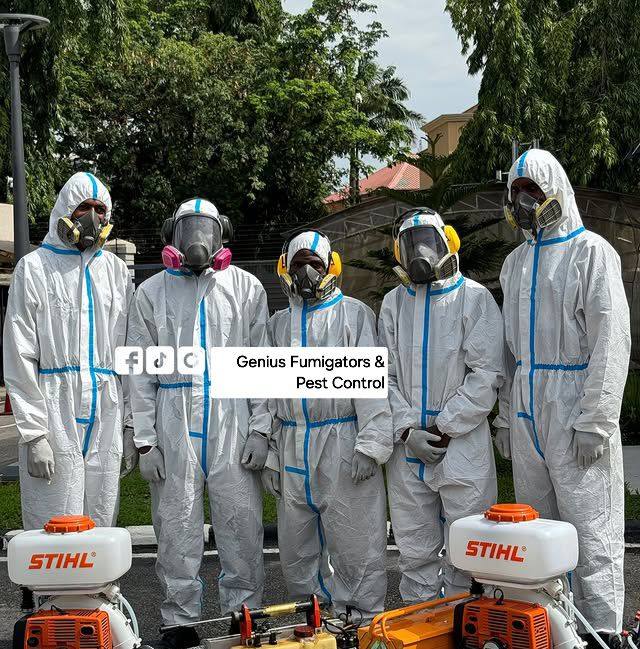
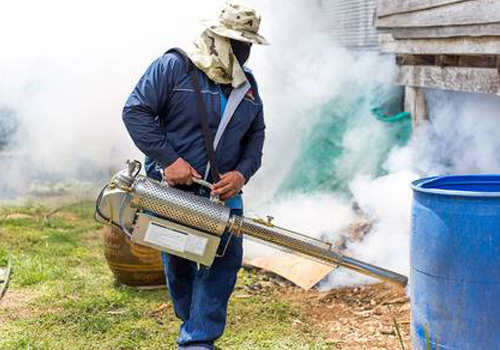
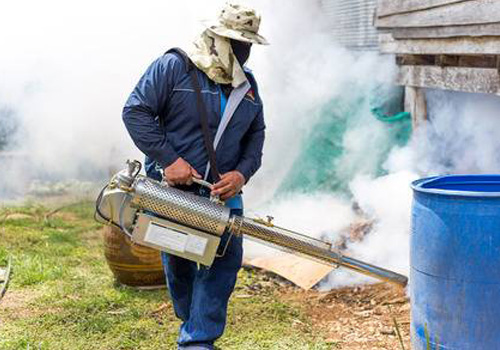
That is why many Kenyan parents pause when they see fumigation videos online. The technician walks in wearing protective gear, the fogging machine fills the house with white mist, and the comments start immediately: “Na ukiwa na watoto inafanyika aje?” “How long before we enter?” “What about baby bottles and toys?”
Those are valid questions. Pests are not safe for children either. Cockroaches can contaminate surfaces and may worsen allergies. Bedbugs cause bites, itching, poor sleep, and stress. Rats can damage food packaging and leave droppings in kitchens or ceilings. Mosquitoes are a serious concern in many parts of Kenya, especially where drainage and stagnant water are a problem.
The goal is not to avoid fumigation completely. The goal is to do it safely, with the right provider, proper preparation, and careful aftercare.
Why Fumigation Needs Extra Care When Children Are Involved
Children are more sensitive than adults in many everyday situations. They breathe faster, touch more surfaces, crawl on floors, put hands and toys in their mouths, and may not understand why they should avoid treated areas. A toddler will not know that the corner near the skirting board was sprayed a few hours ago. A baby will not know that a toy left uncovered should be washed first.
Homes in Kenya also vary widely. A family in a four-bedroom maisonette in Ruiru may have space to isolate treated areas, while a parent in a bedsitter in Zimmerman or a one-bedroom in Roysambu may have to move everyone out completely. In compact houses, the kitchen, sleeping area, sitting area, and children’s play space are often close together. This makes preparation even more important.
There is also the issue of trust. Many Kenyans have heard stories of people using “strong dawa” carelessly. Some providers may not explain what they are using, how long the family should stay away, or what to clean after treatment. For a home with children, that is not good enough. You need clear answers before anyone starts spraying.
Choosing a Child-Safe Fumigation Provider
The first safety step is choosing the right fumigation service. Do not hire someone only because they are the cheapest in the estate WhatsApp group. A home with children needs a provider who understands residential safety, not just someone with a spray pump and confidence.
Ask what product they plan to use and whether it is suitable for homes. A professional should be able to explain the treatment in simple terms. They do not need to overwhelm you with chemical language, but they should not hide behind vague answers like “ni dawa kali sana.” You have a right to know what is being applied in your home, especially in bedrooms, kitchens, and play areas.
Ask how long children should stay out of the house. Re-entry time depends on the pest, the method used, ventilation, and the product applied. Some treatments may require a few hours, while deeper bedbug or cockroach treatments may need longer. For babies, toddlers, children with asthma, or children with allergies, it is wise to be more cautious and allow extra ventilation time.
Also ask whether they offer follow-up treatment. Bedbugs and cockroaches can leave eggs behind. One treatment may kill many visible pests, but a second visit may be needed where the infestation is serious. A provider who explains follow-up honestly is usually more reliable than one who promises everything will disappear forever after one quick spray.
If you are comparing providers and want to avoid guesswork, The Real Plug can help users find vetted pest control professionals, fumigation experts, and service providers in Kenya. This is useful for parents who want to check options, compare services, and see whether a provider is trusted before allowing them into the home.
Questions Parents Should Ask Before Booking
Before agreeing to a fumigation appointment, ask practical questions that affect your family directly. How should you prepare the kitchen? Should baby bottles, formula, medicine, and utensils be removed? How long should the children stay away? Can the house be treated in the morning so it has enough time to air before bedtime? What should be washed afterwards?
Ask whether the technician will treat mattresses, sofas, cabinets, drains, skirting boards, or only open floor spaces. Bedbugs may require mattress and bed frame treatment. Cockroaches may need cabinet, sink, and drainage attention. Mosquitoes may require indoor and outdoor control depending on the source. Rats may need sealing, trapping, and baiting rather than spraying only.
Also explain your household situation. Mention if you have a baby, a crawling toddler, a child with asthma, pets, elderly people, or anyone with allergies. A responsible provider should adjust advice based on who lives in the house. Hii si mambo ya kubahatisha.
How to Prepare Your Home Before Fumigation
Preparation is where parents make fumigation safer and more effective. Start by planning where the children will stay during treatment. Do not assume they can wait in the corridor or balcony while the work is happening. For safety, children should be away from the house before treatment starts and should only return after the recommended re-entry period and proper ventilation.
Some families plan fumigation for a Saturday morning, then take the children to a relative’s house, church activity, mall, park, or trusted neighbor’s home. If you live in a bedsitter or small apartment, plan this carefully because there may be no untreated room where the children can remain.
Next, remove or seal sensitive items. Baby bottles, breast pumps, formula, medicine, toothbrushes, plates, cups, school lunch boxes, snacks, and open food should be packed away safely. If possible, carry baby items with you. Flour, rice, sugar, cooking oil, cereals, and unga should be tightly sealed or removed from cabinets that will be treated.
Toys also need attention. Pack toys in sealed bags, especially soft toys, teething toys, blocks, dolls, and anything a child frequently puts in the mouth. If toys are exposed during treatment, wash or wipe them properly before returning them to the child.
For bedbug treatment, remove bedsheets, pillowcases, blankets, and curtains where advised. Wash fabrics after treatment, preferably with hot water where possible. Mattresses and sofas may need direct treatment, so do not cover them unless the technician instructs you to.
Cleaning Before Fumigation
It helps to clean lightly before the technician arrives. Remove clutter, sweep the floor, clear food remains, wipe greasy surfaces, and move furniture slightly away from walls. This allows the treatment to reach corners, cracks, and hiding places.
However, avoid deep mopping immediately before treatment if the provider advises against it. Wet surfaces can affect how some products work. The house should be clean but dry. In kitchens, remove items from cabinets if cockroaches are the target. In bedrooms, make bed frames, mattress edges, and wall corners accessible if bedbugs are the problem.
The more accessible the hiding places are, the better the result. Fumigation fails many times not because the chemical was weak, but because pests were hiding behind clutter, packed cartons, heavy furniture, or untouched corners.
What Happens During Child-Safe Fumigation
A professional fumigation process should be organized and clear. The technician should inspect the home first or at least ask detailed questions about the pest problem. They should identify where pests are hiding and choose the right method.
For cockroaches, treatment may include gel bait in cabinets, around hinges, behind appliances, and under sinks. Spraying may be used in cracks and movement areas. For bedbugs, the provider may treat mattress seams, bed frames, skirting boards, curtains, sofas, and wall cracks. For mosquitoes, they may target indoor resting areas, drains, compound vegetation, or stagnant water sources. For rodents, they may inspect holes, ceilings, doors, and waste areas before using traps or bait.
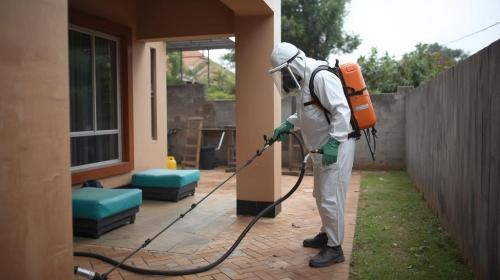
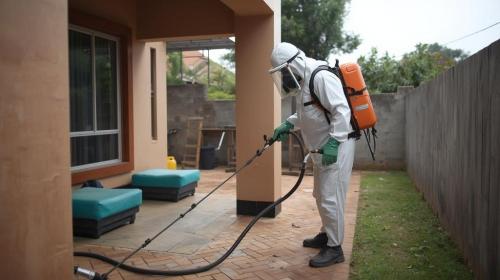
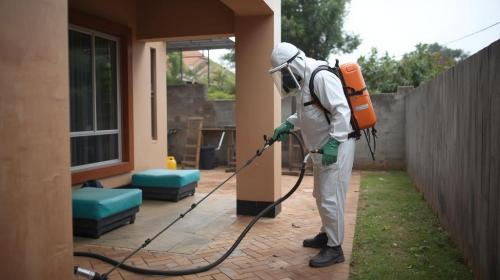
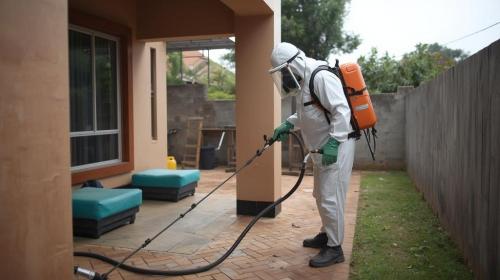
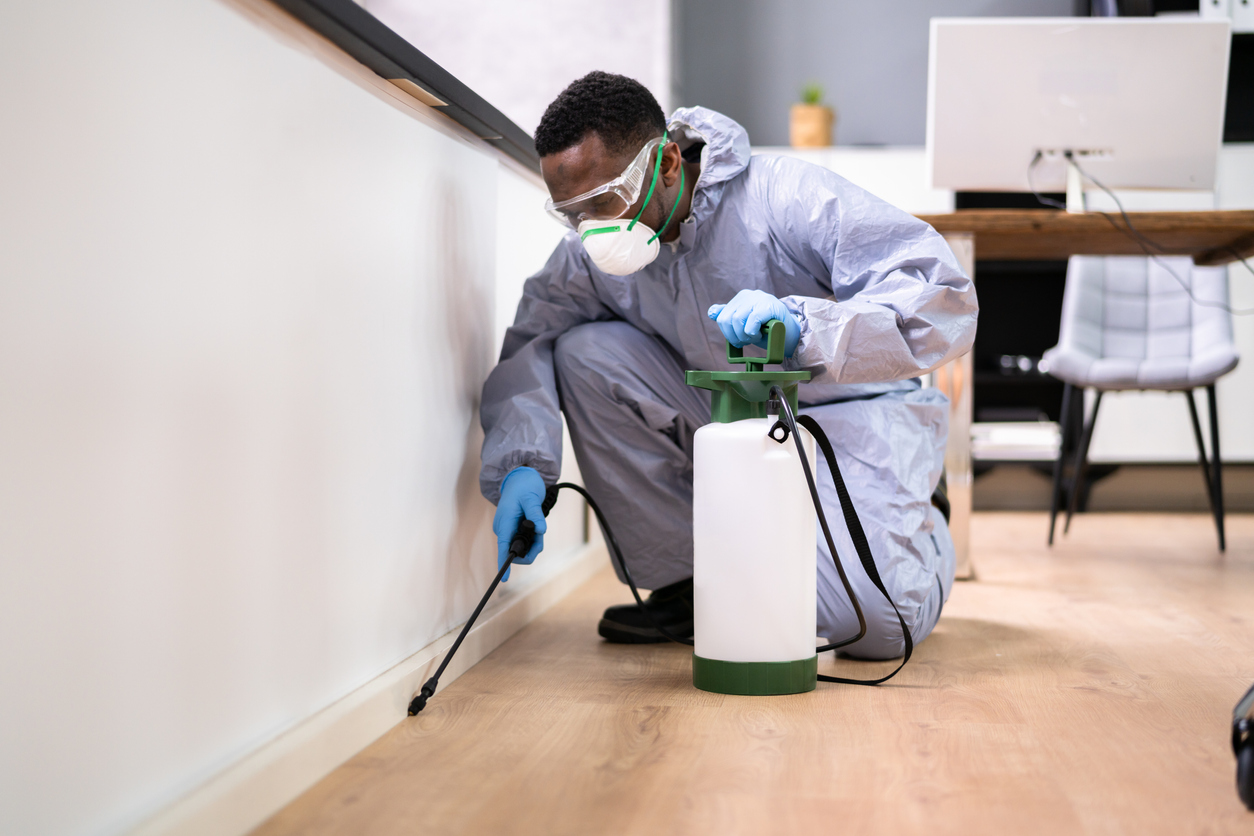
In a home with children, the technician should use protective gear, avoid careless over-spraying, and give clear instructions before leaving. They should tell you which rooms were treated, when the family can return, what to clean, and what not to clean immediately.
After Fumigation: How to Make the House Safe Again
When you return home, do not rush the children back inside immediately. First, ventilate the house properly. Open windows and doors. Let fresh air circulate. If the house has small windows, as many flats in Pipeline, Githurai, and parts of Eastlands do, give it extra time. Do not use air freshener to cover the smell. Fresh air is better than perfume.
Wipe food preparation surfaces with soap and water. This includes kitchen counters, dining tables, high chairs, baby feeding areas, and any surface where food will be placed. Wash utensils if they were not fully covered or removed.
Do not mop the whole floor immediately unless the fumigation provider says it is safe. Some residual treatments are meant to continue working for a while, especially along skirting boards, corners, and pest movement routes. Mopping too soon can reduce the effectiveness of the treatment. Ask the technician exactly when to clean floors, corners, and cabinets.
Wash bedding, pillowcases, curtains, and exposed fabrics. If soft toys were left out, wash them or dry them in strong sun where appropriate. Plastic toys can be wiped with soapy water and dried before children use them again.
Watching for Reactions After Treatment
Professional fumigation, when done correctly, should not cause problems after proper re-entry and ventilation. Still, parents should be observant. Watch for coughing, eye irritation, skin rashes, headaches, or unusual discomfort, especially in children with asthma, allergies, or sensitive skin.
If any symptoms appear, move the child to fresh air and contact a doctor or health professional. Also call the fumigation provider and ask for the product details. This is one reason you should always work with a provider who can clearly state what was used.
For babies and toddlers, it may help to keep them on a clean playmat for the first day after treatment, especially if they crawl. This is not always necessary, but it gives parents extra peace of mind.
Preventing Pests After Fumigation
Fumigation solves the current problem, but prevention keeps the house safer long term. Store food in sealed containers, wipe spills quickly, empty garbage daily, and keep the kitchen dry. Fix leaking taps and report drainage issues early. Cockroaches and rats need food and water, so cutting those off makes your home less attractive.
For bedbugs, inspect second-hand furniture before bringing it home. Be careful with mattresses, sofas, curtains, and luggage after travel. If you live in a flat, talk to the caretaker if neighbors also have pests. Treating one unit while the rest of the block remains infested may only give temporary relief.
For mosquitoes, remove stagnant water around the home. Check buckets, flower pots, blocked drains, old tyres, and open containers. In gated communities and apartments, estate management should handle drainage, grass cutting, and outdoor treatment where necessary.
Special Concerns for Bedsitters and Small Homes
Families living in bedsitters or small one-bedroom homes need extra planning because there is little separation between rooms. The bed, food storage, baby items, and sitting area may all be in one space. During fumigation, everything must be packed carefully, and everyone should leave.
When returning, ventilate longer if the house has limited airflow. Wipe surfaces children touch often, such as low tables, plastic chairs, toys, cupboard handles, and play areas. Avoid bringing children back late at night when there is no time to air the room properly. Morning fumigation is usually easier for families because the house can air during the day.
Common Questions Kenyan Parents Ask
Can children stay in another room during fumigation?
In most cases, no. Children should leave the house during fumigation, especially in small homes or where fogging is used. Even if only one room is treated, smells and particles can move through the house.
How long should children stay away after fumigation?
The safe period depends on the treatment method and product used. Many home treatments require a few hours, but families with babies, toddlers, or asthmatic children may choose to wait longer. Always follow the provider’s instructions and ventilate well before re-entry.
Should I wash everything after fumigation?
No, but wash or wipe items children use directly. Bedding, exposed toys, feeding items, utensils, and food surfaces should be cleaned. Do not wash treated pest areas too soon unless instructed.
Is fumigation safe for children with asthma?
It can be done safely with proper planning, but extra caution is important. Tell the provider about asthma before treatment, keep the child away during and after fumigation, ventilate properly, and consult a health professional if you are unsure.
Final Thoughts
Fumigation services for homes with children in Kenya should never be handled casually. Parents need clear answers, proper preparation, safe re-entry, and careful aftercare. At the same time, living with pests is not a better option. Bedbugs disturb sleep, cockroaches contaminate surfaces, mosquitoes cause serious discomfort and health concerns, and rats can damage food and property.
The safest approach is to choose a qualified provider, ask direct questions, remove children from the house during treatment, protect baby items and food, ventilate well, and clean the right surfaces afterwards. Landlords and caretakers should also support families by coordinating block treatment where pests are spreading between units.
With the right plan, you do not have to choose between a pest-free home and your child’s safety. You can have both. The key is not rushing the process, not trusting vague “strong dawa” promises, and not bringing watoto back inside until the house is properly aired and ready.