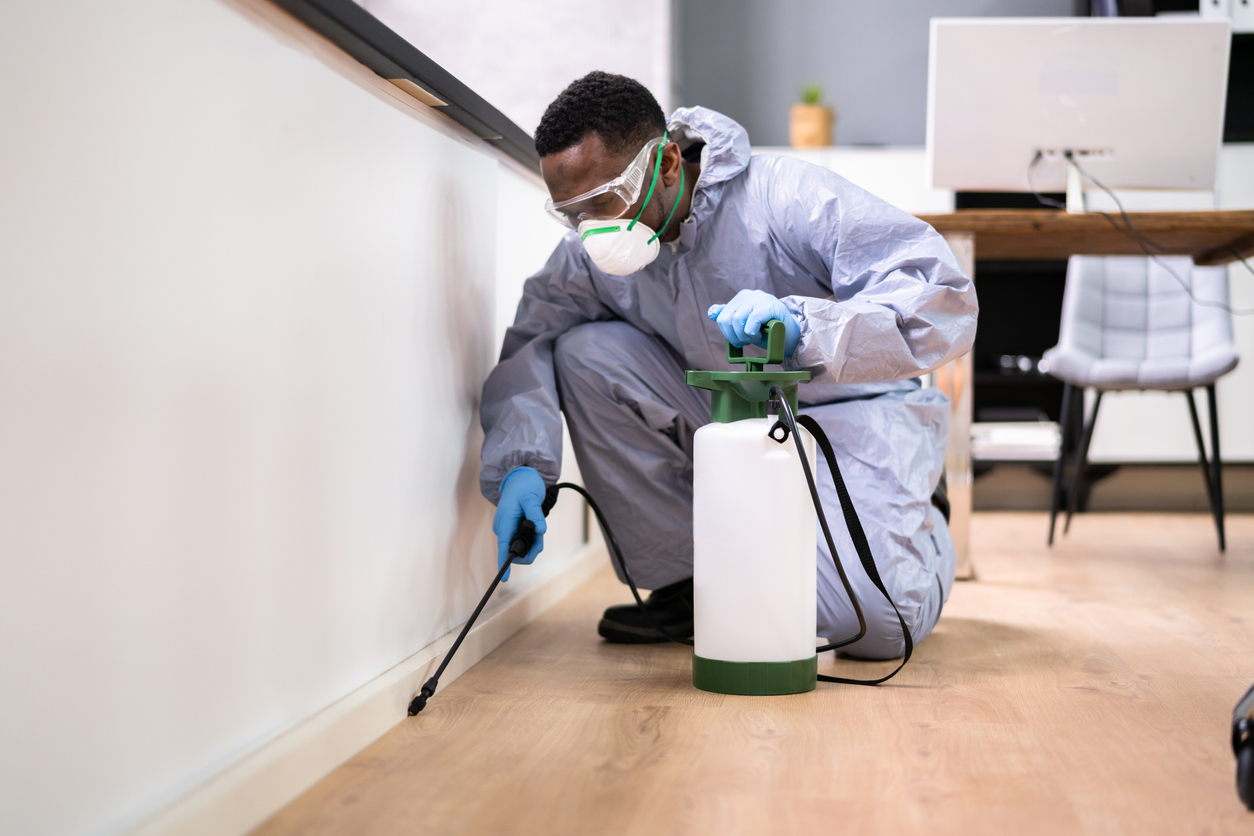


For many Kenyan pet owners, a dog or cat is not just an animal in the compound. It is family. Your dog may sleep near the sofa, follow you to the kitchen, and bark before anyone knocks. Your cat may have already claimed the best seat in the sitting room and decided which corner of the bed belongs to it. So when pests show up in the house, fumigation is not as simple as calling someone with dawa and leaving the door open for a few hours.
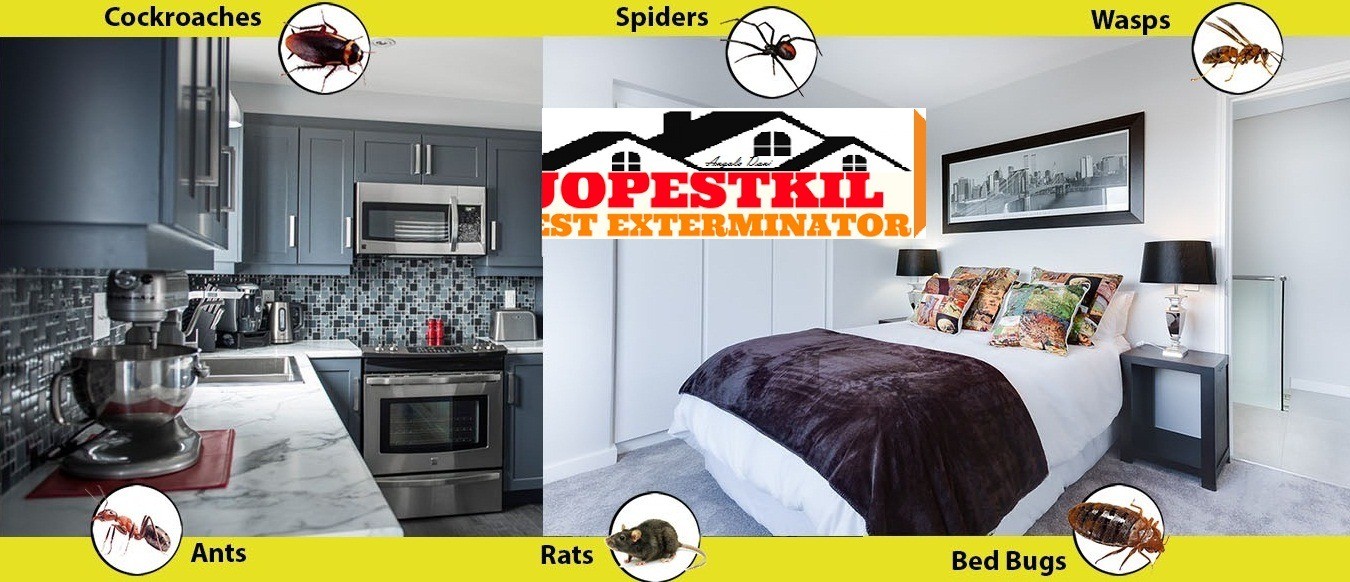
Pet owners in Nairobi, Kiambu, Mombasa, Nakuru, Kisumu, Eldoret, and Kitengela are dealing with the same problem. Cockroaches hide behind fridges and cabinets. Bedbugs settle in sofas, mattresses, and wall cracks. Fleas come in through dogs and cats, then spread into carpets, rugs, pet bedding, and furniture. Rats may enter through ceilings or drainage gaps and start disturbing the house at night.
The challenge is safety. You want pests gone, but you do not want your dog licking chemical residue from the floor or your cat grooming itself after walking across a treated surface. That is why pet safe fumigation Kenya homeowners and tenants choose must be handled carefully, with proper planning before, during, and after treatment.
Why Fumigation Needs Extra Care When You Have Pets
Dogs and cats interact with a home differently from people. They sniff corners, lick their paws, sleep on floors, hide under furniture, and groom themselves often. A surface that an adult may never touch can be exactly where a cat lies down or where a puppy chews a toy.
Cats are especially sensitive to some pest control products because their bodies do not process certain chemicals the same way humans or dogs do. Dogs may also react if they inhale strong fumes, lick treated floors too soon, or come into contact with wet chemicals. Puppies, kittens, older pets, pregnant pets, and animals with breathing problems need even more caution.
Kenyan homes also vary in size. In a bedsitter in Pipeline, a one-bedroom in Roysambu, or a compact apartment in Umoja, your pet’s bed, food bowl, toys, and resting area may all be in the same room being treated. In a maisonette in Syokimau or Ruiru, you may have more space, but fumes can still move through rooms, corridors, and staircases.
That is why pets should not remain inside during fumigation. Hii si mambo ya kujaribu bahati. Even if the treatment is described as pet friendly, animals should be removed until the provider confirms it is safe to return.
Common Pest Problems for Dog and Cat Owners in Kenya
Pet owners often deal with two kinds of pest problems: pests that affect the home and pests that affect the animal directly. Sometimes the two overlap.
Cockroaches are common in kitchens, especially in apartments with shared drainage, poor garbage collection, or hidden cabinet spaces. They may hide near pet feeding areas because food crumbs and water bowls attract them. Even if your kitchen is clean, leaving pet food out overnight can invite roaches.
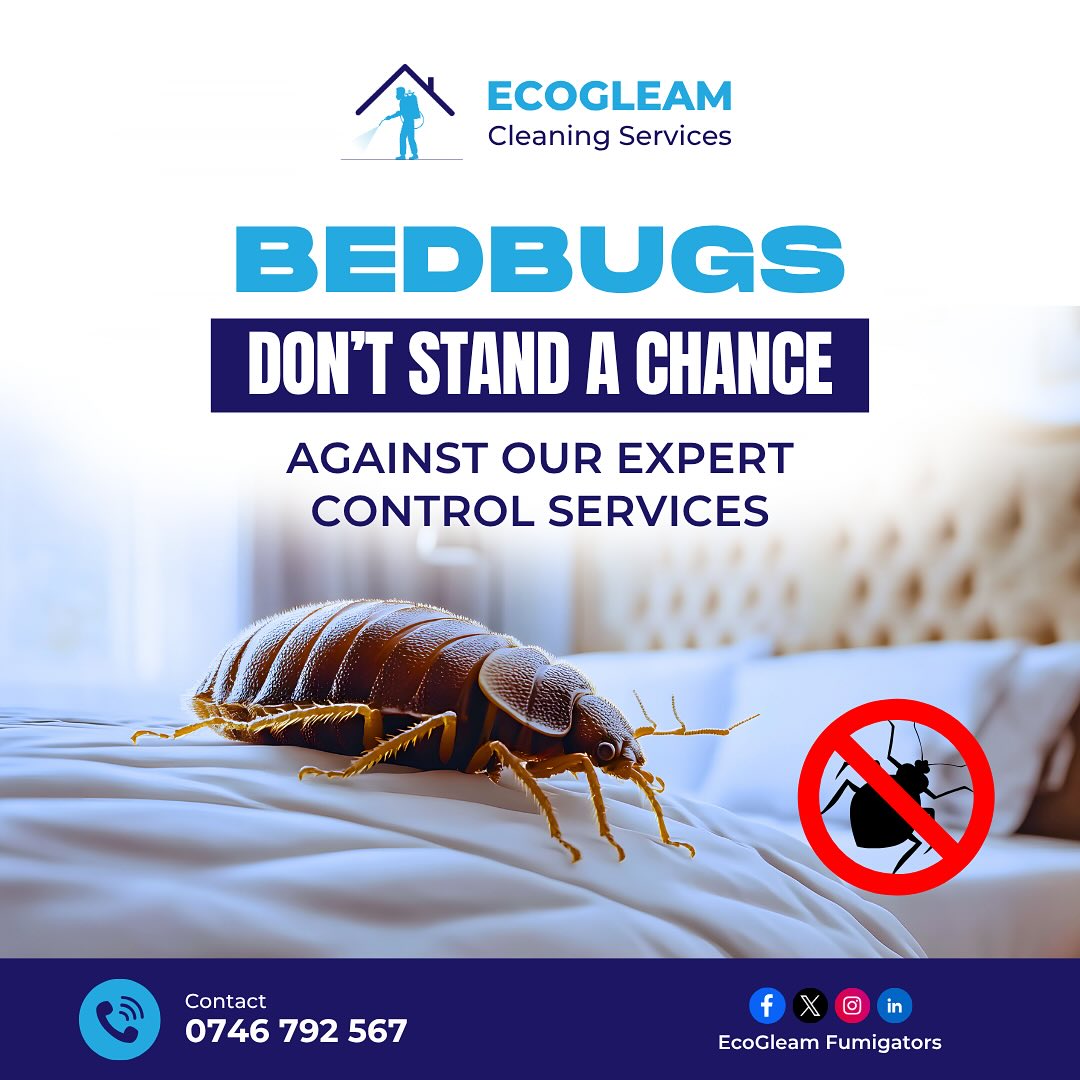
Bedbugs do not live on dogs or cats the same way fleas do, but they can hide in pet bedding, sofas, blankets, mattresses, and wooden furniture. If your dog sleeps on the couch or your cat curls up near your bed, those areas need inspection when bedbugs are suspected.
Fleas and ticks are a major concern for pet owners. Dogs that play in grassy compounds in Ruiru, Kitengela, Karen, or Athi River may pick up fleas or ticks outdoors. Cats that roam around estates, rooftops, parking areas, or neighboring compounds can also bring fleas home. Once fleas enter the house, they lay eggs in carpets, rugs, sofa corners, cracks, and pet bedding. Treating only the dog or cat may not solve the problem if eggs remain in the home.
Rats and mice can also affect pet households. They may steal pet food, contaminate feeding areas, and enter through gaps in doors, ceilings, drains, or stores. In some homes, pets may chase them, but that does not mean the infestation is under control.
Choosing a Pet-Safe Fumigation Service in Kenya
Not every fumigation provider understands pet safety. Some may be experienced with offices, stores, or empty houses but not homes where dogs, cats, fish, birds, rabbits, or other pets live. Before booking, ask direct questions.
Start by asking what products they use and whether they are suitable for residential spaces with pets. A professional provider should explain the method clearly. Be cautious if someone only says, “Ni dawa kali, usijali.” Strong does not always mean safe or effective.
Ask how long pets should stay out of the house. The answer depends on the product, pest type, ventilation, and treatment method. Some treatments may allow re-entry after a few hours, while heavier fogging, flea treatment, or bedbug treatment may require longer. For cats, puppies, kittens, older pets, or pets with health conditions, it is better to wait longer than to rush.
Ask whether pet bedding, carpets, rugs, sofas, and favorite sleeping spots will be treated. Fleas especially hide where pets rest. If those areas are skipped, the infestation may return even after the main house is fumigated.
Ask about follow-up treatment too. Fleas and bedbugs can have eggs that hatch after the first treatment. A second visit may be necessary in serious cases. A reliable provider will explain this upfront rather than promising instant permanent results after one short visit.
If you need help comparing providers, The Real Plug can help users find vetted pest control professionals, fumigation experts, and service providers in Kenya. Checking reviews and comparing options is useful before allowing someone to treat a home where pets live.
How to Prepare Your Pets Before Fumigation
The most important rule is simple: remove pets from the home before fumigation begins. Do not lock the dog in the balcony, leave the cat in the bedroom, or assume the pet can stay in the bathroom. Fumes and particles can move through the house.
Plan where your pet will stay. You can take your dog to a trusted friend, family member, pet boarding facility, or for a long supervised outing. Some families schedule fumigation on a day when they can spend several hours away from home. If you have a cat, use a secure carrier because cats can panic when routines change.
For homes in apartments, inform the caretaker if fumigation will affect common areas or if the pet needs to be moved through corridors. If several tenants are fumigating at once, coordinate properly so animals are not exposed to treated spaces.
Fish and birds need special care. Fish are highly sensitive to airborne chemicals. If possible, move the fish tank out of the treated area. If it cannot be moved, ask the fumigation provider and a qualified aquarium expert for safe handling advice. Air pumps may draw contaminated air into the water, so this must be managed carefully. Birds also have sensitive respiratory systems and should be removed from the house before treatment.
Preparing Pet Items and Household Areas
Before the technician arrives, collect all pet items. Remove food bowls, water bowls, toys, leashes, litter boxes, bedding, scratching posts, blankets, grooming brushes, and pet carriers from treated areas. Wash food and water bowls with soap and store them safely.
Pet bedding should be washed, especially when dealing with fleas or bedbugs. Hot water is helpful where the fabric allows it. Dry bedding properly in the sun or a dryer where available. Do not return untreated bedding to a treated house if you suspect it contains fleas, eggs, or bedbugs.
Vacuum carpets, rugs, sofas, and corners before fumigation. This removes hair, eggs, dirt, and debris, allowing the treatment to reach hiding spots better. Dispose of vacuum contents carefully in a sealed bag. If you do not have a vacuum, sweep thoroughly and remove clutter from areas where pets sleep.
Move furniture slightly away from walls so the technician can access skirting boards, cracks, and corners. Fleas and roaches often hide in places people rarely clean. Pet hair behind sofas and under beds can also create comfortable hiding spots for pests.
What Happens During Pet-Conscious Fumigation
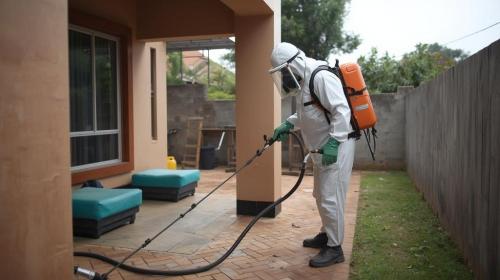
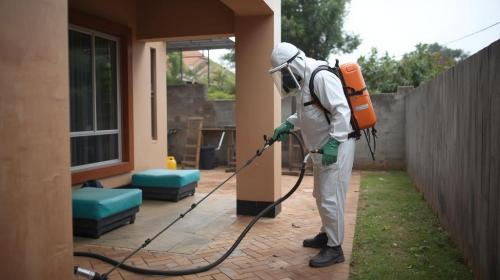
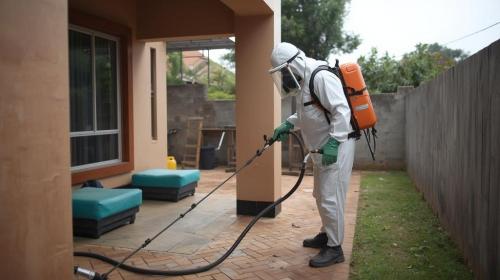
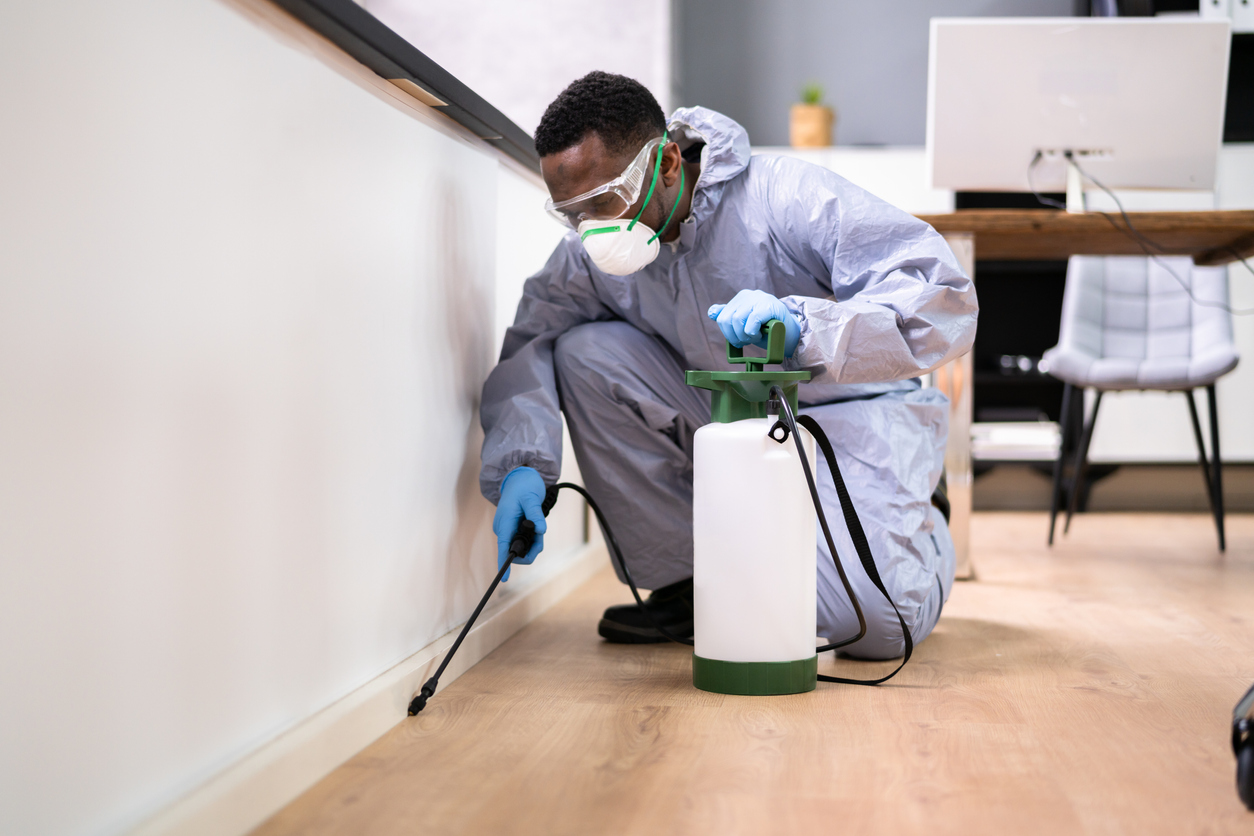
A good fumigation provider should inspect the house and target the actual pest problem. They should not treat every home the same way. Fleas, cockroaches, bedbugs, mosquitoes, and rodents require different approaches.
For fleas, treatment should focus on carpets, rugs, pet bedding areas, sofa corners, cracks, and floor edges. The pet itself should be treated separately using vet-approved flea control. Fumigation treats the house, not the animal.
For cockroaches, the provider may use gel bait in kitchen corners, behind appliances, under sinks, and around cabinet hinges. Bait should be placed carefully away from areas where pets can reach it. Sprays or dust may be used in cracks and hidden movement routes, but the provider should explain safety clearly.
For bedbugs, the treatment may involve mattresses, bed frames, sofas, curtains, skirting boards, and wall cracks. If your pet sleeps on the bed or sofa, those areas need attention. For rats and mice, the solution may include sealing entry points, traps, and safe bait placement. Poison should be used very carefully in homes with pets because accidental ingestion can be dangerous.
The technician should tell you exactly when pets can return, which areas were treated, and what you should clean before allowing pets to roam.
After Fumigation: Bringing Pets Back Safely
When the recommended waiting period is over, do not just open the door and let your dog or cat run in. First, ventilate the house properly. Open windows and doors. Let fresh air circulate. If you live in a flat with small windows, give it extra time. Do not cover the smell with air freshener. Fresh air is what you need.
Wipe pet feeding areas with soap and water. Clean the floor where bowls are placed, low surfaces your pet touches often, and any area where the pet may lick or eat. Wash food and water bowls again before using them.
Do not mop every treated area immediately unless the provider tells you to. Some pest control products are designed to remain active along cracks, corners, and skirting boards for some time. Mopping too soon may reduce effectiveness. Ask the provider what can be cleaned immediately and what should be left for 24 to 48 hours.
Return pet bedding, toys, and blankets only after washing and drying them. If toys were exposed during treatment, wash or wipe them before use. Cats and dogs use their mouths a lot, so exposed toys should not be ignored.
Watch for Pet Reactions After Treatment
Most pets return home without any issue when fumigation is done properly and the house is aired well. Still, observe your dog or cat closely for the first few hours. Watch for drooling, vomiting, coughing, sneezing, red eyes, weakness, shaking, skin irritation, or unusual behavior.
If you notice anything worrying, move the pet to fresh air immediately and contact a veterinarian. Also call the fumigation provider and ask for the product name used. Keep this information somewhere accessible. In an emergency, the vet needs accurate details, not guesses.
For cats, be extra cautious. If your cat starts grooming excessively after returning home, check whether it may have walked through a treated area that was still damp. This is why waiting, ventilation, and wiping pet-accessible surfaces matter.
Treating the Pet and the House Together
For fleas and ticks, fumigating the house alone may not be enough. The pet may still carry fleas, and the fleas may re-infest the home. At the same time, treating only the pet may not work if flea eggs and larvae remain in carpets, sofas, and bedding.
Speak to a veterinarian about safe flea and tick control for your dog or cat. Do not use dog products on cats unless a vet confirms they are safe. Some products meant for dogs can be dangerous for cats. Also avoid mixing random home remedies and chemicals without professional guidance.
A good plan usually involves treating the pet, washing pet bedding, vacuuming the house, fumigating key areas, and repeating treatment where necessary. Hapo ndio fleas huanza kuisha properly.
Special Advice for Bedsitters and Small Apartments
Pet owners in bedsitters and small apartments need extra planning because everything is in one space. Your bed, pet bed, kitchen, sofa, food storage, and pet bowls may all be within a few steps. During fumigation, remove the pet completely and pack all pet items safely.
Choose a time when you can stay out long enough. Morning treatment is often better because the house can air during the day. Avoid fumigating late in the evening if you have nowhere safe for your pet to stay overnight.
After returning, ventilate longer, wipe pet-accessible surfaces carefully, and keep the pet from licking corners or skirting boards. If your dog is active or your cat likes hiding under the bed, check those areas before allowing free movement.
Common Questions Pet Owners Ask
Can my dog or cat stay in another room during fumigation?
No. Pets should leave the house completely. Fumes can travel under doors, through vents, and across rooms. In apartments and bedsitters, rooms are rarely sealed enough to protect animals.
How long should pets stay away after fumigation?
The waiting period depends on the treatment used. Many providers recommend several hours, but heavier treatment may require longer. For cats, puppies, kittens, senior pets, or pets with health issues, allow extra time and ventilate well.
Is fumigation safe for cats?
It can be safe when done by a qualified provider using suitable products and proper re-entry instructions. Cats are sensitive, so tell the fumigator you have a cat before treatment and keep the cat away until the home is fully aired and safe.
Can fumigation remove fleas completely?
It can help greatly, but fleas often require both home treatment and pet treatment. Wash bedding, treat carpets and resting areas, and use vet-approved flea control on the pet. Follow-up may be needed.
Final Thoughts
Fumigation services for homes with pets in Kenya should be planned, not rushed. Dogs and cats are curious, sensitive, and close to the floor, so their safety must come first. At the same time, pests like fleas, cockroaches, bedbugs, rats, and mosquitoes should not be ignored because they can affect both your home and your pet’s comfort.
The safest approach is to hire a provider who understands pet safe fumigation Kenya households need, ask clear questions, remove pets before treatment, protect pet items, ventilate properly, and clean the right areas before your pets return. For flea problems, work with both a fumigator and a vet so the pet and the house are treated together.
A pest-free home should not come at the expense of your furry family member. With good preparation and the right professional support, you can deal with pests properly and still keep your dog or cat safe, calm, and comfortable.