

You have booked fumigation, the technician has finished spraying, and now comes the question almost every Kenyan household asks: “Tunarudi saa ngapi?” Maybe the fumigator says two hours. Maybe your neighbor says they returned after one hour and nothing happened. Then you start thinking about the children, the cat, the food in the kitchen, the mattress that was sprayed, and whether the smell in the house is normal.
This question matters because fumigation is not the same as using a small can of spray under the sink. Professional pest control products need time to settle, work, and clear from the air. Returning too soon can expose you to fumes or wet chemical residue, which may irritate your eyes, skin, throat, or lungs. Waiting for the right period helps protect your family while allowing the treatment to do its job.
So, how long should you stay away after fumigation in Kenya? For most homes, the safe waiting period is usually a few hours, but the exact time depends on the type of treatment, the pest being controlled, the product used, ventilation, and whether there are children, elderly people, pets, or people with asthma in the house. Hii si mambo ya kubahatisha. Always follow the instructions given by the fumigation provider.
Why You Should Not Enter Immediately After Fumigation
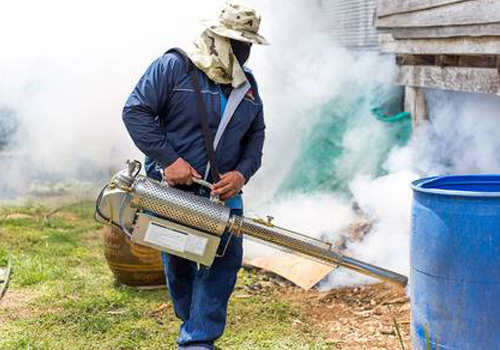
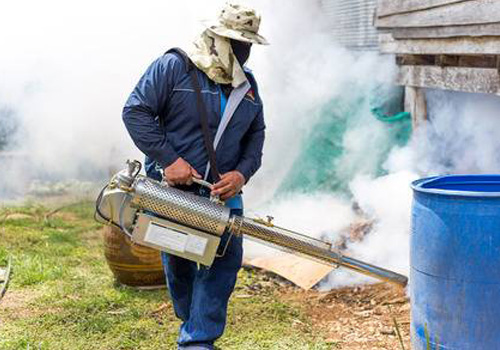
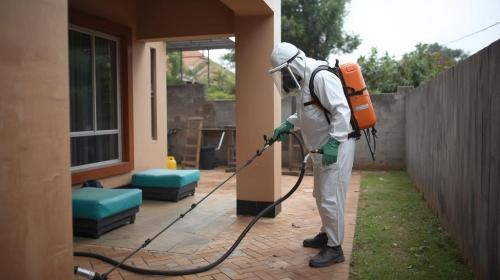
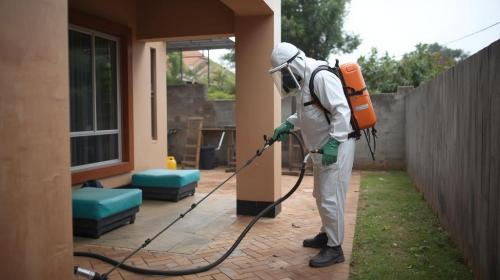
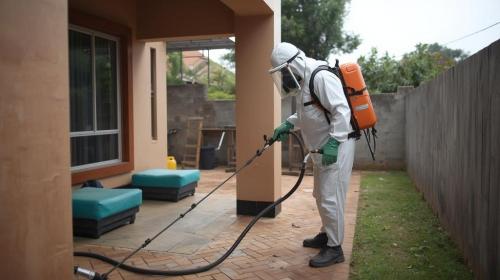
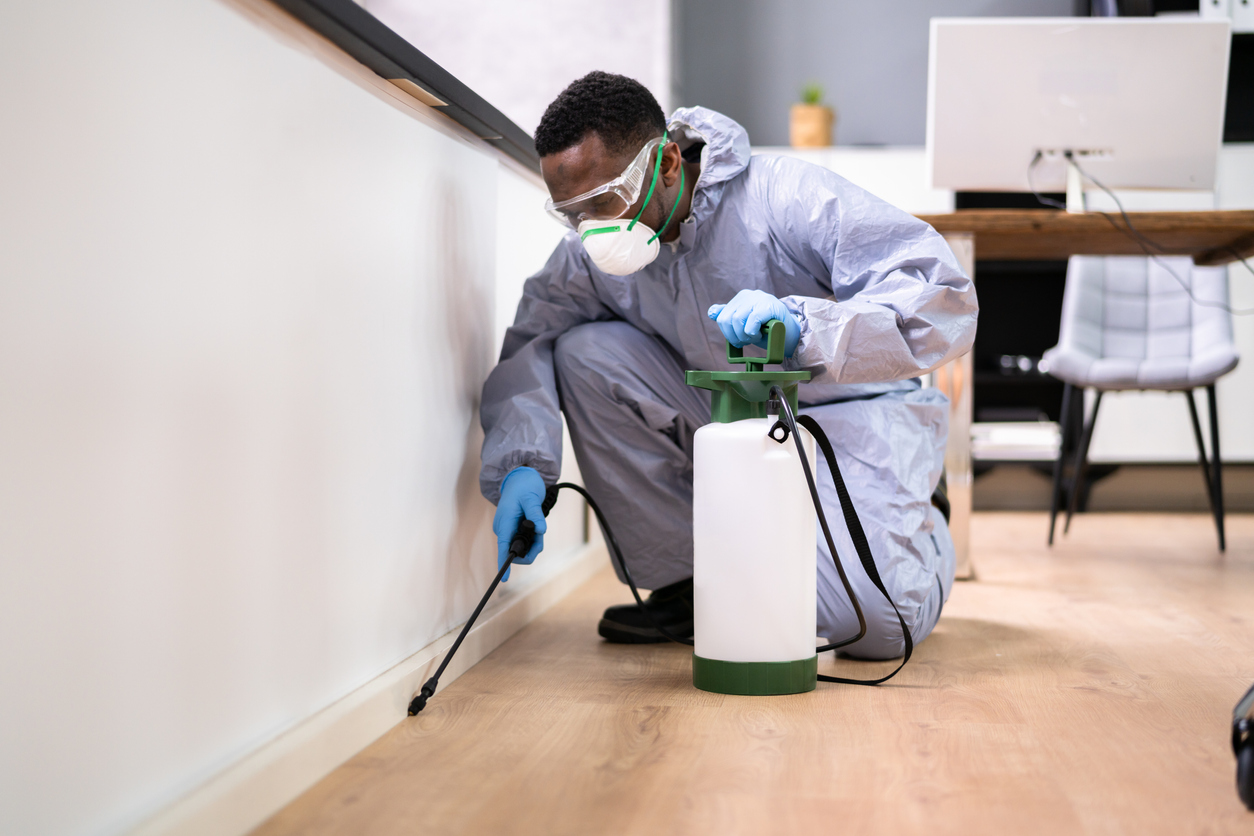
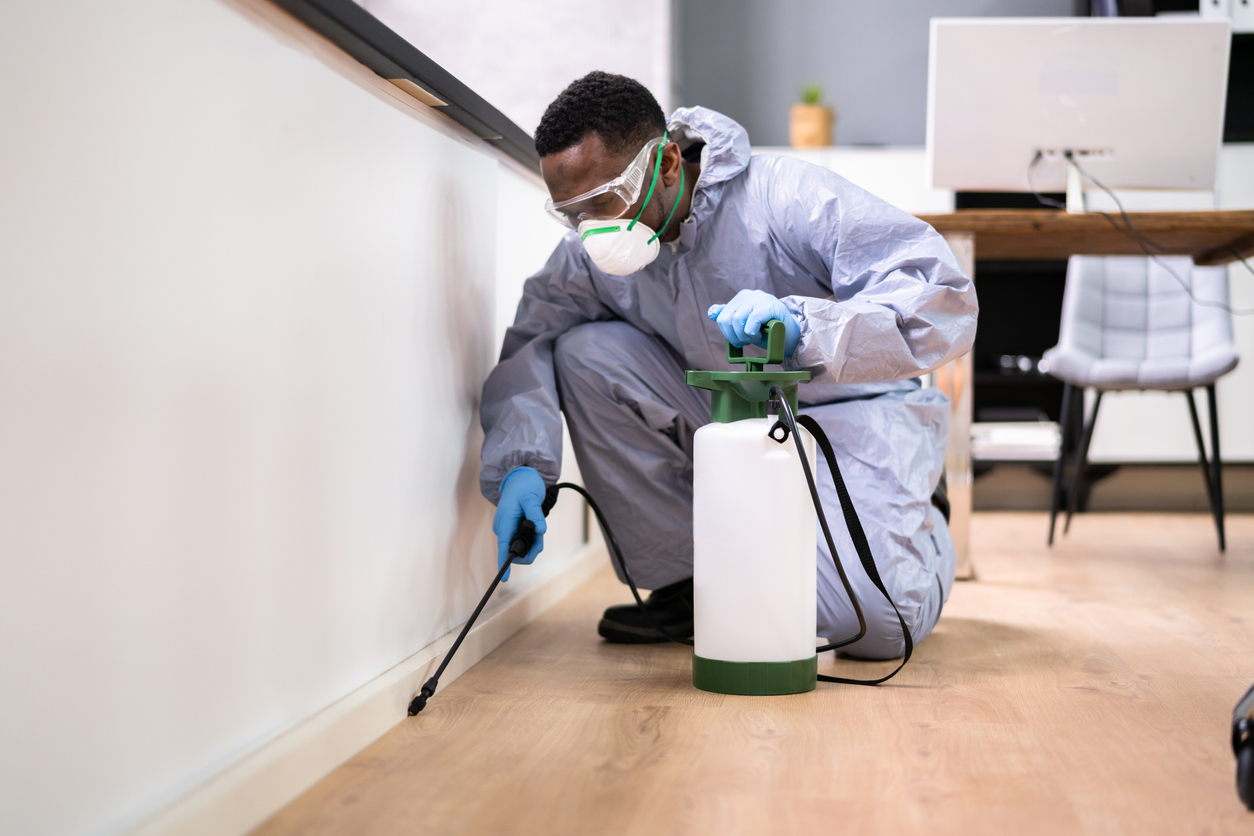
During fumigation, pest control products are applied to areas where insects hide, move, or breed. This may include floors, skirting boards, kitchen cabinets, drains, mattresses, bed frames, sofas, curtains, wall cracks, and corners behind appliances. In some cases, a fogging machine or misting equipment is used to spread fine particles into hidden spaces.
Right after treatment, the chemical concentration in the air and on surfaces may still be high. Some treated surfaces may also be wet. Entering too early can cause discomfort, especially in small or poorly ventilated homes. A bedsitter in Pipeline, a one-bedroom in Roysambu, or a compact flat in Umoja may trap chemical smell longer than a large maisonette in Ruiru or Karen.
The waiting period allows the treatment to settle and the air to clear. It also gives residual products time to remain in the right areas so they continue killing pests such as cockroaches, bedbugs, fleas, and ants. If you rush back, touch treated surfaces, or start mopping immediately, you may reduce the effectiveness of the treatment and put yourself at unnecessary risk.
The General Waiting Time After Fumigation in Kenya
There is no single re-entry time that applies to every house. A light cockroach baiting treatment is different from full-house fogging for bedbugs. A home with adults only is different from a home with a crawling baby or a cat that licks its paws.
As a practical guide, many households wait at least two to six hours after standard residential fumigation. For heavier treatments, families may need to stay away for eight hours or longer. In some special cases, especially where stronger treatment is used, the provider may advise staying away overnight.
The safest answer is the one given by the technician after explaining what was used. Ask for clear re-entry instructions before the job starts, not after the house is already full of mist. A professional should tell you how long to stay away, how to ventilate, what to clean, and what not to clean immediately.
Light Cockroach Treatment: Usually a Shorter Waiting Period
Cockroach control may involve targeted spraying, gel bait, or a combination of both. If the provider is mainly placing gel bait in kitchen corners, behind appliances, under sinks, and inside cabinet hinges, the waiting period may be shorter because the treatment is more targeted.
Still, you should not assume you can enter immediately. If spraying was done around the kitchen, floor edges, drains, or cabinets, allow enough time for surfaces to dry and fumes to reduce. Many households wait around two to three hours for light treatments, then ventilate before settling in.
After returning, wipe food preparation areas such as kitchen counters, dining tables, and high chairs. Do not wipe away gel bait or treated cracks unless the provider tells you to. Gel bait needs to remain in place so cockroaches can feed on it and carry the effect back to hiding areas.
Full-House Fogging or Misting: Give It More Time
Fogging and misting are common for serious cockroach infestations, bedbugs, fleas, mosquitoes, and general pest control. A machine releases a fine mist that can reach hidden spaces behind furniture, under beds, around cabinets, and along wall cracks. Because the mist spreads widely, the house needs more time before people can safely return.
For full-house fogging, many families in Nairobi, Kiambu, Mombasa, Nakuru, and Kisumu plan to stay away for about four to six hours. If the house has children, pets, elderly people, or someone with asthma, it is sensible to allow more time. Some families choose six to eight hours so the house can air properly before everyone returns.
Ventilation is very important after fogging. A house with large windows and good airflow may clear faster than a small bedsitter with one window. If the smell is still strong when you return, do not force things. Open the windows, step out again, and allow more time.
Bedbug Fumigation May Require Longer
Bedbug treatment is often more intensive because bedbugs hide deep in mattress seams, bed frames, sofas, curtain folds, skirting boards, wall cracks, and furniture joints. A technician may treat several surfaces directly, especially around sleeping areas. In heavy infestations, more product may be used, and follow-up treatment may be needed after eggs hatch.
For bedbug fumigation, many homes should plan for at least six hours away, and sometimes longer depending on the treatment method. If the provider recommends staying away overnight, ask why and follow the guidance if the explanation makes sense. This may apply where treatment is heavy, ventilation is poor, or the home has sensitive occupants.
Do not rush to sleep on a treated mattress unless the fumigator has confirmed it is safe. Air the room properly. Wash bedding that was removed before treatment, and avoid covering the mattress too soon if the provider says the treatment needs time to work.
Homes With Children Need Extra Caution
Children are more vulnerable because they breathe faster, touch many surfaces, crawl on floors, and put hands or toys in their mouths. A toddler in a flat in Kahawa West or a baby in a bedsitter in Zimmerman cannot understand which corner was treated or why they should not touch the floor.
If you have children, especially babies or toddlers, add extra waiting time after fumigation. Even if the provider says adults can return after a few hours, families with young children may choose to wait longer and ventilate thoroughly. A morning fumigation appointment is usually better because the house has the whole day to air before bedtime.
Before treatment, remove baby bottles, formula, breast pumps, medicine, toys, teething items, food containers, and bedding. When you return, wipe food surfaces and child-contact areas with soap and water. If your child crawls, consider using a clean playmat for the first day, especially if residual treatment was applied along floor edges.
Homes With Pets Also Need More Time
Pets are not like adults who can avoid treated areas. Dogs sniff corners, cats walk along skirting boards, and both may lick paws or fur after touching surfaces. Cats are especially sensitive to some pest control products, so extra caution is important.
Dogs, cats, birds, rabbits, and other pets should leave the house before fumigation starts. Fish tanks need special handling because fish are highly sensitive to airborne chemicals. Ask the provider what to do before treatment. In many cases, tanks should be moved out if possible, or sealed properly with professional guidance.
After fumigation, do not bring pets back immediately. Ventilate well, clean feeding areas, wash bowls, and wipe low surfaces where pets eat or rest. Pet bedding and toys should be washed before use. If the provider gives a standard re-entry time for people, ask specifically whether that time is also safe for pets. Kwa pets, better uchelewe kidogo than risk a reaction.
People With Asthma, Allergies, or Health Conditions
People with asthma, allergies, breathing problems, skin sensitivity, or other health concerns should be more cautious. Fumes, smells, and residues can irritate sensitive people even when others feel fine.
If anyone in the home has asthma or a serious allergy, tell the fumigator before treatment. They may adjust the product, recommend longer re-entry time, or advise stronger ventilation. In some cases, it may be better for the sensitive person to stay away until the next day, especially after heavy fogging or bedbug treatment.
If symptoms such as coughing, wheezing, eye irritation, dizziness, nausea, or skin rash appear after returning, leave the house, get fresh air, and seek medical advice where necessary. Also ask the fumigation provider for the product name used so you can give accurate information to a doctor.
What to Do Before Leaving the House
Safety starts before the fumigator arrives. Do not wait until the technician is already spraying to start moving food, toys, or pet bowls. Prepare early so the treatment is both safe and effective.
Remove or cover food, utensils, baby items, medicine, toothbrushes, drinking water, pet bowls, and open containers. Pack clothes and bedding where required, especially for bedbug treatment. Move furniture slightly away from walls so the technician can reach corners and cracks.
Tell the provider who lives in the house. Mention babies, children, elderly people, pregnant women, people with asthma, cats, dogs, fish, birds, or any other pets. This information affects product choice, treatment method, and re-entry advice.
Ask for written or text instructions. The message should include the product or method used, re-entry time, ventilation advice, cleaning instructions, and follow-up date if needed. Do not rely only on “rudi after two hours” without understanding the details.
If you are still choosing a provider, platforms such as The Real Plug can help users find vetted fumigation and pest control professionals in Kenya. Comparing providers and checking reviews is useful, especially when your home has children, pets, or sensitive family members.
What to Do When You Return After Fumigation
When the waiting period is over, do not rush everyone back into the house at once. First, open doors and windows. Let the house ventilate for at least 30 minutes or longer if there is still a strong smell. If you have fans, use them to improve airflow. In flats with small windows, ventilation may take longer.
Wipe surfaces used for food preparation and feeding. Clean kitchen counters, dining tables, baby high chairs, chopping areas, and pet feeding spots with soap and water. Wash utensils if they were exposed. If food was left uncovered, it is safer to throw it away.
Do not mop the entire floor immediately unless the fumigator tells you to. Some residual treatments need to remain along edges, corners, skirting boards, and cracks to keep killing pests. Many providers advise waiting 24 to 48 hours before deep cleaning floors. If you mop too early, you may remove the treatment and wonder why mende zimerudi after two weeks.
Wash bedding, pillowcases, curtains, and exposed fabrics where necessary. For bedbug treatment, washing and heat drying can help reduce eggs and hidden insects in fabrics.
Do Not Use Smell as Your Safety Test
One common mistake is assuming the house is safe because the smell has disappeared. Odour is not a reliable safety test. Some products may smell strong but clear quickly. Others may have little smell but still require waiting and ventilation.
Time, ventilation, and provider instructions matter more than smell. If you return and the smell is still strong, step out and allow more air circulation. If the smell is mild but the recommended waiting time has not passed, do not enter early.
Also avoid using air freshener to cover chemical odour. It may make the house smell better, but it does not replace fresh air. Open windows and let the house breathe.
Common Mistakes Kenyan Households Make After Fumigation
The first mistake is returning too soon because of pressure. Maybe it is late, the kids are tired, or you have nowhere else to go. This is understandable, especially for tenants in bedsitters and single rooms. Still, entering too early can be risky. Plan fumigation for a day when you can stay away long enough.
The second mistake is bringing pets back before the house has aired. Dogs and cats explore low surfaces where chemicals may settle. Give them extra time and clean their feeding areas before allowing them inside.
The third mistake is cleaning everything immediately. People come back, smell chemicals, panic, and mop the whole house. This may reduce treatment effectiveness. Clean food-contact and child-contact surfaces, but ask the provider when to deep clean treated areas.
The fourth mistake is ignoring follow-up. If the treatment was for bedbugs, fleas, or heavy cockroaches, a second visit may be needed. One treatment may not kill every egg. Follow-up is what helps break the cycle.
How Different Kenyan Homes Can Plan Re-Entry
For bedsitters and single rooms, morning fumigation is best. Since the whole living space is treated, the tenant should leave completely and return later after proper ventilation. If you have a baby, cat, or dog in a bedsitter, arrange somewhere safe to stay for several hours.
For one and two-bedroom apartments, families can plan around school, work, shopping, visiting relatives, or spending the day out. If security allows, windows may be opened later for ventilation, but never compromise home safety. Coordinate with the technician or caretaker.
For maisonettes and standalone homes, the process may be easier because there is more space, but the same safety rules apply. Do not assume you can stay in one room while another is treated unless the provider confirms it is safe. Fumes can travel.
For apartment blocks, landlords and caretakers should give tenants clear schedules and instructions before block fumigation. Families need time to prepare food, move children, protect pets, and plan re-entry.
Final Thoughts
So, how long should you stay away after fumigation in Kenya? For light targeted treatments, a few hours may be enough. For full-house fogging, many homes should plan for around four to six hours. For homes with children, pets, elderly people, or asthmatic family members, six to eight hours or longer may be safer. For heavy bedbug, flea, termite, or intensive treatments, the provider may advise staying away overnight.
The most important thing is not to guess. Ask what product is being used, how long to stay away, how to ventilate, and what to clean after returning. Get the instructions clearly, preferably in writing. Plan ahead so you are not forced to return too early because the baby is tired, the dog is restless, or it is getting late.
Fumigation is safe when handled properly, but the waiting period is part of the treatment. Give the chemicals time to work, give the house time to air, and give your family a safer return. That way, you deal with the pests without creating another problem inside your home.