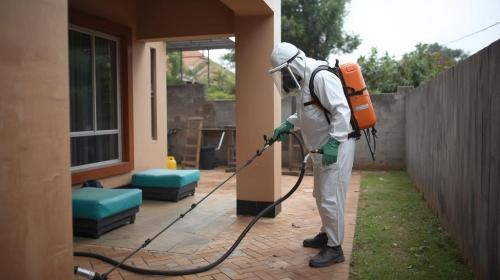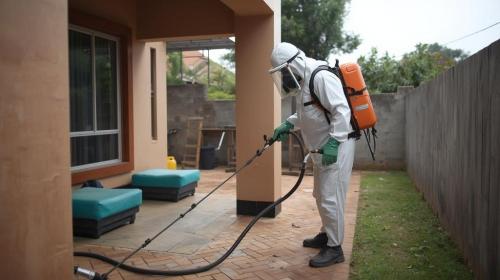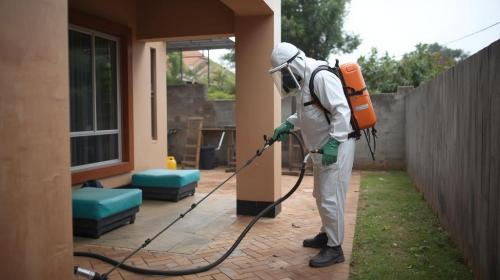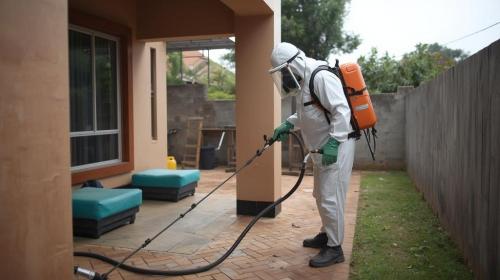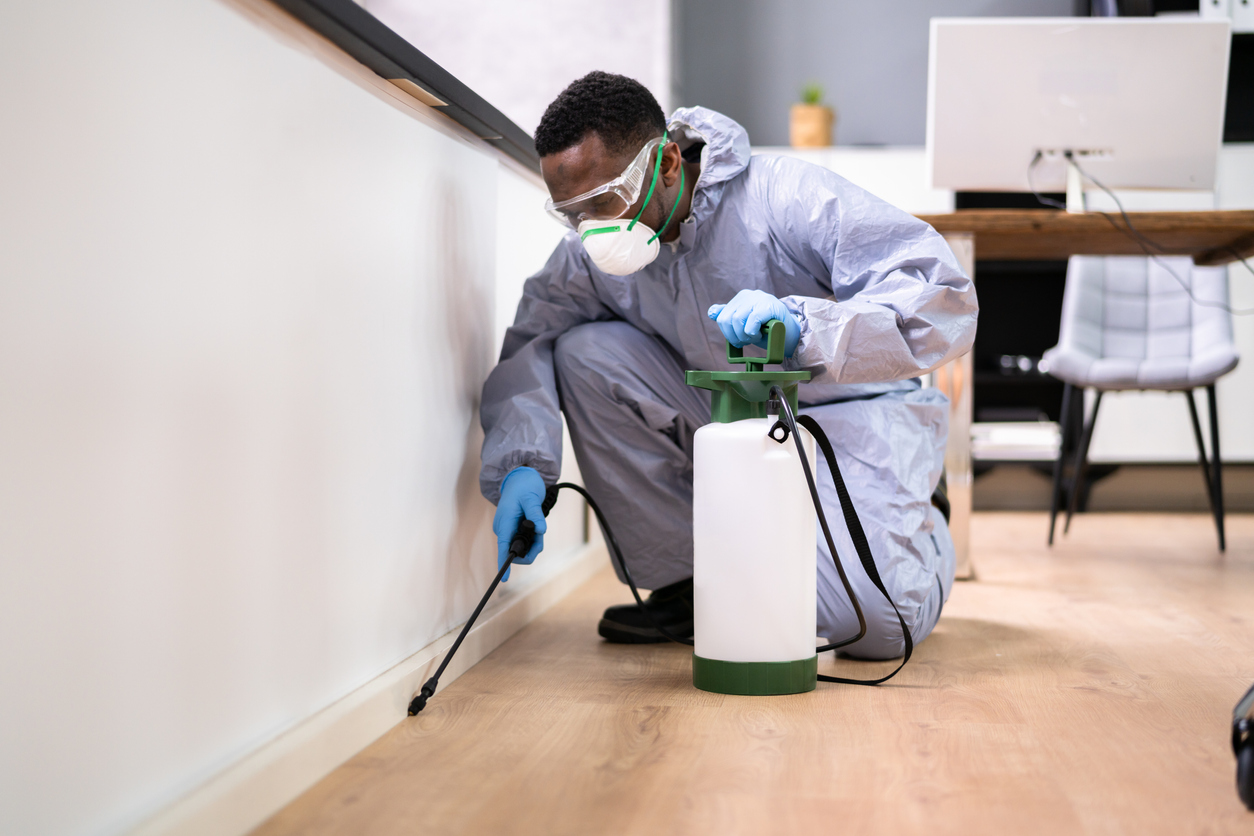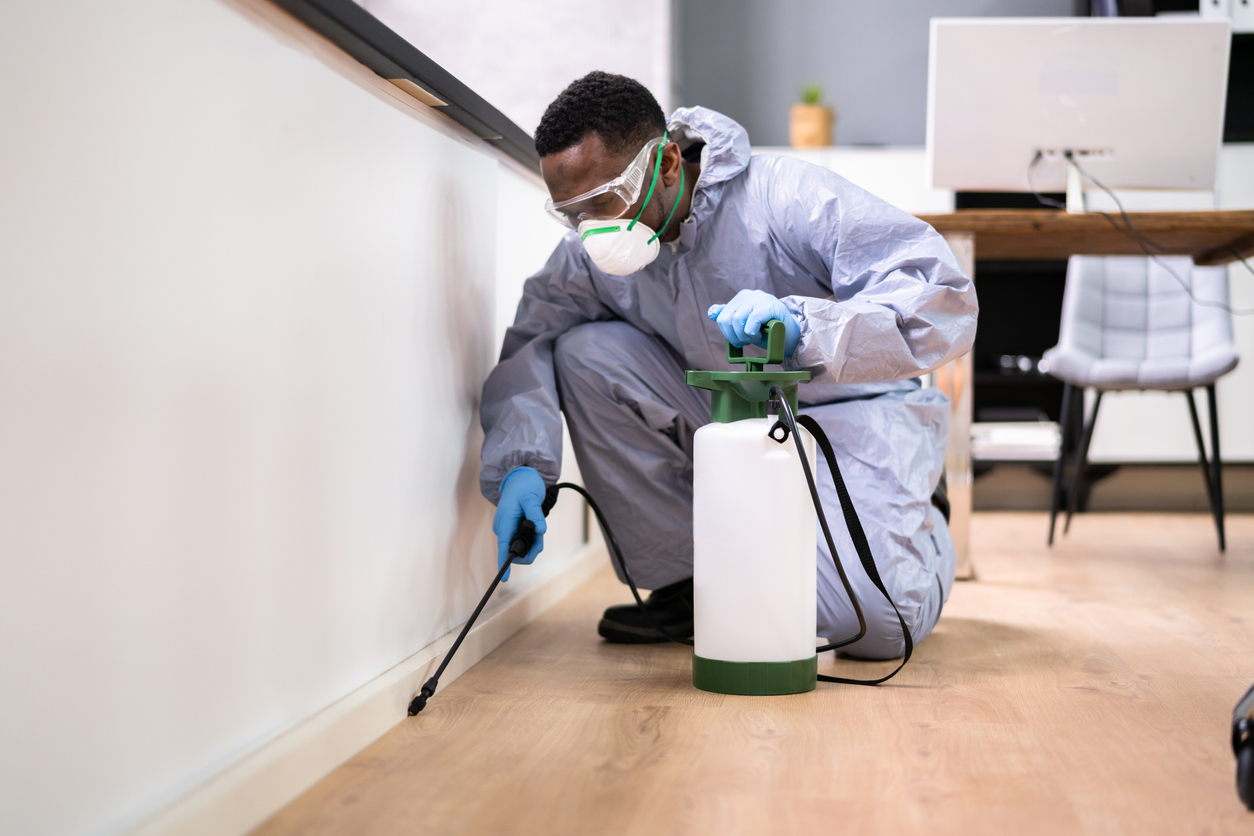


Booking fumigation is usually the simple part. The real work begins when the technician confirms the date and you start looking around your house wondering, “Sasa nitoe nini?” Should the plates come out? What about the unga in the cabinet, the baby’s bottle, the dog’s bowl, or the clothes in the wardrobe?
These questions come up often in Kenyan homes, especially in apartments, bedsitters, maisonettes, and rental blocks where space is limited. A family in Umoja may be preparing for cockroach fumigation. A tenant in Pipeline may be dealing with bedbugs in a bedsitter. A homeowner in Syokimau may be treating mosquitoes, ants, or rodents. In each case, proper preparation makes fumigation safer and more effective.
Knowing what to remove before fumigation Kenya households book can save you from unnecessary stress, wasted food, contaminated items, and repeat treatment. Fumigation products are meant to target pests, not baby bottles, toothbrushes, pet bowls, or open food. The more carefully you prepare, the easier it is for the technician to treat the right areas while keeping your family, pets, and belongings safe.
Why Preparing the House Matters
Fumigation works because pest control products reach areas where pests hide, move, and breed. Depending on the method used, the treatment may settle on floors, skirting boards, wall cracks, kitchen cabinets, drains, sofas, mattresses, curtains, and spaces behind appliances. That is useful when you are fighting cockroaches, bedbugs, fleas, ants, or other stubborn pests.
The problem is that anything left open may also be exposed. Food on the counter, a baby’s cup on the table, a toothbrush in the bathroom, or a dog’s water bowl near the kitchen can collect residue. In a small bedsitter, this risk is higher because the kitchen, bed, storage area, and sitting space are all close together.
Preparation also helps the fumigator do a better job. If the floor is full of boxes, clothes, shoes, toys, and food containers, the technician may not reach hiding places. Bedbugs may remain in mattress seams or bed joints. Cockroaches may stay behind cabinets and fridges. Fleas may survive in rugs and pet bedding.
In simple terms, removing the right items protects people and helps the treatment work properly. Hii si kazi ya dakika tano, but it is worth doing well.
Food and Drinks Should Be Removed or Sealed
Food is one of the first things to handle before fumigation. Remove open food from kitchen counters, shelves, dining tables, and cabinets that will be treated. This includes bread, fruits, vegetables, snacks, cooked food, spices, tea leaves, flour, sugar, rice, cereals, cooking oil, and drinking water.
Even if some food is packed, the outside of the packet can collect residue if left exposed. If you plan to use it later, store it in sealed containers, tight plastic bags, or a closed room that will not be treated. For extra caution, carry baby food, milk, formula, snacks for children, and ready-to-eat items with you.
Food inside a properly closed fridge or freezer is usually better protected, but it is still wise to ask your fumigation provider what they recommend. If the treatment is heavy, or if the fridge area will be treated for cockroaches, you may want to remove sensitive food items. Do not leave uncovered food and assume you will just wipe the container later. Ukisahau chakula wazi, it is safer to throw it away than risk using it.
Utensils, Plates, Cups, and Cooking Items
Kitchen items need careful handling because they come into direct contact with food. Plates, cups, spoons, sufurias, chopping boards, baby bowls, water bottles, and lunch boxes should be removed from open shelves and counters before fumigation.
If the fumigator is not treating inside the kitchen cabinets and the cabinets close tightly, some utensils may remain inside. However, in many cockroach treatments, technicians need access to cabinets because roaches hide in hinges, corners, cracks, and dark spaces near food storage. In that case, empty the cabinets before treatment.
After fumigation, wash exposed utensils with soap and clean water before using them. For baby feeding items, sterilize where necessary. It may feel like extra work, but it is better than wondering later whether the spoon or bottle was exposed.
Baby Items and Children’s Belongings
If you have children, especially babies or toddlers, be extra careful. Remove baby bottles, formula, breast pumps, pacifiers, sippy cups, teething toys, baby plates, medicine droppers, bibs, and feeding spoons. Anything that goes into a child’s mouth should not be left exposed.
Children’s toys should also be packed away. Soft toys, blocks, dolls, cars, learning toys, and anything your child plays with on the floor should be stored in sealed bags or closed containers. Toddlers touch everything and then put their hands in their mouths, so do not take chances.
If toys are accidentally left out during fumigation, wash them properly before giving them back. Plastic toys can be cleaned with soap and water. Soft toys may need washing and thorough drying in the sun. For parents in small apartments or bedsitters, packing children’s items in one large bag the night before makes the morning much easier.
Pet Items Must Be Removed
Pets are curious, and they interact with the house differently from humans. Dogs lick bowls, cats groom their paws, and both may chew toys or sleep on treated floors. Before fumigation, remove pet food, water bowls, toys, leashes, litter boxes, bedding, blankets, and grooming items from treated areas.
If you are dealing with fleas, pet bedding may need to be washed and treated separately. Fleas can lay eggs in rugs, blankets, sofas, and the corners where pets sleep. In that case, the fumigator may need to treat those areas directly, but food bowls and toys should still be removed.
Fish and birds need special attention. Fish are highly sensitive to airborne chemicals. If possible, move the fish tank out of the house. If it cannot be moved, ask the fumigation provider for specific instructions before treatment. Air pumps can pull contaminated air into the water, so do not guess. Birds should also be removed because they have sensitive respiratory systems.
And yes, pets themselves must leave the house. Do not lock the dog in the balcony or the cat in the bathroom. Fumes can move. Plan where they will stay until the house is properly aired and safe.
Medicine, Toiletries, and Personal Care Items
Remove medicine, inhalers, supplements, first-aid items, toothbrushes, toothpaste, razors, open cosmetics, lotions, and personal hygiene items before fumigation. These items are used on or inside the body, so they should not be exposed to pest control products.
This is especially important for homes with children, elderly people, pregnant women, or anyone with asthma, allergies, or ongoing medical needs. Pack prescription medicine and inhalers in a bag you carry with you. Do not leave them on bedside tables, bathroom shelves, or open drawers.
Toothbrushes are easy to forget. Many people remember food and utensils but leave toothbrushes in the bathroom. If you accidentally leave one exposed, replace it or wash and disinfect it properly where appropriate. For peace of mind, replacement is often easier.
Clothes, Bedding, and Curtains
What you do with clothes and bedding depends on the type of pest being treated. For general cockroach or mosquito fumigation, clothes inside closed wardrobes and drawers can usually stay, especially if those storage areas are not being treated. Clothes left on beds, chairs, floors, or open racks should be packed away.
For bedbug fumigation, bedding needs more attention. Remove bedsheets, pillowcases, blankets, duvet covers, and light curtains where advised. Wash them in hot water if possible and dry them properly. Bedbugs hide in mattress seams, bed frames, curtains, and furniture joints, so the technician may need clear access to sleeping areas.
Do not cover the mattress with bedding before treatment. If the mattress or bed frame needs to be treated, leave it exposed as instructed. After treatment, follow the provider’s advice on when to put clean bedding back. In many Kenyan homes, especially where sun drying is common, washing and drying bedding early in the day helps a lot.
Electronics and Small Appliances
Electronics do not always need to be removed, but they should be handled carefully. Unplug televisions, microwaves, blenders, Wi-Fi routers, speakers, chargers, extension cables, and small appliances where possible. Move smaller electronics away from areas being heavily treated.
Cockroaches sometimes hide in warm electronics such as microwaves, routers, fridges, and TV stands. If the technician plans to treat around or inside such areas, ask exactly what method will be used. Gel bait may be applied in hidden corners, but direct spraying into electronics can damage them if done carelessly.
Cover sensitive electronics with plastic if they are not part of the treatment area. Avoid using bedsheets as covers because mist can pass through fabric. After fumigation, wipe exterior surfaces before use.
Important Documents and Valuables
Fumigation products may not necessarily destroy documents, but important papers should still be protected. Birth certificates, passports, title deeds, academic certificates, logbooks, bank documents, cash, jewellery, and business records should be stored safely.
This is partly about preventing exposure and partly about security. During fumigation, you will leave the house, and technicians may need to move around rooms. A professional provider should be trustworthy, but it is still wise to keep valuables locked away or carry them with you.
For tenants in bedsitters and single rooms, pack documents and valuables in one bag and take it along. It reduces stress and avoids unnecessary suspicion later.
What Can Stay in the House During Fumigation?
You do not have to empty the entire house. Furniture such as beds, sofas, tables, cabinets, wardrobes, and shelves usually stays. In fact, these items often need to stay because pests hide in them. Bedbugs may live in bed frames and sofas. Cockroaches may hide behind cabinets. Fleas may settle in carpets and soft furnishings.
Heavy curtains and carpets may also remain if they are part of the treatment plan, especially for fleas or bedbugs. However, ask the provider whether they should be washed afterwards.
Clothes inside tightly closed wardrobes or drawers can stay if those areas are not being treated. Food inside a well-sealed fridge may stay in many cases, although sensitive items such as baby food and ready-to-eat food are better removed where possible.
The rule is simple: if it will be touched, eaten, licked, used by a child, or placed in the mouth, remove it or seal it properly.
Special Advice for Bedsitters and Small Apartments
Preparing a bedsitter for fumigation can feel overwhelming because everything is in one room. The bed, kitchen, clothes, shoes, electronics, food, and sometimes baby or pet items all share the same space. But you do not need to panic.
Use large plastic bags, storage boxes, or sealed containers. Pack food, utensils, baby items, medicine, toiletries, pet items, and important documents first. Carry the most sensitive items with you. Leave furniture accessible for treatment. Move the bed slightly away from the wall and clear the floor so the technician can reach corners.
Do not rely on covering items with a bedsheet. Fumigation mist can pass through fabric. Use plastic bags or containers with lids. In places like Pipeline, Githurai, Zimmerman, and Kinoo, where many tenants live in compact units, this approach makes fumigation more manageable.
What If You Forget Something?
If you accidentally leave something exposed, do not use it immediately. Open food should be discarded. Utensils, cups, bottles, toys, and pet bowls should be washed thoroughly with soap and water. Baby bottles and feeding items should be sterilized before use.
For medicine, toothbrushes, and personal hygiene items, it may be safer to replace them if they were directly exposed. For clothes or fabrics, wash and dry properly before using them.
When in doubt, ask the fumigation provider what was used and where it was applied. If you are still unsure, choose the safer option. Losing a loaf of bread or replacing a toothbrush is cheaper than risking your family’s health.
How to Make Preparation Easier
Ask the fumigator for a preparation checklist before the appointment. A serious provider should be able to send one through WhatsApp or explain clearly what to remove. Preparation may differ depending on whether the treatment is for bedbugs, cockroaches, fleas, rats, mosquitoes, or termites.
Start packing the night before. Waiting until the technician is at the door leads to confusion. Pack one main bag with essentials you will need while away from the house: medicine, baby items, pet food, snacks, phone charger, keys, and important documents.
If you live in a rental block where several units are being fumigated, coordinate with neighbors. You can help each other with pets, children, or temporary storage. In many Kenyan flats, fumigation works better when the whole block cooperates instead of everyone doing their own thing quietly.
If you are still looking for a reliable provider, The Real Plug can help users find vetted fumigation and pest control professionals in Kenya. Comparing providers and checking reviews can help you choose someone who gives clear preparation and safety instructions.
After Fumigation: What to Wash and What to Leave
When you return, ventilate the house first. Open doors and windows and allow fresh air to circulate. Do not rush to bring children or pets inside before the house has aired properly.
Wash or wipe food-contact surfaces such as counters, dining tables, high chairs, and kitchen worktops. Wash utensils that were exposed. Wipe pet feeding areas and children’s play surfaces.
Do not mop the entire floor immediately unless the provider instructs you to. Some treatments are meant to remain active along skirting boards, corners, and cracks for a while. Mopping too soon can reduce effectiveness. Ask whether to wait 24 or 48 hours before deep cleaning.
Bedding, curtains, and exposed clothes should be washed where necessary. For bedbug treatment, washing fabrics and drying them properly helps reduce the chance of pests surviving in soft materials.
Final Thoughts
Knowing what to remove before fumigation Kenya homes receive is one of the easiest ways to make pest control safer and more effective. You do not need to empty the whole house, but you do need to protect anything that goes into the mouth, touches food, belongs to children, or is used by pets.
Remove or seal food, drinks, utensils, baby items, toys, medicine, toiletries, pet bowls, pet food, and important personal items. Clear clutter so the fumigator can reach hiding spaces. Leave furniture accessible, especially if bedbugs, cockroaches, or fleas are the target.
Fumigation is not just about the technician arriving with dawa. It is a process. Good preparation, clear instructions, safe re-entry, and proper aftercare all matter. Do it right, and you come back to a cleaner, safer, pest-controlled home without unnecessary worry. Do it carelessly, and you may spend the next day washing everything, throwing away food, or wondering whether the treatment worked.
A few hours of preparation can save you weeks of stress. Plan early, ask questions, and make sure your house is ready before the fumigator knocks.