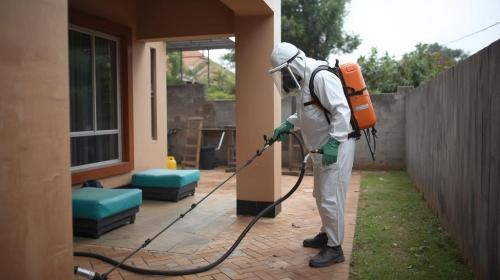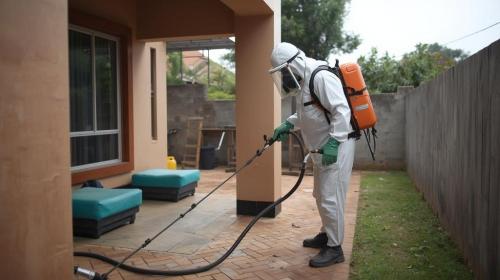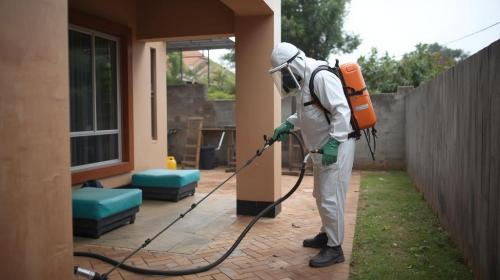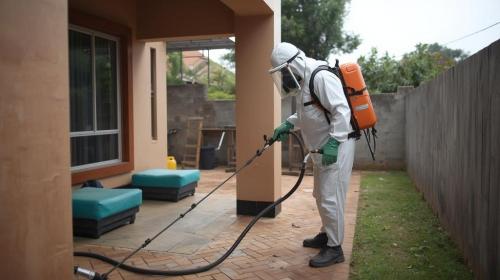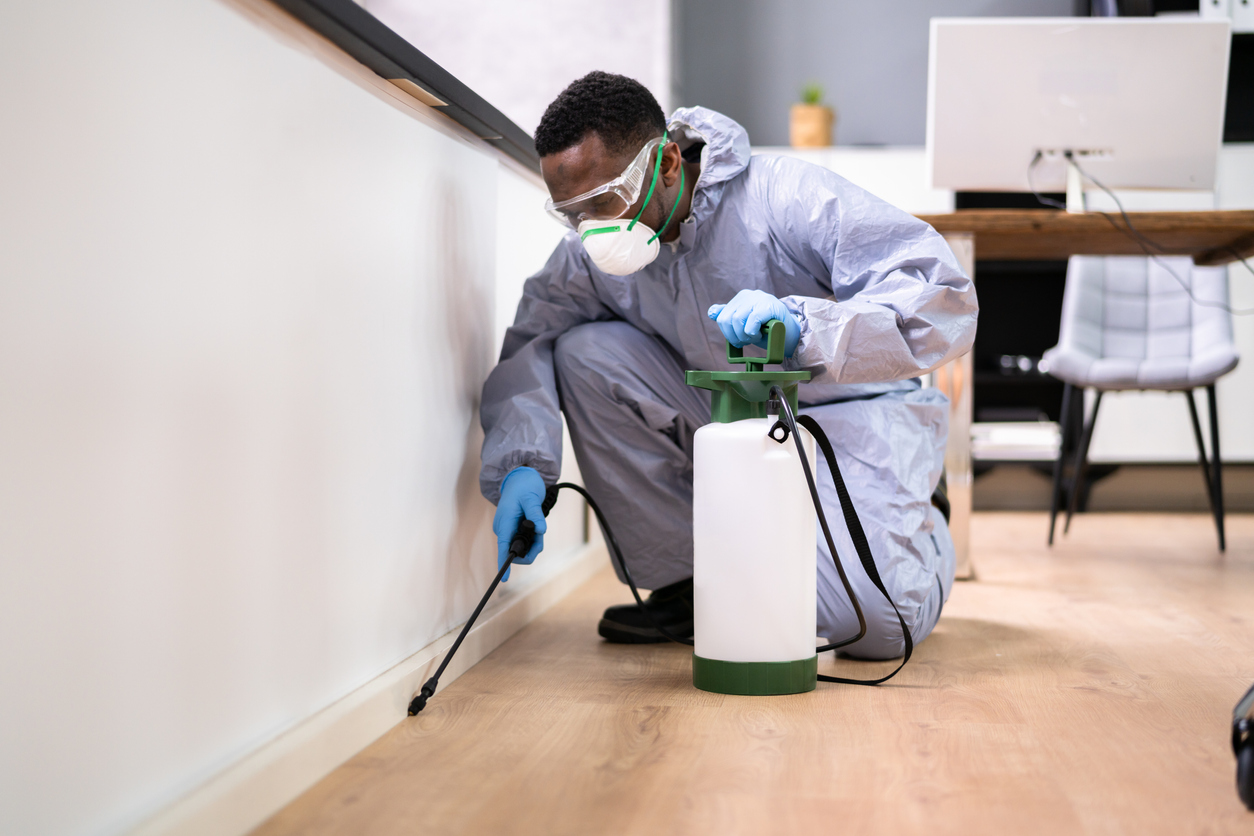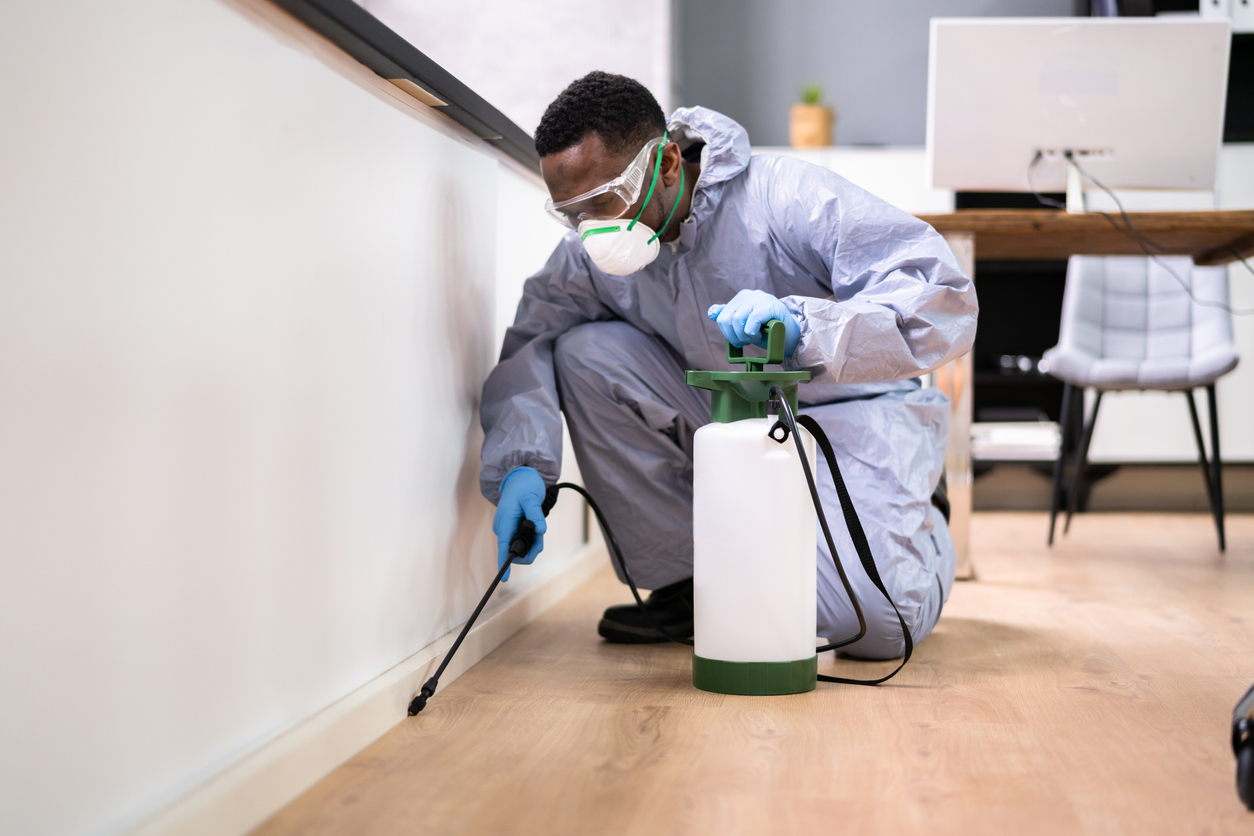


The fumigator has packed the machine, the house smells like chemicals, and everyone is standing outside with bags, slippers, snacks, and maybe a restless child asking when you are going back in. Then comes the big question: can you sleep in the house after fumigation, or should you look for somewhere else to stay for the night?
This is one of the most common concerns for Kenyan households booking pest control. Whether you live in a bedsitter in Pipeline, a one-bedroom in Roysambu, an apartment in Kilimani, a maisonette in Syokimau, or a family home in Ruiru, the decision matters. Returning too soon can cause irritation, headaches, coughing, or discomfort, especially for children, elderly people, pets, and anyone with asthma. Staying away longer than necessary can also be stressful, especially if you have nowhere else to sleep.
The honest answer is that it depends on the type of fumigation, the product used, how much treatment was applied, ventilation, and who lives in the house. Some homes are safe to sleep in the same night after proper airing. Others need more time. Hii si mambo ya guessing. You need clear instructions from the fumigator and a bit of common sense before deciding.
Why You Should Not Sleep Immediately After Fumigation
Professional fumigation is stronger and more targeted than spraying a small can of insecticide under the sink. Depending on the pest problem, the technician may treat floors, skirting boards, kitchen cabinets, mattresses, sofas, curtains, drains, wall cracks, and spaces behind appliances. For bedbugs, fleas, and cockroaches, the treatment often needs to settle in hidden areas where pests move and breed.
Right after fumigation, the product may still be active in the air or wet on surfaces. If you enter too soon, you may inhale fumes or touch treated surfaces before they have dried. Sleeping in the house too early increases exposure because you spend several hours indoors, breathing the same air and lying close to treated areas.
This is more serious in small homes. A bedsitter in Githurai, Zimmerman, or Umoja may have the bed, kitchen, sitting area, and storage in one space. If the whole room was treated, there may be no safe corner to sleep in immediately. Larger homes may air faster, but that does not mean you should ignore the recommended waiting time.
So, Can You Sleep in the House the Same Night?
Sometimes, yes. Sometimes, no. The safest answer depends on the treatment.
If the fumigation was light and targeted, such as cockroach gel bait in kitchen corners and limited spraying under the sink or behind appliances, you may be able to sleep in the house the same night after waiting the recommended period and ventilating properly.
If the house was fogged or misted fully, especially for bedbugs, fleas, or a heavy cockroach infestation, you should give it more time. Many households wait several hours before re-entering, then ventilate well before sleeping. If fumigation happened late in the afternoon or evening, sleeping elsewhere may be safer because the house may not have enough time to air before bedtime.
If the treatment was heavy, involved mattresses, sofas, wall cracks, or severe bedbug infestation, the fumigator may advise staying away overnight. In such cases, do not argue just because you are tired or inconvenienced. The treatment needs time to work, and your family needs safe air before sleeping inside.
Light Cockroach Treatment May Allow Same-Night Sleeping
For mild cockroach problems, a technician may use gel bait and targeted spray in the kitchen. Gel bait is usually placed in hidden corners, cabinet hinges, behind the fridge, under sinks, and along cockroach movement areas. Since this type of treatment is more controlled, the re-entry time may be shorter than full-house fogging.
Even then, do not enter immediately. Allow the recommended waiting time, then open windows and doors to ventilate. Wipe kitchen counters, dining tables, and food preparation areas before use. Do not wipe away the gel bait unless the fumigator tells you to, because it needs to remain in place for cockroaches to feed on it.
If only the kitchen was treated and the bedrooms were not sprayed, sleeping in the house the same night may be reasonable after proper airing. But if the chemical smell remains strong, give the house more time. Your nose is not a perfect safety test, but strong smell is a sign that ventilation is still needed.
Full-House Fogging Needs More Caution
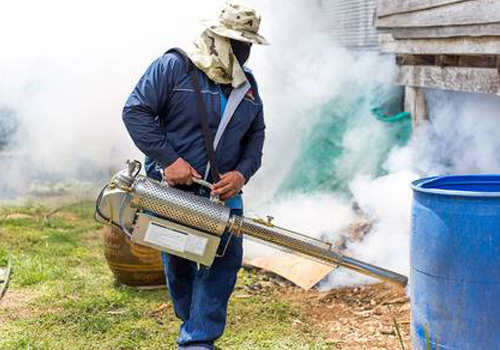
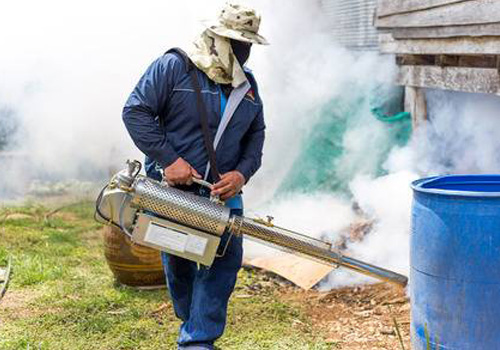
Full-house fogging or misting is common for bedbugs, fleas, mosquitoes, and serious cockroach problems. The machine releases a fine mist that spreads into corners, under furniture, behind cabinets, and around hidden spaces. This is useful because pests hide in places ordinary spraying may not reach.
The downside is that fogging affects more surfaces and airspace. If bedrooms, living rooms, kitchens, and corridors were fogged, you should not plan to sleep inside immediately. The house needs enough time for the mist to settle, surfaces to dry, and air to clear.
For many Kenyan homes, full-house fumigation is best done in the morning. If the technician finishes early, the family can stay out during the day, return later, ventilate properly, clean essential surfaces, and decide whether it is comfortable to sleep. If fogging happens at 4 p.m., the house may still feel too heavy by bedtime, especially in flats with poor airflow. Hapo ni better ujipange mapema.
Bedbug Fumigation Can Require Overnight Waiting
Bedbug treatment is different because the pest hides very close to where people sleep. The fumigator may treat mattresses, bed frames, headboards, sofas, curtains, wardrobes, skirting boards, sockets, and wall cracks. These are the same areas you are likely to touch or sleep near later.
If bedbug treatment was light and done early in the day, you may be allowed back the same evening after proper ventilation. But if the infestation was severe or the technician treated mattresses and sofas heavily, sleeping elsewhere for the first night may be safer.
Also remember that bedbug treatment may continue working after application. Do not rush to cover the mattress, mop treated corners, or return bedding too quickly unless the provider has explained what to do. Wash bedding, pillowcases, and exposed fabrics where advised, and follow the recommended follow-up schedule if eggs may hatch later.
Homes With Children Should Wait Longer
Children need extra caution after fumigation. Babies and toddlers breathe faster, crawl on floors, touch low surfaces, and put hands or toys in their mouths. They may come into contact with areas adults would never touch, such as skirting boards, corners, carpets, and chair legs.
If you have children, especially young ones, add extra time before sleeping in the house. Even if the fumigator says adults can return after a few hours, ask whether that applies to babies and toddlers too. Morning fumigation is usually better for families because the house gets more time to air before night.
Before children sleep in the house, ventilate well. Wipe food surfaces, high chairs, tables, door handles, and other areas they touch often. Wash exposed toys and bedding. If the house still smells strong or anyone complains of eye irritation, coughing, or headache, do not sleep there yet.
For children with asthma, allergies, or breathing problems, be even more careful. It may be wise to spend the night elsewhere after full-house fogging or heavy treatment.
Homes With Pets Need Extra Planning
Dogs and cats should not be in the house during fumigation, and they should not be brought back too soon. Pets sniff the floor, lick paws, groom themselves, and sleep close to treated surfaces. Cats are especially sensitive to some chemicals, so owners should be careful.
If you have pets, ask the fumigator directly: “When can my dog or cat safely come back?” Do not assume the human re-entry time is automatically enough for pets. In many cases, giving pets extra time is safer.
Before pets return, ventilate properly, wipe feeding areas, wash bowls, and clean or wash bedding and toys. Keep pets away from damp treated areas. If your dog or cat starts drooling, vomiting, coughing, scratching excessively, or behaving strangely after returning, move them to fresh air and call a vet. Also ask the fumigation provider for the product name used.
Birds and fish require even more caution. Birds have sensitive lungs, and fish can be affected by airborne chemicals entering the water. These pets should be discussed with the fumigator before treatment begins.
How to Know If the House Is Ready for Sleeping
Do not base your decision only on whether the smell has reduced. Some products may have little smell but still require waiting. Others may smell strong even after the main risk has reduced. The better approach is to check several things together.
First, confirm that the recommended waiting time has passed. If the fumigator said to stay away for six hours, do not return after three because the smell seems mild. Second, ventilate the house by opening windows and doors for at least 30 to 45 minutes, or longer if airflow is poor.
Third, check how the house feels when you enter briefly. If your throat itches, your eyes burn, or the smell hits you strongly at the door, step out and give it more time. Fourth, consider who will sleep there. Adults may tolerate mild smell better than babies, asthmatic people, elderly relatives, or pets.
Finally, check what was treated. If only the kitchen was treated, sleeping in the bedroom may be easier after ventilation. If bedrooms, mattresses, sofas, and floors were treated, be more cautious.
What to Do Before Sleeping in the House After Fumigation
If you decide it is safe to sleep in the house the same night, prepare the space first. Open windows and doors to let fresh air move through. If you have fans, use them to push air out. Avoid using air freshener to cover the chemical smell because it does not remove fumes.
Wipe surfaces you will touch often, such as bedside tables, light switches, door handles, kitchen counters, dining tables, and bathroom counters. Wash utensils if they were exposed. Replace or wash bedding as advised by the technician, especially after bedbug treatment.
Do not mop the whole floor immediately unless the fumigator tells you to. Some residual treatments need to remain along skirting boards, corners, and cracks so they can continue killing pests. Mopping too soon can reduce the effect and lead to repeat infestation. Clean only the necessary contact surfaces first, then ask when deep cleaning should be done.
Keep children and pets away from treated corners, floor edges, and damp areas. For the first night, avoid sleeping directly on a treated sofa or mattress unless the provider has confirmed it is safe and dry.
What If You Have No Choice but to Sleep There?
Sometimes life is not perfect. Maybe you live in a bedsitter, relatives are far, hotels are expensive, and the fumigation happened later than planned. If you truly have no other option, reduce the risk as much as possible.
Ventilate for longer than the minimum. Keep windows open if security allows. Sleep in the least-treated room if there is one. Avoid sleeping in a bedroom where the mattress and bed frame were heavily treated. Do not allow babies to crawl on the floor or pets to roam freely. Wipe all surfaces you will touch before sleeping.
If anyone develops headache, dizziness, coughing, nausea, eye irritation, or skin discomfort, leave the house and get fresh air. Seek medical advice where necessary. Also contact the fumigation provider and ask for the product details.
Still, if the fumigator specifically advised sleeping elsewhere, follow that advice. Usilazimishe. One uncomfortable night away is better than exposing your family unnecessarily.
Common Mistakes Kenyan Households Make
One common mistake is trusting casual verbal advice. A technician may say, “Mnaeza lala tu,” but you need clear instructions. Ask for the re-entry time, ventilation steps, cleaning advice, and product name in writing or through WhatsApp.
Another mistake is using smell as the only test. A house can smell better but still need more time. Or it can smell strong because of poor ventilation even after the waiting period. Use time, ventilation, and provider instructions together.
Some people close all windows after returning because of security, then sleep in a poorly aired house. This traps fumes indoors. If you cannot ventilate properly, consider sleeping elsewhere.
Another mistake is bringing children or pets back too soon. Adults may feel fine, but a toddler crawling on the floor or a cat licking its paws may be exposed differently. Give them extra time.
Finally, many people clean everything immediately. They mop floors, scrub corners, and wipe skirting boards, then complain that cockroaches or bedbugs returned. Ask the fumigator what should be cleaned immediately and what should be left for the treatment to keep working.
How to Plan Fumigation So You Can Sleep Comfortably
The easiest way to avoid stress is to book fumigation early in the day. Morning treatment gives the house several hours to settle and air before night. This is especially helpful for families with children, pets, elderly relatives, or people with asthma.
Ask the provider about the expected re-entry time before confirming the appointment. If they recommend six to eight hours and they can only come at 3 p.m., you may need to plan to sleep elsewhere or reschedule for morning.
Prepare the house before the technician arrives. Remove food, utensils, baby items, pet bowls, toys, medicine, toothbrushes, and exposed bedding. The better the preparation, the smoother the process.
If you are comparing providers, The Real Plug can help users find vetted fumigation and pest control professionals in Kenya. It is useful when you want to check reviews, compare services, and choose a provider who explains safety and re-entry instructions clearly.
Final Thoughts
So, can you sleep in the house after fumigation in Kenya? Yes, in some cases, but not immediately and not always on the same night. Light targeted treatments may allow same-night sleeping after proper waiting and ventilation. Full-house fogging needs more caution. Heavy bedbug, flea, termite, or intensive treatments may require sleeping elsewhere, especially if bedrooms, mattresses, and sofas were treated.
Homes with babies, young children, elderly people, asthmatic family members, dogs, cats, birds, or fish should be extra careful. When in doubt, add more time and ventilate longer.
The most important rule is simple: follow the fumigator’s written instructions. Ask what was used, how long to stay away, how to ventilate, what to wipe, and when to mop. Fumigation can make your home more comfortable and pest-free, but only if you respect the waiting period.
A pest-free house is good. A safe pest-free house is better.