

You paid for fumigation, left the house for a few hours, came back, opened the windows, wiped the kitchen counters, and waited. Two days later, you spot a cockroach near the bathroom drain. A week later, your child wakes up with what looks like fresh bedbug bites. Now you are wondering whether the fumigation actually worked or whether you just paid someone to spray strong-smelling dawa and disappear.
This question comes up often in Kenyan homes, especially in flats, bedsitters, rental blocks, and family apartments in places like Pipeline, Kahawa West, Roysambu, Umoja, Syokimau, Ruiru, Kilimani, Mombasa, Nakuru, and Kisumu. Some pests die immediately after treatment. Others take time. Sometimes seeing a few dead or weak insects after fumigation is normal. But if the problem looks exactly the same after several days, something may have gone wrong.
Knowing whether fumigation was done properly Kenya homeowners and tenants can save money, avoid repeat infestations, and protect their families from unsafe pest control practices. A good fumigation job has clear signs before, during, and after treatment. A poor job also leaves clues. You do not need to be a pest control expert to notice the difference.
A Proper Fumigation Job Starts With Inspection
A professional fumigator should not walk into your house and start spraying immediately. They should first ask questions and inspect the affected areas. What pests have you seen? Where do they appear most? How long has the problem been there? Are neighbors affected? Do you have children, pets, elderly people, or anyone with asthma in the house?
Inspection matters because different pests hide in different places. Cockroaches may be behind the fridge, inside cabinets, under the sink, near drains, or around the cooker. Bedbugs may be in mattress seams, wooden bed joints, curtain folds, wall cracks, sockets, sofas, and skirting boards. Fleas may be in carpets, rugs, pet bedding, and sofa corners. Rats may be entering through ceiling gaps, drain openings, broken vents, or spaces around pipes.
If someone gives you one flat answer without inspecting or asking questions, that is a red flag. Hii si kazi ya kubahatisha. A bedsitter with mild cockroaches does not need the same approach as a three-bedroom house with bedbugs in several rooms.
The Technician Should Explain the Treatment Clearly
Before fumigation begins, the technician should explain what they are going to do. You should know the pest being targeted, the areas they will treat, the method they will use, and how long you should stay out of the house.
A good provider will not hide behind vague phrases like “ni dawa kali sana.” They should explain whether they are using gel bait, residual spray, fogging, steaming, traps, rodent bait, drain treatment, or a combination. You do not need a chemistry lesson, but you should understand what is being applied in your home.
They should also tell you what to remove before treatment. Food, baby items, pet bowls, toothbrushes, medicine, toys, and open utensils should not be left exposed. If the fumigator does not care whether your baby’s bottle is on the table or your unga is open in the kitchen, that shows poor safety practice.
Clear communication is one of the easiest signs of a proper fumigation job. A professional wants you to understand the process because your preparation affects the results.
Protective Gear Is a Good Sign
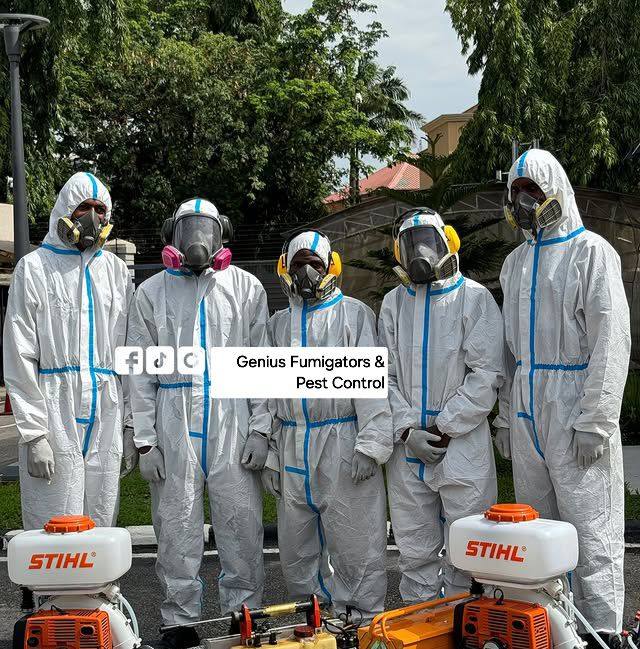
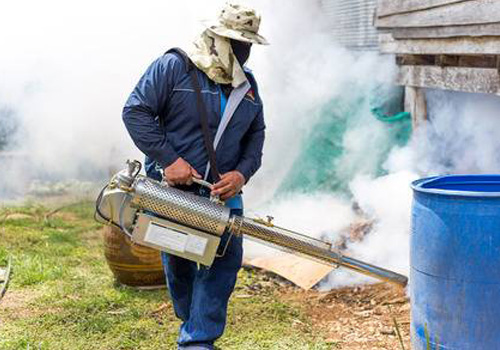
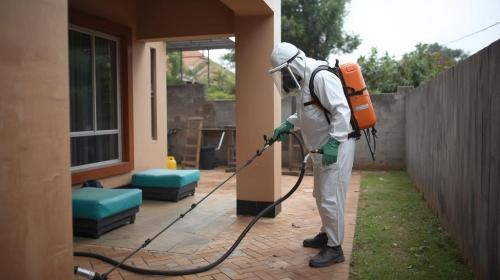
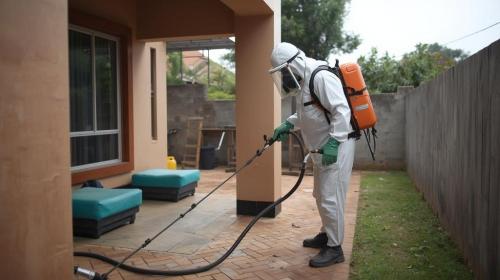
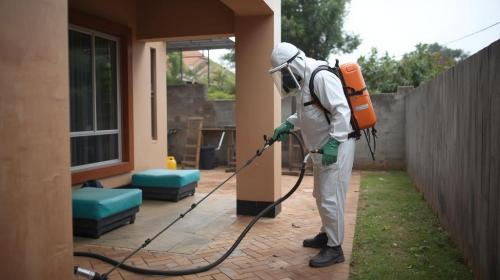
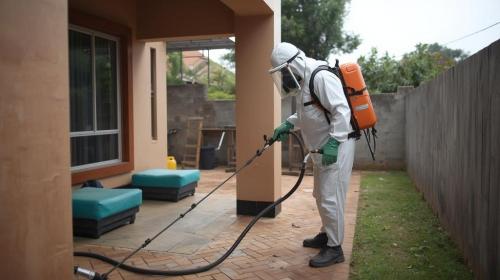
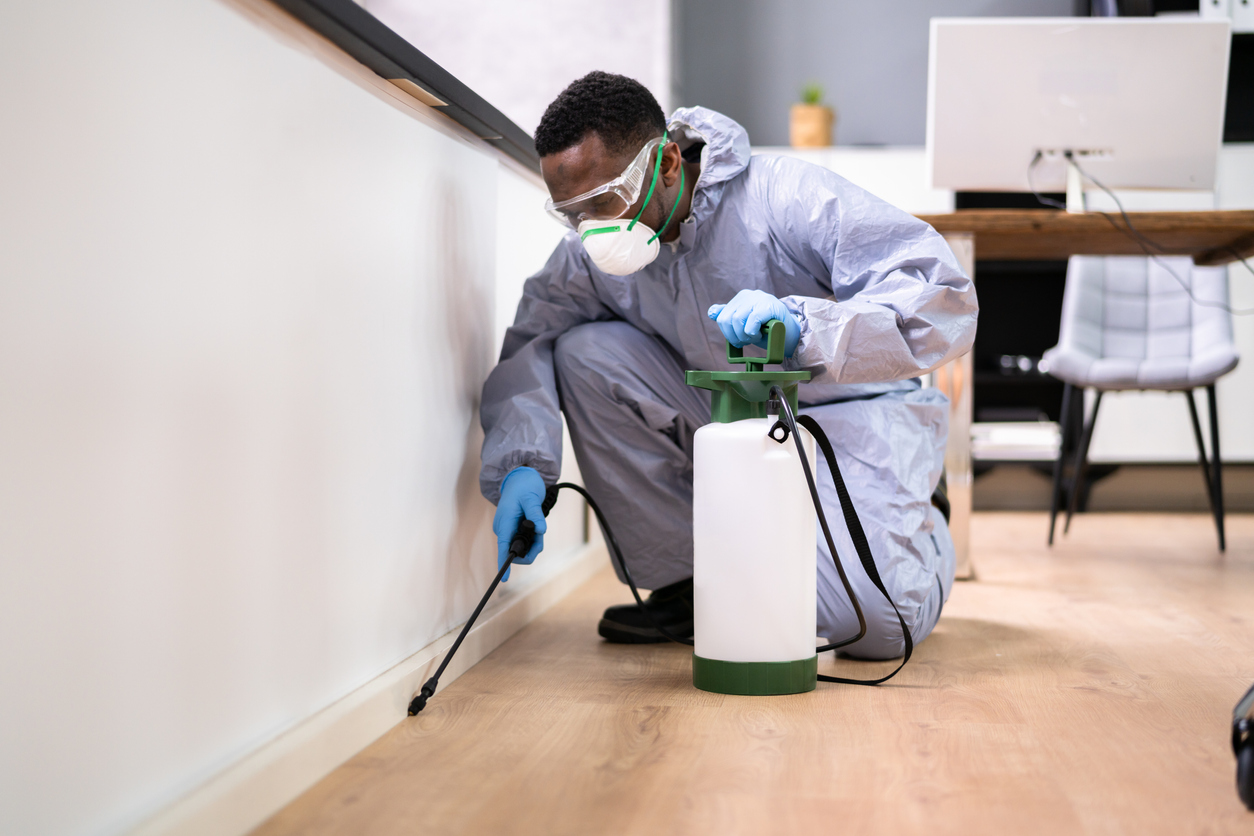
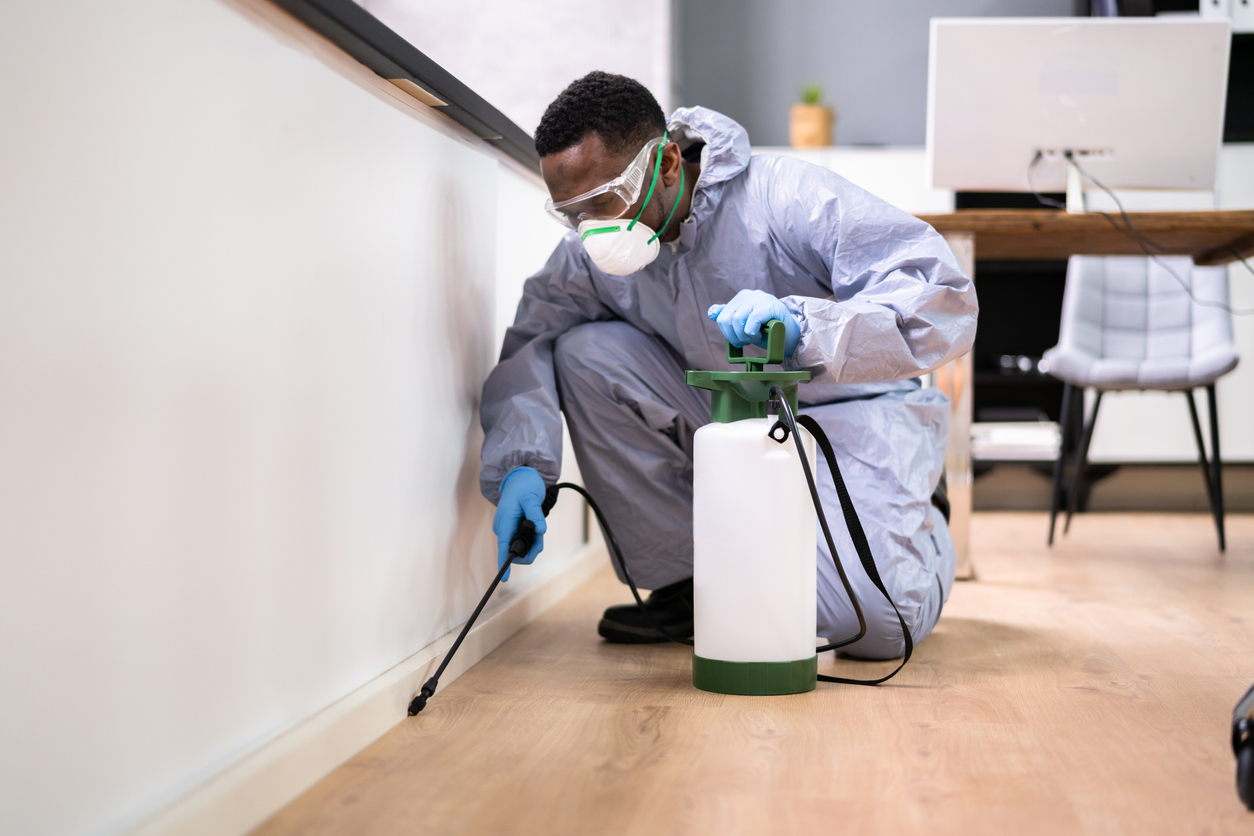
A serious fumigation technician should use protective gear appropriate for the job. This may include gloves, overalls, boots, eye protection, and a respirator or mask, depending on the treatment. Protective gear shows the provider understands the products being used and takes safety seriously.
If someone arrives in casual clothes, sprays heavily without protection, and tells you to return after a few minutes, be careful. Either they are using weak products, applying them carelessly, or exposing themselves and your household to unnecessary risk.
Professionalism is not only about looking smart. It is about safe handling, correct application, and respect for the people who will live in the house after treatment.
The Treatment Should Cover the Real Hiding Places
One of the clearest signs of proper fumigation is coverage. The technician should treat the areas where pests actually hide, not just the open floor. A person who sprays the middle of the room and leaves has not done enough.
For cockroaches, proper treatment should focus on kitchen cabinets, cabinet hinges, behind and under the fridge, under the sink, around drains, behind the cooker, near dustbins, and cracks where roaches move. Gel bait may be placed in hidden spots where cockroaches feed and carry the effect back to others.
For bedbugs, treatment should focus on the mattress, bed frame, headboard, sofa, curtains, skirting boards, wall cracks, furniture joints, sockets, and nearby hiding places. Bedbugs do not live only on the bedsheet. If the technician does not inspect or treat the bed frame properly, the job may fail.
For fleas, the provider should pay attention to carpets, rugs, sofas, pet bedding areas, floor edges, and places where dogs or cats rest. For rodents, the job should not only involve placing poison. Entry points, droppings, ceiling spaces, doors, vents, and food sources should also be checked.
Proper fumigation is targeted. It follows the pest, not just the visible surface.
You Should Receive Re-Entry and Cleaning Instructions
After fumigation, the provider should explain when it is safe to return. The waiting time depends on the treatment used, ventilation, house size, and whether there are children, pets, elderly people, or people with asthma. Light targeted treatments may require a shorter waiting period, while full-house fogging, bedbug treatment, or flea treatment may require longer.
The fumigator should also tell you how to ventilate the house and what to clean first. Food preparation surfaces such as kitchen counters, dining tables, and baby feeding areas should usually be wiped before use. Exposed utensils, toys, and pet bowls should be washed. However, you may be advised not to mop the whole floor immediately because some residual treatments need time to continue working along corners, cracks, and skirting boards.
If the provider gives no aftercare advice, that is a warning sign. Fumigation does not end when the technician packs the machine. What you do after returning affects both safety and results.
Seeing Dead Pests After Fumigation Is Normal
After a proper fumigation job, you may see dead cockroaches, ants, fleas, or other insects on the floor, especially near kitchens, bathrooms, drains, and corners. This is normal. It can even be a good sign because it means pests came into contact with the treatment.
For cockroaches, you may see dead or weak ones for several days. Some may come out during the day looking slow or confused. That does not automatically mean the treatment failed. It may mean the product is working.
For bedbugs, results can be less obvious. You may not see many dead insects because they hide in cracks and furniture. What matters is whether bites reduce, whether live insects reduce, and whether follow-up treatment is done where needed.
If you had a heavy infestation and see no change at all after several days, ask questions. A proper treatment should show a noticeable reduction, even if it does not eliminate every pest instantly.
Pest Activity Should Drop Within a Few Days
Fumigation is not always instant, but pest activity should reduce. For cockroaches, you should start seeing fewer live roaches at night within a few days. For ants, trails should reduce. For fleas, bites and jumping insects should reduce after treatment and cleaning. For bedbugs, bites may reduce within days, but serious infestations may need follow-up because eggs can hatch later.
If the number of pests is exactly the same after three to seven days, the treatment may have missed hiding areas, used the wrong method, or failed to address the source. In apartments, the source may also be outside your unit. Cockroaches may be coming from shared drains. Bedbugs may be moving from a neighboring room. Rats may be entering through the ceiling or garbage area.
This is why context matters. If your house was treated but the whole block is infested, the job may have been good for your unit but incomplete for the building. In flats, pest control often needs coordination with neighbors and the caretaker.
Follow-Up Is Often Part of a Proper Job
For some pests, one visit may not be enough. Bedbugs, fleas, and heavy cockroach infestations often require follow-up treatment. Eggs may hatch after the first treatment, or pests may remain hidden in places that need a second visit.
A proper provider should explain this before taking your money. They should tell you whether a follow-up is included, when it should happen, and what signs to monitor. For bedbugs, a follow-up after several days or around two weeks may be recommended depending on the situation. For cockroaches, monitoring and bait effectiveness may need checking.
Be careful with anyone who promises total permanent elimination in one quick visit without inspecting the home. Sometimes one visit works for mild problems, but serious infestations need a plan. Kwa ground, the follow-up is often what separates real pest control from a quick spray.
Red Flags That Fumigation Was Not Done Properly
A rushed job is one of the biggest red flags. If the technician arrives, sprays for a few minutes, and leaves without checking key areas, the treatment may not be thorough. A normal house needs time for inspection, preparation checks, treatment, and instructions.
Another red flag is lack of safety guidance. If you are told to return almost immediately after heavy spraying or fogging, be cautious. The provider should give re-entry advice based on the product and method used, not guesswork.
No receipt, no business name, no written instructions, and no follow-up arrangement can also be warning signs. If pests return, you need someone accountable. A provider who refuses to explain what they used or how to handle children, pets, or food items should not be trusted.
Strong smell alone does not prove good fumigation. Some people believe if the house smells harsh, the job was powerful. That is not always true. A bad provider can overuse the wrong product and leave the house uncomfortable without solving the pest problem. On the other hand, a proper treatment may not smell extreme but still work well.
When Pests Return Quickly After Fumigation
Seeing one or two pests shortly after fumigation does not always mean failure. Some pests may come out of hiding as they are affected. Others may be dying slowly. However, if you see many live pests after several days, or the same infestation level returns within a week or two, something is wrong.
The cause could be poor application, wrong product, diluted chemicals, no follow-up, hidden eggs, untreated furniture, or an external source. In flats, pests may also be coming from neighboring units, drains, garbage areas, or ceiling spaces.
Document what you see. Take photos or videos of live pests, droppings, bites, or affected areas. Note the dates. Contact the fumigation provider and explain clearly. A reputable company should advise you and, where appropriate, return for inspection or follow-up.
Do not keep paying the same person repeatedly if the method is not changing. If a provider sprays the same way twice and pests return the same way twice, it may be time to look for a better professional.
How to Check If Bedbug Fumigation Worked
Bedbugs can be tricky because they hide well and bites may continue briefly after treatment. To check results, inspect mattress seams, bed frame joints, headboards, curtain folds, wall cracks, and skirting boards. Look for live bugs, fresh black spots, shed skins, or new blood stains on bedding.
Also monitor your sleep. Are bites reducing? Are you seeing fewer signs each night? If fresh bites continue after two weeks, or you keep seeing live bedbugs, contact the provider. A second treatment may be needed.
Do not bring untreated bedding, second-hand furniture, or infested clothes back into the room after treatment. You can undo a good fumigation job by reintroducing pests. Wash bedding, reduce clutter, and follow the technician’s advice.
How to Check If Cockroach Treatment Worked
For cockroaches, check the kitchen at night using a torch. Look behind the fridge, under the sink, near the dustbin, around cabinets, and near drains. After proper treatment, activity should reduce clearly. You may see dead roaches for a few days, especially if bait or residual treatment was used.
If you still see many small cockroaches, egg cases, or active roaches in the same areas after a week, the breeding point may not have been reached. If roaches are appearing from drains or shared walls, ask the caretaker whether other units have the same issue.
Cockroach control also depends on hygiene and water control. If food waste, wet mops, leaking taps, and open packets remain, pests may return even after good treatment. Fumigation works best when combined with cleanliness and sealing entry points.
How to Avoid a Poor Fumigation Job Next Time
Before booking, ask the provider to explain their process. What pest are they treating? Will they inspect first? What method will they use? What areas will they cover? How long should you stay away? What should you remove before treatment? Is follow-up included?
Ask for a written quote or WhatsApp confirmation. It should include the pest type, service cost, treatment areas, safety instructions, re-entry time, and follow-up details if applicable. This protects both sides.
Check reviews or ask for recommendations from people who have used the service. Estate WhatsApp groups can help, but do not rely only on the loudest recommendation. Ask whether pests stayed away after treatment, whether the provider returned for follow-up, and whether they gave clear safety advice.
If you are comparing providers, The Real Plug can help users find vetted fumigation and pest control professionals in Kenya. It is useful when checking service providers before booking, especially if you want someone who offers inspection, follow-up, and clear safety guidance.
What Landlords and Caretakers Should Watch For
Landlords and caretakers should not judge fumigation only by whether the technician showed up. They should confirm that affected units, nearby units, common areas, drains, garbage points, ceiling spaces, and shared hiding areas were considered where relevant.
In apartment blocks, pests often return because only one unit was treated. If several tenants complain about cockroaches, bedbugs, fleas, or rats, the building may need coordinated treatment. A good provider should explain whether the problem is isolated or building-wide.
Caretakers should also ask for service records, receipts, dates, and follow-up schedules. This helps avoid arguments later when tenants complain that the job was done halfway. It also helps landlords protect the reputation of the property.
Final Thoughts
A proper fumigation job in Kenya has a clear pattern. The technician inspects first, explains the method, uses appropriate safety gear, treats real hiding places, gives preparation and re-entry instructions, and recommends follow-up where needed. After treatment, pest activity should reduce, dead pests may appear, and the problem should continue improving over the next few days or weeks.
A poor job is usually rushed, vague, and unsupported. No inspection, no explanation, no safety advice, no follow-up, and no accountability. It may smell strong for a day but fail to solve the infestation.
As a tenant, homeowner, landlord, or caretaker, do not judge fumigation by smell alone or by how fast the technician worked. Judge it by process and results. Ask questions. Keep receipts. Monitor the house. Report problems early.
You paid for pest control, not a quick spray and a prayer. A good job should leave your home safer, calmer, and clearly improving, not full of the same mende, kunguni, fleas, or panya a few days later.