

Hiring a fumigation company in Kenya can feel confusing, especially when every provider sounds confident. One person in an estate WhatsApp group says they can clear mende and kunguni for KSh 1,500. Another company has branded uniforms, videos of fogging machines, and a price that is three times higher. Someone else promises, “Tutamaliza kabisa,” but gives no details about the chemical, safety, or follow-up.
If you are dealing with bedbugs in a bedsitter in Pipeline, cockroaches in a flat in Umoja, fleas in a pet-friendly home in Ruiru, or rats in a maisonette in Syokimau, you may be tempted to book the fastest and cheapest option. But fumigation is not just about spraying dawa. You are allowing someone into your home to use pest control products around your food, furniture, children, pets, and sleeping areas.
That is why asking the right questions before hiring matters. A good fumigation company will answer clearly, explain the process, and guide you on preparation and aftercare. A risky provider will avoid details, rush the job, or hide behind vague promises. Before you send that M-Pesa deposit, here are the key questions to ask a fumigation company in Kenya.
Are You Licensed, Trained, and Allowed to Handle Pest Control Products?
The first question should always be about licensing and competence. Pest control involves chemicals, equipment, safety procedures, and correct application methods. A person with a spray pump is not automatically a professional fumigator.
Ask whether the company is licensed or registered to provide pest control services. Also ask whether the products they use are approved for residential pest control in Kenya. A professional should not get irritated when you ask. They should understand that you are protecting your household.
Be careful with someone who says the chemical is a secret or only describes it as “dawa kali.” Strong is not enough. You need to know whether it is suitable for homes, how long it remains active, how long you should stay out, and whether it is safe after proper ventilation.
This is especially important if you have children, elderly people, pregnant women, pets, or anyone with asthma or allergies. Hii si mambo ya trial and error.
What Chemical or Method Will You Use?
Different pest problems need different treatments. Bedbugs, cockroaches, fleas, ants, termites, mosquitoes, rats, and mice cannot all be handled the same way. A company that uses one spray for everything may not solve the real problem.
Ask the provider to explain the treatment method in simple language. For cockroaches, will they use gel bait, residual spray, drain treatment, or crack treatment? For bedbugs, will they treat mattresses, bed frames, sofas, skirting boards, curtains, and wall cracks? For fleas, will they treat carpets, rugs, pet bedding areas, and sofas? For rats, will they inspect entry points and use traps or bait safely?
A reliable provider will explain why they are choosing a certain method. For example, cockroaches may need bait because they hide behind cabinets and appliances. Bedbugs may need follow-up because eggs can hatch later. Rodent control may require sealing holes, not just placing poison.
If the provider cannot explain their method, they may be guessing. And in fumigation, guesswork can become expensive.
Have You Handled This Type of Pest in Similar Homes?
Experience matters because homes are different. Treating a bedsitter in Githurai is not the same as treating a four-bedroom house in Karen. A high-rise apartment in Kilimani has different pest movement routes from a crowded block in Kahawa West. A home with pets needs different precautions from an empty rental unit.
Ask whether the company has handled your specific pest in a similar setting. If you have bedbugs in a rental flat, ask if they have treated apartment blocks before. If cockroaches keep returning through drains, ask whether they treat shared drainage areas. If you have fleas and pets, ask whether they understand pet-safe preparation and aftercare.
A good provider will talk about likely hiding areas, movement routes, preparation steps, and follow-up. They may also tell you when your problem needs block fumigation instead of single-unit treatment. That honesty is valuable.
What Is Included in the Price?
A cheap quote can become expensive if it only covers a quick spray. Before agreeing, ask for a clear breakdown of what the price includes.
Does the price include inspection? Does it cover the full house or only one room? Will the kitchen, bathroom, bedrooms, living room, drains, cabinets, mattresses, sofas, or compound be treated? Is follow-up included? If pests return within a certain period, will they come back at no extra charge?
For bedbugs and fleas, follow-up may be very important because eggs can hatch after the first visit. For cockroaches, baiting and monitoring may be needed. For rats, sealing entry points and follow-up checks may matter more than a one-time bait placement.
Also ask about extra charges. Some companies charge separately for steaming mattresses, treating outside drains, weekend visits, transport outside Nairobi, or severe infestations. There is nothing wrong with extra charges if they are explained upfront. The problem starts when the provider quotes low, then adds surprise costs after arriving.
Get the full quote in writing, even if it is just on WhatsApp.
Do You Inspect Before Quoting or Treating?
A serious fumigation company should ask questions before giving a final quote. In some cases, they may need photos, videos, or an in-person inspection. The size of the house, pest type, severity of infestation, number of rooms, and hidden areas all affect the work.
Be cautious if someone gives a very confident price without asking anything. A mild cockroach issue in a small bedsitter is not the same as a severe bedbug infestation in a furnished two-bedroom apartment. A few ants in a kitchen are not the same as termites damaging timber.
Inspection helps the provider identify the source. Cockroaches may be breeding in cabinets or entering from drains. Bedbugs may be in the bed frame, not just the mattress. Rats may be coming through the ceiling or garbage area. Without inspection, the fumigator may treat the wrong area and leave the real source untouched.
How Should I Prepare the House Before Fumigation?
Preparation affects both safety and results. A professional fumigation company should give you a checklist before the appointment. If they do not mention preparation, ask.
You may need to remove food, utensils, baby bottles, toothbrushes, medicine, pet bowls, toys, and exposed bedding. For bedbug treatment, you may need to wash bedding, clear the bed, move furniture from walls, and reduce clutter. For cockroach treatment, you may need to empty certain kitchen cabinets so the technician can reach hiding places.
Ask what should be removed, what can be covered, and what should stay exposed for treatment. Do not rely on guesswork. In a bedsitter or small apartment, preparation is even more important because everything is close together. Food, clothes, bed, kitchen items, electronics, and children’s belongings may all share one room.
A company that gives clear preparation instructions is more likely to take safety seriously.
How Long Should We Stay Away After Fumigation?
This is one of the most important questions. Re-entry time depends on the product used, treatment method, ventilation, house size, and who lives in the home.
Ask how many hours adults should stay away. Then ask separately about children, babies, elderly people, people with asthma, dogs, cats, birds, or fish. Do not assume one re-entry time fits everyone. Pets and young children may need extra caution because they spend more time near floors and low surfaces.
For light targeted treatment, the waiting period may be shorter. For full-house fogging, bedbug treatment, flea treatment, or heavy spraying, you may need several hours or even overnight depending on the provider’s instructions.
Ask for re-entry instructions in writing. The message should include when you can return, how long to ventilate, what to wipe, and when to mop. If a provider casually says “rudi tu after 30 minutes” after heavy spraying, treat that as a red flag.
What Should We Clean After Fumigation?
Aftercare is just as important as preparation. Ask what surfaces should be cleaned immediately and what should be left untouched.
Food preparation areas such as kitchen counters, dining tables, chopping areas, and baby feeding surfaces usually need wiping before use. Exposed utensils, toys, pet bowls, and personal items should be washed. However, you may be told not to mop floors, skirting boards, cracks, or corners immediately because residual treatment needs time to keep working.
Many people make the mistake of deep cleaning the whole house as soon as they return because they dislike the smell. Then they wonder why mende zimerudi two weeks later. If the treatment was meant to remain active in certain areas, mopping too early can reduce effectiveness.
A good fumigation company will explain this clearly before leaving.
Do You Offer Follow-Up Visits?
Follow-up is often the difference between a temporary spray and a proper pest control plan. Bedbugs, cockroaches, and fleas can have eggs or hidden stages that survive the first treatment. A second visit may be needed to break the cycle.
Ask whether follow-up is included in the price. If it is not included, ask how much it costs and when it should happen. For bedbugs, a follow-up after several days or around two weeks may be recommended depending on the infestation. For cockroaches, follow-up may involve checking bait effectiveness and treating remaining hiding areas.
Be cautious if a provider promises that one quick visit will clear a heavy infestation permanently. Sometimes one visit is enough for mild problems, but serious infestations need monitoring and follow-up.
Do You Offer a Warranty or Guarantee?
A warranty does not mean pests can never return, especially if neighbors, garbage areas, second-hand furniture, or poor drainage reintroduce them. But a reasonable service guarantee shows that the company is willing to stand behind its work.
Ask what happens if pests return within a certain period. Will they inspect again? Will they retreat for free or at a reduced cost? What conditions apply? For example, a company may offer a guarantee only if the client followed preparation and aftercare instructions.
Get this in writing. A verbal “tutakuja tu” may not help if the provider stops picking calls. A clear warranty or follow-up agreement protects both you and the company.
Can I See Reviews or Past Work?
In Kenya, word of mouth matters. Before hiring a fumigation company, check whether other people have used them successfully. Ask for reviews, social media pages, references, or photos of past jobs. You can also ask your estate WhatsApp group, caretaker, landlord, or neighbors.
Do not only look at polished adverts. Check comments and feedback. Are customers saying the pests returned immediately? Does the company respond to questions? Do they explain safety? Do they show real technicians and equipment, or only generic images?
If you want to compare options without calling random numbers, The Real Plug can help users find vetted fumigation and pest control professionals in Kenya. It is useful when checking reviews, comparing providers, and avoiding people who disappear after payment.
Who Will Actually Come to My Home?
Some businesses advertise professionally but send casual subcontractors who may not be trained. Before booking, ask who will do the work. Will trained technicians come? Will they wear uniform or carry identification? What equipment will they bring?
This matters because you are allowing people into private spaces such as bedrooms, kitchens, stores, and sometimes children’s rooms. You need to know who is coming and whether they are accountable.
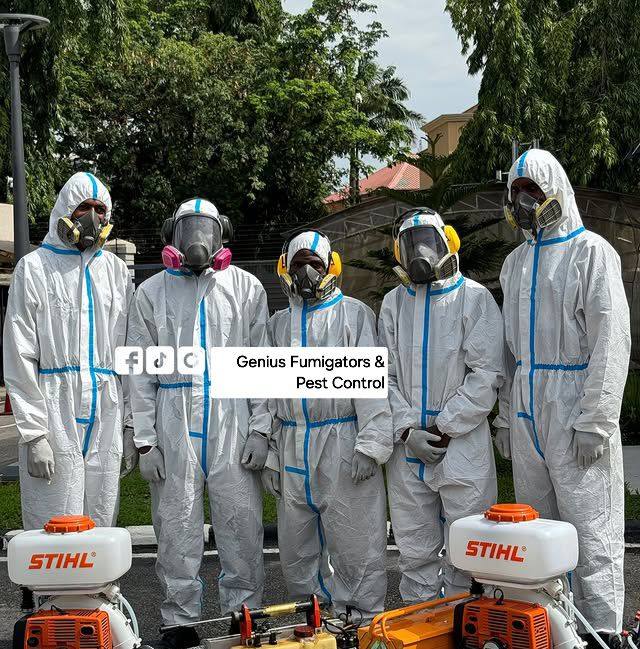
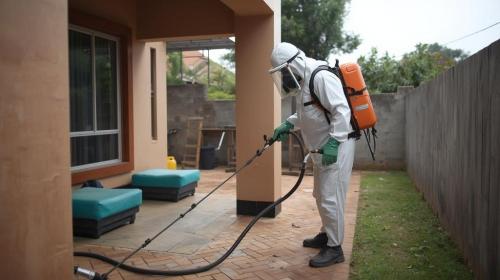
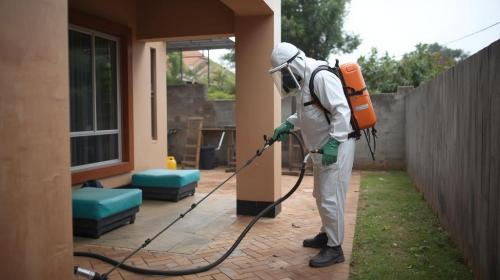
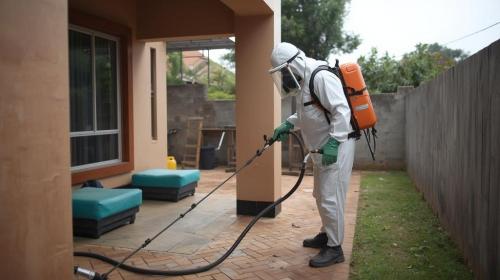
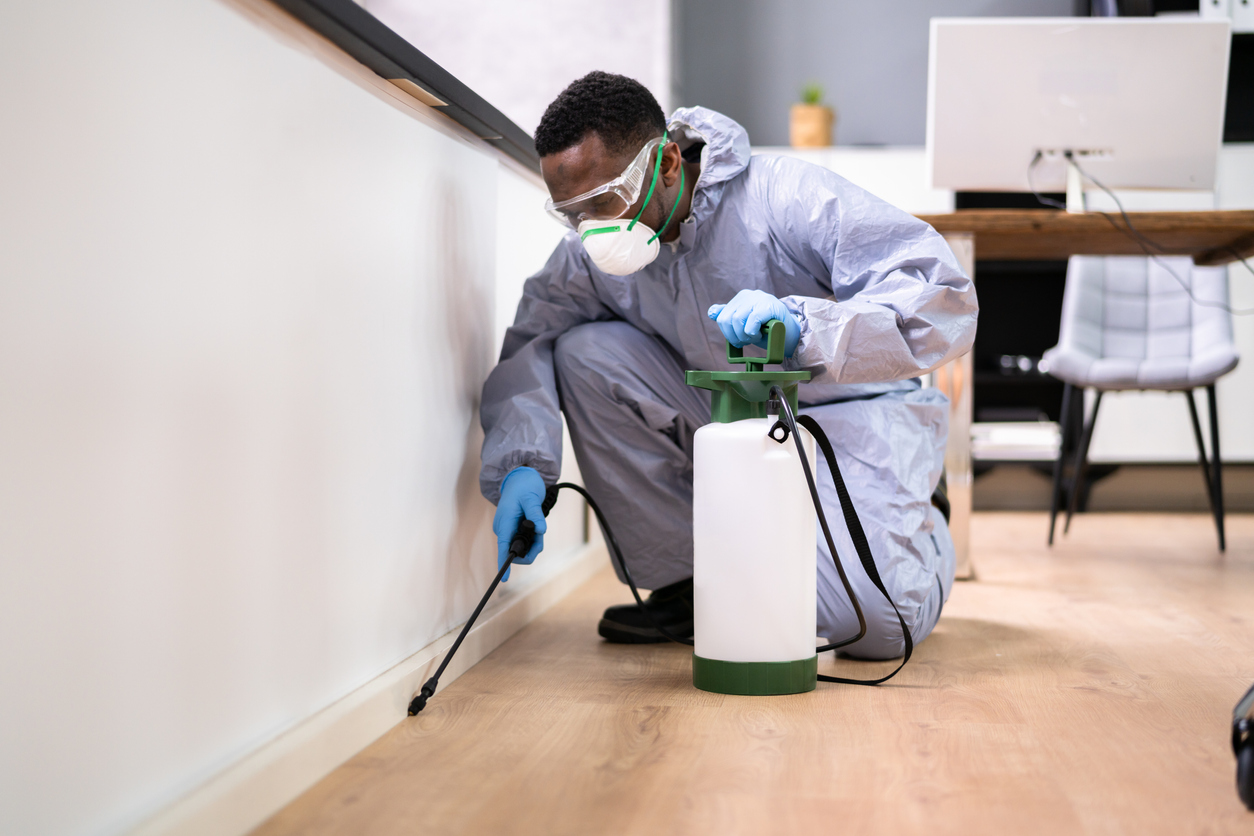
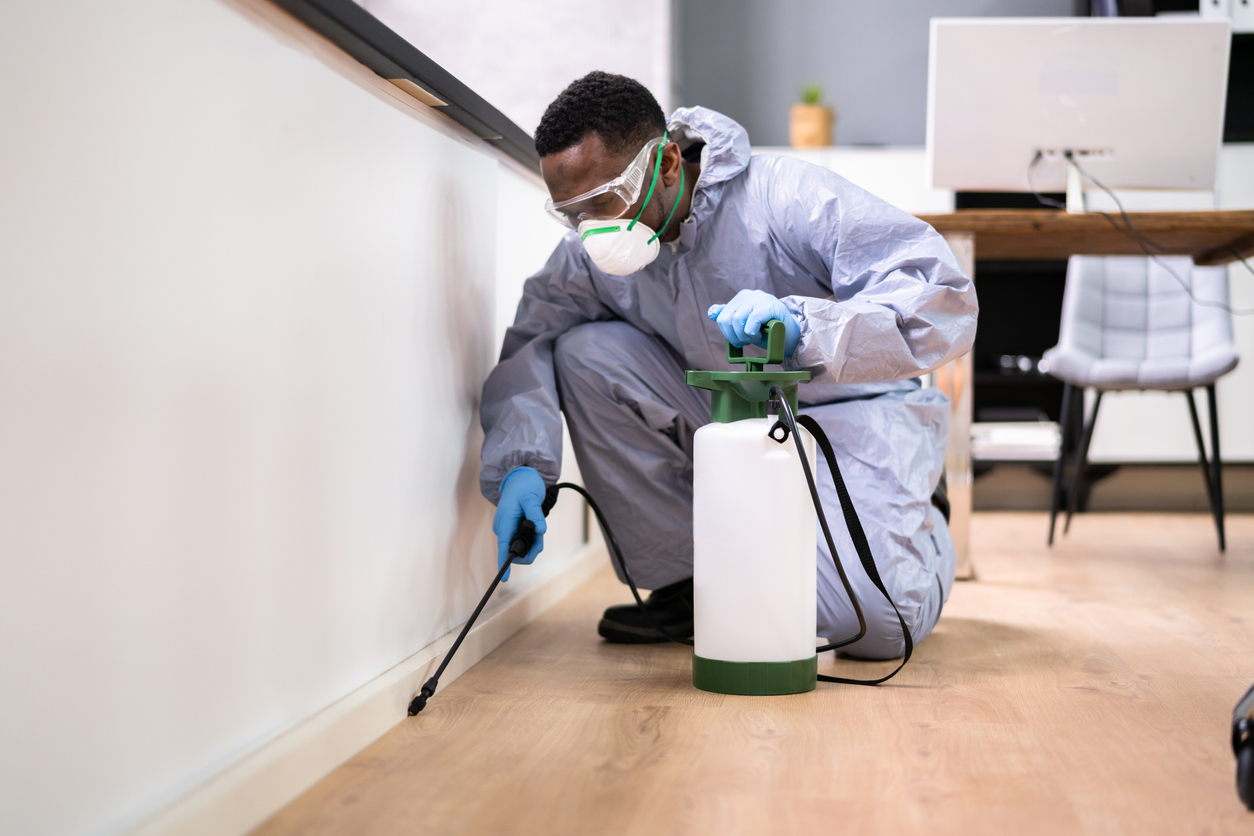
Professional teams usually arrive with appropriate equipment, protective gear, and a clear plan. They should be willing to explain what they are doing without becoming defensive.
How Do You Handle Homes With Children, Pets, or Sick People?
Real homes are not empty rooms. People have babies, toddlers, elderly parents, pregnant women, asthmatic relatives, dogs, cats, birds, fish, and other pets. A good fumigation company should ask about this before treatment.
Ask what changes when children or pets are present. Should they stay away longer? Should pet bowls be washed? Should baby toys be removed? Can an asthmatic person return the same day? Should fish tanks be moved or covered? What about cats, which may be sensitive to certain products?
If the provider dismisses every concern with “hakuna shida,” be careful. Sometimes there is no problem after proper preparation and ventilation, but the provider should still explain the safety steps. Confidence without guidance is not professionalism.
Do You Provide Block or Estate Fumigation?
If you live in a flat, bedsitter block, hostel, apartment building, or gated community, ask whether the company can handle block fumigation. This is important because pests often move between units.
Bedbugs can pass through wall cracks, sockets, furniture movement, and shared spaces. Cockroaches can move through drains, pipes, and garbage areas. Rats can move through ceilings, stores, and compound spaces. If one unit is treated and the rest are ignored, pests may return.
A good company should advise when block treatment is necessary. They may also offer group rates for several units, common areas, drains, or garbage points. Landlords and caretakers should ask this question early instead of waiting until several tenants complain.
What Happens If Something Goes Wrong?
Mistakes are rare with good providers, but you should know what happens if there is a problem. Ask who to call if someone reacts, if a pet becomes unwell, if food is accidentally exposed, or if pests return immediately.
Ask for a receipt or service record showing the company name, date, service provided, and contact details. Ask for the product or method used to be shared in writing. This information can be important if you need medical or veterinary advice.
Avoid providers who refuse receipts, avoid written communication, or insist on full payment before explaining the job. Accountability matters.
Red Flags to Watch Out For
Some warning signs should make you pause. A fumigator who cannot name the product or method they use is risky. A provider who promises to eliminate every pest forever in one short visit may be exaggerating. Someone who tells you to stay inside during spraying or return almost immediately after heavy fogging may not understand safety.
Other red flags include no company name, no receipt, no reviews, no preparation instructions, no protective gear, no inspection, and no willingness to answer questions. A price that is much lower than everyone else can also be suspicious if the provider cannot explain what is included.
Cheap is not always bad, but vague is dangerous. If someone becomes annoyed because you asked normal safety questions, do not let them treat your home.
Final Thoughts
The best questions to ask a fumigation company in Kenya are the ones that reveal their process, safety standards, accountability, and experience. Ask whether they are licensed, what products they use, how they treat your specific pest, what is included in the price, how long you should stay away, whether follow-up is included, and what happens if pests return.
Fumigation is not just about killing visible insects. It is about protecting your home, your family, your pets, and your money. A good provider will inspect properly, explain clearly, treat the right areas, give aftercare instructions, and remain reachable after the job.
Before you book, slow down and ask questions. Do not be carried away by “1,500 bob tu” if the provider cannot explain what they are doing. In pest control, the cheapest mistake can become the most expensive one. Choose someone who gives you confidence before they even start spraying.