

Some pest problems give you time to plan. You see a few ants near the sugar tin, or one cockroach disappears behind the cooker, and you decide to call a fumigator over the weekend. Other situations are different. A rat runs across your butchery store in Kitengela. A guest in your Westlands Airbnb sends a photo of bedbugs on the mattress. Bees settle near a school entrance in Nakuru. Cockroaches appear in a restaurant kitchen the night before a health inspection.
That is when emergency fumigation services Kenya households and businesses start looking for become important. Not every pest sighting is an emergency, but some situations cannot wait without risking health, income, reputation, or safety.
The challenge is that urgency can make people careless. When you are panicking, it is easy to call the first number you find online, send a deposit, and hope for the best. Unfortunately, that is how many people end up with rushed work, unsafe chemicals, no receipt, and pests returning a week later. Emergency fumigation can be useful, but it still needs proper inspection, safe treatment, clear pricing, and follow-up where necessary.
What Counts as a Pest Emergency?
A pest problem becomes an emergency when waiting could cause immediate harm, serious loss, or rapid spread. The key word is immediate. A cockroach seen once in the bathroom is unpleasant, but it may not require a midnight callout. A swarm of bees near a children’s play area is different. So is a rat problem in a food business or bedbugs in a guest room with new clients arriving.
In Kenya, pest emergencies often fall into three broad categories: safety risks, business risks, and urgent property handover situations. Each one needs quick action, but not panic action.
Health and Safety Risks That Need Fast Action
Some pests can put people at risk quickly. Bees or wasps near a shop entrance, school, daycare, balcony, hotel, or busy compound can become dangerous, especially if someone is allergic. A snake in a compound, bats in a ceiling, or scorpions in certain parts of the country may also need urgent professional help.
Rodents in living spaces can also become a safety concern when they contaminate food, chew cables, or move through areas where children sleep. If rats are active in a restaurant store, school kitchen, hospital facility, or food shop, the issue should be handled quickly and carefully.
Cockroaches in a food preparation area may not sting or bite, but they can contaminate surfaces and damage trust. If they appear in a hotel, café, bakery, butchery, or restaurant kitchen, waiting too long can create bigger problems. Kwa biashara ya chakula, mende si kitu ya kuchezea.
Business Situations Where Delay Can Cost Money
For businesses, pests can turn into financial trouble very fast. A restaurant in Nairobi CBD, a bakery in Nakuru, a hotel in Malindi, a guest house in Naivasha, or a food kiosk in Mombasa cannot afford visible pests. One customer seeing a cockroach can lead to complaints, bad reviews, or social media embarrassment.
Guest accommodation businesses face a special risk with bedbugs. If an Airbnb, hostel, hotel, or furnished apartment gets a bedbug complaint and another guest is checking in soon, action must be fast. Even then, emergency treatment should be honest. Bedbugs often need follow-up, and a room should not be released to guests before it is safe and properly checked.
Shops, warehouses, offices, and stores may also need urgent pest control when rodents are damaging stock, chewing cables, or contaminating goods. In such cases, emergency treatment should include control of the immediate problem and advice on sealing entry points, improving storage, and managing waste.
Rental and Handover Emergencies
Emergency fumigation also comes up during moving, tenant handovers, and property management. A tenant may be moving out and needs proof that the house was fumigated. A landlord may be preparing a unit for a new tenant the next day. A caretaker may discover bedbugs or fleas in a room after the previous tenant leaves.
In estates such as Kilimani, Kileleshwa, Syokimau, Ruaka, South B, Pipeline, and Kasarani, some landlords or agents ask for fumigation receipts before deposit release or new tenant handover. If this was forgotten until the last minute, emergency fumigation may help avoid delays.
Still, the goal should not be paperwork only. A rushed spray that does not treat the actual pest problem will create trouble for the next tenant. If the house has bedbugs, fleas, cockroaches, or rats, the technician should inspect properly and advise whether follow-up is needed.
When It Is Not Really an Emergency
Not every pest issue deserves emergency rates. If you have had bedbugs for two months, waiting until morning to prepare properly may be better than calling a random person at midnight. If termites are damaging a wooden post, they have probably been active for a while, and a planned termite treatment is usually more effective than a rushed surface spray.
Seeing one cockroach does not always mean the whole house needs emergency fumigation. Clean the area, check for droppings, inspect drains and cabinets, and monitor. If you see many roaches, egg cases, or daytime activity, then treatment is more urgent.
Emergency services cost more because of fast response, after-hours labour, transport, and schedule disruption. Before paying extra, ask whether the problem truly needs immediate treatment or whether a scheduled visit the next morning would be safer and more thorough.
A professional provider should help you decide honestly. If someone tries to scare you by saying everything will double overnight unless they come immediately, be cautious. Some pests spread fast, yes, but fear should not replace proper advice.
How Emergency Fumigation Works in Kenya
A reliable emergency fumigation provider should still follow a process. Speed should not remove professionalism.
The first step is phone assessment. The provider should ask what pest you have seen, where it is, how serious it looks, when it started, the size of the property, and whether there are children, pets, elderly people, sick people, open food, or customers on site. These details affect the method, safety instructions, and pricing.
The next step is quotation. For emergency jobs, quotes may be given as a range until the technician sees the site. A bedsitter in Zimmerman, a three-bedroom apartment in Kilimani, a restaurant in Donholm, and a warehouse in Mombasa are not the same job. Be careful with a provider who gives one flat price for every pest and every property.
Once on site, the technician should inspect before treating. For cockroaches, they should check kitchens, drains, cabinets, appliances, and garbage areas. For bedbugs, they should check mattresses, bed frames, sofas, curtains, wall cracks, and skirting boards. For rodents, they should check holes, ceilings, food sources, and waste points.
Then treatment is done using the appropriate method. Emergency treatment may focus first on reducing active pests quickly, but a proper provider should also explain what is needed for long-term control.
How Much Emergency Fumigation Costs in Kenya
Emergency fumigation usually costs more than scheduled fumigation. Prices vary depending on the town, time of day, pest type, size of the property, severity of infestation, transport distance, and whether follow-up is included.
A single room or bedsitter may cost less than a full apartment or maisonette, but emergency callout charges can raise the price. A one to three-bedroom house may cost more if the work is done at night, during a public holiday, or in a hard-to-reach estate. Commercial spaces, restaurants, guest houses, warehouses, and large compounds are usually quoted based on size and complexity.
Transport can also affect the final bill. A provider based in Nairobi may charge extra to reach places such as Athi River, Rongai, Ruaka, Kitengela, or Thika at night. In towns where fumigation providers are fewer, emergency work may cost more because of availability.
The important thing is to ask what the price includes. Does it cover inspection, treatment, transport, aftercare instructions, documentation, and follow-up? If the quote is very cheap compared to others, ask why. Sometimes cheap emergency fumigation means diluted chemicals, no safety guidance, no follow-up, and no accountability.
Common Mistakes People Make During Pest Emergencies
The first mistake is paying the full amount upfront to a provider you have not verified. Some people take advantage of emergencies, especially at night. A reasonable transport deposit may be normal, but full payment before inspection is risky. Get the business name, location, quote, and service details in writing before sending money.
The second mistake is skipping preparation. Even in an emergency, food, utensils, baby items, medicine, pet bowls, toys, and open water should be removed or sealed where necessary. For bedbug treatment, bedding and clothes may need washing and bagging. For food businesses, stock and food-contact surfaces need careful handling.
The third mistake is ignoring the source. Spraying cockroaches in a shop without fixing the drainage or garbage issue will only give short-term relief. Killing rats without sealing holes means more can enter. Treating one apartment for bedbugs while several neighbouring units are affected may not solve the block problem.
The fourth mistake is accepting vague instructions. You need to know how long to stay away, when to ventilate, what to wipe, when to mop, and whether a follow-up is required. “Rudi tu baadaye” is not enough.
How to Find Emergency Help Without Getting Scammed
When the situation is urgent, you may not have time to research ten providers. But you can still verify the basics quickly.
Ask for the company name, business location, and service details. Ask what pest control method they will use. Ask whether the products are suitable for the space being treated. Ask how long people and pets should stay away. Ask whether they provide a receipt, report, or fumigation certificate where needed.
Check reviews if possible. Search the company name online, check social media comments, or ask in your estate WhatsApp group. Neighbours and caretakers often know who is reliable and who disappears after payment.
For faster comparison, platforms such as The Real Plug can help users find vetted fumigation professionals, pest control experts, and service providers in Kenya. This is useful when you need help quickly but still want to avoid random numbers with no accountability.
Do not choose based only on speed. The person who arrives fastest is not always the person who will solve the problem safely.
What to Expect From a Professional Emergency Provider
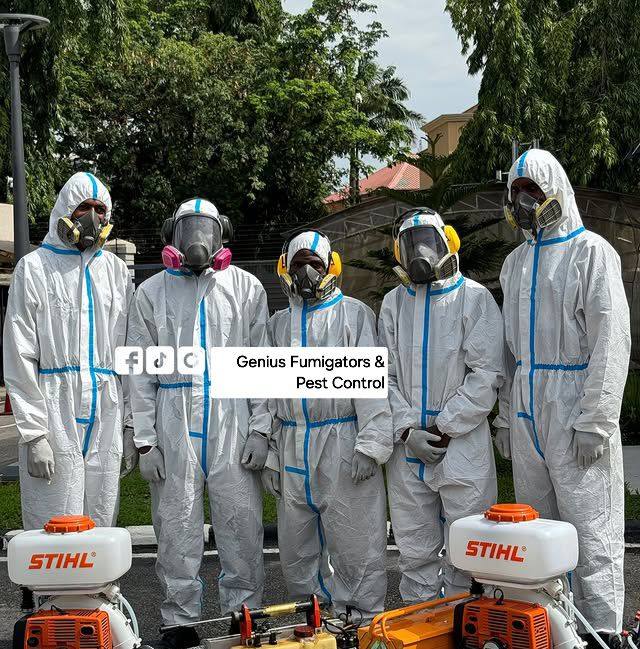
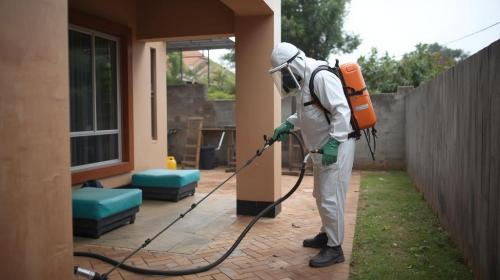
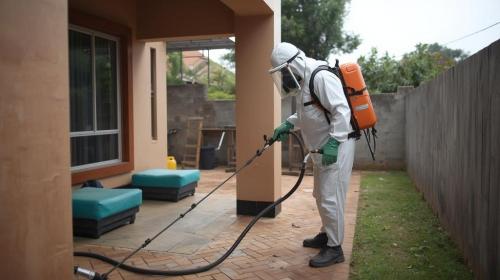
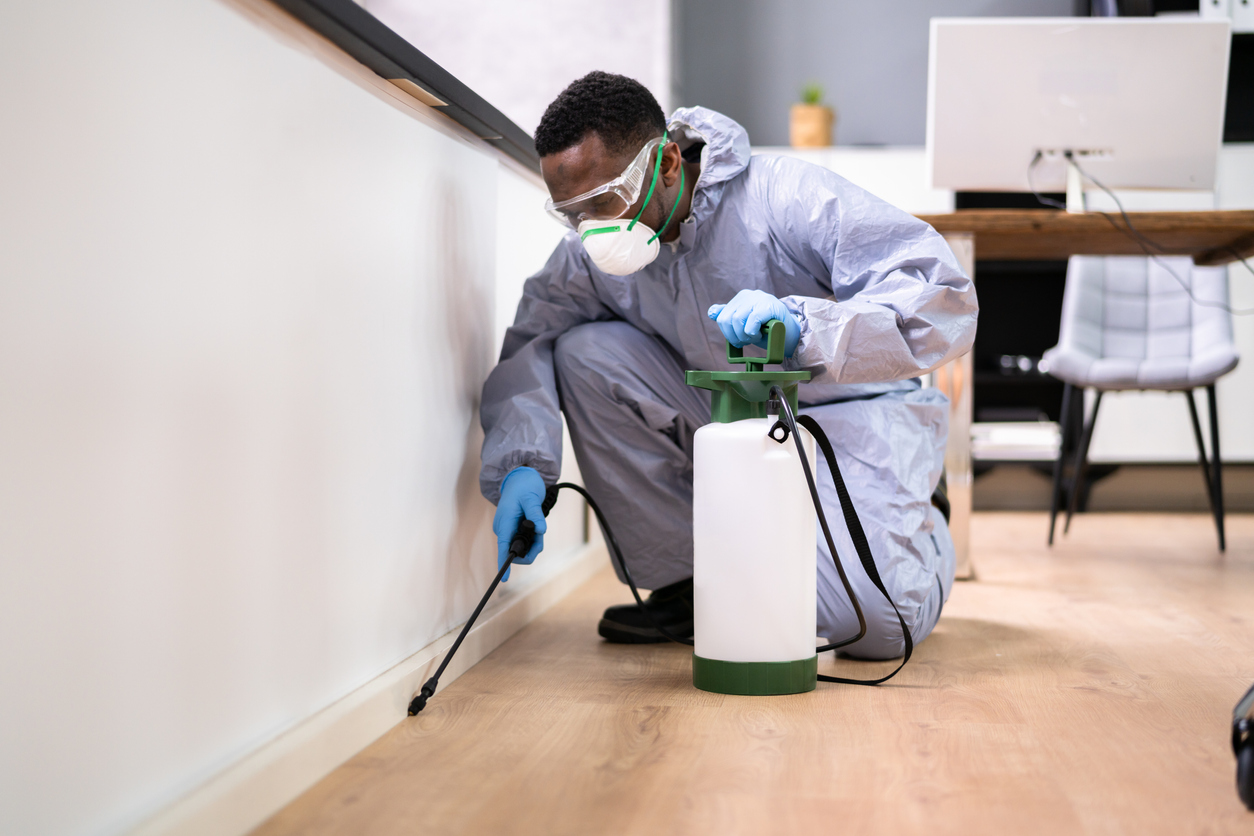
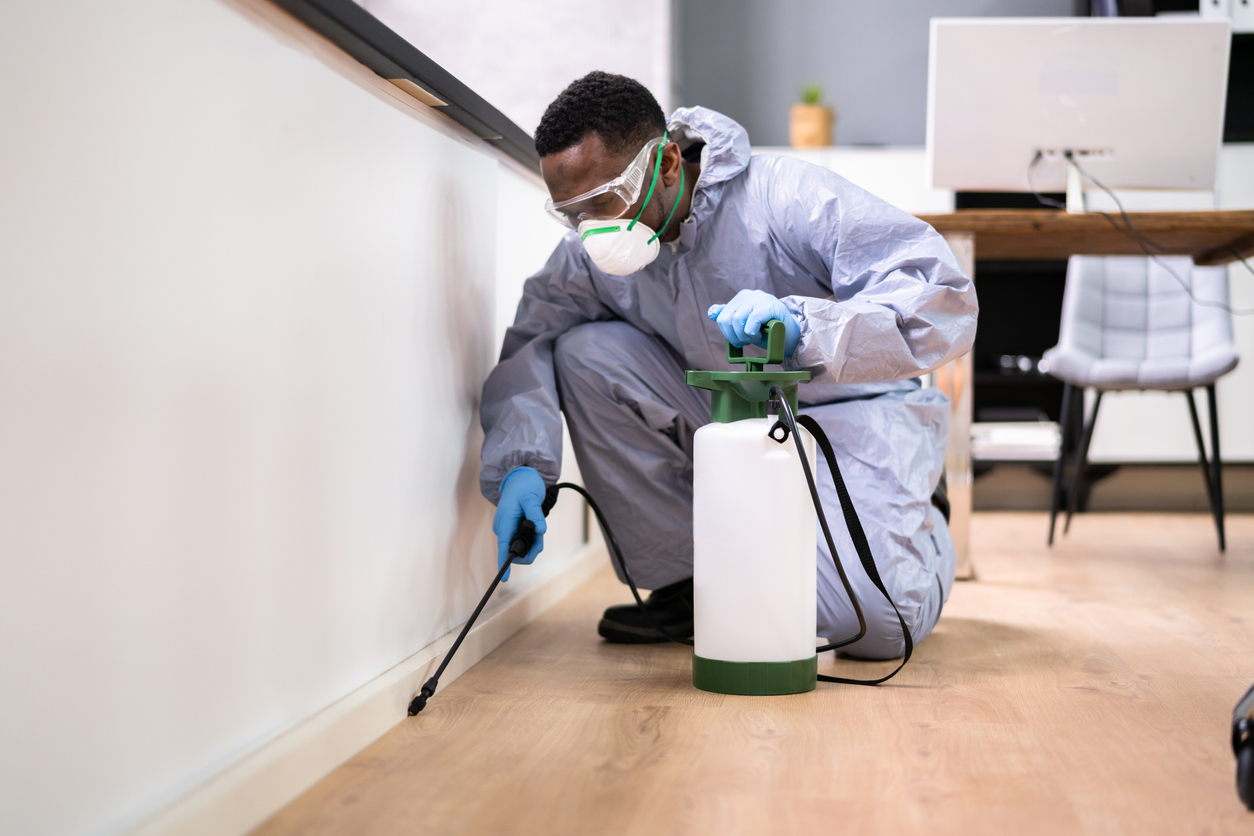
A good emergency fumigation provider should communicate clearly from the start. They should ask questions, explain pricing, arrive with proper equipment, use protective gear where required, and inspect the problem before applying treatment.
They should explain the method and safety steps. If they are treating a home, they should ask about children, pets, asthma, food, and ventilation. If they are treating a business, they should ask about operating hours, customers, food storage, staff, and whether documentation is needed.
After treatment, they should give re-entry instructions and aftercare advice. They should tell you what to clean immediately and what to leave for the treatment to continue working. They should also explain what results to expect. Seeing dying cockroaches for a few days may be normal. Bedbug treatment may require a second visit. Rodent control may need monitoring and sealing.
A professional does not just spray and vanish. They leave you with a plan.
Aftercare After Emergency Fumigation
Once the urgent treatment is done, the next steps matter. First, follow the re-entry time. Do not enter early because the smell has reduced or because someone says it is fine. Ventilate the space properly by opening windows and doors where possible.
Wipe food preparation surfaces, tables, counters, baby feeding areas, and pet feeding spots before use. Wash exposed utensils, toys, and pet bowls. Do not mop all treated areas immediately unless the provider tells you to. Some residual treatments need to remain along corners, cracks, and skirting boards for a while.
Monitor pest activity. Some pests may come out as they die, so do not panic if you see weak or dead cockroaches shortly after treatment. If active pests remain in large numbers after the expected period, contact the provider.
Most importantly, fix the cause. Seal holes, repair leaks, clear garbage, store food in sealed containers, remove clutter, inspect second-hand furniture, and involve the landlord or caretaker if pests are coming from shared areas. Emergency fumigation handles the crisis, but prevention stops the next one.
Special Advice for Businesses
Businesses should always ask for documentation after emergency fumigation. A restaurant, hotel, school, shop, warehouse, clinic, office, or rental property may need a receipt, service report, or fumigation certificate showing the date, provider, pest treated, and method used.
Food businesses should clean food-contact surfaces before reopening and follow any instructions about re-entry and ventilation. Stock should be protected from contamination. Staff should be told what areas were treated and when they can resume normal work.
For hotels, Airbnbs, and guest houses, do not rush guests into rooms that were heavily treated. A bad review or health complaint can cost more than one cancelled booking. It is better to handle the issue properly than to pretend everything is fine.
Final Thoughts
Emergency fumigation services Kenya residents and businesses use are valuable when pests create immediate health risks, safety concerns, business disruption, property damage, or urgent handover problems. Bees near children, cockroaches in a restaurant kitchen, rats in a food store, bedbugs in guest accommodation, or pests affecting a moving deadline may all justify fast action.
But emergency does not mean careless. You still need a provider who inspects, explains the method, uses suitable products, gives safety instructions, provides documentation, and offers follow-up where needed. Panic can lead to poor decisions, and poor fumigation can cost more than the pests.
Before hiring, ask questions. Verify the provider. Get the quote and instructions in writing. Prepare the space as much as possible. After treatment, ventilate, clean the right surfaces, monitor results, and fix the source.
The goal is not just to survive tonight’s pest problem. It is to make sure you are not calling another emergency fumigator next week.