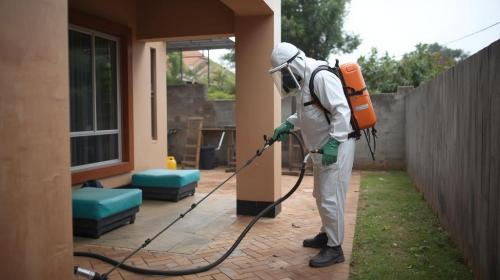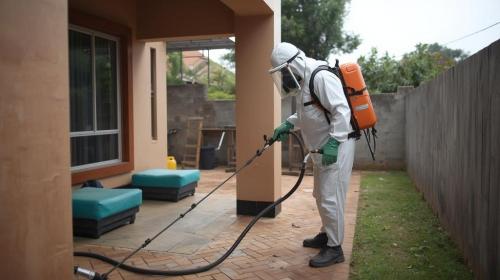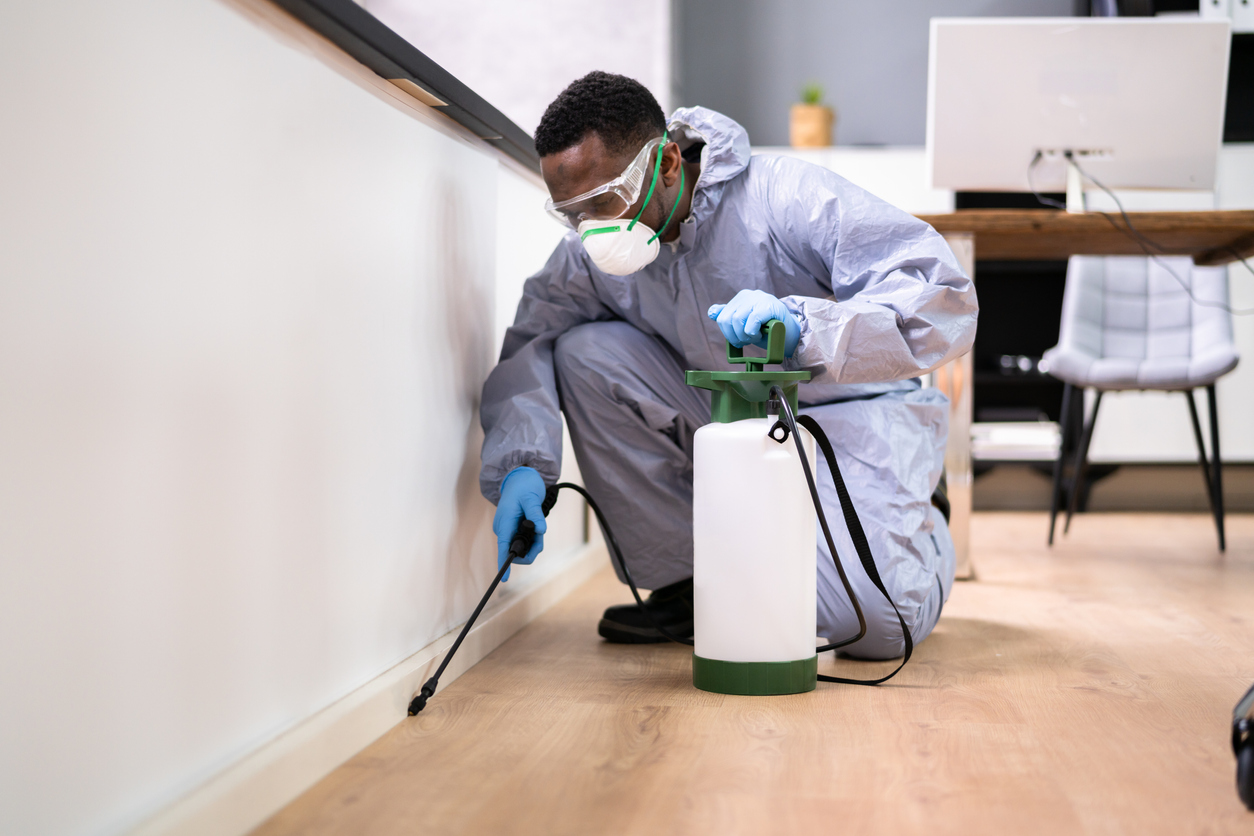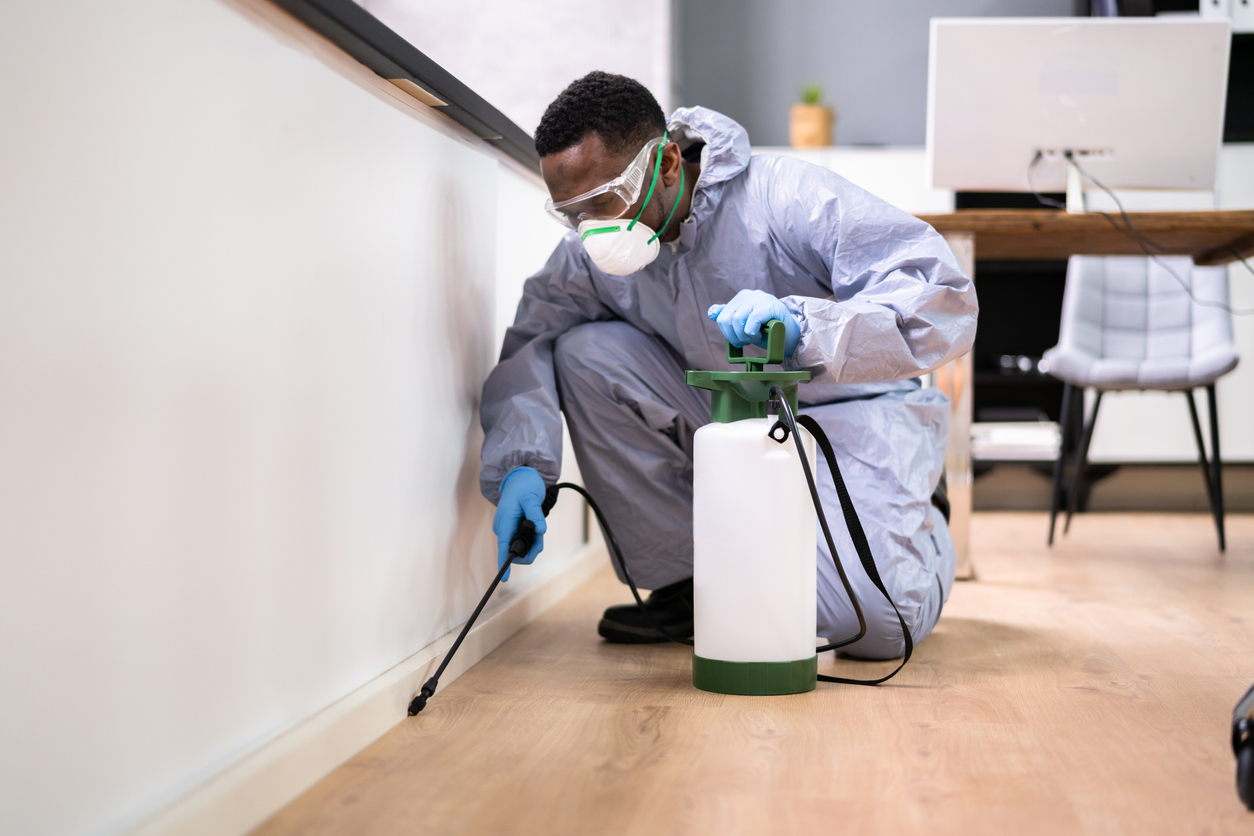


If you live in an apartment in Umoja, Roysambu, Kileleshwa, Nyali, Syokimau, or a gated court in Ruiru, you have probably seen a fumigation notice at some point. The caretaker posts on the gate or in the WhatsApp group: “Fumigation on Saturday. All tenants to cooperate.” Sometimes each house is asked to contribute KSh 200 or KSh 500. Other times, the landlord handles it quietly as part of service charge.
Then the questions start. Is fumigation every three months too much? Is twice a year enough? Should each tenant handle their own unit? What if only one house has bedbugs? And why do mende keep returning even after the whole block was sprayed?
There is no single schedule that fits every apartment in Kenya. How often apartments should be fumigated in Kenya depends on the location, building condition, pest history, garbage management, drainage, tenant habits, and the type of pests involved. A new, well-managed apartment in Lavington may not need the same schedule as a crowded bedsitter block near a market in Pipeline. The smarter approach is to understand your building’s risk and fumigate based on evidence, not guesswork.
Why Apartments Need a Different Pest Control Approach
Apartments are different from standalone homes because people live close together and share many parts of the building. One unit may be clean, but it still shares walls, pipes, ceilings, corridors, staircases, drainage lines, and garbage points with other units. If pests enter one house, they can easily spread to others.
Cockroaches move through drains, pipe gaps, wall cracks, and kitchen areas. Bedbugs can spread through furniture movement, sockets, skirting boards, shared walls, and tenant movement. Rats may use ceilings, stores, garbage points, and drainage spaces. Mosquitoes breed where water stagnates in compounds, gutters, old containers, or poorly drained areas.
This is why apartment fumigation is not just an individual tenant issue. Kwa flat, shida ya pests rarely stays behind one door. If one tenant treats their unit but the source is in the shared drain or the next house, the pests can return. That is why block-wide planning often works better than random solo fumigation.
The General Rule for Apartment Fumigation in Kenya
For most urban apartments in Kenya, preventive fumigation every three to six months is a reasonable range. This means two to four times a year, depending on the level of risk.
A well-maintained apartment with proper garbage collection, sealed drainage, clean common areas, and no recent pest complaints may do well with fumigation every six months. This may apply to some newer apartments in places like Ruaka, Syokimau, Thindigua, Kileleshwa, Lavington, and parts of Ruiru where management is active and tenants cooperate.
Average apartments in busy urban estates may need fumigation every three to four months. This schedule is common in many parts of Nairobi, Mombasa, Kisumu, Nakuru, Eldoret, and Kiambu, especially where cockroaches, ants, mosquitoes, and occasional rats appear often.
High-risk buildings may need treatment every two to three months, especially if they are near markets, restaurants, open drains, dumpsites, food stalls, or areas with poor waste collection. Apartments with a recent history of bedbugs, German cockroaches, fleas, or rats may also need a tighter schedule until the problem is under control.
When Preventive Fumigation Every Six Months Is Enough
Twice-yearly fumigation can work for apartments that are low risk. This means the building is fairly new or well maintained, garbage is collected regularly, drains are working, common areas are cleaned, tenants report pest issues early, and there are no active infestations.
For example, an apartment block in a well-managed gated estate may only need fumigation twice a year if the compound is clean and there are no recurring complaints. The same may apply to smaller apartment buildings where tenants stay longer, movement is low, and management repairs cracks, leaks, and drainage issues quickly.
However, twice a year is not enough if pests are already appearing frequently. If tenants are seeing cockroaches every week or bedbugs have been reported on one floor, waiting six months for the next fumigation is too slow. A calendar should guide prevention, not replace common sense.
When Apartments Should Be Fumigated Every Three to Four Months
For many Kenyan apartments, every three to four months is the practical sweet spot. It is frequent enough to interrupt common pest cycles but not so frequent that tenants are exposed to unnecessary chemical use.
This schedule works well for average flats in areas such as Umoja, South B, Donholm, Kasarani, Roysambu, Ngong Road, Mombasa Road, Bamburi, Nyali, Kisumu town, and Nakuru estates where pests are common but manageable. It is especially useful for cockroaches and ants, which can breed quickly if food, water, and hiding spaces are available.
Quarterly fumigation also helps landlords and caretakers stay ahead of complaints. Tenants are more comfortable when they know pest control is planned instead of handled only after people start shouting in the WhatsApp group. It also protects the building’s reputation. Nobody wants to live in a place known as “ile plot ya mende.”
High-Risk Apartments May Need Fumigation Every Two to Three Months
Some buildings need more frequent attention because their surroundings constantly attract pests. Apartments near markets, food courts, open sewers, busy bus stages, restaurants, butcheries, dumpsites, or unmanaged drainage lines are more exposed.
High-density areas such as Pipeline, Githurai, Zimmerman, Kahawa West, Tassia, parts of Umoja, and some older coastal flats may face recurring cockroaches, rats, mosquitoes, and bedbugs. This does not mean all buildings in these areas are badly managed. It simply means the pressure is higher because of crowding, movement, waste, and shared infrastructure.
If a building has had a serious infestation within the past year, especially bedbugs or German cockroaches, fumigation every two to three months may be necessary for a while. Once the problem reduces and monitoring shows fewer pests, management can move back to a three or six-month schedule.
After an Active Infestation, Follow-Up Comes Before Routine
If an apartment already has an active infestation, routine schedules no longer apply. The building needs immediate treatment, then follow-up.
For bedbugs, one treatment may not be enough because eggs can hatch after the first visit. A follow-up after several days or around two weeks may be recommended depending on the method used. Without follow-up, tenants may think fumigation failed when the real issue is that the treatment cycle was incomplete.
For cockroaches, especially heavy infestations, treatment may involve gel bait, residual spray, drain treatment, and follow-up monitoring. If egg cases and hidden nests are not handled, mende zitarudi tu. For fleas, especially in pet-friendly apartments, both the home and pet areas may need treatment, and the pets themselves may need vet-approved flea control.
After the active infestation is controlled, the building can return to a preventive schedule based on risk level.
Factors That Decide How Often Your Apartment Needs Fumigation
Location is one of the biggest factors. Apartments near markets, eateries, informal food stalls, stagnant water, open drains, or garbage collection points usually need more regular pest control. Coastal areas may also deal with humidity-related pest problems such as mosquitoes, termites, and ants.
Building age matters too. Older flats in areas such as Ngara, Pangani, Makadara, Mombasa Island, and parts of Kisumu may have cracks, loose skirting boards, old pipes, ceiling gaps, and worn drainage systems. These create routes and hiding places for pests. Newer apartments may be better sealed, but poor maintenance can still create problems quickly.
Tenant habits also affect frequency. Leaving food waste in corridors, dumping garbage carelessly, storing cereals in open sacks, piling clutter, bringing in untreated second-hand furniture, or hiding bedbug complaints can increase risk for everyone.
The type of pest matters as well. Mosquitoes can breed fast where water stands. Cockroaches and ants may become visible within weeks if food and water are available. Bedbugs spread through movement and may require fast coordinated action. Termites may need specialized treatment rather than routine spraying.
Signs Your Apartment Needs Fumigation Now
Sometimes the calendar says fumigation is due next month, but the signs say action is needed now. If tenants are seeing pests during the day, that may suggest a heavy infestation. Cockroaches and rats are mostly active at night, so daytime sightings can mean overcrowding or serious activity.
Fresh bedbug bites, blood spots on sheets, black marks on mattress seams, or live bedbugs are signs that treatment should not wait. Droppings in cabinets, stores, or ceiling spaces can point to cockroaches or rodents. A musty smell in cupboards, scratching sounds at night, or repeated complaints from neighboring units should also be taken seriously.
In apartments, neighbor complaints matter. If three houses on one floor complain about roaches or bedbugs, treating only one unit is unlikely to work. The caretaker or management should organize inspection and coordinated fumigation.
Who Should Pay for Apartment Fumigation?
Payment depends on the lease, service charge arrangement, cause of the infestation, and whether the problem affects one unit or the whole building.
Routine fumigation of common areas is usually the responsibility of the landlord, management company, or owners’ association. This may include corridors, staircases, garbage areas, drains, stores, basements, compounds, and shared facilities. In many apartments, the cost is included in service charge.
Inside individual units, responsibility can vary. If pests are caused by poor housekeeping, untreated second-hand furniture, or tenant negligence, the tenant may be expected to pay. If pests are coming from shared drains, building cracks, garbage areas, or several affected units, management should get involved.
Landlords who own rental blocks should consider fumigation part of property maintenance. It is cheaper to prevent infestations than to lose tenants, handle complaints, or repair pest damage later.
Why Block Fumigation Works Better Than Solo Treatment
In apartment settings, coordinated block fumigation often gives better results than each tenant hiring a different person at different times. If one unit is treated today and the next unit remains infested, pests may simply move and return later.
Block fumigation allows the provider to treat affected units, nearby units, corridors, drains, garbage points, ceiling areas, and common spaces together. It also helps standardize safety instructions and follow-up. The cost per unit may be lower when many tenants participate.
This is especially important for bedbugs, cockroaches, fleas, and rats. These pests do not care about rent agreements or door numbers. They move where there is food, warmth, hiding space, and access.
How to Avoid Over-Fumigating
Fumigating too often without reason can waste money and expose people to unnecessary chemicals. Pest control should be planned, not automatic. If a building is clean, well maintained, and pest-free for months, there may be no need for very frequent full-house fumigation.
Instead, use monitoring and prevention between treatments. Keep garbage areas clean, seal cracks, fix leaks, clean drains, store food properly, and control clutter. Use targeted methods such as gel bait for cockroaches where appropriate. For mosquitoes, remove stagnant water and maintain drainage. For rodents, seal holes and manage waste.
A good pest control provider should inspect and recommend a schedule based on evidence. Be careful with companies that push monthly fumigation for every building without explaining why.
Choosing a Reliable Fumigation Provider for Apartments
Apartment fumigation needs a provider who understands flats, shared spaces, tenant coordination, and safety. Ask whether they have handled apartment blocks before. Ask what areas they will treat, how they handle follow-up, how long tenants should stay away, and whether they provide a report or certificate.
The provider should explain preparation clearly. Tenants may need to remove food, utensils, baby items, pet bowls, toys, and exposed bedding. For bedbug treatment, they may need to wash bedding and clear clutter. For cockroach treatment, kitchen cabinets and drains may need attention.
If you are not sure who to trust, The Real Plug can help users find vetted fumigation and pest control professionals, service providers, and businesses in Kenya. This can be useful for tenants, landlords, and property managers looking for providers who understand apartment pest control.
Practical Fumigation Schedule for Kenyan Apartments
For a new or well-managed apartment with no pest history, fumigation every six months may be enough. For average urban apartments with normal pest pressure, every three to four months is often practical. For high-risk buildings near markets, drains, food businesses, dumpsites, or with past infestations, every two to three months may be needed.
If there is an active infestation, treat immediately, arrange follow-up, then reassess the building. Do not rely only on routine dates when pests are already spreading.
The best schedule is one that responds to the real situation in the building. If tenants keep reporting pests after every treatment, the issue may not be frequency. It may be poor preparation, wrong chemicals, untreated neighboring units, garbage problems, leaks, or structural gaps.
Final Thoughts
So, how often should apartments be fumigated in Kenya? For most flats, every three to six months is a good general range. Low-risk buildings may manage with twice a year. Average urban apartments often do better with quarterly treatment. High-risk blocks or buildings with past infestations may need fumigation every two to three months until the situation improves.
But the calendar should not be the only guide. Look at pest activity, neighbor complaints, building condition, garbage management, drainage, and the type of pest involved. A clean, well-maintained apartment block may need less treatment. A crowded building with recurring roaches or bedbugs needs closer attention.
The most effective apartment pest control combines fumigation with prevention. Seal cracks, fix leaks, manage garbage, inspect second-hand furniture, keep common areas clean, and encourage tenants to report pests early. Work as a block, not as isolated units.
Pests thrive when people delay, blame each other, or treat only what they see. Apartments stay healthier when tenants, landlords, caretakers, and pest control professionals act together. That is how you keep the usual “mende zimerudi” message from becoming a monthly tradition.