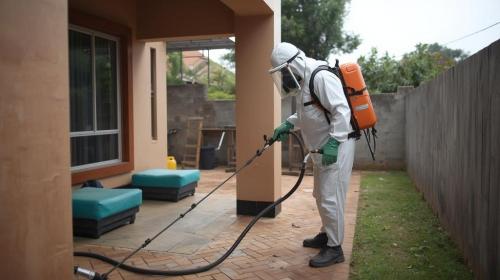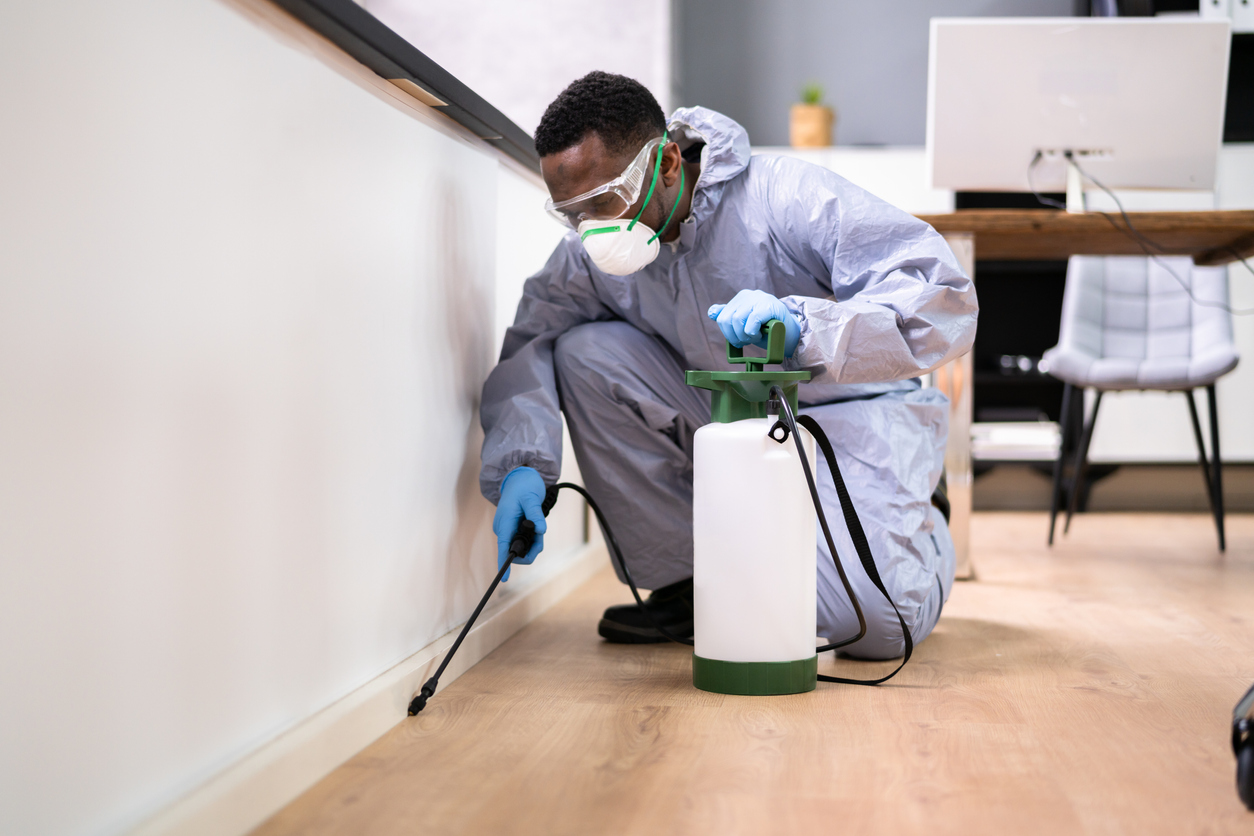


You have already booked the fumigator, cleared the kitchen counters, packed away food, and planned where the children or pets will stay for a few hours. Then the technician asks, “Tukucome saa ngapi?” Morning, afternoon, or evening? At first, it may sound like a small detail. After all, fumigation is fumigation, right?
Not exactly. The best time of day to fumigate a house in Kenya can affect safety, comfort, chemical performance, re-entry time, and even how well the treatment works against pests such as cockroaches, bedbugs, ants, mosquitoes, fleas, and termites. A house in hot Mombasa is not the same as one in chilly Limuru. A bedsitter in Githurai is not the same as a maisonette in Syokimau. A restaurant in Nairobi CBD may need different timing from a family home in Ruiru.
In most cases, morning is the best time to fumigate a house in Kenya. It gives the treatment enough time to settle, allows the home to ventilate during the day, and makes it easier for families to return before night. But timing can change depending on the pest, weather, house size, ventilation, and whether you have children, pets, elderly people, or someone with asthma at home.
Why the Time of Day Matters During Fumigation
Fumigation is not just about spraying dawa and closing the door. The conditions inside and outside the house matter. Temperature, sunlight, humidity, airflow, pest behaviour, and human routines all affect the result.
Some pest control products work better when they settle properly on surfaces. If it is too hot, some sprays may dry too quickly or break down faster, especially where direct sunlight hits floors, walls, or outdoor areas. In very humid conditions, treated areas may take longer to dry, which can affect re-entry and comfort.
Pests also behave differently at different times. Cockroaches and bedbugs mostly hide during the day and come out at night. Mosquitoes are often more active in the evening. Ants may be active during the day when they are searching for food. Termites may require a different approach depending on whether they are in soil, wood, or roofing.
Then there is real life. If fumigation is done too late in the day, you may be forced to return at night when the house has not aired properly. That is stressful for families with children, pets, or work the next morning. In some estates, coming back late with luggage, kids, and a chemical smell still hanging in the house is not ideal. Kwa ground, timing can make or break the whole experience.
Morning Is Usually the Best Time to Fumigate
For most Kenyan homes, the best time to fumigate is in the morning, ideally between 7 a.m. and 10 a.m. This timing works well for houses, apartments, bedsitters, maisonettes, and rental units because it balances safety, effectiveness, and convenience.
Morning temperatures are usually cooler than midday. In Nairobi, Kiambu, Nakuru, Eldoret, and many upcountry towns, mornings allow treatment to settle before the day becomes hot. Even in warmer areas like Mombasa, Malindi, Kisumu, and Garissa, early morning is usually better than spraying in the full afternoon heat.
Morning fumigation also gives you enough time to stay out of the house during the recommended re-entry period. If the technician finishes by 10 a.m. and you need to stay away for four to six hours, you can return in the afternoon, open windows, wipe key surfaces, and prepare the house before bedtime.
This is especially helpful for families with children, elderly parents, pets, or anyone with asthma. Nobody wants to start ventilating a house at 9 p.m. while children are sleepy and food still needs to be prepared.
Why Morning Fumigation Works Well for Bedbugs
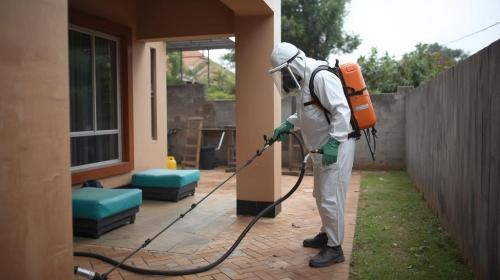
Bedbug treatment often needs careful preparation and enough drying time. The technician may treat mattresses, bed frames, sofas, curtains, skirting boards, wall cracks, furniture joints, and nearby hiding places. These are areas people touch and sleep near, so they must dry and air properly before use.
Morning fumigation gives you the whole day to handle aftercare. You can wash bedding, pillowcases, curtains, and clothes where needed. You can dry items in the sun, air the mattress, and ventilate the bedroom properly before night. In many Kenyan homes, especially where dryers are not common, sunlight is part of the cleaning process.
If bedbug fumigation is done late in the afternoon, you may struggle. The mattress may still smell, bedding may not dry in time, and the room may not feel ready for sleeping. For a bedsitter in Pipeline, Zimmerman, Githurai, or Roysambu, this is even harder because the bed and living space are in the same room.
For bedbugs, early morning is usually the most practical choice. It does not mean one treatment will always be enough, because follow-up may still be needed, but it gives the first treatment a better chance to work safely and comfortably.
Morning Is Also Good for Cockroaches, Ants, and Fleas
Cockroaches hide in warm, dark areas such as kitchen cabinets, behind fridges, under sinks, near drains, around gas cylinders, and behind cookers. A morning treatment allows residual spray or gel bait to remain in key hiding areas before cockroaches become active at night.
For cockroaches, the technician may use gel bait, targeted spray, drain treatment, or crack treatment. Morning timing allows the kitchen to be treated, the house to air, and food preparation surfaces to be cleaned before evening. It also reduces the temptation to mop immediately, which can remove residual treatment before it works.
Ant control can also be done in the morning because technicians can observe trails and treat entry points before the house becomes too hot or busy. Flea treatment in pet homes is also easier earlier in the day because carpets, pet bedding areas, sofas, and floor edges may need attention, followed by ventilation and washing of pet items.
For homes with pets, morning timing gives dogs, cats, and other animals enough time to stay away before returning safely later in the day.
Midday Fumigation Can Work in Some Cases
Midday fumigation, roughly between 11 a.m. and 3 p.m., is not always wrong. It can work for vacant houses, empty rental units, commercial spaces with flexible schedules, and treatments that are not strongly affected by heat.
For example, if you are moving into an empty apartment in Kitengela, Ruiru, Ruaka, or Syokimau, midday treatment may be convenient because no one needs to return immediately. The house can remain closed for the recommended period, then be aired later. For landlords preparing vacant units, midday may also work if the house will not be occupied that night.
Some treatments such as gel bait for cockroaches may be less affected by time of day than full spraying or fogging. Termite treatment involving soil treatment or drilling may also depend more on the method than the clock.
However, midday fumigation can be uncomfortable in hot areas or poorly ventilated houses. A mabati structure in a hot estate, a top-floor apartment with direct sun, or a coastal house in humid weather may hold heat and smell for longer. If strong spraying or fogging is done at midday, the chemical smell may feel heavier when you return.
Midday is not the best choice for homes with babies, pets, asthmatic people, or anyone who needs to sleep in the house the same night unless there is enough ventilation time.
Afternoon Fumigation Needs Careful Planning
Afternoon fumigation can work if it starts early enough and the treatment is not too heavy. For example, a 1 p.m. appointment for light cockroach treatment may still allow re-entry by evening after proper ventilation. But if the technician arrives at 4 p.m. for full-house fogging, you may have a problem.
Most fumigation treatments require people and pets to stay away for several hours. If treatment ends late, re-entry may fall at night. This can be inconvenient and unsafe, especially if the house still smells strong. You may also have less time to wipe food surfaces, air bedding, or settle children before bedtime.
In flats, afternoon treatment can also affect neighbors if the smell travels through corridors, vents, or shared spaces when many people are coming home from work. If you live in an apartment block in South B, Umoja, Donholm, or Kasarani, coordinate with the caretaker so neighbors are aware.
Afternoon fumigation is best reserved for light treatments, vacant houses, or situations where the family can sleep elsewhere if necessary.
Evening Fumigation Is Best for Mosquito Fogging
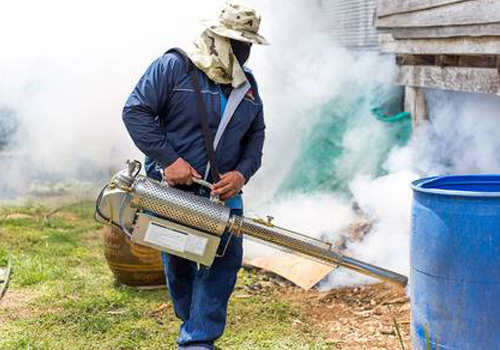
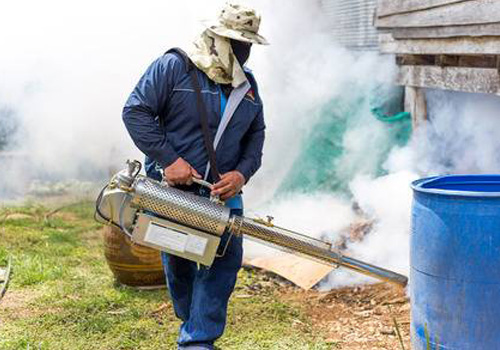
Mosquito control is one of the few cases where evening can be the best time. Mosquitoes are often more active around dusk, especially in areas near stagnant water, open drains, gardens, wetlands, lakeside areas, and coastal regions. Fogging in the early evening may target adult mosquitoes when they are flying.
This is why mosquito fogging in compounds, estates, hotels, schools, and some public spaces may be done between late afternoon and evening. In places like Kisumu, Mombasa, Kilifi, Mtwapa, Ukunda, and parts of western Kenya, mosquito pressure can be high depending on weather and drainage.
However, indoor house fumigation in the evening is different. If bedrooms, sitting rooms, kitchens, or mattresses are being sprayed, evening may not be ideal unless you plan to sleep elsewhere. The house needs time to air, and people need to return safely.
For mosquito problems, the best timing depends on what is being treated. Outdoor fogging may work well at dusk. Removing stagnant water, treating drains, clearing bushes, and preventing breeding can be done during the day.
Night Fumigation Should Be for Special Cases
Night fumigation is sometimes necessary for businesses that cannot close during the day. Restaurants, bars, hotels, bakeries, supermarkets, warehouses, offices, pharmacies, and factories may prefer treatment after closing so normal operations are not interrupted.
For businesses, night fumigation can make sense if the provider gives clear re-entry and cleaning instructions before reopening. Food-contact surfaces must be cleaned properly. Staff should know what was treated. Documentation may be needed, especially for food businesses, hotels, schools, and health-related facilities.
For homes, night fumigation is usually less convenient. If the house is treated at 7 p.m. and the re-entry time is six hours, you cannot safely sleep there that night. This means planning to stay with relatives, booking accommodation, or sleeping elsewhere. For many families, that extra cost and stress are not worth it unless the pest problem is urgent.
Night work can also be less thorough if lighting is poor. Cracks, droppings, bedbug hiding spots, and rodent entry points are easier to inspect in daylight. In areas with unreliable power, this can affect the quality of the job.
Best Time Based on Pest Type
For cockroaches, morning is usually best. The technician can treat kitchens, cabinets, drains, and hiding places early, and the products can remain active until roaches come out at night. Gel bait may be placed at almost any practical time, but morning still gives better aftercare convenience.
For bedbugs, early morning is best because mattresses, bed frames, sofas, bedding, and rooms need enough time to dry and air. It also gives you time to wash and sun-dry fabrics.
For mosquitoes, outdoor fogging is often better in the evening when mosquitoes are active. Indoor mosquito treatment can be done earlier if the house needs ventilation before people return.
For ants, morning or late afternoon can work, especially when trails are visible. The provider should identify entry points and food sources.
For fleas, morning is better, especially in homes with pets, carpets, rugs, sofas, or pet bedding. It allows time to ventilate and clean pet areas before animals return.
For termites, time of day may matter less than method. However, morning is often easier for technicians working in ceilings, roofs, or outdoor areas because heat becomes uncomfortable later in the day.
For rats and mice, baiting, trapping, and sealing can be done during the day. Daylight helps technicians identify entry points, droppings, grease marks, and damage.
Best Timing for Different Kenyan Homes
For bedsitters and single rooms, morning is the safest and most convenient option. Since everything is in one space, you need enough time to leave, allow treatment to work, ventilate, and return before night.
For apartments and flats, morning block fumigation is usually best. If the whole floor or building is being treated, tenants can prepare together, leave during the day, and return in the afternoon. This is more organized than treating different units at random times.
For maisonettes and standalone homes, morning still works well, but the schedule can be more flexible because there is more space and better ventilation. Still, families with children and pets should avoid late-day treatment unless they can stay away long enough.
For rental units before move-in, midday may work if the house is empty and no one needs to sleep there that night. For businesses, the best time depends on operating hours. Many prefer early morning before opening, during a slow day, or after closing with enough ventilation before staff return.
Weather and Location Also Matter
Kenya’s weather varies widely, so timing should match local conditions. In hot areas such as Mombasa, Malindi, Garissa, parts of Machakos, and coastal towns, avoid the hottest part of the day where possible. Early morning or late afternoon may be better.
In cooler or misty areas such as Limuru, Nyahururu, Kericho, or parts of Eldoret, very early morning surfaces may be damp. Spraying on wet surfaces can affect treatment. In such cases, mid-morning may be better than dawn.
During rainy seasons, outdoor fumigation can be less effective if rain washes away treatment. Mosquito control should focus on drainage and stagnant water management as well as fogging. For indoor treatment, ensure the house can still ventilate properly after rain.
Questions to Ask Your Fumigator About Timing
Before confirming the appointment, ask whether the time of day affects the pest you are targeting. A professional should explain why they recommend morning, afternoon, or evening.
Ask how long you need to stay out after treatment. This is very important for homes with children, pets, elderly people, pregnant women, or asthmatic family members. Ask whether you can sleep in the house the same night if treatment is done late.
Ask how long the house should be ventilated before re-entry and what surfaces should be wiped. Ask whether you should avoid mopping for 24 to 48 hours if residual treatment is applied.
Ask whether the provider can come on a weekend morning if weekdays are difficult. Many families prefer Saturday morning because they can prepare the night before, leave during the day, and return before evening.
If you are comparing providers, The Real Plug can help users find vetted fumigation and pest control professionals, service providers, and businesses in Kenya. It is useful when you want someone who understands timing, safety, and local housing realities.
Common Timing Mistakes to Avoid
One mistake is booking late afternoon fumigation when you plan to sleep in the house the same night. If the treatment is heavy, the house may not be ready by bedtime.
Another mistake is choosing midday treatment in a very hot house without considering ventilation. Heat can make smells stronger and drying uneven, especially in small or poorly ventilated rooms.
Some people also forget to prepare early. Morning fumigation only works smoothly if you pack food, utensils, baby items, pet bowls, toys, bedding, and medicine the night before. Waiting until the technician arrives creates confusion and delays.
Another mistake is ignoring neighbors in flats. If treatment smell may move through corridors or vents, inform the caretaker or neighbors early. This is especially important for block fumigation.
Finally, do not let the provider force you into a bad slot just because they are busy. A reliable fumigator should recommend a time that suits the pest problem and your household safety, not just their schedule.
Final Thoughts
The best time of day to fumigate a house in Kenya is usually morning, especially between 7 a.m. and 10 a.m. Morning treatment works well for most homes because temperatures are cooler, the house can air during the day, and families can return before night with less stress.
However, the right time depends on the pest and the property. Bedbugs are best treated early so bedding and mattresses can dry and air. Cockroaches respond well to morning treatment that remains active into the night. Mosquito fogging may work better in the evening. Vacant houses and some businesses can manage midday or night treatment if safety and ventilation are planned properly.
Good timing is not just about convenience. It helps the fumigation work better and makes the process safer for people, pets, and neighbors. Ask your technician why they recommend a certain time, how long you should stay away, and whether the treatment allows same-day sleeping.
Fumigation should not feel like a rushed guess. Plan it well, prepare properly, choose the right time, and you have a much better chance of solving the pest problem the first time.