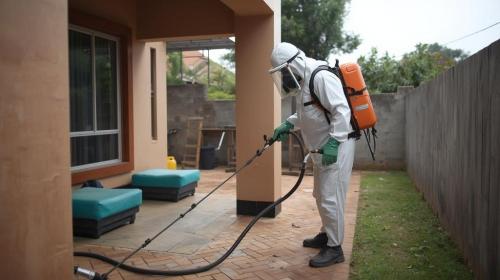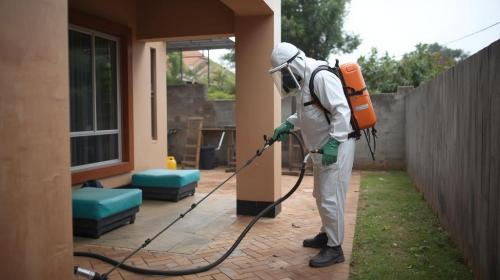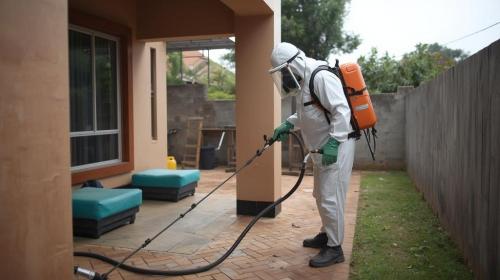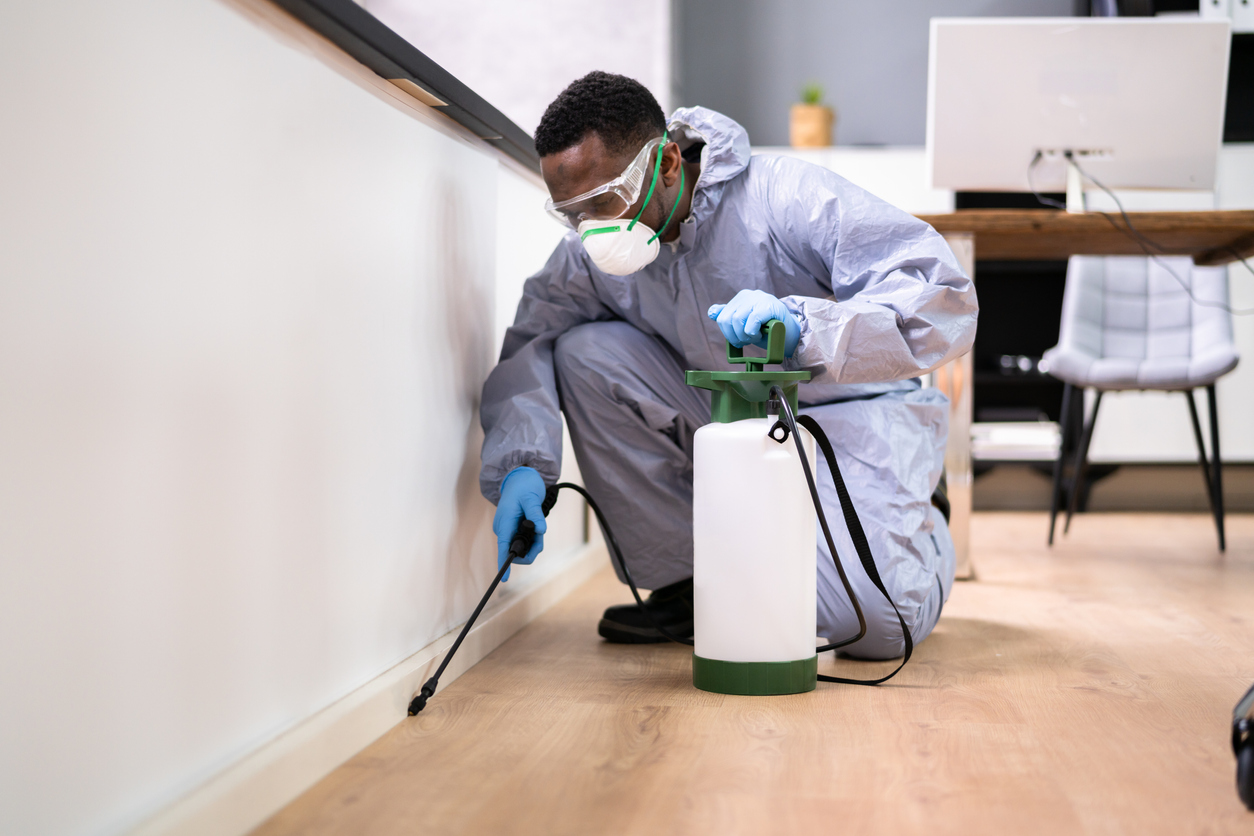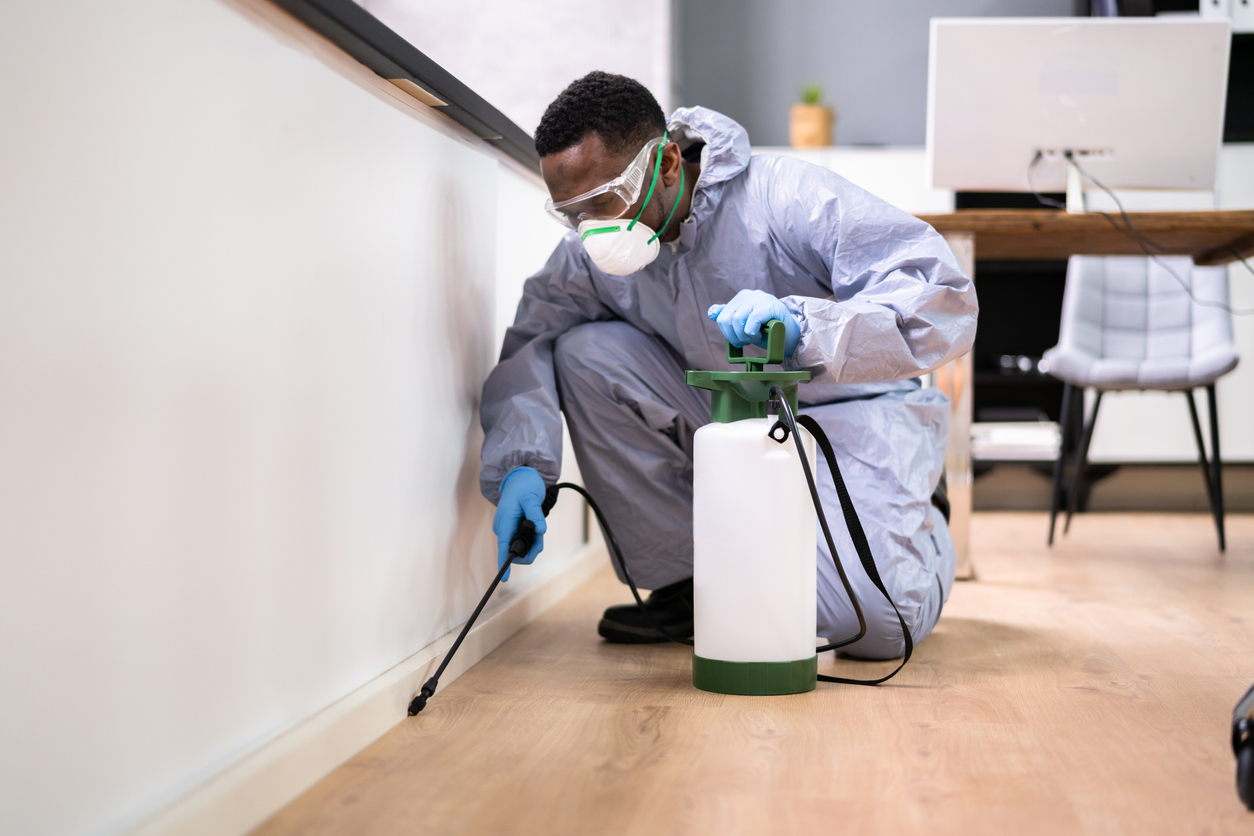


Pests in Kenya do not exactly disappear for a whole season, but anyone who has lived in Nairobi, Kisumu, Mombasa, Nakuru, or even smaller towns like Kitengela and Kimana knows they become worse at certain times of the year. Cockroaches start showing up when drains become damp. Mosquitoes become unbearable after rains. Termites swarm around lights when the weather changes. Bedbugs seem to spread more when people travel, move houses, or return from school breaks.
So, does the season really matter when planning fumigation? Yes, it does. The best season to fumigate your home in Kenya depends on the type of pest, your region, the weather, and whether you are preventing a problem or dealing with an active infestation.
Kenya does not have the classic four seasons, but our weather still follows patterns. We have long rains, short rains, dry spells, hot months, and cold months. Each of these affects pest behaviour, breeding, and how well fumigation works. If you time treatment well, you may reduce repeat infestations and spend less over the year. If you wait until pests are already everywhere, you may need more treatment, more follow-up, and more patience. Hapo ndio gharama huanza kupanda.
How Kenya’s Weather Affects Pest Problems
Pests respond to moisture, heat, food, shelter, and human movement. When rains start, outdoor nests flood, drainage lines fill, and garbage becomes wet. This pushes ants, cockroaches, mosquitoes, and sometimes rodents closer to homes. During dry seasons, pests look for water indoors. During colder months, rats and mice may move into ceilings and stores for warmth.
Weather also affects fumigation itself. Outdoor treatments can be washed away by rain. Hot sun can make some sprays dry too fast or break down faster, especially on exposed surfaces. Humidity can slow drying and keep homes smelling longer after treatment. Cold weather may help some indoor treatments last longer, but it can also make bedding and curtains harder to dry after bedbug fumigation.
This is why the best fumigation season is not just about convenience. It is about working with the weather instead of fighting it.
Long Rains: March to May
The long rains are one of the busiest pest seasons in many parts of Kenya. In Nairobi estates such as Umoja, Pipeline, Donholm, Roysambu, and parts of Eastlands, drainage can become a problem. Wet garbage, flooded drains, leaking roofs, damp walls, and muddy compounds create good conditions for pests.
Cockroaches become more active because they love dark, moist spaces. Ants may move indoors when their outdoor nests flood. Mosquitoes breed in stagnant water, especially in open containers, potholes, blocked gutters, old tyres, drains, and waterlogged compounds. In lake region areas like Kisumu, Busia, and parts of western Kenya, mosquitoes can increase sharply after rains.
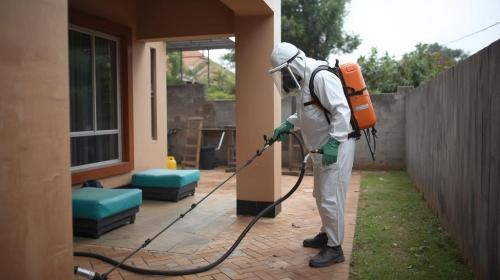
Fumigation during the long rains can work, but timing matters. Indoor fumigation for cockroaches, bedbugs, fleas, and ants can be effective if the house is dry and well prepared. Outdoor spraying, mosquito fogging, or termite soil treatment may be less effective if heavy rain comes immediately after treatment.
The best approach during long rains is to fumigate during a dry window, fix leaks first, clear stagnant water, and make sure drains are not blocked. If your compound is flooding or water is seeping through walls, fumigation alone will not solve the problem. You will be spraying while pests still have perfect breeding conditions.
Cold Season: June to August
The cold season can be a good time for indoor fumigation, especially in Nairobi, Nakuru, Limuru, Nyahururu, Kericho, Eldoret, and other cooler areas. Pests do not completely disappear, but some slow down. Cockroaches may hide deeper. Bedbugs still feed, but movement may reduce slightly. Rats and mice may move indoors looking for warmth, especially in ceilings, stores, kitchens, and roof spaces.
One advantage of cold weather is that indoor fumigation products may last longer because there is less heat and direct sunlight breaking them down. Houses also do not become unbearably hot when closed for a few hours after treatment.
The challenge is drying. If you are treating bedbugs and need to wash bedding, curtains, clothes, or mattress covers, they may take longer to dry. This is where planning helps. Choose a dry day, start early in the morning, and give fabrics enough time to air.
For landlords and caretakers, June to August can be a good period for mid-year maintenance fumigation. It is also a good time to inspect for rats, seal gaps, and check ceilings before the next wet season.
Short Rains: October to December
The short rains are lighter in some areas but can still trigger pest activity. Nairobi may have sunny mornings and heavy afternoon showers. Coastal areas, western Kenya, and parts of central Kenya may experience renewed mosquito activity. Termites often become more visible during this period because winged termites swarm after rains, especially around lights at night.
If you see flying termites around your compound in places like Kiambu, Thika, Ruiru, Kitengela, Malindi, or parts of Mombasa, it may be a warning sign. Swarming termites are looking for new places to establish colonies. This is a good season to inspect wooden structures, door frames, roof timber, cabinets, skirting boards, and soil contact points.
Fumigation during the short rains should be planned around weather. Indoor treatment is usually manageable, but outdoor work should be done on a clear day. If you are planning termite treatment, avoid days when the soil is waterlogged unless the technician advises otherwise. For mosquitoes, fogging and breeding site control should be done early enough before the problem becomes unbearable.
Dry Seasons: January to February and September
Dry seasons are often among the easiest times to fumigate because houses dry faster and ventilation is easier. January and February are hot and dry in many areas. September can also be dry before the short rains begin. These periods are good for preventive fumigation, especially before pests increase with the next rainy season.
Dry weather can push pests indoors in search of water. Ants may appear around sinks. Cockroaches may hide under bathrooms, drains, and damp kitchen areas. Rats may chew pipes, enter stores, or move closer to homes if outdoor food and water are scarce.
The main caution is heat. In hot areas such as Garissa, parts of Kajiado, Machakos, Mlolongo, Embakasi, Mombasa, Kilifi, and Turkana, avoid fumigation during the hottest hours of the day. Heat can make chemical smell stronger, reduce residual effect on exposed surfaces, and make re-entry uncomfortable. Morning or late afternoon is better.
For many Kenyan homes, late February and late September are smart preventive fumigation windows because they come just before major pest activity linked to rains.
Best Season for Cockroach and Ant Fumigation
Cockroaches and ants are common throughout the year, but they often become worse around the start of rainy seasons. Rain drives them from outdoor spaces, drains, and flooded nests into homes. Kitchens, bathrooms, drains, cabinets, dustbins, and food storage areas become their favourite hiding places.
For preventive control, the best time to fumigate for cockroaches and ants is a few weeks before the rains begin. In many parts of Nairobi and central Kenya, this means late February before the long rains and late September before the short rains. This gives residual treatment time to work before pests start moving indoors in large numbers.
In coastal areas such as Mombasa, Nyali, Mtwapa, Kilifi, and Diani, humidity keeps cockroaches and ants active for much of the year. In such areas, a regular quarterly schedule may work better than waiting for a particular season.
If you already have an active cockroach infestation, do not wait for the “right” month. Treat immediately, then improve hygiene, seal food, fix leaks, and treat drains where necessary. Mende hazingoji calendar.
Best Season for Bedbug Fumigation
Bedbugs are not controlled mainly by weather. They spread more through people, furniture, luggage, mattresses, clothes, and tenant movement. This means travel seasons and moving periods can increase risk.
December is a high-risk period because many people travel upcountry, visit relatives, host guests, stay in hotels, or move between towns. Students also travel home from colleges and universities. If bedbugs are carried in bags, clothes, mattresses, or second-hand furniture, they can spread quickly when people return in January.
For preventive bedbug fumigation, late November or early December can be useful for homes that expect visitors, host short-term guests, or manage furnished rentals. Landlords in high-turnover areas such as Kasarani, Zimmerman, Roysambu, Juja, Rongai, and parts of Eldoret or Nakuru may also inspect units after tenants return in January.
If bedbugs are already present, season does not matter. Treat immediately and arrange follow-up as advised. Bedbug eggs can hatch after the first treatment, so a second visit may be needed. Waiting for dry season, cold season, or holidays only gives them more time to spread.
Best Season for Mosquito Control
Mosquito control is closely linked to rain and stagnant water. The best time to act is at the beginning of the rainy season, not when mosquitoes are already biting every night.
In areas such as Kisumu, Busia, Siaya, Kakamega, Mombasa, Kilifi, Kwale, and parts of western and coastal Kenya, mosquito activity can rise after rains. Nairobi estates with poor drainage, blocked gutters, open drains, or stagnant water also experience mosquito problems.
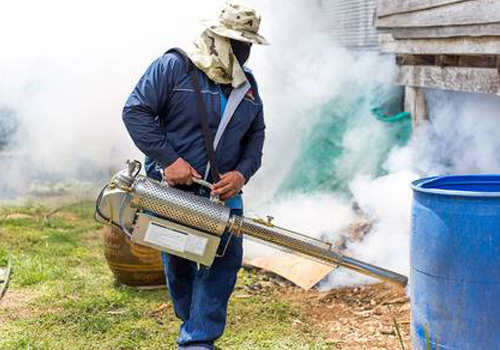
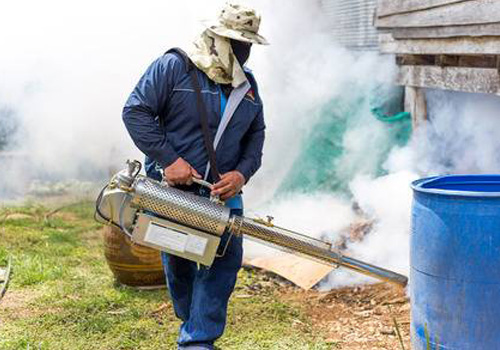
For outdoor mosquito fogging, timing after rains is important. Treating one to two weeks after rains begin can help reduce adult mosquito populations before they become widespread. Indoor residual spraying may help where mosquitoes rest indoors, but it should be combined with prevention. Remove stagnant water, clear gutters, cover water containers, drain flower pots, and manage compound vegetation.
Fogging alone will not solve mosquito problems if breeding sites remain. Hiyo ni kama kupiga mosquitos leo na kuwafungulia nursery kesho.
Best Season for Termite Treatment
Termites become more noticeable during rainy periods, especially when winged termites swarm around lights. In many parts of Kenya, termite swarming is common during the short rains from October to December, although timing can vary by region.
Preventive termite treatment is often best before swarming season, around September, especially if your home has a history of termite problems. This applies to areas with wooden structures, soil contact, older homes, or compounds where termite mounds are nearby.
For active termite damage, do not wait. If door frames, cabinets, skirting boards, roofing timber, or wooden floors are being eaten, call a professional for inspection. Termite treatment is more technical than ordinary spraying. It may involve soil treatment, drilling, wood treatment, barrier application, or colony management depending on the problem.
Avoid doing outdoor termite treatment during very heavy rains or when the soil is waterlogged unless the provider confirms the method is suitable. Water can interfere with some treatments.
Best Season for Rats, Mice, and Bats
Rodents often move indoors during cold months and dry periods. In Nairobi, Nakuru, Eldoret, Limuru, and other cooler areas, June to August can bring more roof and ceiling activity as rats look for warmth. In dry months like January, they may also enter homes and stores looking for food and water.
The best time to prevent rodents is before they move in. Seal holes, repair broken vents, cover drains, manage garbage, and store food properly before cold or dry seasons. Baiting and trapping can be done any time, but proofing is easier when you are not already dealing with a major infestation.
Bats require careful handling. If they are entering roof spaces, removal and exclusion should be done professionally and at the right time. Do not seal entry points blindly if bats are still inside. A trained provider should advise the safest approach.
Regional Differences Across Kenya
In Nairobi and central Kenya, good fumigation windows are late February before long rains, June to August for indoor maintenance, and late September before short rains. Avoid outdoor treatment during heavy rain weeks where possible.
In Mombasa, Kilifi, Kwale, and other coastal areas, pests are active for much of the year because of warmth and humidity. Mosquitoes, cockroaches, ants, and termites may need more regular control. January, May, and September can be useful windows depending on rainfall and humidity.
In Kisumu and the lake region, mosquito control should be timed around rains. March and October can be important months for preventive mosquito action, depending on local weather. Cockroaches and ants may also remain active for much of the year.
In Rift Valley towns such as Nakuru, Eldoret, Naivasha, and Kericho, cold months can be good for indoor fumigation, while termite inspections are useful during rainy periods. In arid and semi-arid areas such as Garissa, Lodwar, Marsabit, and parts of Kajiado, fumigation should avoid extreme midday heat. Early morning treatment is often better.
When Season Does Not Matter
Season matters most for prevention. It does not matter much when there is an active infestation. If bedbugs are in your mattress, rats are chewing wires, cockroaches are appearing during the day, or bees have settled near people, act immediately.
The same applies when moving into a new house. Fumigating before moving in is easier because the house is empty. It does not matter whether it is January, April, or August. Treating an empty house in Syokimau, Ruaka, Kilimani, Kitengela, or Nyali is easier than treating after beds, sofas, clothes, and electronics are already inside.
For landlords, fumigating between tenants can reduce disputes and protect the next occupant. For businesses, fumigation should follow risk, inspection needs, and compliance requirements, not only weather.
How to Time Fumigation Properly
Start by watching the weather. Kenya’s rains do not always follow the old calendar exactly. If rains start early, adjust your fumigation schedule. If heavy rain is expected, avoid outdoor treatment unless the provider says the method will still work.
Combine fumigation with maintenance. Fix leaks before treating cockroaches. Clear stagnant water before fogging mosquitoes. Seal cracks before treating bedbugs or roaches. Repair wood and soil contact issues before termite treatment. Chemicals work better when pests do not still have food, water, and shelter.
In apartments, coordinate with neighbours and caretakers. If one unit fumigates and others do not, pests may return. Block fumigation before rainy seasons can work well in estates such as Embakasi, Roysambu, Umoja, Bamburi, and Kasarani.
Keep records. Note when you fumigated, what pest was treated, which provider came, and when pests returned. Over time, you will know your home’s pattern. If cockroaches appear every April, treat in February. If mosquitoes become bad every November, prepare in October.
Choosing the Right Provider for Seasonal Fumigation
Seasonal fumigation only works well if the provider understands pest behaviour and local weather. A good technician should be able to advise whether it is too wet for outdoor treatment, too hot for midday spraying, or better to wait for a dry day.
Ask what pest is being targeted, what method will be used, how weather affects the treatment, and whether follow-up is needed. For homes with children, pets, elderly people, or asthmatic family members, ask about re-entry time and safety steps.
If you need help finding reliable providers, The Real Plug can help users find vetted fumigation professionals, pest control experts, and service providers in Kenya. This can be useful when planning treatment before rains, school holidays, tenant movement, or seasonal pest spikes.
Final Thoughts
The best season to fumigate your home in Kenya depends on where you live and what pest you are dealing with. For many homes, late February before the long rains, June to August for indoor maintenance, and late September before the short rains are useful windows. These periods help you stay ahead of cockroaches, ants, mosquitoes, termites, and other pests before they become a bigger problem.
But the real answer is not only about months. It is about signs, weather, pest type, and your home’s history. If pests are active, treat immediately. If you are preventing seasonal problems, fumigate before rains, before travel periods, or before tenant movement. Avoid heavy rain for outdoor treatment and avoid midday heat in very hot areas.
Pests in Kenya are persistent, but they are also predictable if you pay attention. Time your fumigation well, prepare properly, fix the conditions that attract pests, and use a professional who understands local realities. That way, you spend less time calling the fundi and more time enjoying a cleaner, calmer home.