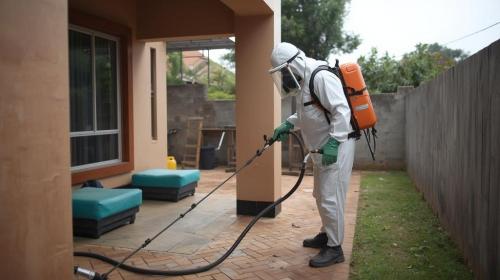


If you have lived in Kenya through a few rainy and dry seasons, you already know pests follow the weather. Cockroaches that seemed quiet in July suddenly start appearing when the weather warms up. Mosquitoes become a real headache after the rains in Kisumu, Mombasa, Busia, and even parts of Nairobi with poor drainage. Ants march into kitchens when the ground becomes too wet or too dry. Termites swarm around lights after the first heavy rains, leaving wings on windowsills, verandas, and door frames.
This is not coincidence. Weather affects how pests breed, feed, hide, and move. Temperature, rainfall, humidity, dryness, and soil moisture all influence pest behaviour. That is why the same house can feel pest-free in one month and suddenly uncomfortable a few weeks later.
Understanding how weather affects pests in Kenya helps homeowners, tenants, landlords, hotel owners, restaurant operators, and property managers plan better. Instead of waiting until mende, ants, mosquitoes, or termites take over, you can prepare before the season changes. In pest control, timing can save money, reduce chemical use, and prevent repeat infestations.
Why Weather Matters for Pest Control in Kenya
Kenya has many different climates. Mombasa and the coast are warm and humid most of the year. Nairobi has cooler months and rainy seasons. Kisumu and the lake region deal with heavy rains and mosquito pressure. Eldoret and Limuru can get cold. Garissa, Marsabit, and parts of Kajiado are hot and dry.
Pests respond to these conditions because most of them depend heavily on temperature and moisture. When it is warm, many pests breed faster. When it rains, water creates breeding sites and floods outdoor hiding places. When it is dry, pests move indoors looking for water. When it is cold, some pests slow down but do not disappear.
This means pest control should not be random. A fumigation schedule that works in Kilimani may not work the same way in Nyali. A mosquito plan for Kisumu may not apply to Nakuru. A termite inspection schedule in Kitengela may need to follow rainfall patterns more closely than one in a colder highland area.
Kwa ground, pests move with the weather. If you understand that, you can stay one step ahead.
How Heat Affects Cockroaches
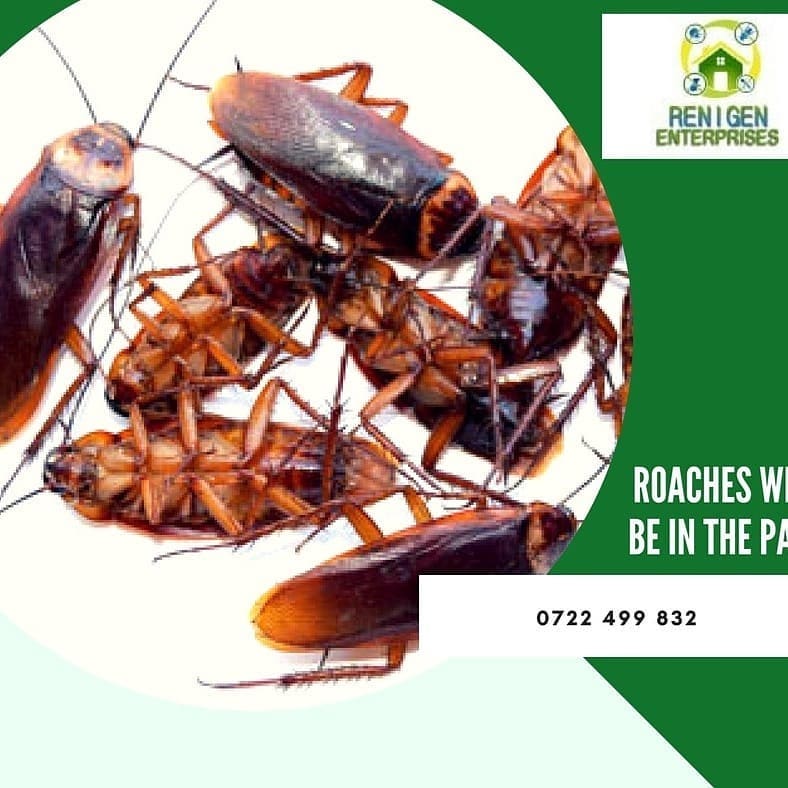
Cockroaches love warmth, food, moisture, and dark hiding places. In hot weather, they become more active because their metabolism speeds up. They feed more, move more, and breed faster. This is why cockroach problems often become worse during warm months, especially in kitchens, bathrooms, stores, and apartment blocks.
In homes around Buruburu, South B, Umoja, Imara Daima, Pipeline, and Mombasa Road, roaches often hide behind fridges, under cookers, inside cabinets, around gas cylinders, under sinks, and near drains. When the weather is warm, you may notice them running across the kitchen at night or appearing near water sources.
Dry heat can also push cockroaches indoors. When outside areas become dry and water is scarce, roaches may move through drains, pipe gaps, and cracks to find moisture inside homes. A leaking pipe under the sink or a wet mop left in the corner can support a whole colony.
In coastal towns such as Mombasa, Kilifi, Malindi, and Diani, cockroach pressure can remain high for much of the year because warmth and humidity rarely disappear completely. In those areas, prevention needs to be consistent rather than seasonal.
How Rain Pushes Cockroaches Indoors
Rainy seasons also increase cockroach activity, but for a different reason. Heavy rain can flood drains, sewers, manholes, pit latrines, and outdoor hiding spaces. When this happens, cockroaches move upward and indoors.
This is why many tenants in Nairobi estates notice roaches after heavy rain. They may come through bathroom drains, kitchen sinks, floor traps, or gaps around pipes. In areas with open drainage, blocked sewers, or overflowing garbage points, the problem can become worse quickly.
In apartments, cockroaches can move between units through shared drainage lines and wall gaps. One tenant may keep their kitchen clean but still see roaches if the building drainage is untreated. Hiyo ndiyo shida ya flats. Your unit is connected to a wider system.
To reduce rainy season cockroach problems, keep drains covered, fix leaks, clean under appliances, store food in sealed containers, and avoid leaving dirty dishes overnight. If roaches keep returning, professional treatment may need to include drains, cabinet corners, cracks, and shared areas, not just the visible kitchen floor.
How Cold Weather Affects Cockroaches
Cold weather does not kill cockroaches in most Kenyan homes. It only slows them down. In places like Limuru, Nyahururu, Eldoret, Nakuru, and parts of Nairobi during June and July, roaches may hide deeper in walls, cabinets, ceilings, or appliances. Because they are less visible, many people assume the problem has ended.
That can be misleading. Once temperatures rise again, the hidden population may become active. If no preventive action was taken during the cold months, the infestation can return strongly when warmer weather comes back.
Cold months can actually be a good time to inspect and treat indoor hiding places because pest activity is lower and chemicals may last longer away from strong heat. Landlords and caretakers can use this period for maintenance, sealing cracks, treating drains, and preparing before the warmer months return.
How Weather Affects Ants
Ants are highly sensitive to weather changes. They move when their nests are flooded, when outdoor food becomes scarce, or when dry weather pushes them to search for water. This is why ants may appear suddenly in homes even when nothing obvious has changed indoors.
During heavy rains, underground ant nests can flood. The ants then move to drier areas such as wall cracks, under tiles, inside stores, behind cabinets, or along skirting boards. You may see long trails across the sitting room, kitchen, or bedroom after a storm. They are often looking for shelter first, then food.
During dry weather, ants may enter homes searching for moisture and food. Kitchens become attractive because of sugar, oil, bread crumbs, fruit, pet food, and spills. One scout ant can find food, return to the nest, and soon the whole line appears. That is when someone says, “Hawa ants wametoka wapi sasa?”
Safari ants may also move during weather shifts, especially when outdoor conditions change. They can cross compounds, verandas, and even enter houses. In many cases, blocking entry routes and allowing them to pass is safer than spraying blindly, especially for large moving colonies.
How to Control Ants Based on Weather
Ant control works best when you understand why they are entering. During rains, focus on sealing cracks, closing gaps under doors, and keeping indoor storage areas dry. During dry weather, focus on food hygiene, wiping counters, storing sugar and cereals tightly, and removing crumbs.
Ant baits can be more effective than sprays because ants carry bait back to the colony. Spraying only the line you see may kill visible ants but leave the nest active. If ants keep returning through the same crack, that entry point should be sealed after treatment.
For homes in Machakos, Kitui, Kajiado, Kiambu, Nairobi outskirts, and other areas with strong dry spells, prevention before the dry season can help. For rainy areas like Kisii, Kakamega, and parts of western Kenya, sealing and moisture control are especially important.
How Rain and Temperature Affect Mosquitoes
Mosquitoes are the pest most directly linked to weather. Rain creates stagnant water, and stagnant water creates breeding sites. Gutters, open drums, flower pot trays, old tyres, potholes, blocked drains, buckets, and uncovered tanks can all become mosquito nurseries.
In warm weather, mosquitoes develop faster. Eggs can hatch quickly, and adult mosquitoes can appear within days under favourable conditions. This is why mosquito problems often become worse one or two weeks after rains begin.
Areas around Kisumu, Homa Bay, Busia, Siaya, Kakamega, Mombasa, Kilifi, Kwale, and other warm or wet regions may experience heavier mosquito activity after rain. Nairobi estates with poor drainage, such as parts of Eastlands, Lang’ata, South C, and areas near open trenches or waterlogged compounds, can also experience mosquito spikes.
Humidity helps adult mosquitoes survive longer. In dry heat, mosquitoes may reduce unless they find indoor water or shaded damp places. In cooler highland areas, mosquito breeding slows down, but it does not always stop completely.
How to Control Mosquitoes With Weather in Mind
The best mosquito control starts before mosquitoes become many. Clear standing water before and during the rainy season. Check gutters, water tanks, buckets, drums, old tyres, plant trays, blocked drains, rooftop areas, and basements.
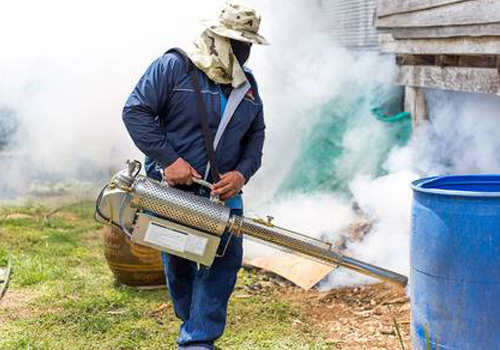
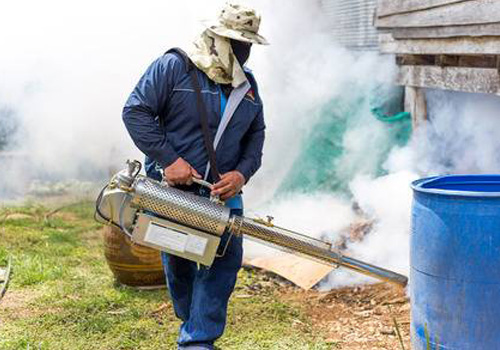
Fogging can reduce adult mosquitoes, especially when done at the right time. Outdoor fogging often works better in the evening when mosquitoes are active. However, fogging alone will not solve the problem if breeding sites remain. You can fog today, but if water is still standing in the compound, new mosquitoes will hatch soon. Hapo ni kurudia kazi tu.
In malaria-prone areas, mosquito nets, window screens, drainage maintenance, and regular water control are important throughout the year. Hotels, lodges, schools, and apartment managers should plan mosquito control around rainfall patterns, not only after guests or tenants start complaining.
How Weather Affects Termites
Termites are different from cockroaches, ants, and mosquitoes because they often work quietly inside wood, soil, or hidden structures. You may not see them daily, but weather still affects their activity.
Rainy seasons are important because termites often swarm after the first heavy rains. Winged termites, commonly known as kumbi kumbi in many areas, may gather around lights in the evening. They fly out to mate and start new colonies. After swarming, they shed their wings and look for places to settle.
If you see many termite wings near windows, doors, verandas, or light fixtures in places like Thika, Kiambu, Ruiru, Kitengela, Ngong, Nakuru, Eldoret, Malindi, or Bamburi, it is a sign that termites are active nearby. It does not always mean your house is already badly infested, but it is worth inspecting.
Moist soil also helps subterranean termites move and tunnel. Houses with poor drainage, timber touching soil, leaking pipes, damp foundations, or untreated wood are more vulnerable. In dry seasons, termites may go deeper into the soil to find moisture, but they can continue feeding on wood quietly.
How to Prevent Termite Damage Based on Weather
The best time to inspect for termites is before and during rainy seasons. Check wooden door frames, skirting boards, cabinets, roof timber, fence posts, timber floors, and areas where wood touches soil. Tap wood gently. If it sounds hollow, looks blistered, or breaks easily, call a professional.
During swarming season, reduce outdoor light attraction where possible, especially near doors and windows. Keep foundations dry by improving drainage. Avoid storing firewood, timber, boxes, or old furniture directly against house walls.
For new construction in areas prone to termites, preventive soil treatment before building can be cheaper than repairing damage later. For existing infestations, do not rely on surface spraying alone. Termite treatment may require soil treatment, drilling, wood treatment, or barriers depending on the case.
If you see active termites, do not wait for the “perfect” season. Termites can cause damage quietly, and delaying may cost more.
Using Weather to Plan Fumigation in Kenya
Instead of fumigating randomly, it is better to match pest control to weather patterns. During January and February, when many parts of Kenya are hot and dry, focus on cockroaches, ants, and sealing water sources. This is also a good time to prepare before the long rains.
During March to May, the long rains can increase mosquitoes, roaches, ants, termites, and rats. Focus on drainage, indoor treatment, mosquito breeding sites, and termite swarming signs. Outdoor treatment should be timed around dry breaks in the weather.
During June to August, colder areas may see reduced cockroach and ant movement, but rodents may move indoors for warmth. This is a good time for indoor inspections, rodent proofing, termite checks, and maintenance.
During September and October, warming weather can bring back cockroach and ant activity. Preventive fumigation before the short rains can help. Termite inspections are also useful before swarming increases.
During November and December, short rains can increase mosquitoes, termites, ants, and roaches again. Travel and school movement can also increase bedbug risk. Homes expecting visitors, students returning home, or landlords preparing rental units should inspect furniture, bedding, and rooms carefully.
Regional Weather Differences Matter
In Nairobi and central Kenya, pest pressure often rises around rains and warm periods. Late February and late September can be useful times for preventive treatment. Cold months are good for indoor inspection and maintenance.
In Mombasa, Kilifi, Kwale, and other coastal areas, humidity keeps pests active for much of the year. Mosquitoes, cockroaches, ants, and termites may need more regular control. Ventilation, drainage, and moisture control are very important.
In Kisumu and the lake region, mosquito control should be planned around rainfall. Standing water control, nets, fogging where appropriate, and drainage management are key.
In Rift Valley towns such as Eldoret, Nakuru, Naivasha, and Kericho, cold months may reduce some pest activity but increase indoor rodent movement. Termite inspections around rainy periods are useful.
In arid and semi-arid areas such as Garissa, Marsabit, Isiolo, Lodwar, and parts of Kajiado, pests often concentrate near water sources. Fumigation and pest control should avoid extreme midday heat. Early morning or late afternoon is usually better for treatment.
Practical Weather-Based Pest Prevention Tips
Before rains, clear gutters, unblock drains, seal cracks, repair leaks, and remove containers that can hold water. In apartments, caretakers should check rooftop drainage, garbage areas, basements, and common corridors before rain starts.
During hot dry weather, keep sinks and bathrooms dry, seal food properly, cover drains, and fix water leaks. Pests looking for water will find even small damp spots.
During cold months, do not assume pests are gone. Inspect hidden areas, clean behind appliances, seal cracks, and prepare for warmer months. For rodents, check ceilings, stores, vents, and door gaps.
For termites, inspect wood after the first rains and watch for wings around lights. For mosquitoes, act before breeding becomes visible. For cockroaches, treat drains and hiding places before the rainy season pushes them indoors.
If you are unsure how to plan pest control around your location and weather, The Real Plug can help users find vetted pest control professionals, fumigation experts, and service providers in Kenya. This is useful when you need someone who understands local conditions, not just generic spraying.
Common Mistakes People Make
One common mistake is waiting until pests are visible everywhere. By then, the infestation may already be established. Weather patterns give clues, so act before the peak.
Another mistake is spraying without fixing moisture or entry points. If gutters are blocked, drains are open, taps are leaking, or food is exposed, pests will return. Fumigation works better when water, food, and shelter are controlled.
Some people overuse chemicals when pests increase during rains or heat. This can be unsafe, especially in closed homes with children, pets, elderly people, or asthmatic family members. Use proper products and follow instructions.
In flats, tenants often treat their units alone while the problem is coming from shared drains, garbage points, or neighbouring units. During weather changes, pests move across buildings. Coordinated action is often better.
Final Thoughts
Weather affects pests in Kenya more than many people realise. Cockroaches become more active in heat and move indoors when rains flood drains. Ants enter homes when nests flood or when dry weather pushes them to search for food and water. Mosquitoes multiply after rains create stagnant water. Termites swarm during rainy periods and can damage wood quietly long after the rain ends.
You cannot control the weather, but you can control how prepared your home or business is. Watch the seasons, inspect before rains, clear water, fix leaks, seal gaps, manage food and garbage, and time fumigation when pests are most vulnerable.
Pest control is not just about reacting when you see insects. It is about reading the signs early. When the clouds gather, the ground dries, or the air becomes humid, pests adjust their behaviour. If you adjust before they do, you spend less money, use fewer chemicals, and keep your home calmer.
The weather will keep changing. The trick is making sure pests do not use every change as an invitation into your house.