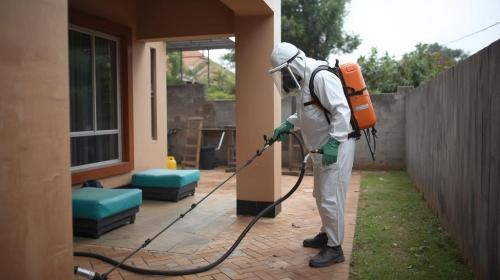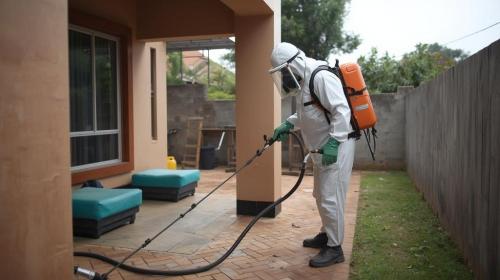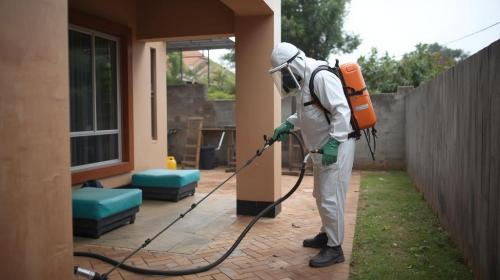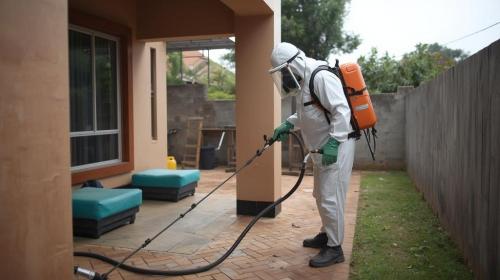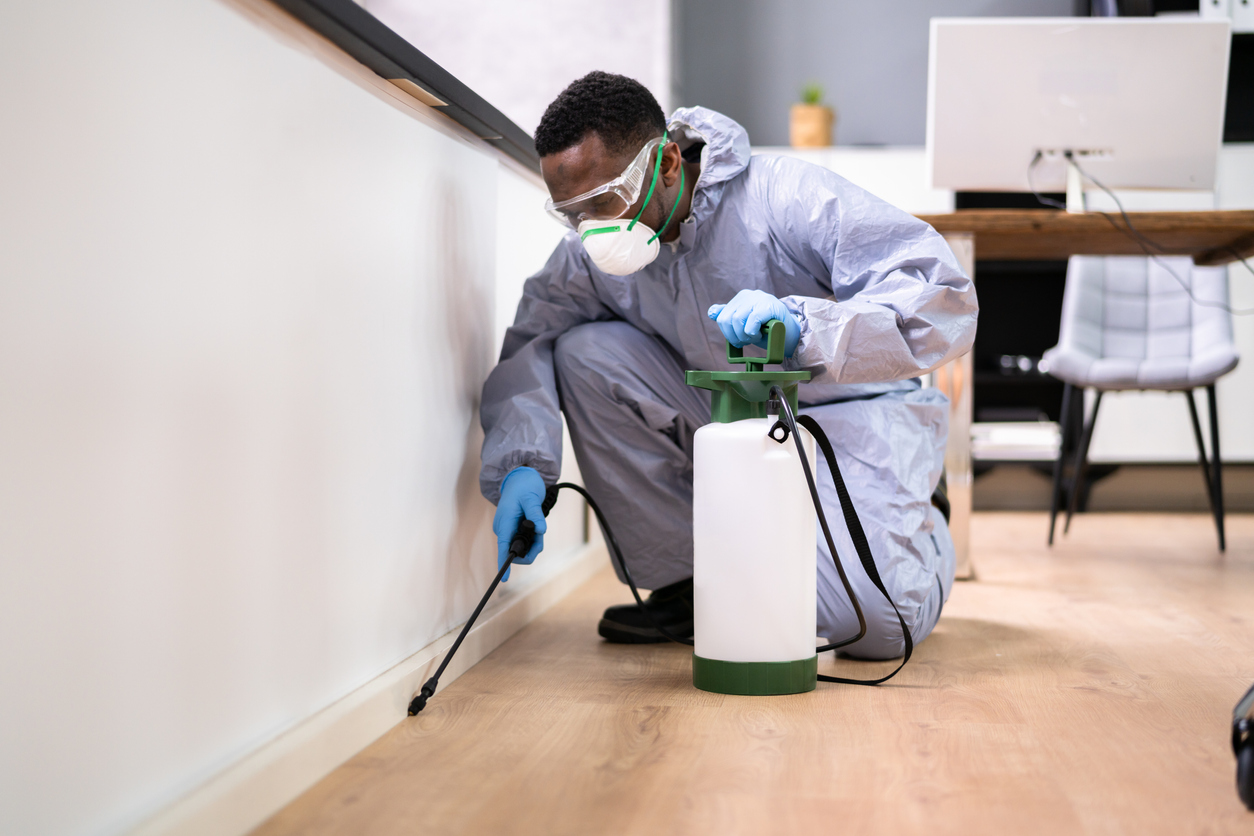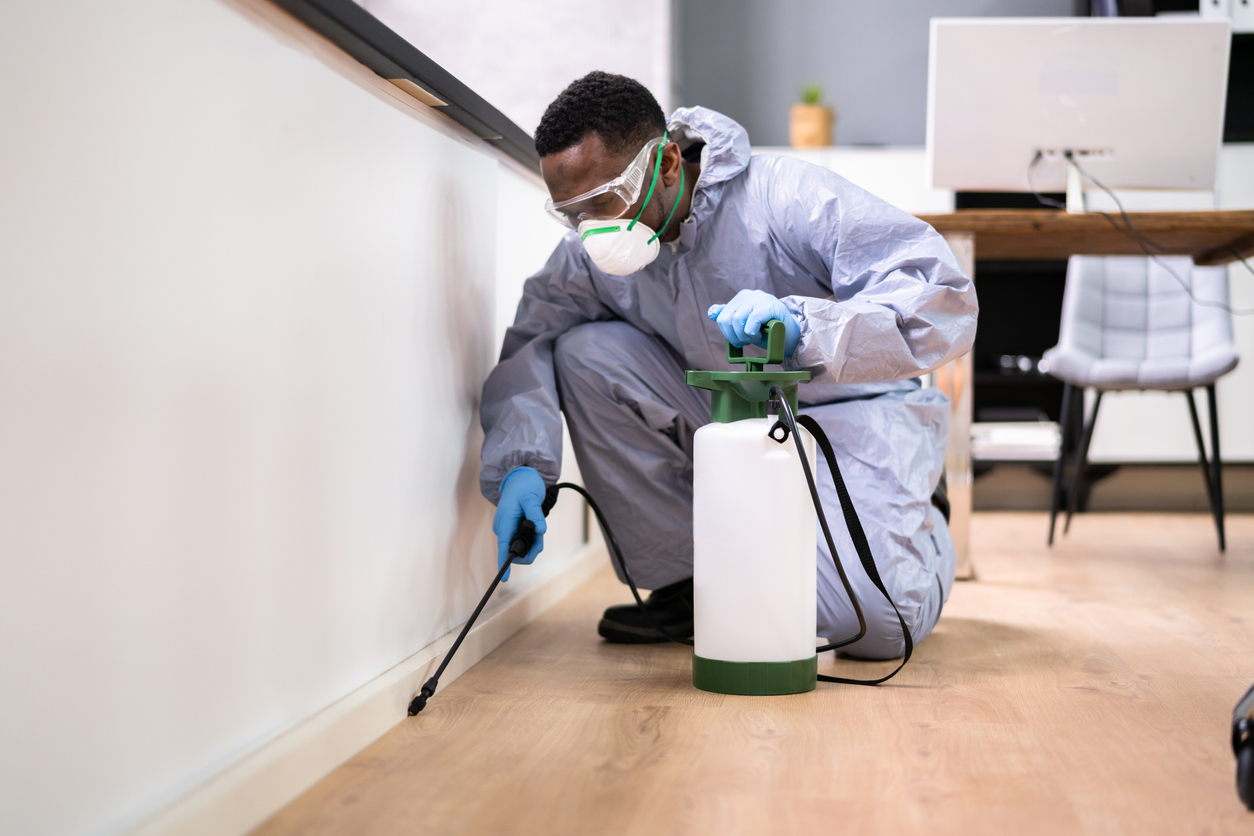


Anyone who has lived in Nairobi long enough knows that pest problems are not the same everywhere. A bedsitter in Pipeline may struggle with cockroaches moving through pipes and sockets. A student apartment in Roysambu may have bedbugs because tenants move in and out often. A maisonette in Karen may look peaceful but have termites quietly eating timber in the garden fence or roof structure. Even in modern apartments in Kilimani or Westlands, garbage chutes and basement parking areas can become pest highways.
This is why fumigation for Nairobi homes by estate type matters. Pest control is not a one-size-fits-all service. The right approach depends on the building design, estate density, drainage, waste management, tenant movement, nearby businesses, and the type of pests common in that area.
If you are a tenant, landlord, property manager, homeowner, or caretaker, understanding your estate type can help you avoid wasting money on the wrong treatment. Spraying the kitchen floor may not solve cockroaches coming from shared drains. Treating one bedsitter may not stop bedbugs spreading from the next unit. Fumigating a Karen house without checking the compound may miss termites and rodents outside. Kwa ground, location decides a lot.
Why Nairobi Estate Type Affects Pest Problems
Nairobi is not one uniform city. It has crowded walk-ups, older council estates, middle-income apartments, high-end flats, gated communities, standalone homes, and mixed-use buildings with shops downstairs and tenants upstairs. Each setting creates different pest risks.
High-density estates have many people sharing walls, drainage, corridors, and garbage points. Pests spread quickly because buildings are closely packed and tenant movement is high. Older estates may have aging pipes, cracks, damaged ceilings, and old drainage lines that pests use as routes. Modern apartments may be better finished, but garbage chutes, basements, ducts, and restaurants on the ground floor can create new pest problems.
Standalone homes have fewer neighbour-to-neighbour pest issues, but larger compounds attract termites, ants, rodents, mosquitoes, snakes, and other outdoor pests. Mixed-use buildings face constant pressure from food waste, shops, stores, and high human traffic.
A good fumigation plan starts by asking where the pests are coming from, not just where they are seen.
High-Density Walk-Ups: Pipeline, Umoja, Kayole, Dandora, Zimmerman
High-density walk-ups are some of the most challenging buildings for pest control in Nairobi. These estates often have many tenants, shared walls, common drainage, compact rooms, frequent movement, and busy garbage areas. A pest problem in one unit can easily spread to the next.
Common Pest Problems
Cockroaches are one of the biggest complaints. Small German cockroaches hide in kitchen cabinets, behind fridges, near gas cylinders, under sinks, inside sockets, and sometimes in electronics. They breed fast and move through pipe gaps, wall cracks, drainage lines, and shared service spaces.
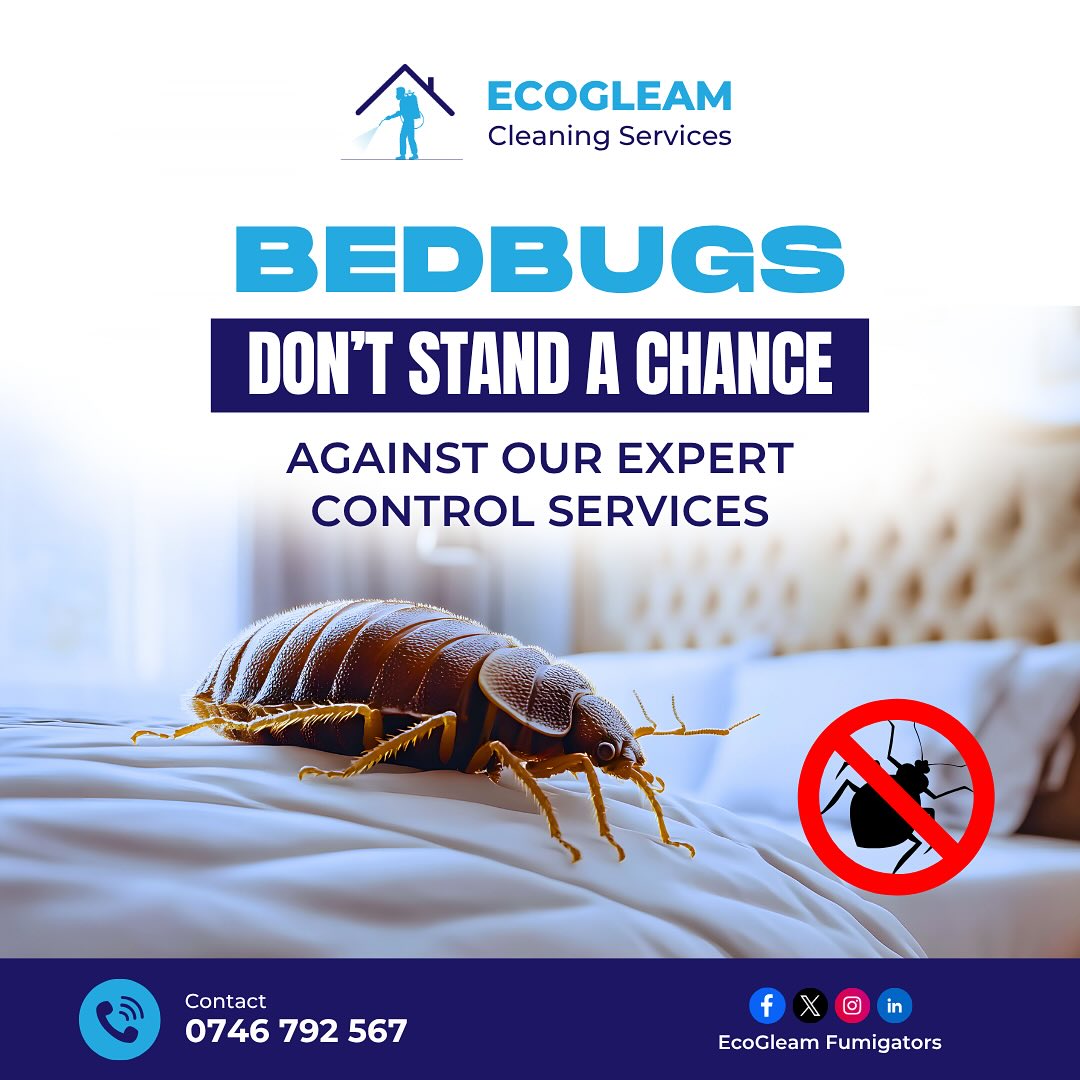
Bedbugs are also common in high-turnover rental areas. Tenants move houses often, students shift rooms, and second-hand furniture is widely used. A mattress, sofa, or bed frame bought cheaply can bring bedbugs into a room. Once inside one unit, they can spread through cracks, sockets, skirting boards, and neighbouring rooms.
Rats and mice may appear where garbage collection is inconsistent, drains are open, or food waste is poorly managed. Mosquitoes can also become a problem when rooftop drainage, open containers, or compound water is not handled properly.
Best Fumigation Approach
In these estates, block treatment works better than treating one unit at a time. If one tenant fumigates their bedsitter but the neighbouring rooms remain infested, pests may return. For cockroaches, gel bait combined with targeted residual treatment works better than spraying alone. For bedbugs, affected units and nearby units should be inspected, with follow-up treatment where needed.
Caretakers and landlords should coordinate fumigation every few months, especially before rainy seasons. Tenants should also report pests early instead of hiding the issue because of embarrassment. Hii mambo ya kunguni si shame, ni issue ya building.
Mid-Level Apartments: South B, South C, Lang’ata, Kasarani, Roysambu
Mid-level Nairobi apartments vary widely. Some are older family flats, while others are newer apartment blocks with parking, perimeter walls, and shared garbage areas. Tenants may stay longer than in bedsitter estates, but pest problems still appear when drainage, garbage, and maintenance are ignored.
Common Pest Problems
Large cockroaches often come from drains and sewers, especially during rainy seasons. Tenants may see them in bathrooms, kitchens, and balconies after heavy rain. Smaller cockroaches may still breed inside kitchens, especially where cabinets are damp or food storage is poor.
Ants are common during dry seasons when they enter homes looking for food and water. Bedbugs may appear through travel, school bags, visitors, or second-hand furniture, though they may spread slower than in very crowded buildings.
Termites can affect older blocks, especially ground-floor units with wooden fittings, door frames, cabinets, or skirting boards. Rodents may also appear near garbage rooms, parking areas, or poorly sealed stores.
Best Fumigation Approach
For these estates, fumigation should include individual units, common areas, drains, garbage points, staircases, and parking spaces where necessary. Cockroach treatment should focus on drains, under-sink areas, appliances, cabinets, and cracks. Ant treatment should target trails and entry points.
Termite issues need inspection rather than general spraying. If winged termites appear around lights during rainy seasons, or if wooden frames sound hollow, a professional should check the structure. Routine fumigation every three to six months may work well, depending on pest pressure and building condition.
Upmarket Apartments: Kilimani, Kileleshwa, Lavington, Westlands, Riverside
Modern apartments in these areas may look cleaner and better sealed, but they have their own pest challenges. Elevators, basements, garbage chutes, service ducts, gyms, swimming pool areas, and ground-floor restaurants can create pest routes that are not obvious to tenants.
Common Pest Problems
Garbage chute cockroaches are a common issue in high-rise apartments. If chutes and garbage rooms are not cleaned and treated regularly, roaches can breed there and move into kitchens. German cockroaches can become difficult to remove once established.
Rodents may appear in basements, parking areas, generator rooms, stores, and near restaurants or shops attached to the building. Drain flies, silverfish, ants, and mosquitoes may also appear where dampness or poor ventilation exists.
Bedbugs in upmarket apartments often come from travel, hotels, furnished rentals, Airbnb stays, imported furniture, or visitors’ luggage. The house may be spotless, but one suitcase can bring the problem in.
Best Fumigation Approach
Management should treat common areas regularly. Chutes, ducts, basements, garbage rooms, drains, and service areas need attention, not just tenant units. Inside apartments, low-odour methods such as gel bait for cockroaches may be preferred because residents may not want strong chemical smells.
For bedbugs, treatment should be discreet, thorough, and followed up. DIY spraying can scatter pests or make the issue worse. Tenants should report early to management so the source can be checked before it spreads.
Standalone Homes: Karen, Runda, Muthaiga, Hardy, Lower Kabete
Standalone homes have fewer shared-wall problems, but they face more outdoor pest pressure. Large gardens, old trees, hedges, servant quarters, pet areas, stores, and nearby undeveloped land can attract pests.
Common Pest Problems
Termites are a major concern. They may attack fences, wooden floors, cabinets, decks, roof timber, door frames, and garden structures. Swarming termites during rainy seasons can be an early warning sign.
Ants, including safari ants, may move through compounds during dry or wet weather changes. Rats and mice can enter from gardens, stores, drains, garages, or neighbouring undeveloped plots. Mosquitoes may breed in gutters, flower pots, ponds, tanks, and poorly drained lawns.
Some homes near forests, rivers, or open land may occasionally deal with bats, snakes, bees, or wasps. These require careful handling and should not be treated casually.
Best Fumigation Approach
For standalone homes, pest control should include the compound, not just the house. Perimeter treatment, termite inspection, rodent proofing, mosquito breeding control, and garden maintenance are important.
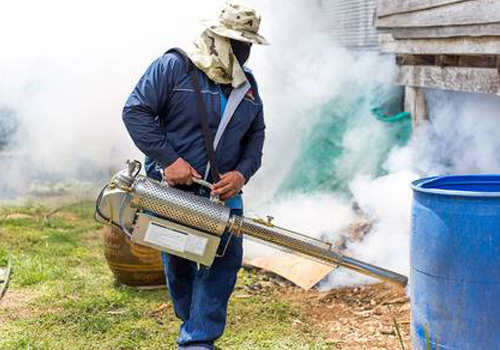
Termite control may require soil treatment, baiting, barriers, or wood treatment depending on the case. Mosquito control should include clearing gutters, draining water, trimming vegetation, and fogging during peak seasons where necessary. Rodent control should focus on sealing entry points and managing waste, not just placing poison.
A full inspection at least once a year is wise for homes with large compounds or wooden structures.
Mixed-Use Buildings: CBD, Ngara, Pangani, Eastleigh
Mixed-use buildings combine residential units with shops, restaurants, stores, salons, offices, lodgings, or warehouses. These buildings often have high human traffic and constant food movement, which attracts pests.
Common Pest Problems
Cockroaches and rats are common where food businesses operate on lower floors. Restaurants, butcheries, bakeries, and shops may attract pests that then move upward through ducts, staircases, ceilings, and pipe spaces.
Flies may increase where waste is poorly handled. Bedbugs may appear in lodgings, hostels, and short-stay rooms, then spread to residential areas if not controlled. Stored goods can also attract weevils, beetles, and rodents.
Best Fumigation Approach
Mixed-use buildings need stricter pest control because businesses and residents affect each other. Commercial spaces handling food may need more regular treatment than residential units. Garbage points, drains, stores, staircases, and loading areas should be included in the plan.
Landlords must enforce hygiene rules for businesses. If a food business dumps waste behind the building, fumigating upstairs units will not solve the problem. Proper waste management, sealing gaps between floors, and coordinated treatment are essential.
New Developments: Syokimau, Ruaka, Kitengela, Athi River, Kiambu Road
Newer estates and apartment developments can look modern and pest-free, but construction activity, open land, poor drainage, and fast tenant occupation can create pest issues.
Common Pest Problems
Termites may affect new houses if soil treatment was not done properly before construction. Ants and rodents may come from nearby open plots. Mosquitoes can breed in unfinished drainage, construction holes, tanks, and stagnant water. Cockroaches may appear once more tenants move in and garbage systems are tested.
Bedbugs may also enter through new tenants, movers, second-hand furniture, and furnished rental units.
Best Fumigation Approach
For new homes, pre-move-in fumigation is useful because the house is empty and easier to treat. Landlords and homeowners should inspect for cracks, drainage issues, soil contact, and early termite signs. Apartment management should establish garbage and drainage routines early before pests settle.
Waiting until the estate is fully occupied and complaints begin can make pest control more expensive.
How to Choose a Fumigation Plan for Your Nairobi Estate
Start by identifying the source. Is the pest coming from inside your unit, a neighbour, the drain, the garbage area, the compound, or a nearby business? A good provider should inspect before recommending treatment.
In flats, involve the caretaker or management. Solo fumigation may give temporary relief, but block treatment is often better for cockroaches, bedbugs, fleas, and rats. In standalone homes, focus on the compound, perimeter, and structural risks. In mixed-use buildings, food businesses and garbage areas must be part of the solution.
Timing also matters. Late February and September are useful preventive periods before major rainy seasons push pests indoors. However, active infestations should be treated immediately, regardless of month.
Use a provider who understands Nairobi’s estate differences. If you are comparing options, The Real Plug can help users find vetted fumigation professionals, pest control experts, and service providers in Kenya. This is helpful when you need someone who knows that treating a Pipeline walk-up is not the same as treating a Karen compound or a Kilimani high-rise.
Final Thoughts
Fumigation for Nairobi homes by estate type is important because each area has different pest pressures. High-density walk-ups often struggle with cockroaches, bedbugs, rats, and shared drainage issues. Mid-level apartments deal with drain pests, ants, occasional bedbugs, and termites. Upmarket apartments may have hidden problems in garbage chutes, ducts, basements, and travel-related bedbugs. Standalone homes face termites, ants, rodents, mosquitoes, and outdoor pests. Mixed-use buildings deal with pressure from shops, food waste, storage, and high traffic.
The best fumigation plan matches the estate, building type, pest behaviour, and source of the problem. Spraying blindly is expensive and often ineffective. Inspect first, treat the right places, involve neighbours or management where needed, and follow up when pests have eggs or hidden nests.
In Nairobi, pests are part of the housing reality, but they do not have to take over your home. Once you understand your estate type, you can choose smarter treatment, spend less over time, and avoid the usual “mende zimerudi tena” cycle.