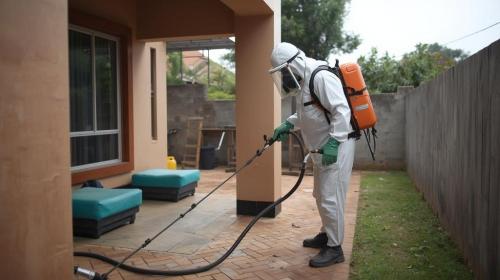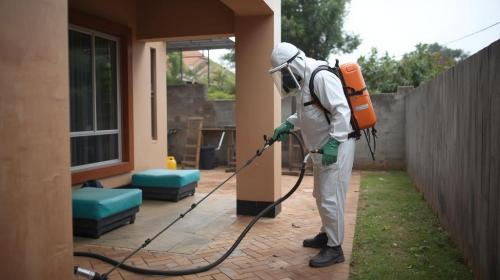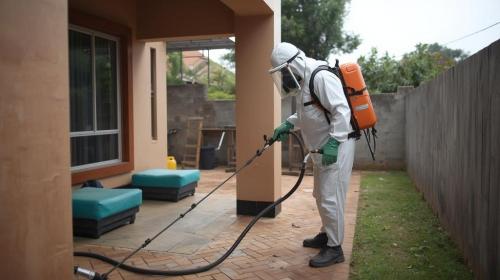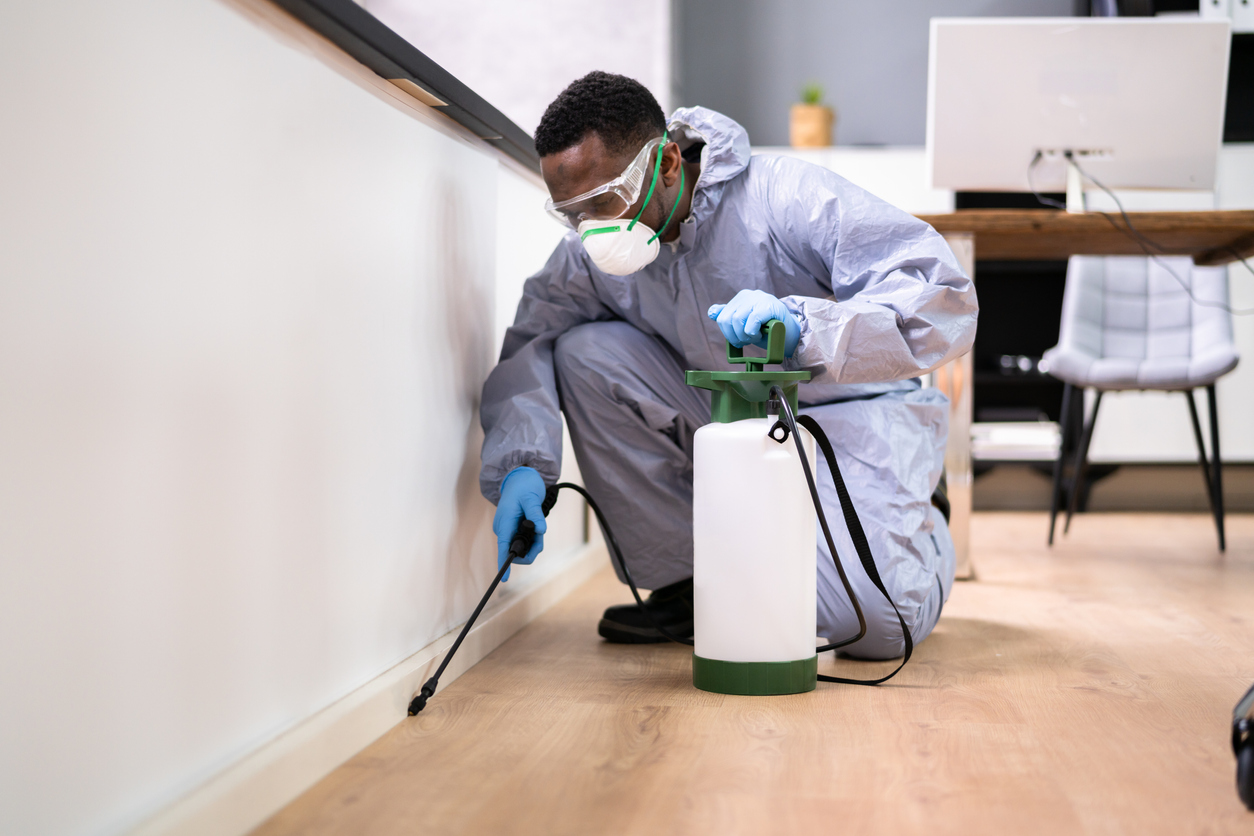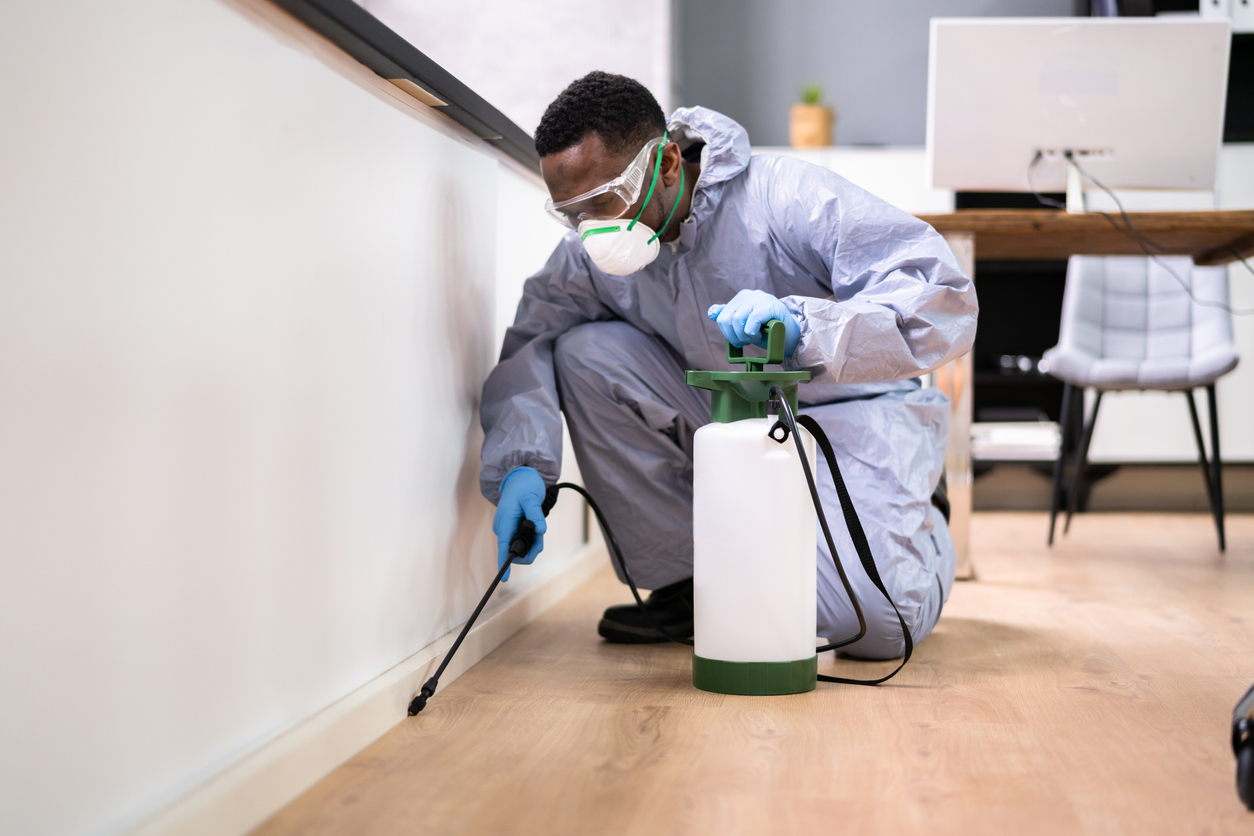


Living at the coast has a special kind of comfort. The air is warm, the ocean breeze comes through the windows, and evenings in places like Nyali, Kilifi, Shanzu, Diani, and Mtwapa have a relaxed feel that is hard to find elsewhere. But that same coastal weather that makes life enjoyable also creates perfect conditions for pests.
If you have lived in Bamburi, Tudor, Likoni, Kikambala, Mtwapa, Kilifi Town, or Bofa, you probably know the story. Mosquitoes seem active almost all year. Cockroaches keep returning even after using shop sprays. Termites attack door frames, cabinets, makuti, and wooden beams faster than expected. Ants appear in kitchens, rats move through ceilings, and damp cupboards attract tiny pests you may not even recognise at first.
Fumigation for coastal homes Mombasa Kilifi residents need is different from pest control in Nairobi, Nakuru, or Eldoret. The coast has higher humidity, warmer temperatures, salt air, open-style buildings, and frequent moisture problems. Because of that, pest control cannot be treated as a once-a-year emergency. It needs a practical, regular plan that includes the house, compound, drainage, roof spaces, and common areas where pests breed.
Why Coastal Homes Have More Pest Pressure
The coast gives pests almost everything they need: warmth, moisture, shelter, and food. Unlike colder areas where some pests slow down during chilly months, Mombasa and Kilifi remain warm for most of the year. This means pests breed faster and stay active longer.
Humidity is a major factor. Bathrooms stay damp. Wardrobes can feel musty. Kitchen cabinets absorb moisture. Stores may smell heavy during rainy periods. Dampness supports cockroaches, termites, silverfish, ants, mosquitoes, and mould-related pests. Even if your house is clean, moisture alone can attract or support pest activity.
Building style also matters. Many coastal houses are designed to allow airflow. Wide windows, louvres, open eaves, verandas, gardens, makuti roofs, flat roofs, and open compounds help with heat, but they also create pest entry points. A house built to breathe can also allow mosquitoes, ants, roaches, rats, and bats to find their way in.
Salt air adds another challenge. It corrodes metal fittings, weakens some fixtures, and can create small gaps around doors, windows, roof edges, and drainage areas. Those gaps may look minor, but pests use them like shortcuts. Kwa coast, pest control is not just spraying. It is sealing, drying, clearing, trimming, and maintaining.
Mosquitoes: A Year-Round Coastal Problem
Mosquitoes are one of the most common pest complaints in Mombasa and Kilifi. In some upcountry areas, mosquitoes become worse mainly after rains. At the coast, they can be active almost throughout the year because warmth and humidity remain steady.
Stagnant water is the main issue. Old tyres, blocked gutters, open drums, water tanks, plant pots, construction materials, potholes, flat roofs, boat yards, coconut shells, and drainage channels can all hold enough water for mosquito breeding. You do not need a swamp for mosquitoes to multiply. A small amount of standing water can be enough.
Areas like Kisauni, Likoni, Bamburi, Mtwapa, Kilifi Town, and parts of Tudor may experience mosquito pressure because of drainage, water storage, vegetation, or nearby open spaces. In coastal homes with gardens, mosquitoes may rest in hedges, shaded corners, and damp outdoor areas during the day.
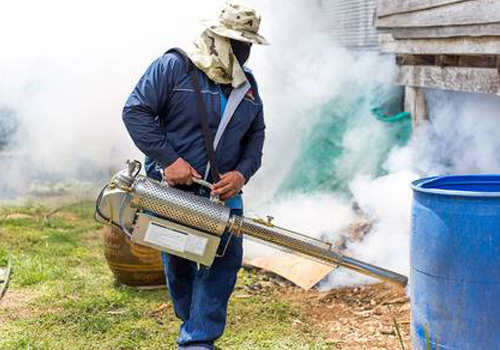
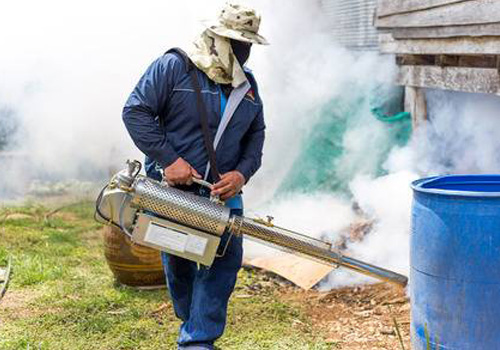
Fumigation or fogging can reduce adult mosquitoes, but it will not solve the problem if breeding sites remain. The best approach is to combine fogging with drainage control, gutter cleaning, covering water containers, clearing bushes, and removing anything that holds water. Hii ni vita ya compound mzima, not just bedroom spray.
Cockroaches: Coastal Heat Makes Them Harder to Control
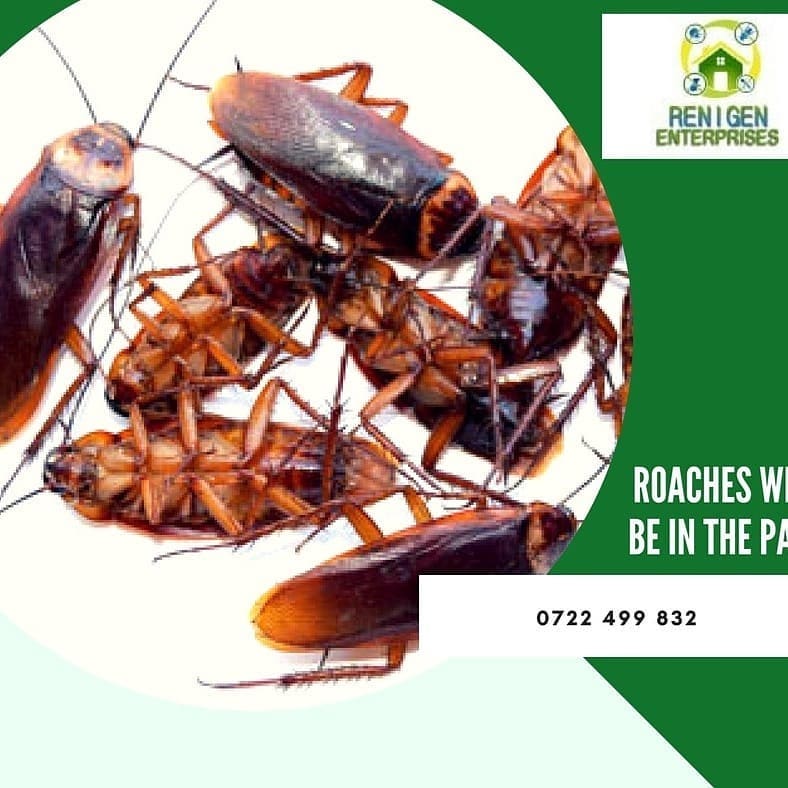
Cockroaches thrive in coastal homes because they love warmth, moisture, food, and dark hiding places. Mombasa and Kilifi have both small German cockroaches and larger American cockroaches. The small ones often hide in kitchens, cabinets, appliances, and drawers. The larger ones often come from drains, sewers, manholes, and outdoor spaces.
In places like Tudor, Likoni, Majengo, Saba Saba, Bamburi, and parts of Mtwapa, drainage can contribute heavily to roach problems. During rains, water can disturb sewer and drain systems, pushing roaches into bathrooms, kitchens, and ground-floor units. In apartment blocks, they may move through shared pipes and drainage gaps.
Humidity also helps cockroach eggs survive. A small issue can become a serious infestation if food crumbs, damp cabinets, leaking pipes, or dirty drains are ignored. Roaches may hide behind fridges, under cookers, around gas cylinders, behind wooden cabinets, and inside wall gaps.
For coastal cockroach control, spraying alone is rarely enough. A proper treatment may include gel bait, drain treatment, crack-and-crevice application, cabinet treatment, and follow-up. The home should also be kept dry where possible. Fix leaking sinks, wipe grease, remove food waste daily, and seal gaps around pipes.
Termites: A Serious Threat to Coastal Homes
Termites are one of the most expensive pest problems at the coast. Warmth and moisture allow them to feed and spread quietly. By the time you notice damage, they may already have affected door frames, cabinets, skirting boards, ceiling timber, makuti structures, wooden furniture, or roof beams.
Coastal homes may deal with both subterranean termites and drywood termites. Subterranean termites come from the soil and often attack timber connected to the ground or foundations. Drywood termites can live inside the wood itself, which makes them harder to detect early.
Older houses in Old Town, Tudor, Ganjoni, Malindi, Kilifi, and coastal villages with wooden beams or makuti roofing may be more exposed. New developments in Vipingo, Kikambala, Shanzu, and Mtwapa are not immune either, especially if soil treatment or timber treatment was skipped during construction.
Termites often become visible after rains when winged termites swarm around lights. If you see many wings near windows, doors, verandas, or lights, do not ignore them. It may mean termites are active nearby.
Termite treatment is not ordinary fumigation. Surface spraying will not solve a colony hidden in soil or timber. A professional may need to inspect, identify the termite type, treat soil, drill where necessary, apply wood treatment, or set bait systems. For coastal homes, termite inspection should be part of routine maintenance, not something done only after a door frame collapses.
Ants and Sugar Ants in Coastal Kitchens
Ants are common in coastal homes, especially where gardens, damp soil, and food sources are nearby. Small sugar ants may invade kitchens, cupboards, dining areas, and stores. Larger ants may move through compounds, verandas, bathrooms, and wall gaps.
During dry spells, ants may enter homes looking for water and food. During heavy rains, their outdoor nests may flood, pushing them indoors. Sugar, honey, fruit, bread, oil, pet food, and food crumbs can attract them quickly.
The problem with ants is that surface spraying often gives temporary results. You kill the ants you see, but the colony remains active outside or inside a wall crack. Baiting and entry-point treatment usually work better. Food storage also matters. In coastal humidity, food should be stored in airtight containers, not loose packets or paper bags.
For homes in Nyali, Diani, Kilifi, Mtwapa, and Bamburi with gardens, ant control should include outdoor inspection. If nests are in the compound, treating only the kitchen may not work for long.
Rats, Bats, and Roof Pests
Many coastal homes have roof spaces, makuti sections, ceiling gaps, stores, gardens, fruit trees, and nearby open land. These can attract rats, mice, bats, and other vermin. Roof rats may move through ceilings at night, leaving droppings, smells, and scratching sounds. Bats may enter roof spaces, especially in older homes or houses near trees, beaches, or quiet compounds.
Urban areas with poor garbage handling may also attract sewer rats. In parts of Mombasa where waste and drainage are not well managed, rats can move between homes, shops, drains, and stores. They chew wires, contaminate food, damage packaging, and create stress for families and businesses.
Rodent control at the coast should focus on proofing. This means sealing holes, repairing vents, covering drains, managing garbage, trimming vegetation, and storing food properly. Poison alone is not enough, and it can be risky in homes with children, pets, or open compounds.
Bats should be handled carefully. They should not simply be trapped inside or disturbed without a plan. A professional should identify entry points and advise on safe exclusion.
Silverfish, Booklice, and Dampness-Related Pests
Coastal humidity also brings pests that many people upcountry rarely discuss. Silverfish, booklice, and other tiny dampness-related pests may appear in wardrobes, bookshelves, stores, boxes, photo albums, wallpaper, and cupboards.
Silverfish feed on paper, glue, starch, and fabric fibres. Booklice thrive where moisture and mould are present. They may not bite, but they are a sign that the house is too damp. If ignored, the same dampness can also attract cockroaches and encourage mould.
To manage these pests, improve ventilation, reduce clutter, sun-dry stored items, use sealed plastic containers instead of cardboard boxes, and keep wardrobes dry. In very damp homes, moisture control may be more important than spraying.
How Fumigation Works Differently at the Coast
At the coast, fumigation should be more regular and more preventive. In many Mombasa and Kilifi homes, preventive fumigation every three to four months is more realistic than waiting six months or a full year. Pests breed quickly because there is no long cold season to slow them down.
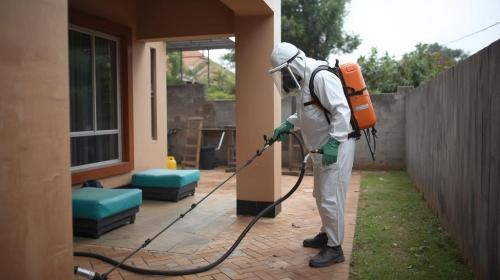
Outdoor areas matter more at the coast. Gardens, drains, hedges, gutters, roof spaces, garbage corners, and water-holding areas must be included. If you only spray the kitchen but mosquitoes are breeding in the compound and roaches are coming from drains, the pests will return quickly.
Morning fumigation is usually better. Closing a coastal house at midday can make it hot, uncomfortable, and heavy with chemical smell. Early morning treatment gives the house time to settle and ventilate before evening. This is especially important for homes with children, elderly people, pets, or asthmatic family members.
The right chemical choice also matters. Coastal humidity and salt air may affect how long some treatments remain active. A reliable provider should understand which products and methods work in humid conditions, and should not use a generic Nairobi-style approach for every home.
Estate Realities in Mombasa and Kilifi
Nyali, Shanzu, and Bamburi have a mix of flats, villas, maisonettes, and gated courts. Common problems include mosquitoes from gardens and flat roofs, roaches from drainage, ants in kitchens, and termites in wooden fittings. Shared drainage and garbage areas should be treated alongside individual homes.
Tudor, Kizingo, and Ganjoni have many older buildings with high ceilings, timber, old plumbing, and hidden gaps. Termites, drywood pests, drain roaches, mosquitoes, and roof pests can be common. Treatment should include wood inspection, drainage attention, and ceiling checks.
Likoni, Mtongwe, and Shelly Beach may experience heavier mosquito and sewer roach pressure because of water proximity, drainage challenges, and flooding during rains. Community-level drainage and garbage management can make a big difference.
Mtwapa and Kikambala have holiday homes, rentals, villas, and permanent residences. High guest turnover may increase bedbug risk, while gardens and humidity encourage mosquitoes, termites, and ants. Furnished rentals should be inspected before peak seasons and after guest complaints.
Kilifi Town, Bofa, and Vipingo have both old homes and new developments. Termites, ants, mosquitoes, roof rats, bats, and dampness-related pests may appear depending on building design and compound maintenance. Preventive inspections are important because new homes can still develop termite problems if soil or timber treatment was weak.
Common Mistakes Coastal Homeowners Make
One common mistake is spraying only when pests appear. At the coast, by the time you see one cockroach, there may already be many hiding. Preventive treatment is usually cheaper than waiting for a full infestation.
Another mistake is ignoring the outside. Mosquitoes, ants, rats, termites, and even cockroaches often begin outside the house. A clean kitchen will not stay pest-free if the compound has stagnant water, overgrown hedges, open bins, and untreated drains.
Some homeowners rely heavily on over-the-counter sprays. These may kill visible pests but rarely solve nests, eggs, colonies, or hidden breeding points. Repeated DIY spraying can also scatter pests deeper into walls and cabinets.
Fumigating at the wrong time is another issue. Midday treatment in a hot coastal house can make re-entry uncomfortable and may cause strong lingering smell. Morning is usually better.
Finally, many people forget moisture control. Damp wardrobes, leaking pipes, wet bathroom floors, and blocked gutters are not just maintenance issues. They are pest invitations.
Choosing a Fumigation Service for Coastal Homes
Not every fumigation provider understands coastal conditions. Before booking, ask whether they have experience with homes in Mombasa, Kilifi, Nyali, Bamburi, Mtwapa, Diani, Shanzu, or nearby coastal areas. Ask whether they treat outdoor spaces, drains, roof areas, and termite risks, not just indoor floors.
Ask what method they will use for your specific pest. Mosquitoes need breeding-site control and fogging where appropriate. Cockroaches may need baiting, drain treatment, and crack treatment. Termites need inspection and specialized treatment. Rodents need sealing and safe baiting. Fleas and bedbugs need follow-up where necessary.
Ask about safety, re-entry time, and aftercare. Coastal homes often need good ventilation after fumigation, and families should know what to wipe, what to leave, and when children or pets can return.
If you are unsure where to start, The Real Plug can help users find vetted fumigation professionals, pest control experts, and service providers in Kenya. This is useful when you need someone who understands coastal pest patterns, humidity, salt air, and local building styles.
Practical Prevention Tips for Coastal Homes
Keep gutters clear and check them after rain. Remove containers that collect water. Cover drums and tanks tightly. Trim hedges and avoid letting vegetation touch the house. Keep garbage bins closed and empty them regularly.
Fix leaks quickly, especially under sinks and in bathrooms. Ventilate wardrobes and stores. Use sealed containers for food instead of sacks or loose packets. Avoid storing cardboard boxes directly on the floor because they absorb moisture and attract pests.
Inspect timber regularly. Check door frames, skirting, roof beams, makuti sections, cabinets, and wooden furniture. If wood sounds hollow, has mud tubes, or sheds powder, call a professional.
For apartments, talk to the caretaker or management about shared drains, garbage points, staircases, rooftops, and common areas. Coastal pests often come from shared spaces, so solo fumigation may not solve the issue for long.
Final Thoughts
Fumigation for coastal homes Mombasa Kilifi residents need should be treated as regular home maintenance, not a last-minute emergency. The coast’s heat, humidity, salt air, open building designs, gardens, and drainage realities create year-round pest pressure. Mosquitoes, cockroaches, termites, ants, rats, bats, and dampness-related pests all thrive when moisture and warmth are available.
The best approach is preventive and practical. Fumigate regularly, preferably every three to four months for many homes. Inspect for termites before and after rainy seasons. Include outdoor areas, drains, roof spaces, and compounds in the pest control plan. Fix leaks, clear gutters, seal entry points, and manage garbage properly.
Coastal living is beautiful, but it comes with its own pest rules. Once you understand those rules, you can stop fighting the same pests every month and start managing your home in a way that keeps them out. The breeze can come in, yes, but the mosquitoes, roaches, termites, and rats do not have to come with it.