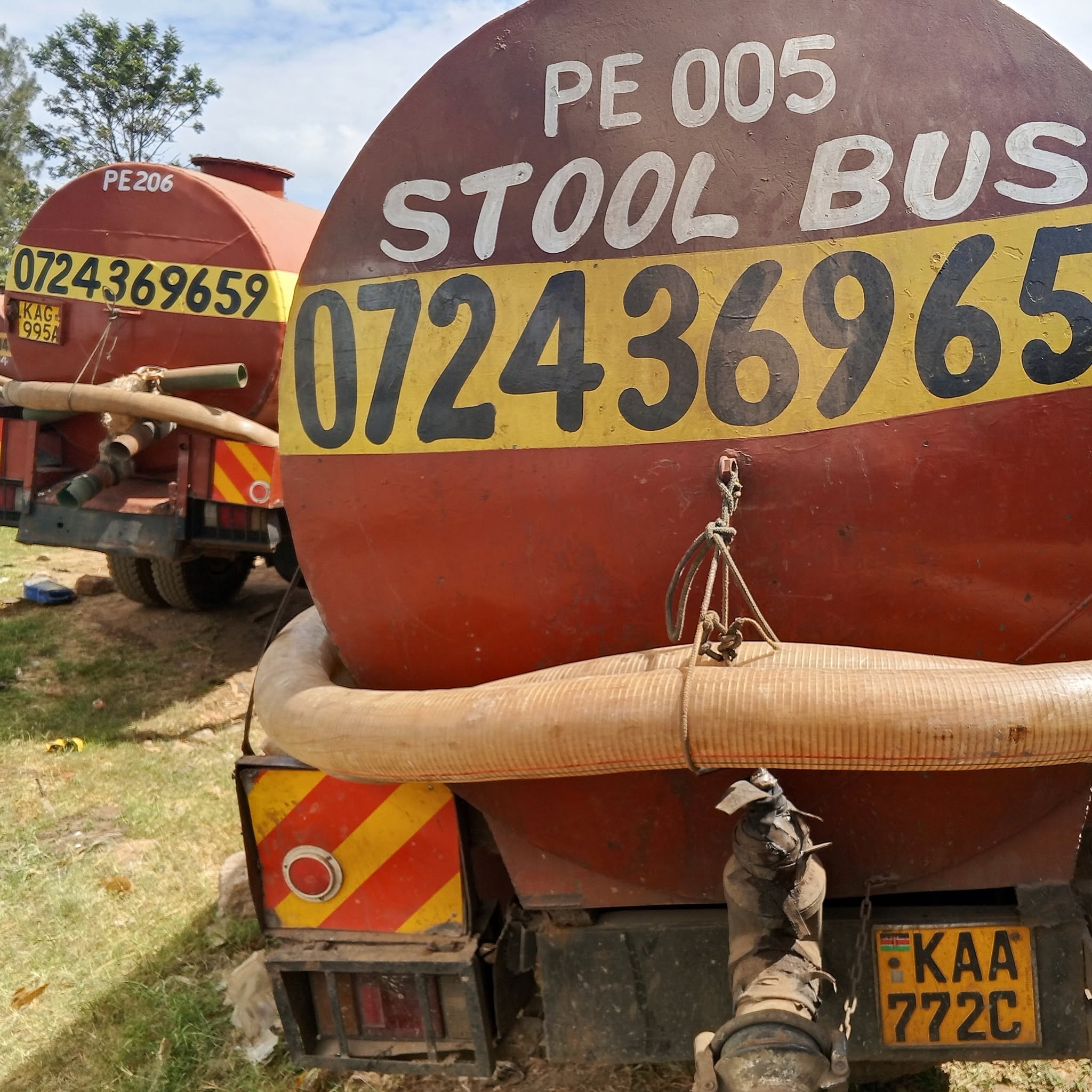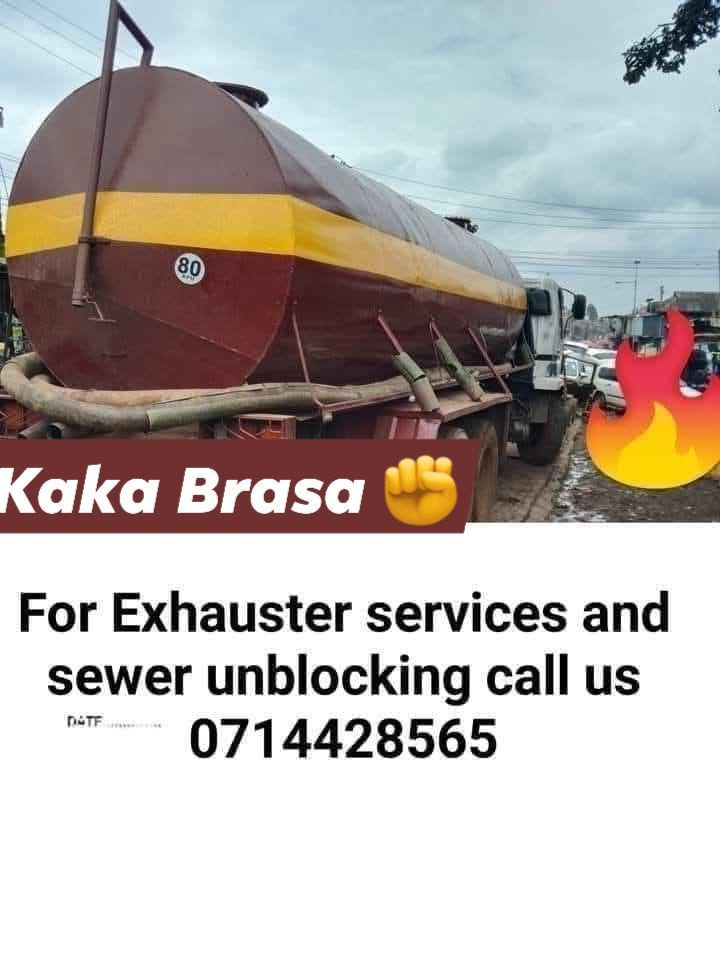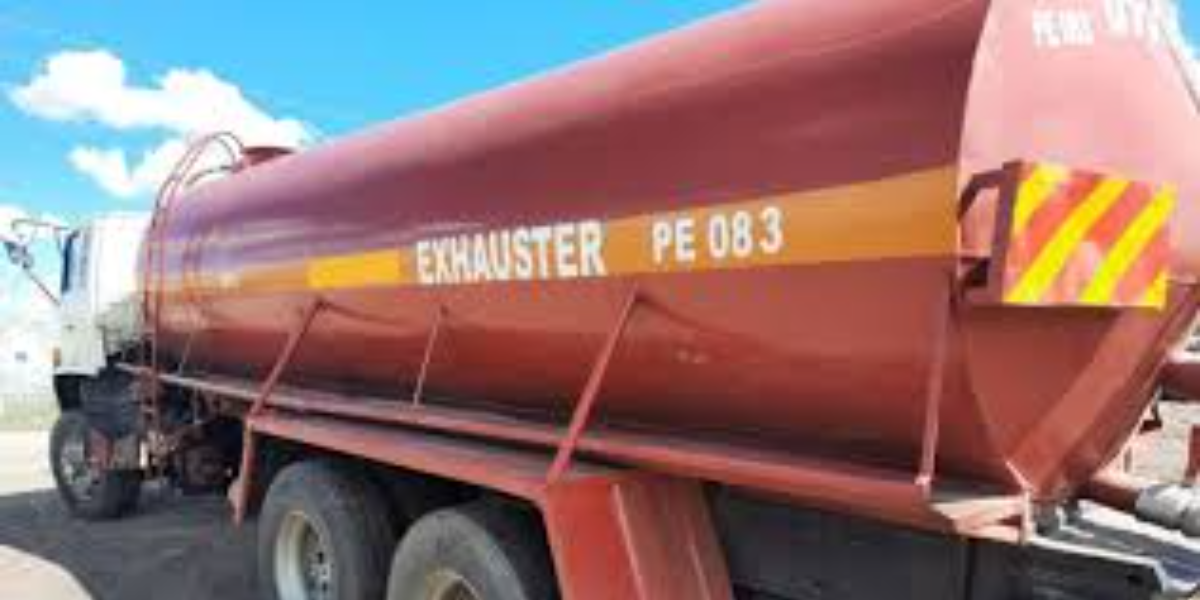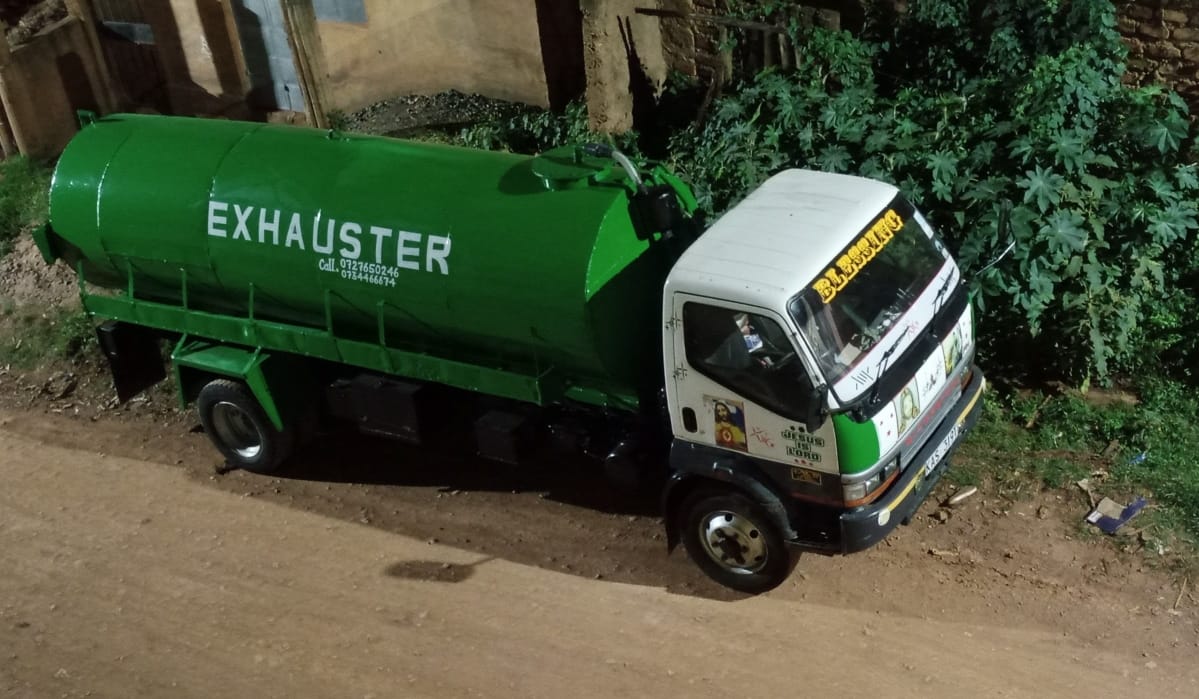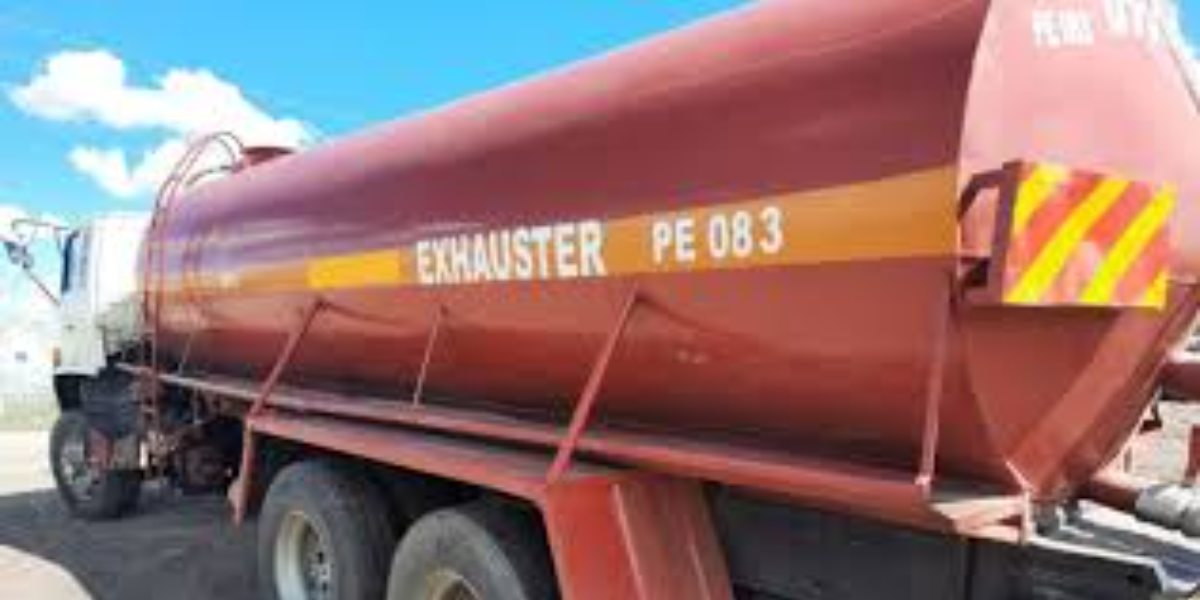


Exhauster services are one of those things many Kenyans don’t think about until the toilet refuses to flush, the compound starts smelling strange, or the caretaker knocks on every door asking tenants to contribute urgently. It is not a glamorous topic, but it is a very real part of everyday life in many homes, flats, schools, hotels, and businesses across Kenya.
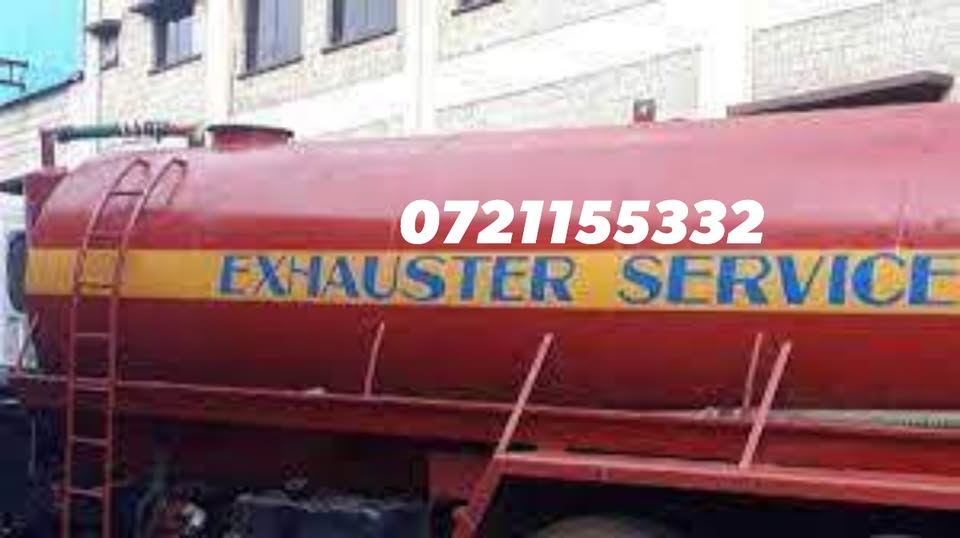
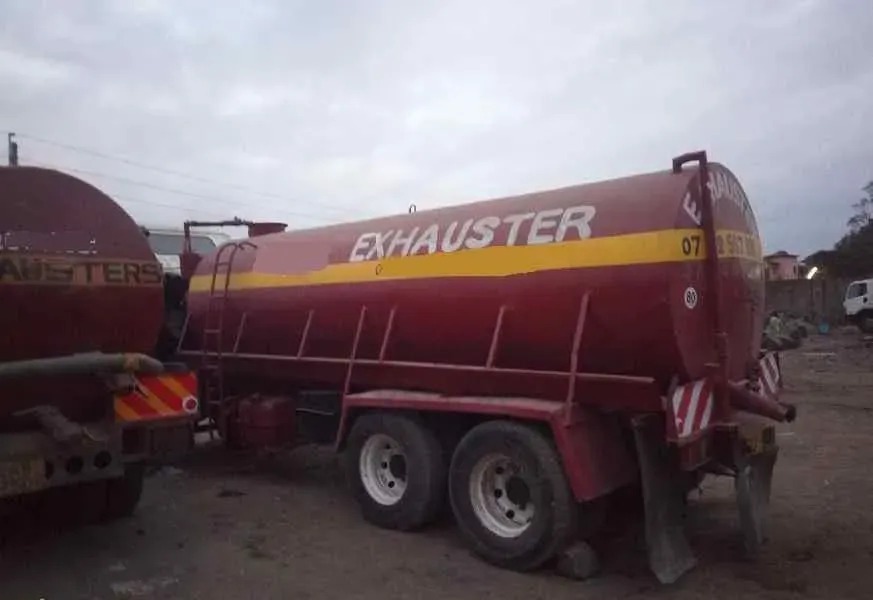
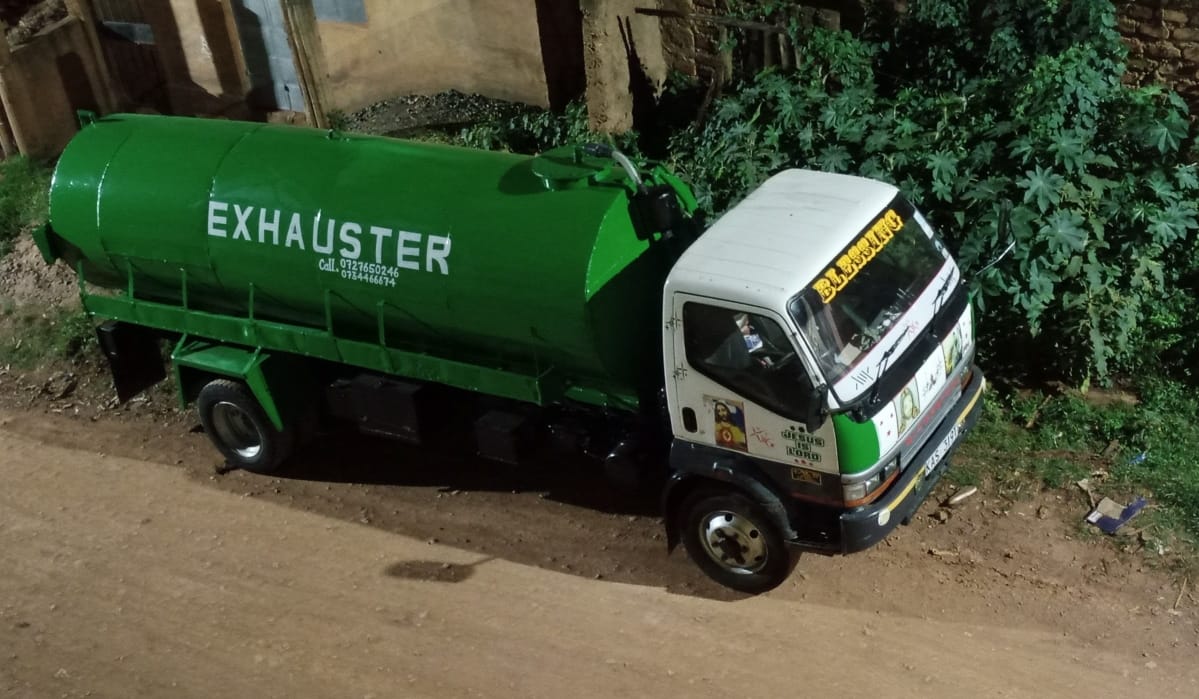
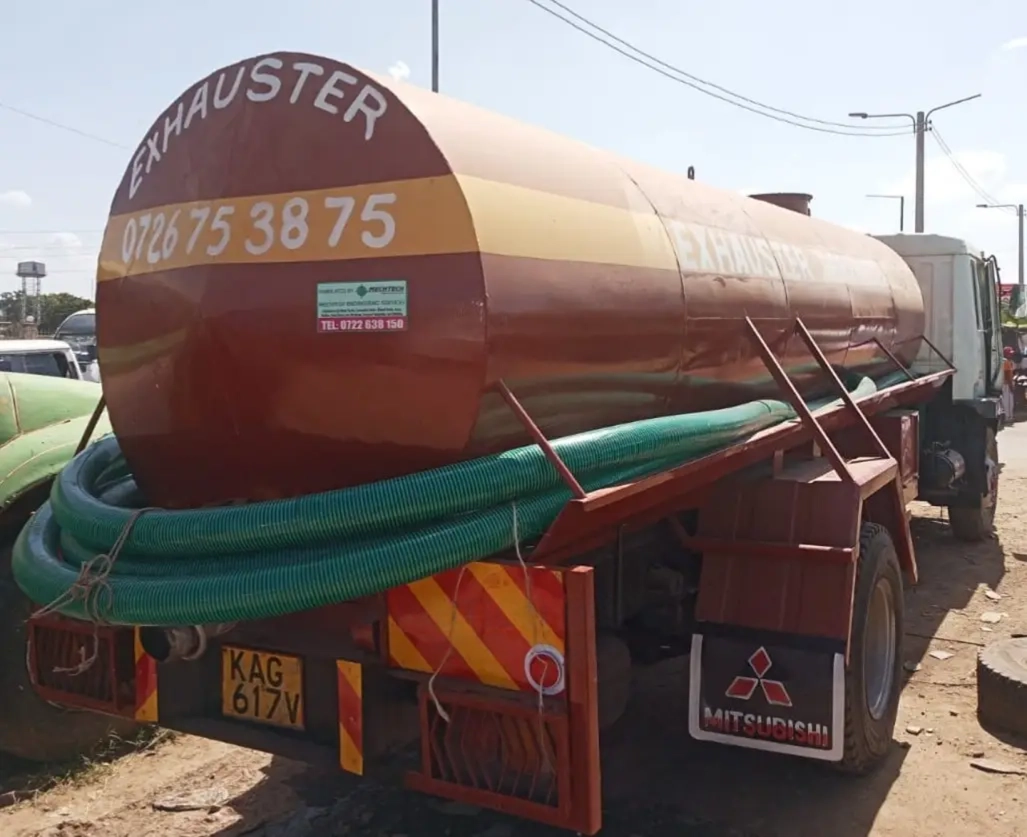
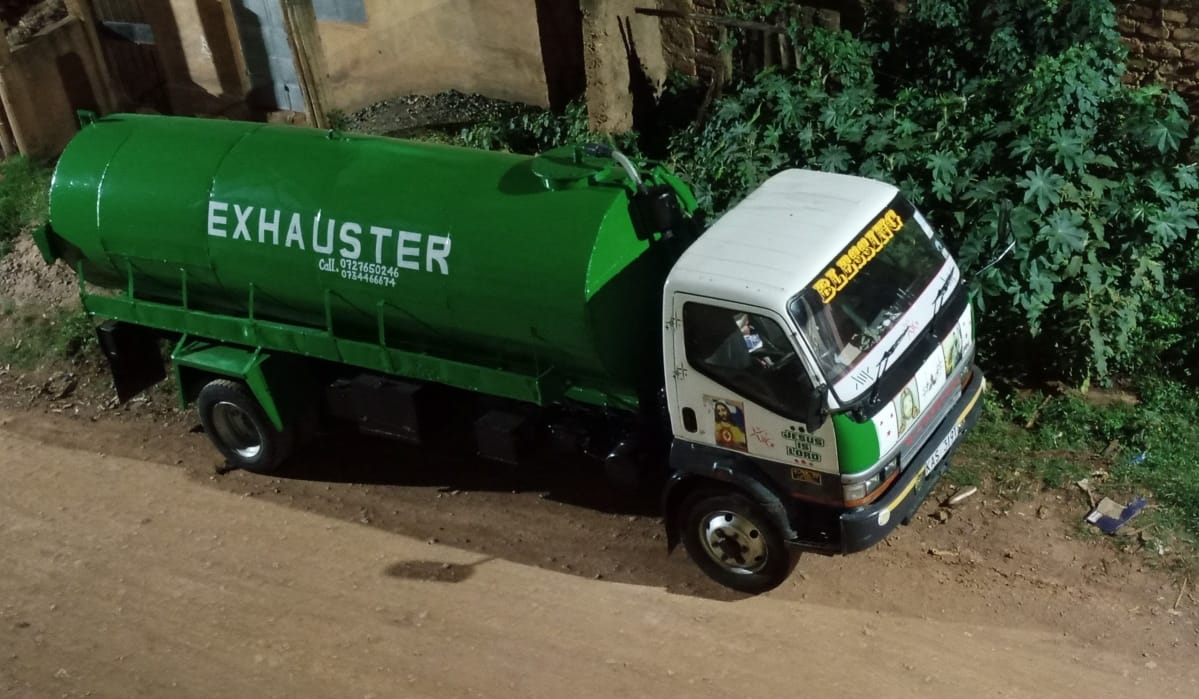
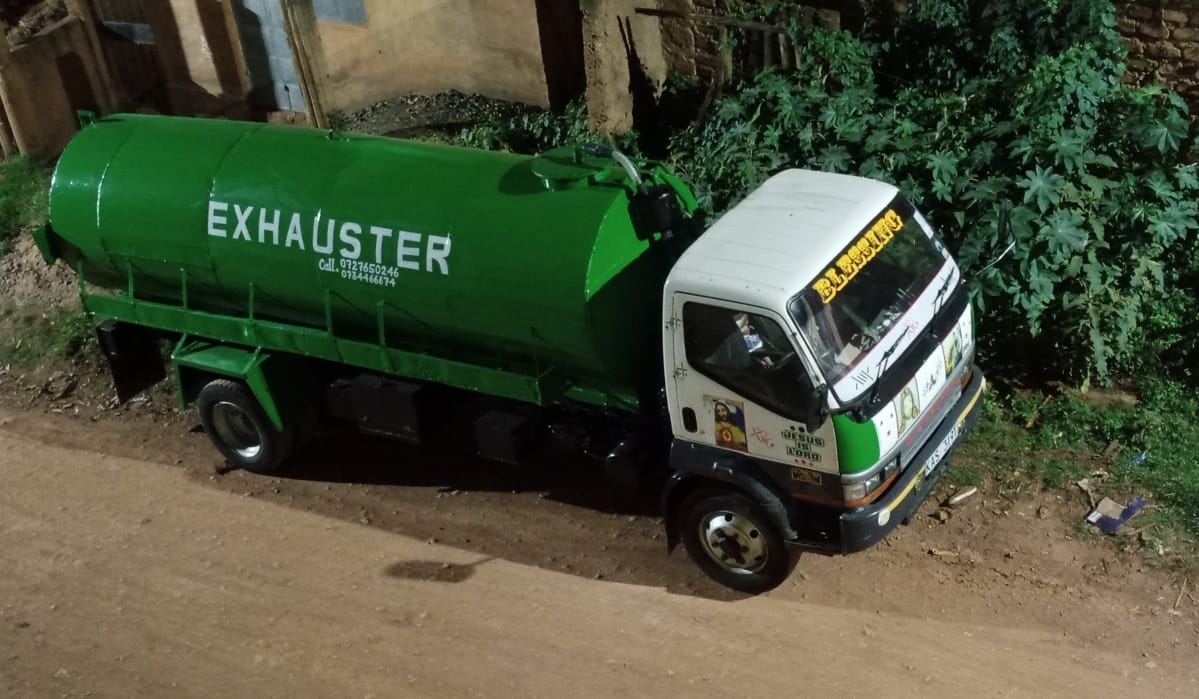
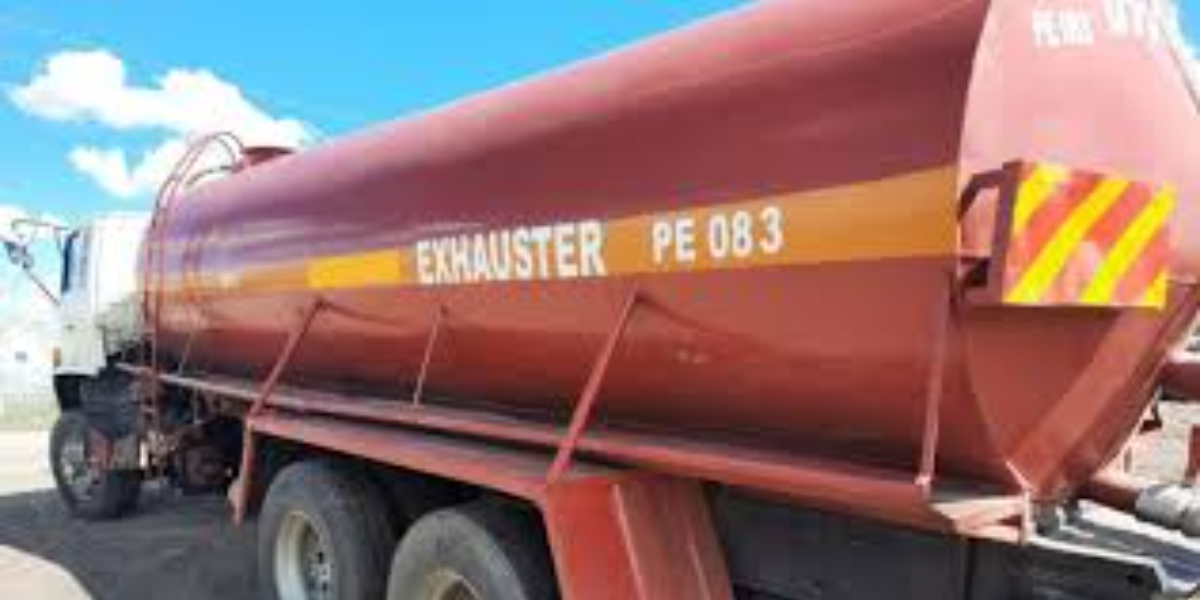
In simple terms, exhauster services involve removing wastewater, sludge, and human waste from septic tanks, pit latrines, biodigesters, soak pits, and conservancy tanks. This is done using a vacuum truck, commonly called an exhauster, which pumps out the waste and transports it to an approved disposal or treatment facility.
For people living in areas connected to a main sewer line, waste disappears through the public sewer system. But in many places such as Kitengela, Rongai, Ruiru, Syokimau, Ngong, Juja, parts of Eldoret, Kisumu, Nakuru, and even some gated estates, properties depend on private underground waste systems. When those systems fill up, an exhauster service becomes necessary.
Why Exhauster Services Matter in Kenya
Kenya’s urban growth has moved faster than sewer infrastructure in many towns. New estates, apartments, schools, Airbnbs, hotels, and commercial buildings are coming up every year, but not all are connected to county sewer networks. This makes septic tanks and biodigesters common, especially in satellite towns and developing residential areas.
When these systems are not emptied on time, the results can be unpleasant and risky. Sewage can back up into bathrooms, leak into the compound, contaminate borehole water, attract flies, and create serious health concerns. In rental properties, it can quickly become a tenant complaint issue. For businesses, especially restaurants, schools, clinics, and guesthouses, poor sanitation can affect operations and even invite county health officers.
So, while an exhauster truck may look like just another noisy vehicle on the road, it plays an important role in public hygiene and environmental protection.
What Equipment Is Used in Exhauster Services?
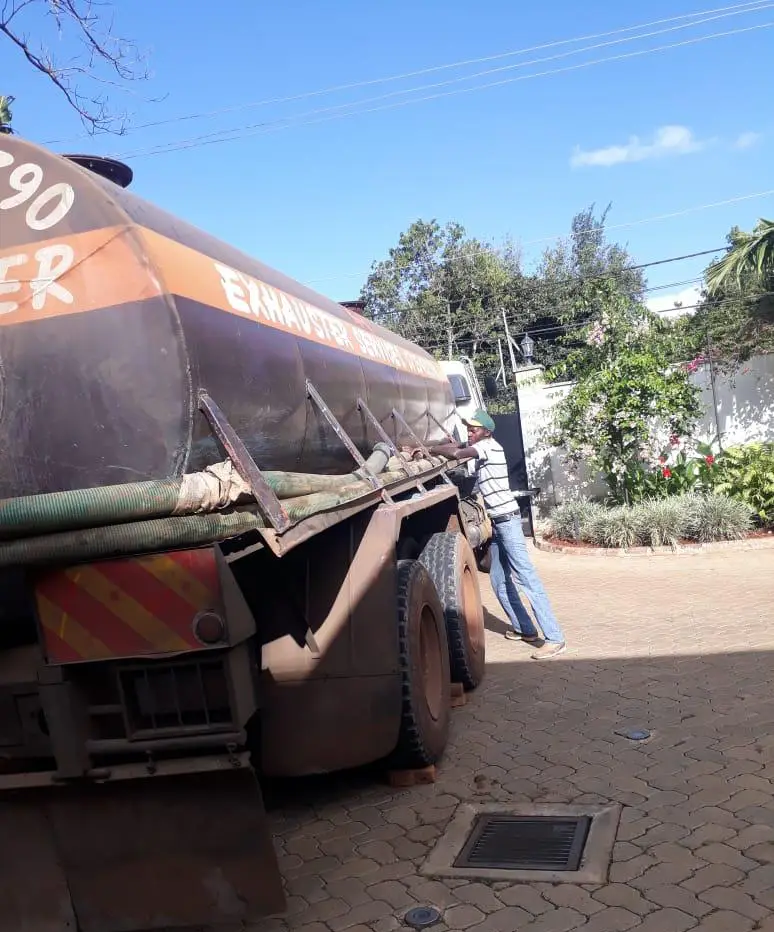
An exhauster truck is not just a normal lorry with a tank. It is fitted with a sealed waste tank, a vacuum pump, heavy-duty suction hoses, and valves that control waste flow. The vacuum pump creates pressure that pulls sludge and wastewater from the septic tank into the truck.
Most trucks in Kenya range from smaller 3,000-litre to 5,000-litre units to larger 8,000-litre and 12,000-litre trucks. Smaller trucks are useful in estates with narrow roads or tight gates, while bigger trucks are better suited for schools, factories, apartment blocks, malls, and hotels.
A proper crew should also arrive with protective gear such as gumboots, gloves, masks, overalls, tools for opening inspection covers, and disinfectant for cleaning the work area afterwards. This may sound obvious, but anyone who has dealt with casual service providers knows standards can vary widely.
How Exhauster Services Work Step by Step
1. Identifying the Need for Service
Most people call an exhauster when they notice signs that something is wrong. Common warning signs include slow flushing toilets, bad smells around the compound, gurgling sounds in drainage pipes, wet patches near the septic area, or sewage backing up into bathrooms.
However, waiting until things become urgent is not the best approach. Landlords, schools, hotels, and busy households should schedule regular septic tank emptying before a crisis develops. It is cheaper, cleaner, and less stressful.
2. Booking and Site Details
When you contact an exhauster provider, they should ask practical questions before giving a quote. These include your location, the estimated tank size, whether the truck can access the compound, how far the tank is from the parking point, and whether the tank has an inspection cover.
Access matters a lot. A tank located behind a house in a tight plot may need extra hose length. In areas with steep roads, muddy access, or narrow estate lanes, the job may take longer. This is why two homes with similar tank sizes can receive different quotes.
This is also the right time to ask where the waste will be disposed of. A professional provider should use approved disposal points, not dump waste in rivers, quarries, bushes, or open land.
3. Arrival and Setup
Once the truck arrives, the crew positions it as close as possible to the septic tank or pit. They then connect the hose, open the inspection cover, and prepare the vacuum pump.
If the tank was built without a proper access cover, the crew may need to carefully break part of the slab. This happens often in older homes and flats where septic access was not planned well. A serious provider will explain this before starting and should close or patch the opening after the job.
4. Pumping Out the Waste
The vacuum pump sucks waste from the tank into the sealed truck. A standard household tank may take around 20 to 40 minutes, depending on the sludge thickness, tank size, hose distance, and equipment strength.
Pit latrines and older septic systems may take longer because the sludge can be thick and compacted. In some cases, water may be added to loosen the waste before pumping. Experienced operators know how to manage suction pressure to avoid damaging weak or old tanks.
5. Cleaning and Sealing the Area
After pumping, the crew should rinse the immediate area, remove the hose carefully, disinfect where necessary, and close the inspection cover properly. You should not be left with an open slab, exposed waste, or a strong smell lingering unnecessarily.
For businesses, schools, and institutions, it is wise to ask for a receipt, job card, or disposal note. These records can help during health inspections, landlord-tenant disputes, or internal maintenance planning.
6. Transporting Waste for Proper Disposal
The final part happens away from your property, but it is very important. The waste should be transported to an approved treatment facility or county disposal site. Illegal dumping is harmful and can expose both the provider and property owner to penalties.
This is why hiring the cheapest person without asking questions can backfire. A low quote may mean corners are being cut somewhere, especially on disposal.
Who Needs Exhauster Services?
Homeowners
If your home uses a septic tank, biodigester, soak pit, or pit latrine, you will need exhauster services at some point. The frequency depends on the number of people in the household, tank size, water usage, and the type of system installed.
A large family in Kitengela may need service more often than a retired couple in Nanyuki. Homes with many visitors, domestic workers, or rental extensions also fill tanks faster.
Landlords and Property Managers
For landlords, septic problems are not just an inconvenience. They can affect tenant satisfaction, rent collection, property reputation, and maintenance costs. In high-density areas, one full tank can disrupt many households at once.
Smart landlords keep a service schedule instead of waiting for complaints. This is especially important for apartments, hostels, bedsitters, and shared compounds.
Schools and Institutions
Boarding schools, colleges, children’s homes, churches, and hospitals generate large volumes of wastewater. Many institutions prefer scheduled exhauster services during holidays or low-traffic periods to avoid disrupting daily activities.
For schools, hygiene is not something to gamble with. A blocked or overflowing waste system can quickly become a public health concern.
Hotels, Restaurants, and Events
Hospitality businesses use a lot of water and produce steady waste throughout the day. Hotels, lodges, restaurants, bars, campsites, and event venues need reliable waste management, especially during weekends and peak seasons.
Outdoor events and construction sites using mobile toilets also depend on regular exhausting to keep facilities usable.
What Exhauster Services Do Not Usually Cover
An exhauster removes waste from a tank, but it does not automatically solve every drainage problem. If your pipes are broken, your toilet is blocked, your septic tank has collapsed, or tree roots have damaged the system, you may need a plumber, mason, or drainage contractor.
Also, standard domestic exhauster trucks are not meant for hazardous industrial chemicals, medical waste, fuel, oil, or toxic sludge. Those require specialized licensed waste handlers.
How to Choose a Reliable Exhauster Provider in Kenya
A good provider should be clear, prepared, and professional. They should ask questions before quoting, explain their process, arrive with proper equipment, and dispose of waste responsibly.
Ask whether they are licensed, where they dump the waste, whether cleanup is included, and whether they provide a receipt or disposal note. Do not rely only on a random number painted on a wall or forwarded in an estate WhatsApp group.
For people who want a safer starting point, The Real Plug is useful because it connects users with vetted professionals across Kenya, including home and business service providers. It helps reduce the guesswork when you need someone reliable but do not have a trusted referral.
How Much Do Exhauster Services Cost in Kenya?
The cost varies depending on location, tank size, truck size, access, urgency, and disposal fees. A small residential job may cost less than a large apartment block or school requiring multiple trips.
Emergency night callouts, long hose distances, poor road access, and tanks that need breaking open can increase the price. Before confirming, ask what the quote includes. Does it cover opening the slab, cleanup, transport, and disposal? Getting this clarified early avoids arguments once the truck is already on-site.
Final Thoughts
Exhauster services may not be something people enjoy discussing, but they are essential in Kenya’s homes, businesses, and institutions. They keep compounds clean, protect public health, prevent expensive plumbing disasters, and support better environmental management.
The best approach is simple: do not wait for an emergency. Know your system, monitor warning signs, keep records, and work with providers who handle waste properly. A clean, well-maintained septic system is not just about comfort. It is about safety, dignity, and being a responsible property owner.