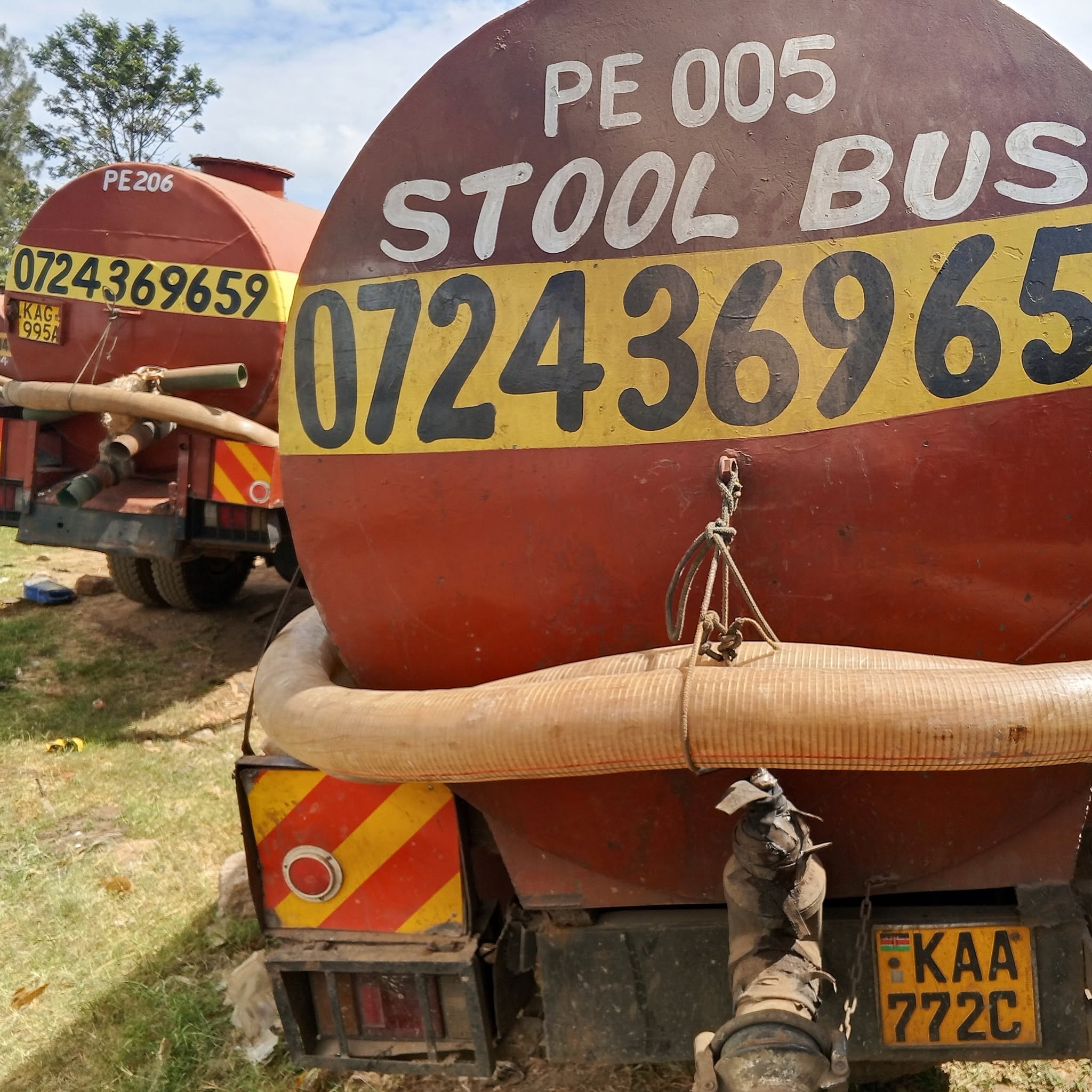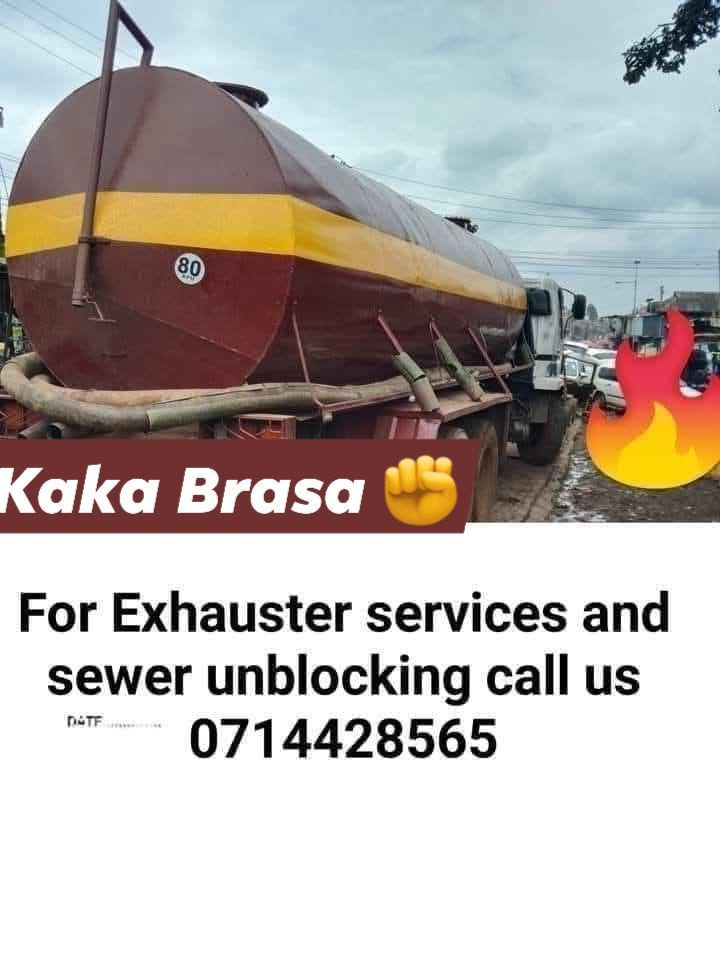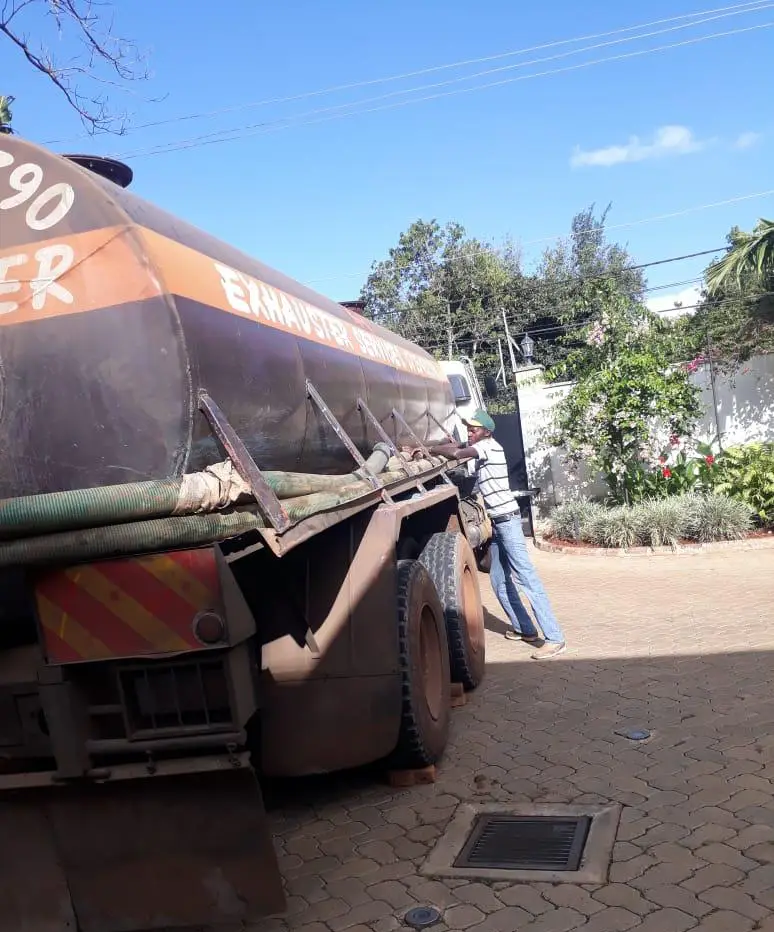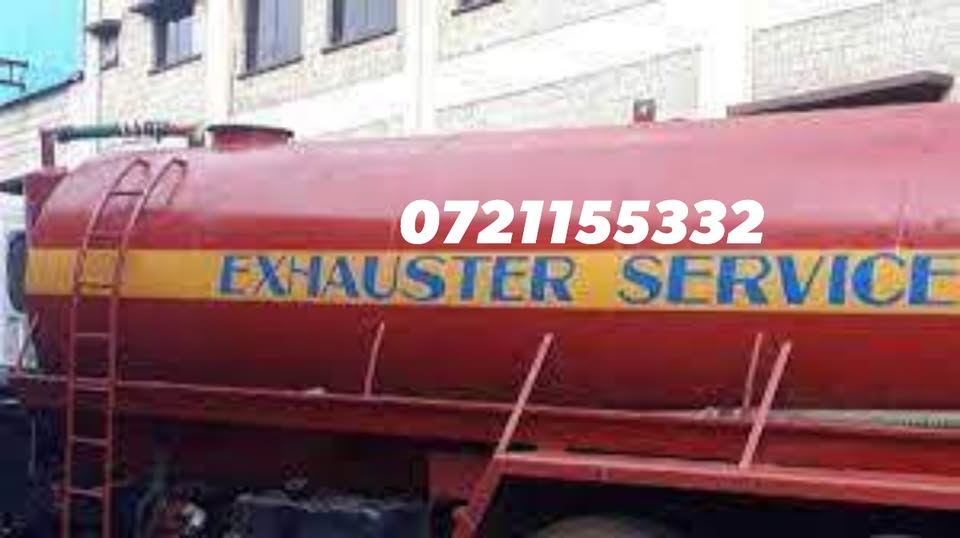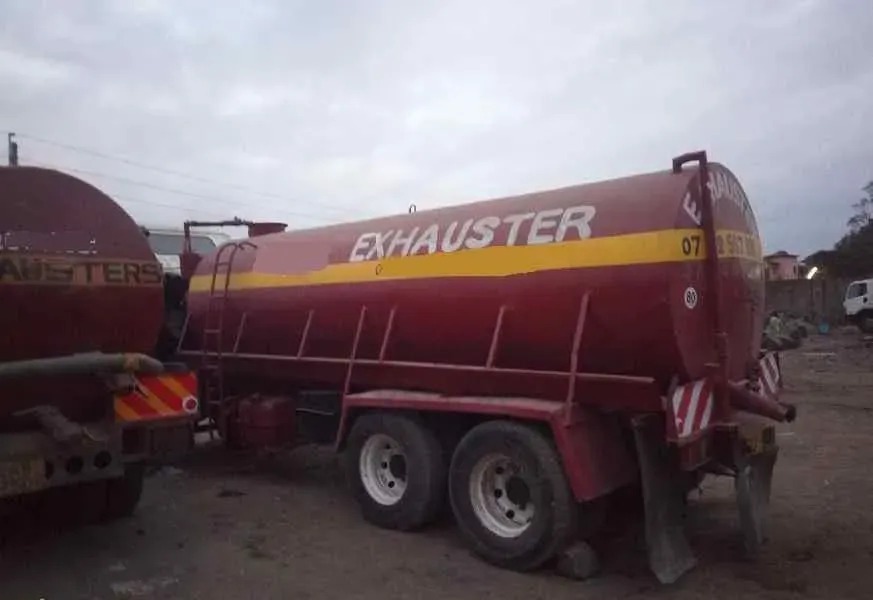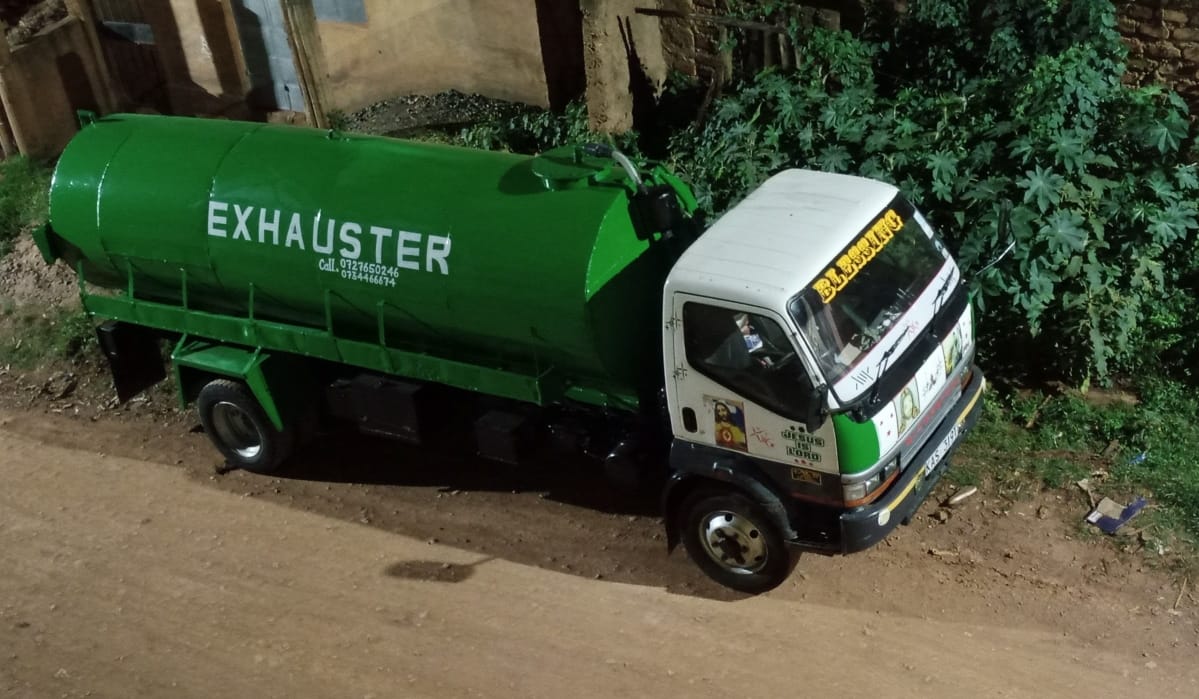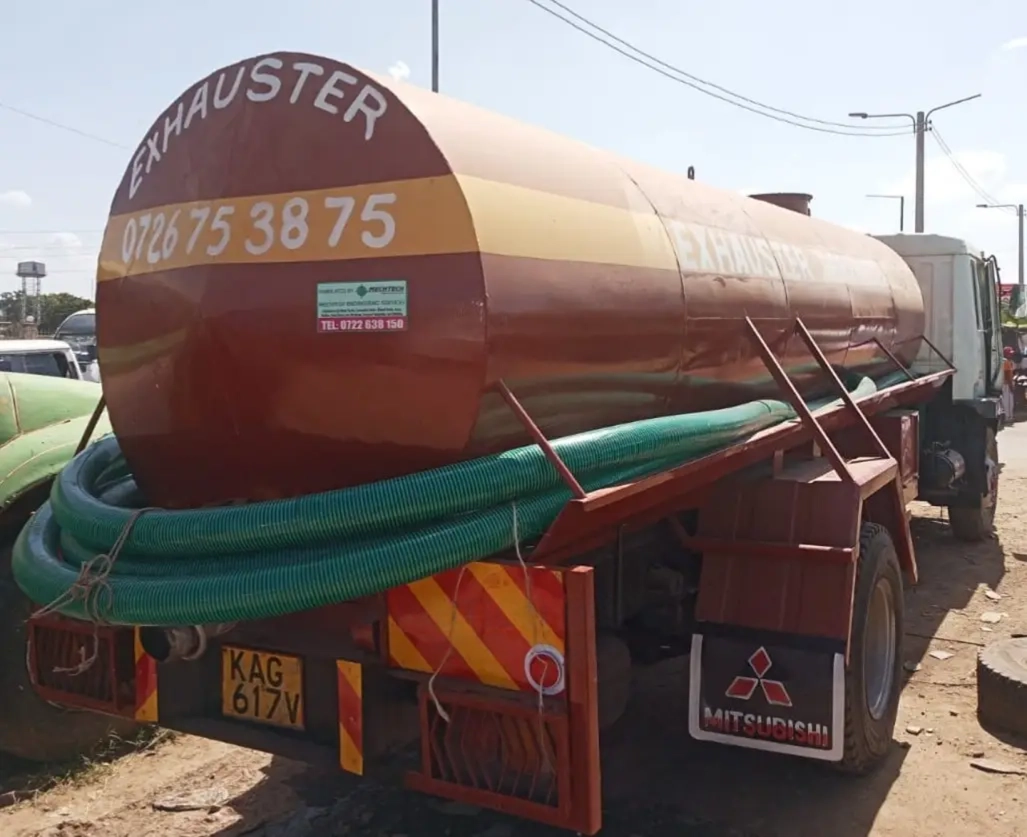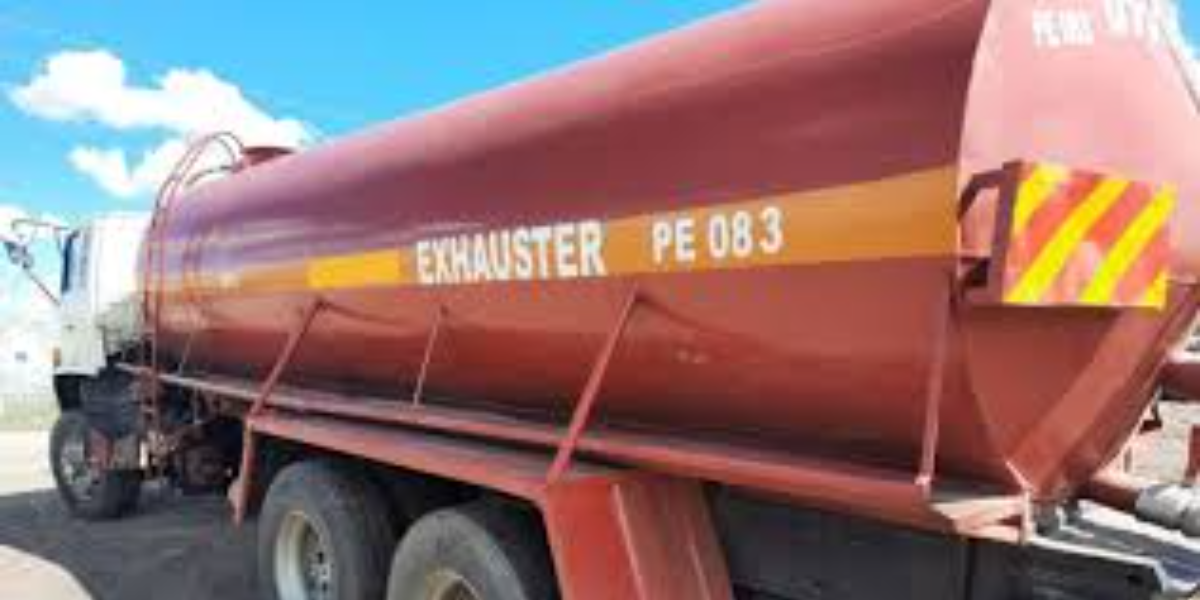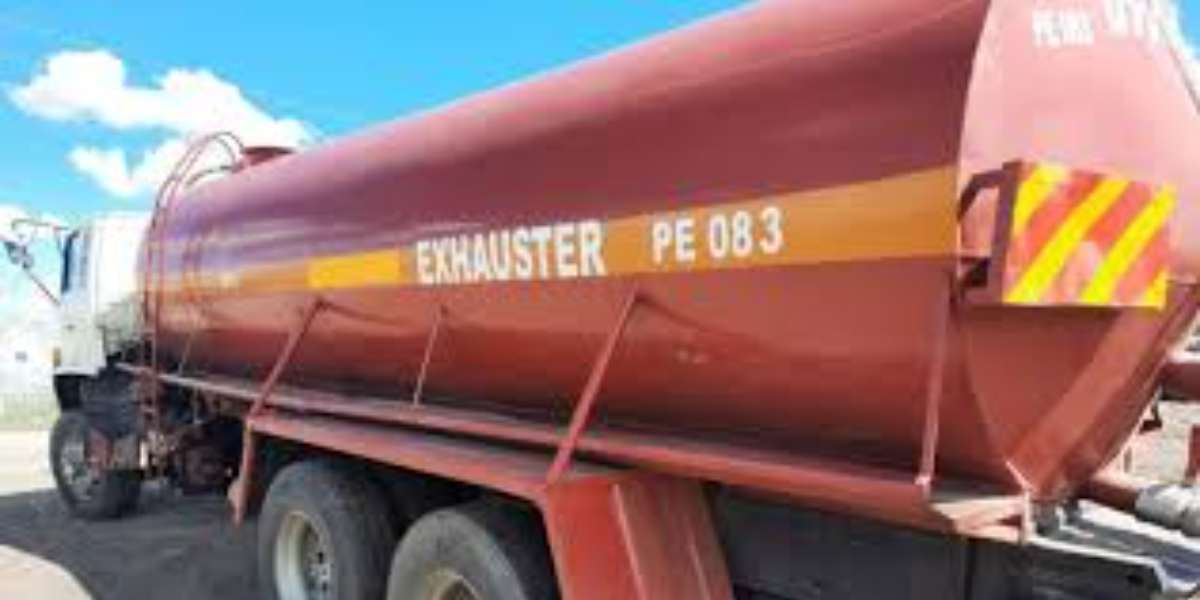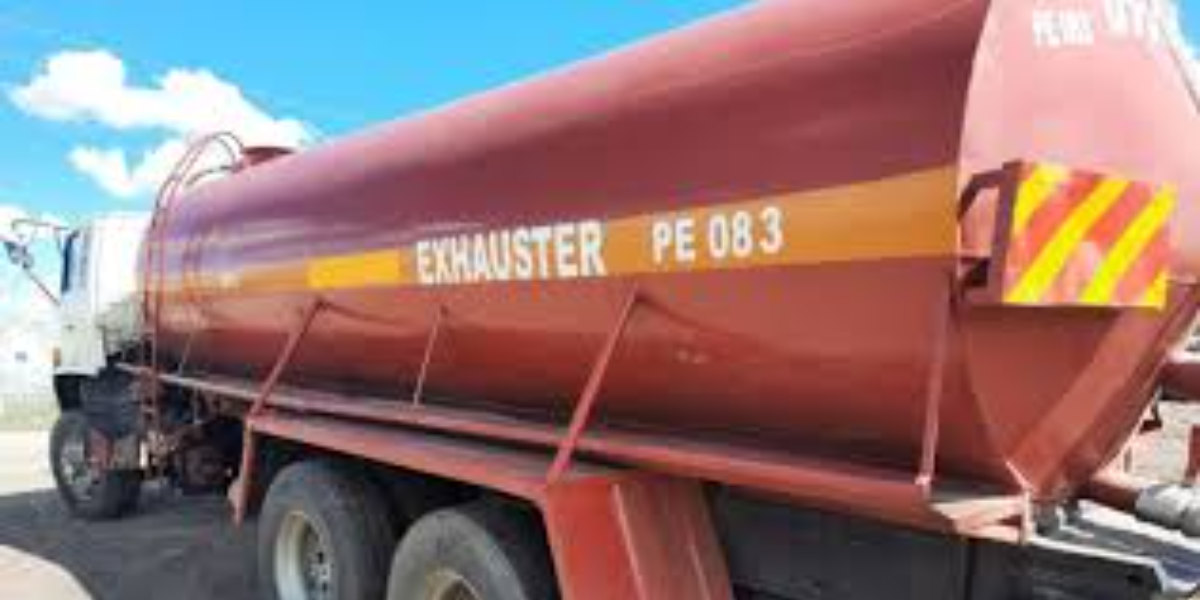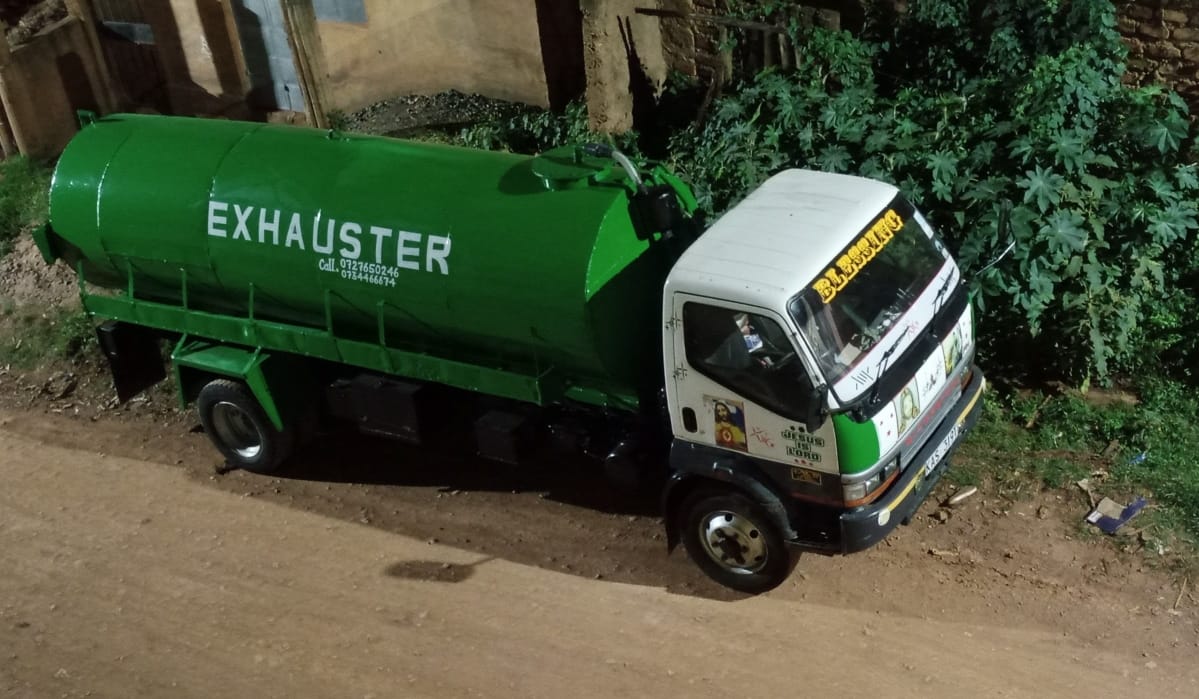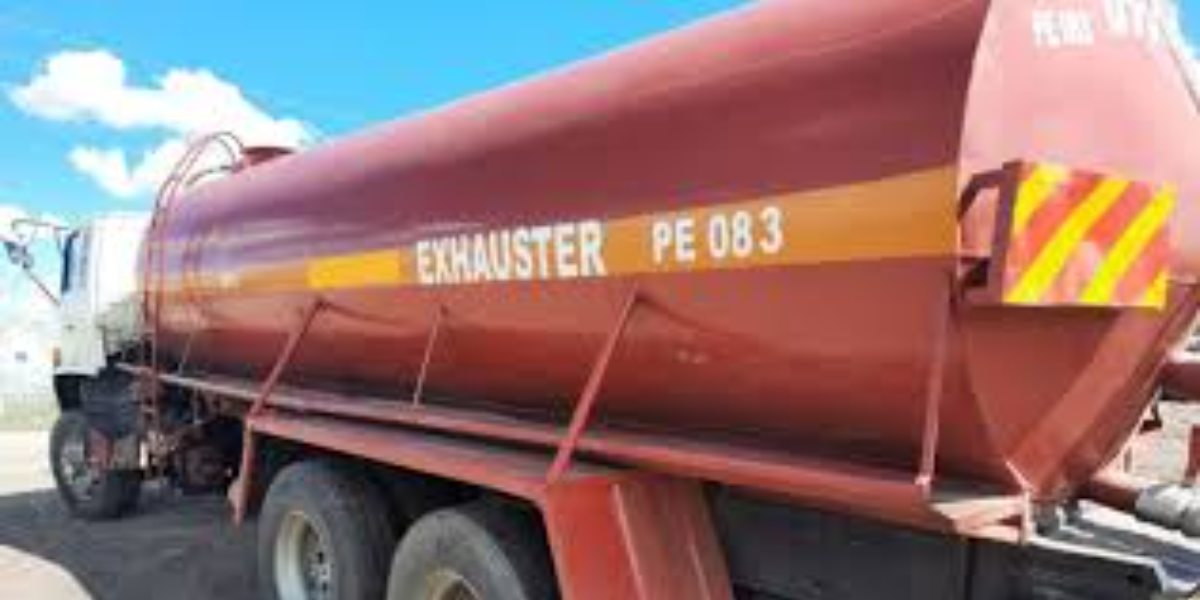


In Kenya, we have a way of giving practical things very local names. A vacuum truck, for example, is rarely called a vacuum truck. Most people know it as a honey sucker, and if you own a home, manage rentals, run a school, or operate a business that is not connected to a main sewer line, you will probably need one at some point.
The name may sound light-hearted, but the service itself is serious. Honey sucker services help remove wastewater, sludge, and human waste from septic tanks, pit latrines, biodigesters, soak pits, and conservancy tanks. When done properly, they protect homes, businesses, groundwater, and public health.
When done carelessly, they can create a health hazard, environmental problem, and even legal trouble.
What Is a Honey Sucker in Kenya?
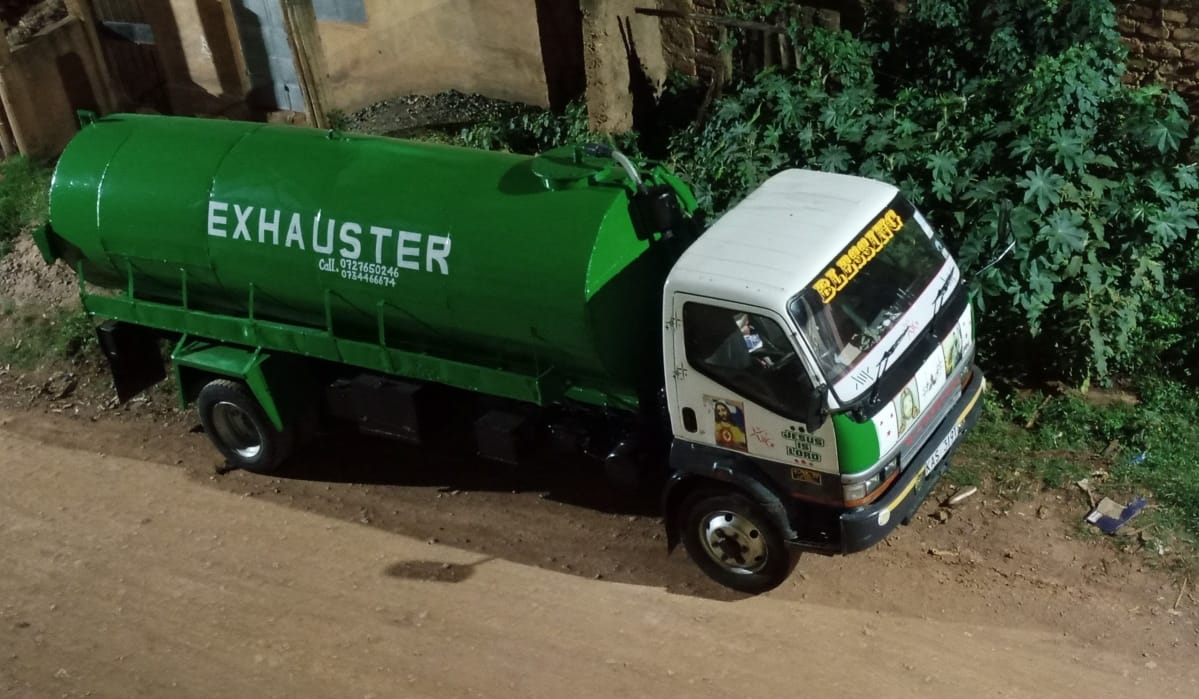
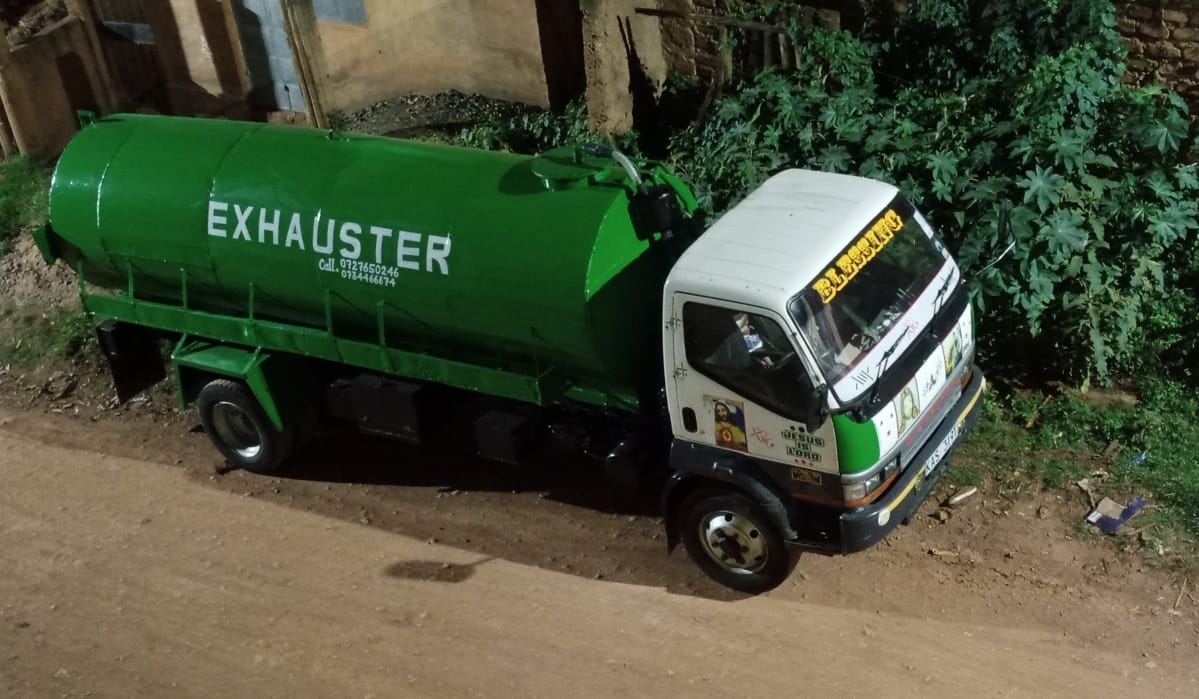
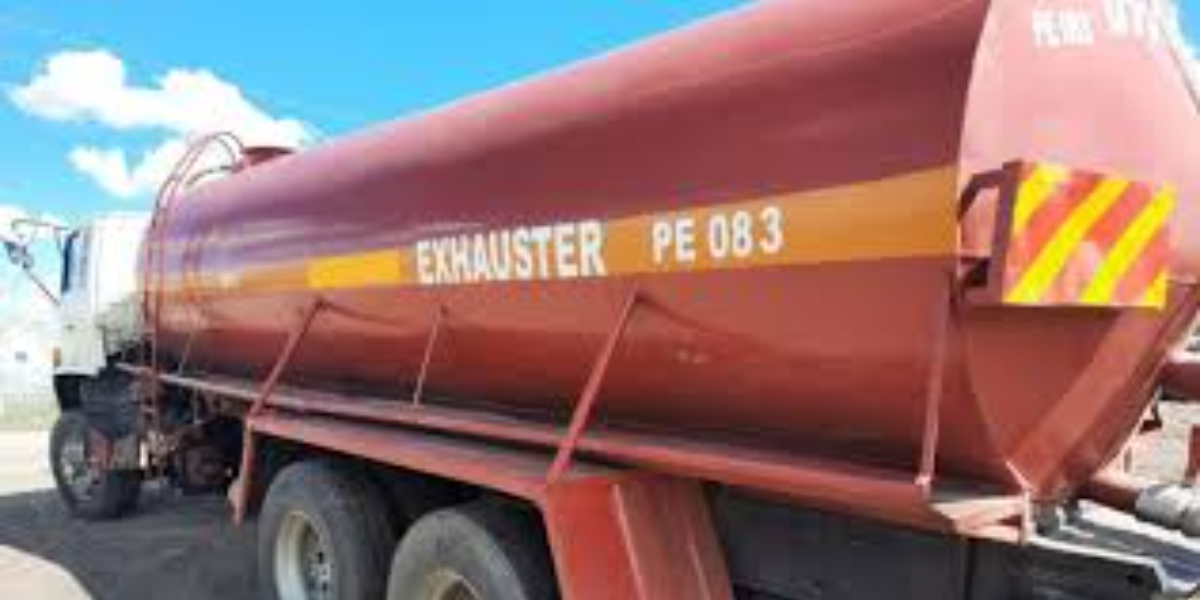
A honey sucker is a vacuum truck used to suck and transport liquid waste from underground waste systems. In most Kenyan towns, the terms “honey sucker” and “exhauster” mean almost the same thing.
Some people use “honey sucker” when talking about pit latrines and “exhauster” when talking about septic tanks, but on the ground, the same truck often handles both jobs. Whether you are in Ruiru, Kisumu, Mombasa, Kitengela, Eldoret, Nakuru, or Malindi, calling either name will usually bring a vacuum truck fitted with a tank, pump, and suction hose.
The truck uses a strong vacuum pump to pull waste through a thick hose into a sealed tank. The waste is then transported to an approved treatment or disposal facility.
What Are Honey Sucker Services Used For?
Honey sucker services are used anywhere waste has collected in a private or temporary sanitation system. This is common in many Kenyan homes and businesses because not every area is connected to a public sewer line.
Septic Tank Emptying for Homes
This is one of the most common uses. Many homes in places like Rongai, Ngong, Syokimau, Juja, Ruiru, Kitengela, Nanyuki, and parts of Karen depend on septic tanks.
Over time, sludge builds up in the tank. When it becomes too much, toilets may flush slowly, drains may gurgle, and bad smells may appear around the compound. A honey sucker removes the waste before it causes a bigger problem.
Pit Latrine Emptying
In peri-urban and rural areas, pit latrines are still widely used. When a pit fills up, digging a new one may not be possible, especially on small plots. A honey sucker can empty the pit and extend its use.
Pit latrine waste is usually thicker than septic tank waste, so the crew may need to add water or use special techniques before pumping.
Rental Properties and Hostels
Landlords and caretakers know how quickly shared waste systems can fill. A block of bedsitters or one-bedroom units can strain a septic tank faster than a single family home.
In busy rental areas, regular honey sucker services help avoid tenant complaints, blocked drains, and unpleasant smells.
Schools, Churches, and Institutions
Boarding schools, churches, colleges, children’s homes, and training centres often serve large numbers of people. Their tanks fill faster and require planned maintenance.
Many schools schedule honey sucker services during holidays to avoid disrupting students.
Hotels, Restaurants, and Event Venues
Hotels, lodges, restaurants, and event grounds produce high volumes of wastewater. Some also need grease trap cleaning because kitchen waste can block drainage systems.
For hospitality businesses, proper sanitation is not just about comfort. It affects customer experience, health inspections, and reputation.
Construction Sites and Outdoor Events
Mobile toilets at construction sites, weddings, political events, concerts, and festivals also require honey sucker services. Without regular emptying, temporary toilets can become unusable very quickly.
How Honey Sucker Services Work
The process is fairly straightforward, but a professional job should be organized and safe.
First, the provider asks about your location, tank size, access, and urgency. They may also ask whether the tank has a manhole cover or whether the slab needs to be opened.
When the truck arrives, the crew parks as close as possible to the tank or pit. They connect the hose, open the access point, and lower the hose into the waste system. The vacuum pump then pulls the waste into the truck’s sealed tank.
A normal household septic tank may take less than an hour to empty, depending on the size and sludge thickness. Larger tanks, pit latrines, or poorly maintained systems may take longer.
After pumping, the crew should clean the area, disinfect where necessary, and close the access point properly. If they broke part of the slab, they should leave it safely covered or patched.
The final step is disposal. The waste should be taken to an approved treatment facility or county disposal site. This part matters because illegal dumping can contaminate rivers, soil, and borehole water.
How Much Do Honey Sucker Services Cost in Kenya?
The cost of honey sucker services in Kenya varies depending on location, tank size, truck capacity, access, distance, timing, and disposal fees.
A small residential job with easy access will usually cost less than a large school, apartment block, restaurant, or hotel job. Emergency night callouts, weekend bookings, long hose distances, and tanks without proper access may cost more.
For a typical home, prices often fall within a practical mid-range, but there is no single national rate. Always ask what the quote includes. Does it cover pumping, transport, disposal, cleanup, opening the slab, and a receipt?
Be careful with unusually cheap quotes. If the price is far below market level, the operator may be cutting corners, especially on legal disposal.
When Should You Hire a Honey Sucker?
You should hire a honey sucker before the situation becomes an emergency. Common signs include slow flushing toilets, gurgling drains, foul smells around the septic area, wet patches in the compound, increased flies, or wastewater backing up into bathrooms.
Landlords, schools, hotels, and restaurants should not wait for warning signs. These properties use sanitation systems heavily, so scheduled maintenance is better.
It is also wise to empty your tank before hosting a large event at home. If you are planning a ruracio, family gathering, church meeting, or weekend party with many guests, check your septic system early. Nobody wants sanitation drama on an important day.
How to Choose a Reliable Honey Sucker Provider
Not every operator is professional, so take a few minutes to verify before booking.
Ask whether they are licensed to transport wastewater. Ask where they dispose of waste from your area. Ask what truck size they are sending and whether the price is all-inclusive. A reliable provider should answer clearly.
They should arrive with proper equipment, including strong hoses, protective clothing, gloves, gumboots, and basic cleaning tools. The truck should also be in good working condition.
Avoid anyone who refuses to explain disposal, insists on vague extra charges, or cannot give a receipt. Random wall numbers can work, but they are a gamble.
For a safer starting point, The Real Plug helps users find vetted professionals across Kenya, including home and sanitation service providers. It is useful when you want to compare options without relying only on forwarded contacts or roadside posters.
Honey Sucker vs Biodigester: Which One Do You Need?
A honey sucker is a service. A biodigester is a waste treatment system installed on a property.
If you already have a septic tank, pit latrine, or conservancy tank that is full, you need a honey sucker. If you are building a new home and want a system that may require less frequent emptying, a biodigester can be worth considering.
Still, biodigesters are not maintenance-free. They must be installed correctly and inspected from time to time. Even with a biodigester, you may still need a honey sucker occasionally.
Mistakes to Avoid
Do not wait until sewage is already flowing into the compound. Emergency services are more stressful and may cost more.
Do not flush wipes, sanitary pads, diapers, condoms, plastic, or cooking grease. These materials block pipes and fill tanks faster.
Do not build permanent structures over your tank without leaving access. The day you need emptying, the crew may have to break concrete or cabro.
Do not hire someone who cannot explain where the waste will be dumped. Legal disposal protects you, your neighbours, and the wider community.
Final Thoughts
Honey sucker services may not be the most pleasant topic, but they are part of responsible property management in Kenya. They keep homes clean, protect tenants, support businesses, and reduce public health risks.
Whether you own a home in Kitengela, manage rentals in Kasarani, run a restaurant in Mombasa, or operate a school in Central Kenya, it pays to know when and how to hire the right provider.
The best approach is simple: plan early, ask clear questions, use licensed operators, keep records, and avoid shortcuts. When sanitation is handled properly, life continues quietly. And honestly, that is exactly how it should be.