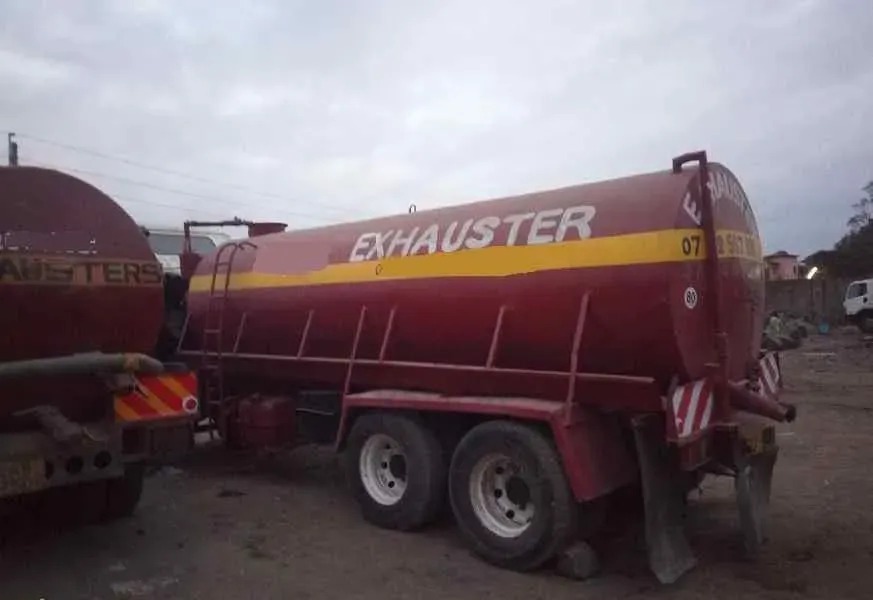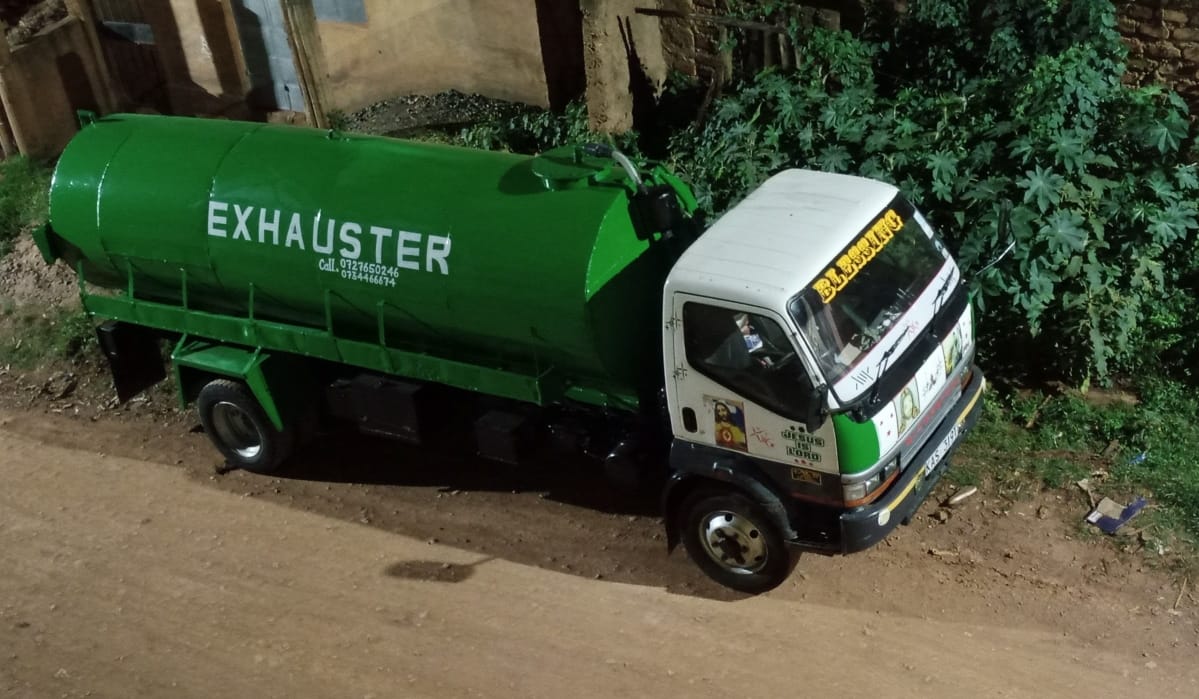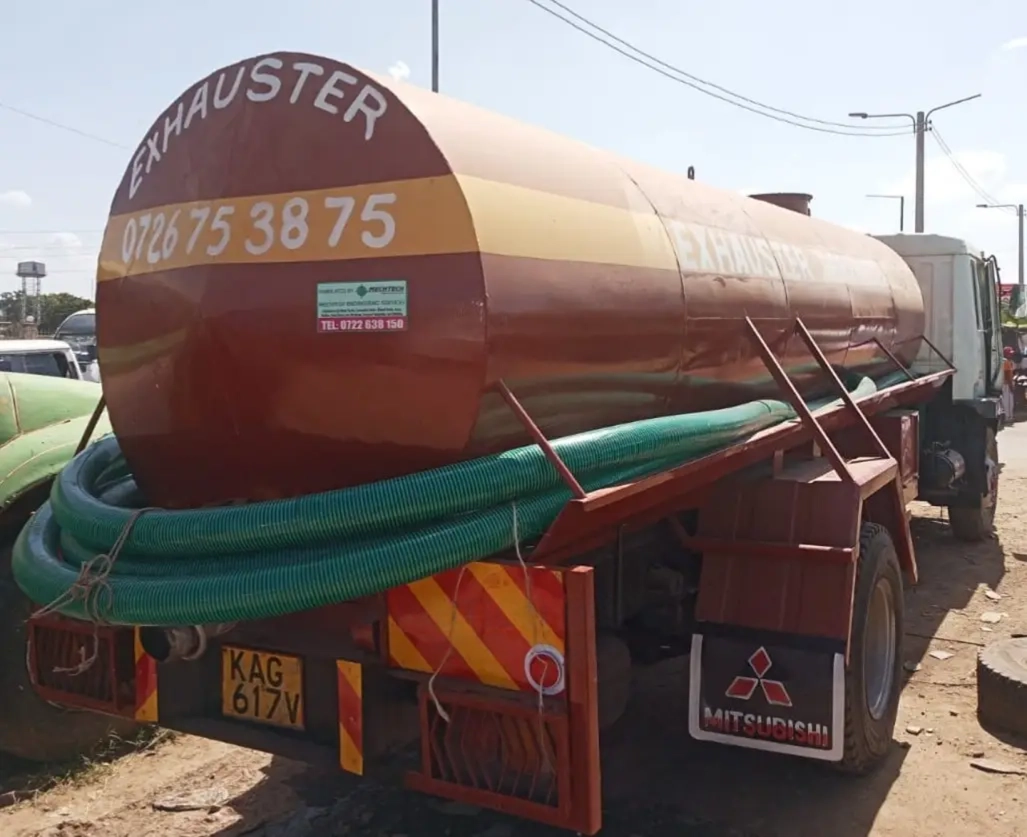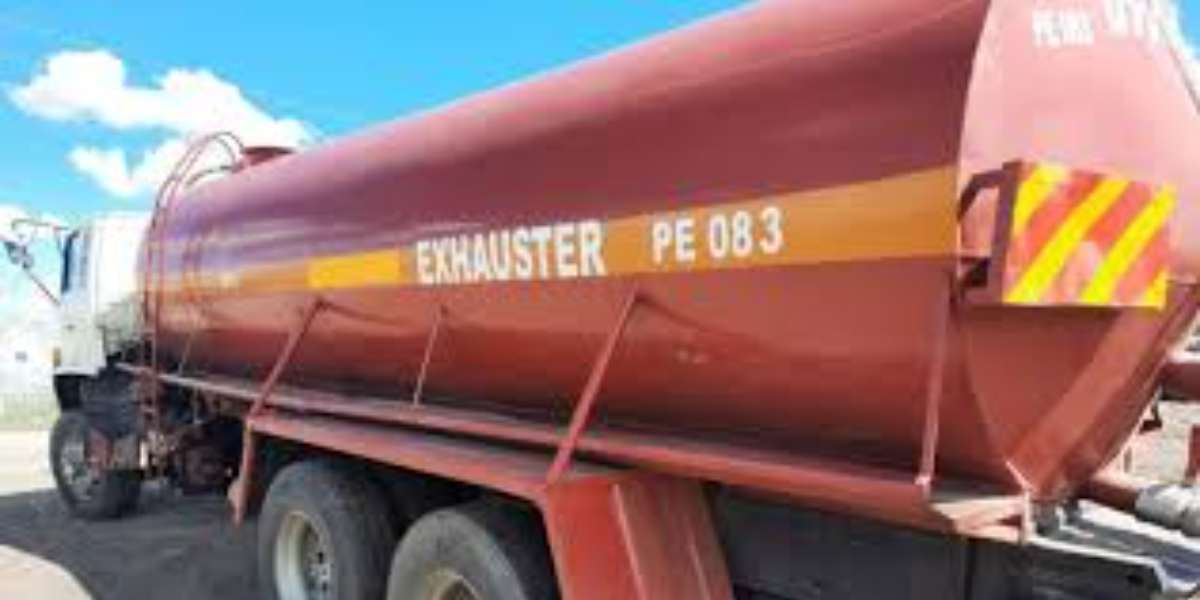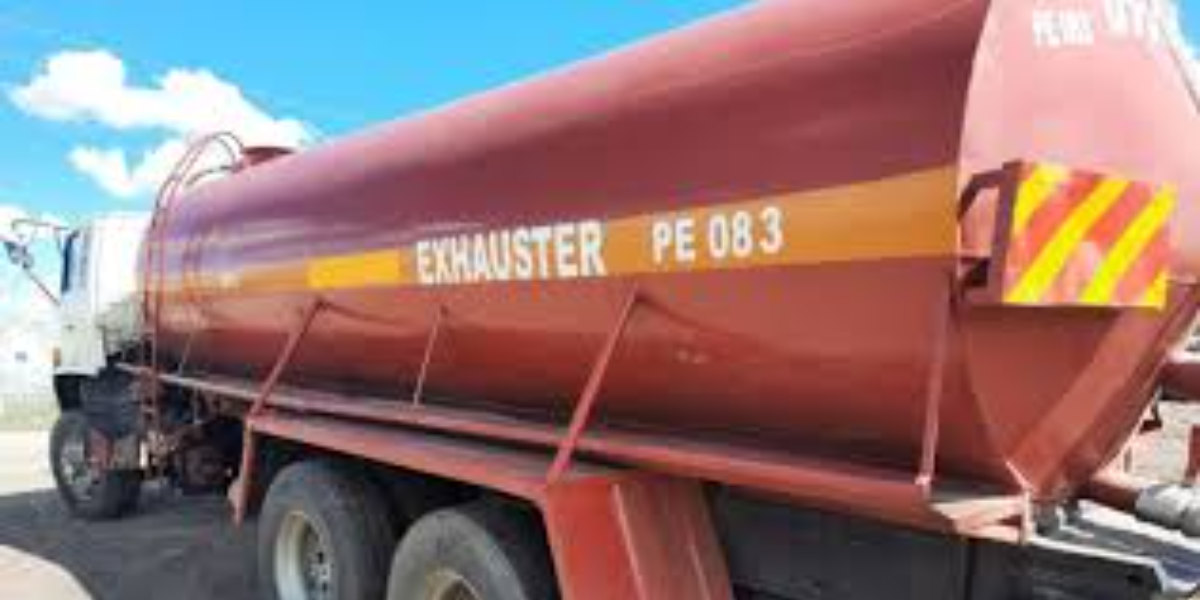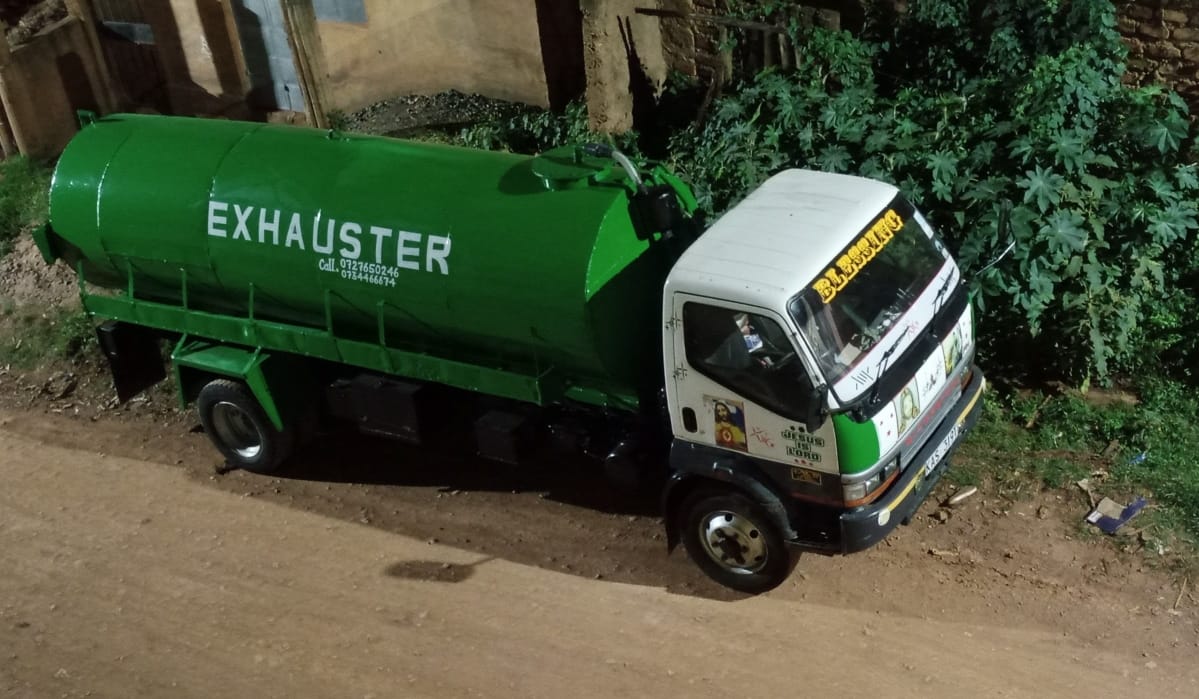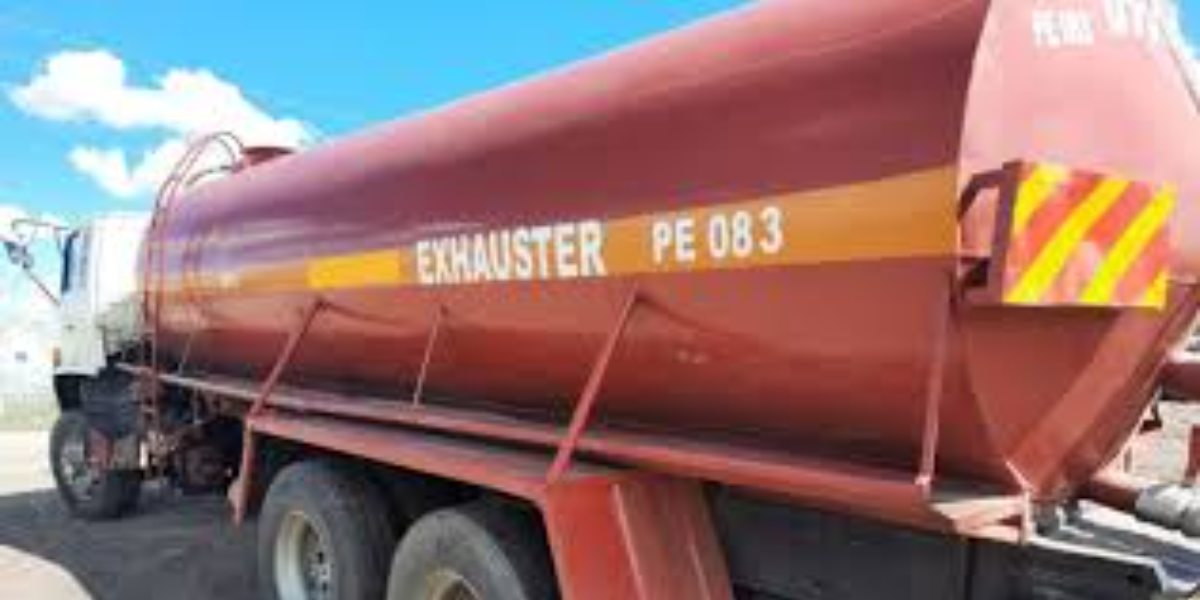


Biodigesters have become very popular in Kenya, especially in newer homes and apartments around Kitengela, Kamulu, Syokimau, Nanyuki, Ruaka, Juja, and other fast-growing areas. Developers like them because they sound modern. Homeowners like them because they promise fewer exhauster visits. And to be fair, a well-built biodigester can make waste management much easier.
But there is one thing many people are not told clearly: biodigesters still need emptying.
Not as often as septic tanks, yes. But never? That is where the story becomes tricky. A biodigester is not a magic box that makes waste disappear forever. It is a biological system, and like any system, it needs proper use, occasional inspection, and professional maintenance.
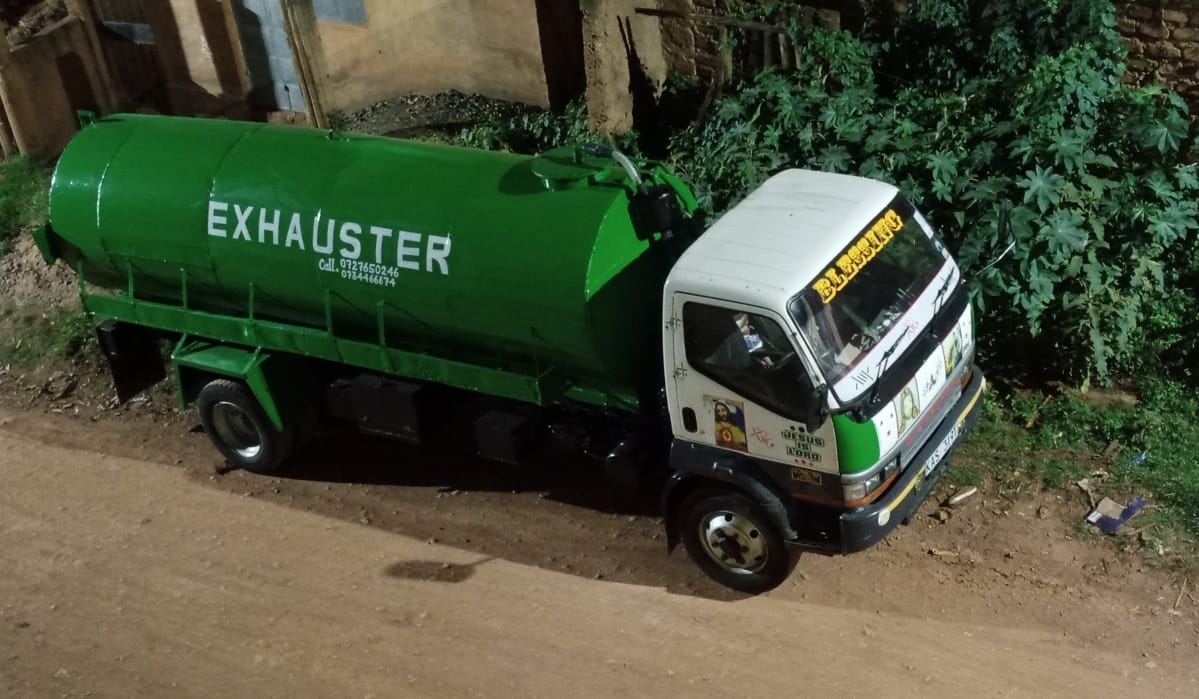
So, do biodigesters need exhauster trucks? Yes, they do. The difference is how often, how the emptying is done, and who should handle it.
What a Biodigester Actually Does
A biodigester is an enclosed waste treatment system that uses bacteria to break down human waste. When wastewater from toilets and bathrooms enters the biodigester, bacteria feed on the organic matter and reduce the amount of sludge that remains in the tank.
This is why biodigesters are often marketed as low-maintenance systems. Compared to a normal septic tank, they can reduce sludge buildup significantly. The liquid that leaves the system is usually directed to a soak pit, drainage field, or other approved outlet.
In some systems, gas is also produced during the breakdown process, although most domestic biodigesters in Kenya are not set up for serious gas use.
Still, the main point is simple: a biodigester reduces waste buildup, but it does not eliminate it completely.
Why Biodigesters Still Need Emptying
Even when bacteria are working properly, some material remains behind. This includes grit, undigested solids, and anything that bacteria cannot break down. Over time, this material settles at the bottom of the biodigester as sludge.
The situation becomes worse when people flush the wrong things. Wet wipes, sanitary pads, diapers, condoms, cotton wool, plastics, cooking fat, and strong chemicals do not belong in a biodigester. They either block the system, kill helpful bacteria, or take up space inside the tank.
So while a biodigester may go for years without needing an exhauster, it will eventually need professional emptying. Ignoring that can lead to blocked pipes, bad smells, wastewater pooling, and sewage backing up into the house.
How Often Should a Biodigester Be Emptied?
The emptying schedule depends on several factors: tank size, number of users, water usage, construction quality, soil drainage, and what goes into the system.
For many Kenyan homes, a properly installed biodigester may need emptying every three to seven years. Some systems can go longer if they are well-sized and well-maintained. Others may need attention sooner, especially in rental properties or homes with many occupants.
A family home with five people will not behave the same as a block of ten units sharing one system. A biodigester installed for a small household but serving many tenants will fill faster than expected.
This is why homeowners should not rely only on what the installer said during construction. Real use on the ground matters more than sales promises.
Signs Your Biodigester Needs Emptying
One common sign is slow drainage. If toilets, showers, and sinks are draining more slowly than usual, the system may be struggling. Gurgling sounds after flushing can also point to a blockage or rising sludge level.
A bad smell around the biodigester, soak pit, or inspection chamber is another warning. A healthy biodigester should not produce a strong sewage smell around the compound.
Wastewater pooling in the garden or near the soak pit is a more serious sign. It may mean the system is full, the outlet is blocked, or the soak pit has failed.
If your biodigester has not been inspected for several years, it is wise to check it even if there are no obvious symptoms. Prevention is much cheaper than an emergency callout.
How Biodigester Emptying Is Different From Septic Tank Emptying
This is where many people make mistakes. Biodigester emptying should not be handled exactly like ordinary septic tank emptying.
A septic tank can often be pumped almost completely empty. A biodigester should not be fully drained unless there is a specific repair reason. The bacteria inside the biodigester help restart the digestion process after emptying. If everything is removed, the system may take time to recover and may smell or perform poorly for a while.
A knowledgeable crew will usually leave some active sludge behind to keep the bacteria population alive. They may also advise adding a bacterial starter after emptying.
The crew should also inspect the inlet, outlet, baffles, chambers, and venting where possible. Biodigesters can clog when non-biodegradable materials enter the system, and those items may need to be removed manually or by a specialist.
How Much Does Biodigester Emptying Cost in Kenya?
Biodigester emptying costs are usually similar to septic tank emptying because the service still requires a vacuum truck, crew, fuel, time, and legal disposal.
The final price depends on tank size, location, truck access, hose distance, urgency, and whether extra inspection or cleaning is needed. A small home biodigester with easy access will cost less than a large shared system serving rental units or an institution.
Homes far from town or from approved disposal points may pay more because of transport costs. Emergency night or weekend callouts can also attract higher charges.
Before booking, ask what the quote includes. Does it cover pumping, inspection, cleanup, transport, disposal, and a receipt? Clear agreement upfront prevents confusion later.
Why Some Biodigesters Fill or Fail Too Early
A biodigester that needs emptying after only a short time may have an underlying problem.
One common issue is undersizing. Some systems are installed based on budget rather than actual household use. If a small biodigester serves too many people, it will struggle.
Another problem is poor construction. Not every tank sold as a biodigester is properly designed. A true biodigester needs correct chambering, sealing, inlet and outlet levels, and bacterial activity. If the design is wrong, it may behave like an ordinary septic tank.
Strong cleaning chemicals also cause trouble. Heavy use of bleach, harsh toilet cleaners, disinfectants, and chemicals can kill the bacteria needed for digestion.
Non-biodegradable waste is another major cause. Wet wipes and sanitary products are especially problematic because they do not break down and can block the system.
The soak pit can also fail. If liquid leaving the biodigester has nowhere to drain, it backs up into the system and makes it appear full.
How to Maintain a Biodigester Properly
Good biodigester care is mostly about protecting the bacteria and preventing blockages.
Avoid flushing anything other than human waste and toilet paper. Keep bins in bathrooms so pads, wipes, diapers, and cotton wool do not end up in the system.
Use mild cleaning products where possible. This does not mean your house should be dirty, but avoid pouring strong chemicals into toilets and drains every day.
Do not pour cooking oil, grease, paint, pesticides, or solvents into sinks. These materials can damage the system and interfere with digestion.
Inspect the system once a year. Check for smells, unusual water levels, pooling around the soak pit, or signs of blockage. If you are not sure what to look for, call a professional.
Keep records of installation, servicing, emptying dates, and repairs. These details are useful when selling property or troubleshooting future issues.
Choosing the Right Biodigester Emptying Provider
Not every exhauster operator understands biodigesters. Before hiring, ask whether they have handled biodigester emptying before. Ask if they know not to pump it completely dry. Ask where they dispose of the waste and whether they provide a receipt or disposal note.
A good provider should answer clearly. If they say, “Ni kama septic tu,” be careful. The equipment may be similar, but the handling should be different.
For homeowners who do not want to rely on random wall numbers or estate WhatsApp guesses, The Real Plug can help you find vetted professionals across Kenya, including sanitation and home service providers. It is especially useful when you want someone who understands the difference between a septic tank and a biodigester.
Biodigester vs Septic Tank: Which Is Better?
Both systems can work well when designed and maintained properly.
A septic tank is usually cheaper to install but needs more frequent emptying. A biodigester may cost more upfront but can reduce how often you call an exhauster. This makes it attractive for homeowners planning long-term.
However, a biodigester is not maintenance-free. It must be sized correctly, installed properly, and used carefully. If people flush the wrong items or use harsh chemicals all the time, even a good biodigester will struggle.
For new builds, a biodigester is worth considering. For existing homes with a working septic tank, conversion may not always be necessary unless the current system is failing or the property has drainage challenges.
Final Thoughts
Biodigesters do need exhauster trucks, but far less often than traditional septic tanks. That is the honest answer.
A well-installed and well-maintained biodigester can serve a home quietly for years. But it still needs inspection, careful use, and occasional emptying by people who understand how the system works.
Do not wait for bad smells or bathroom backups before taking action. Know your system, avoid flushing the wrong items, protect the bacteria, and hire qualified providers when service is due.
A biodigester can save you money and reduce stress, but only when treated as a living system, not a forgotten underground box.