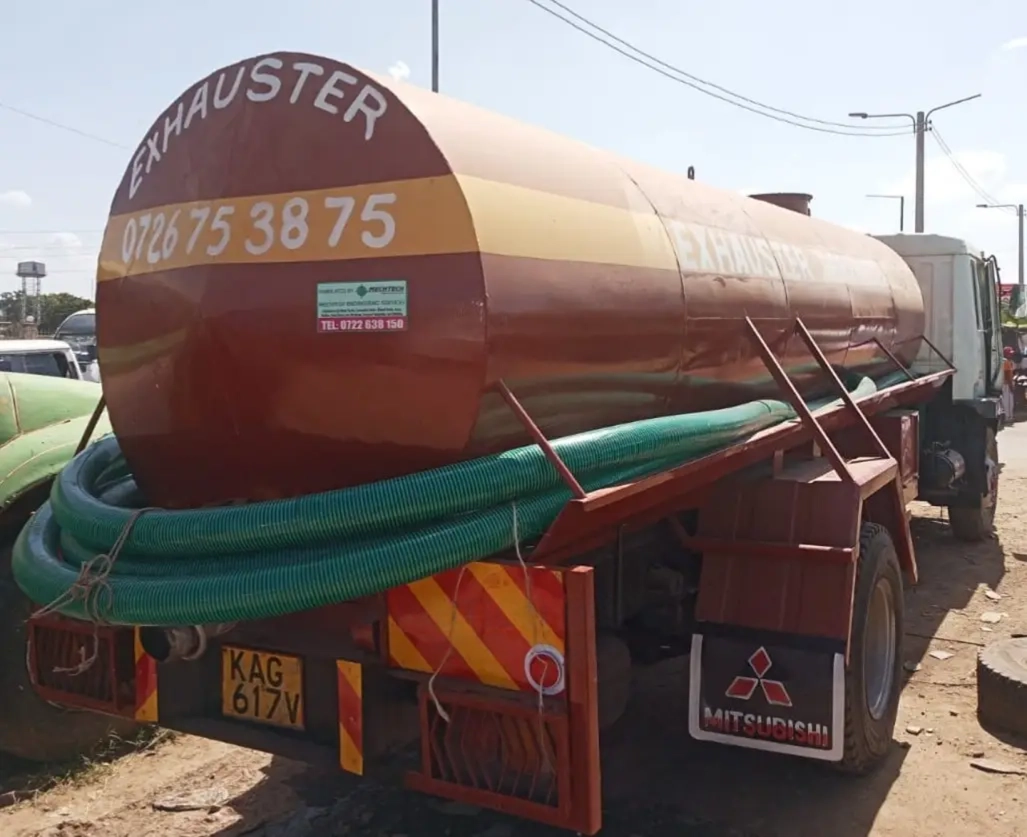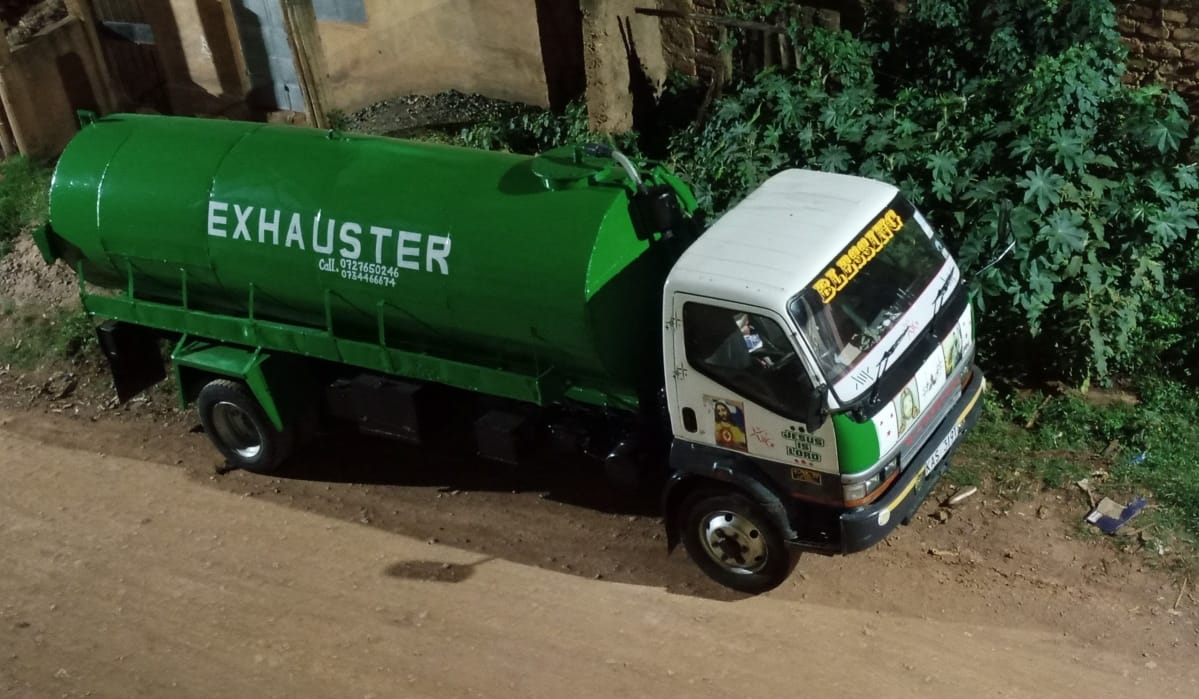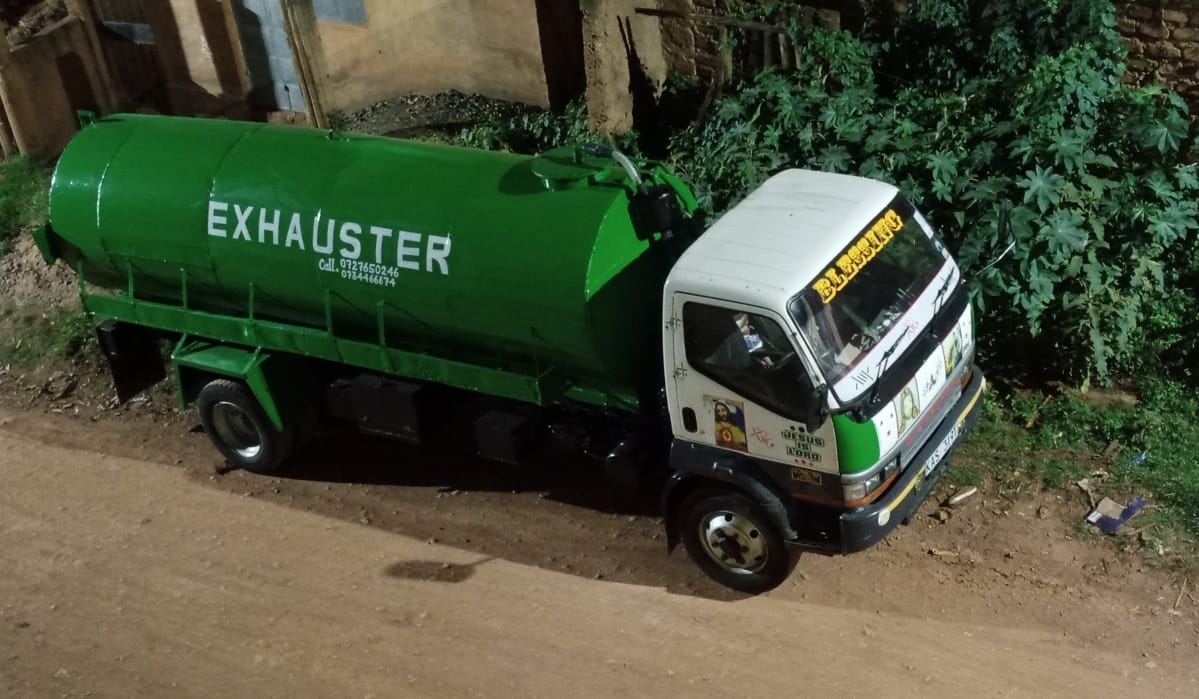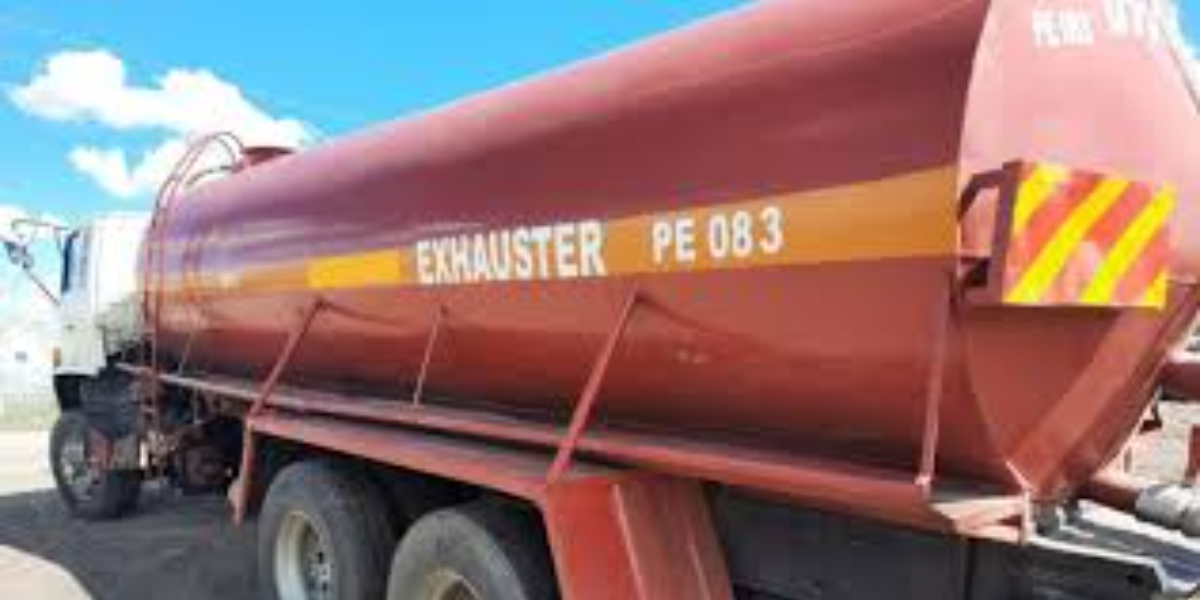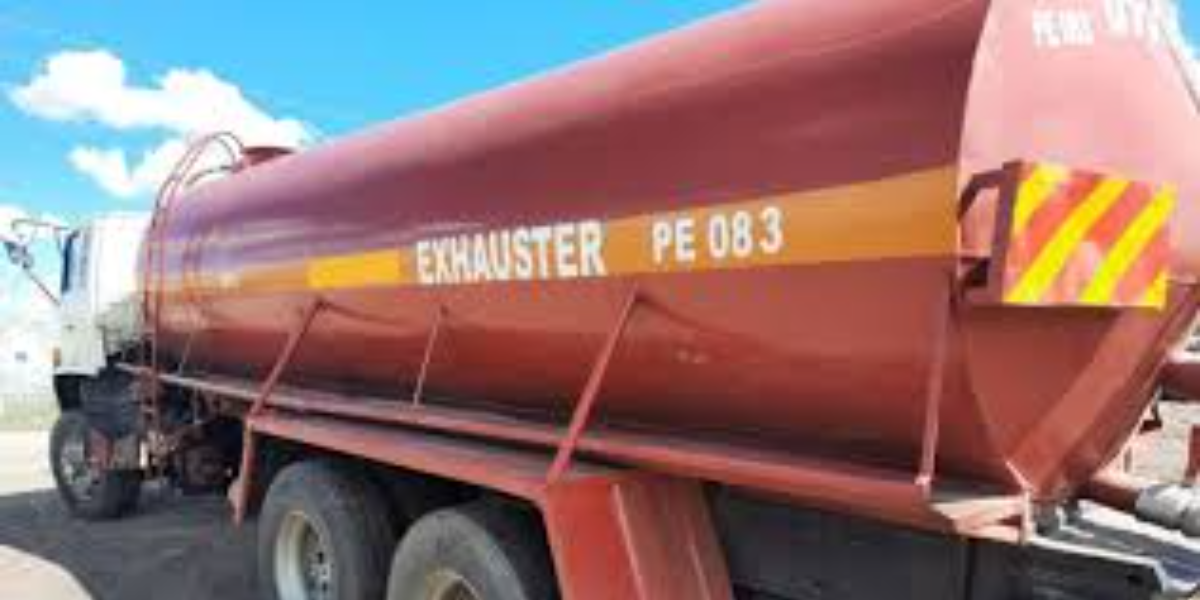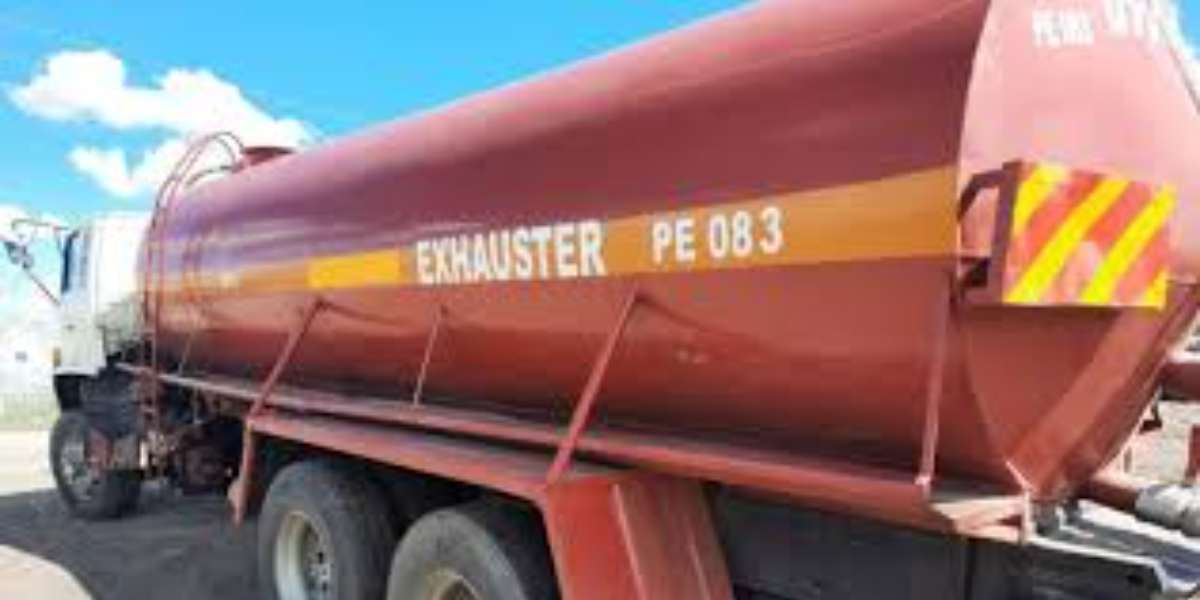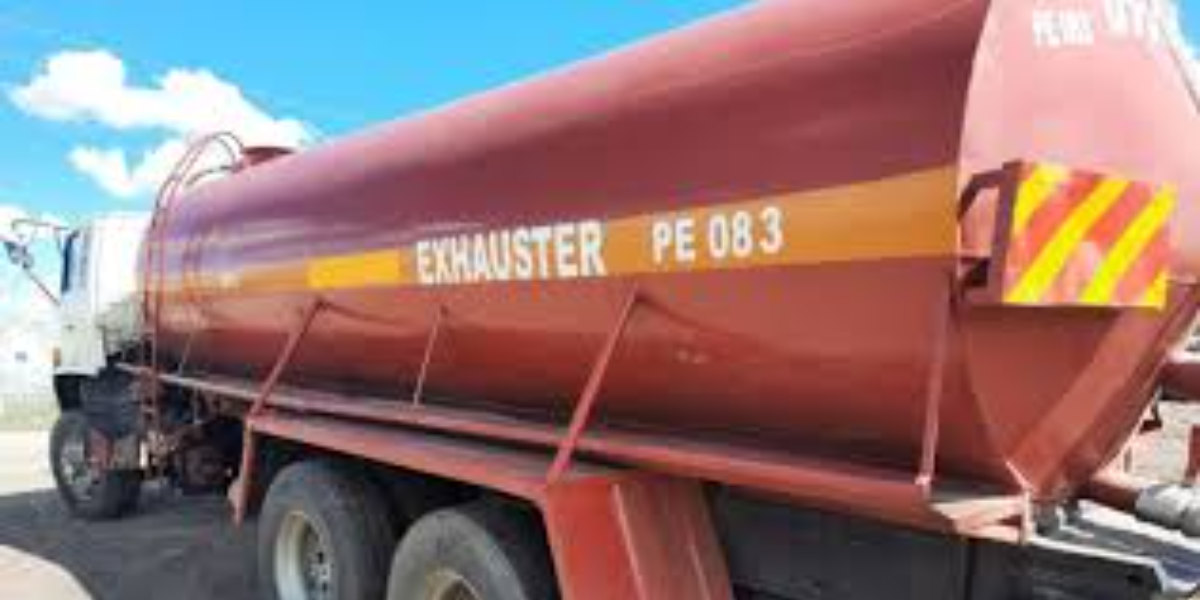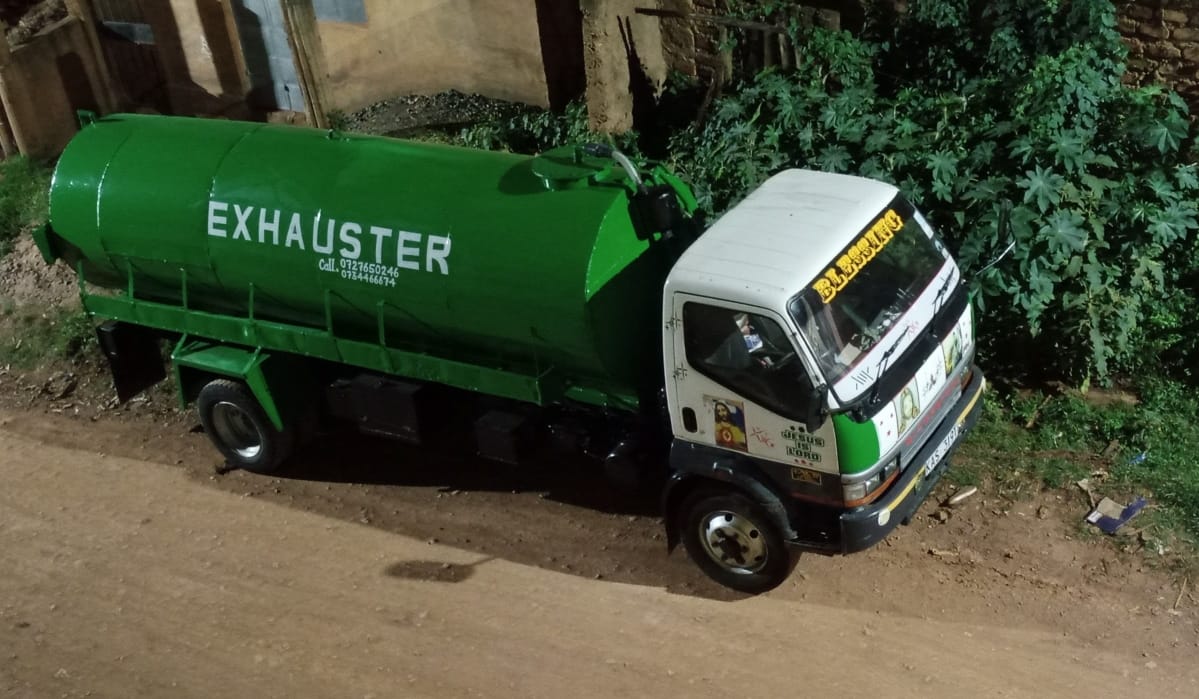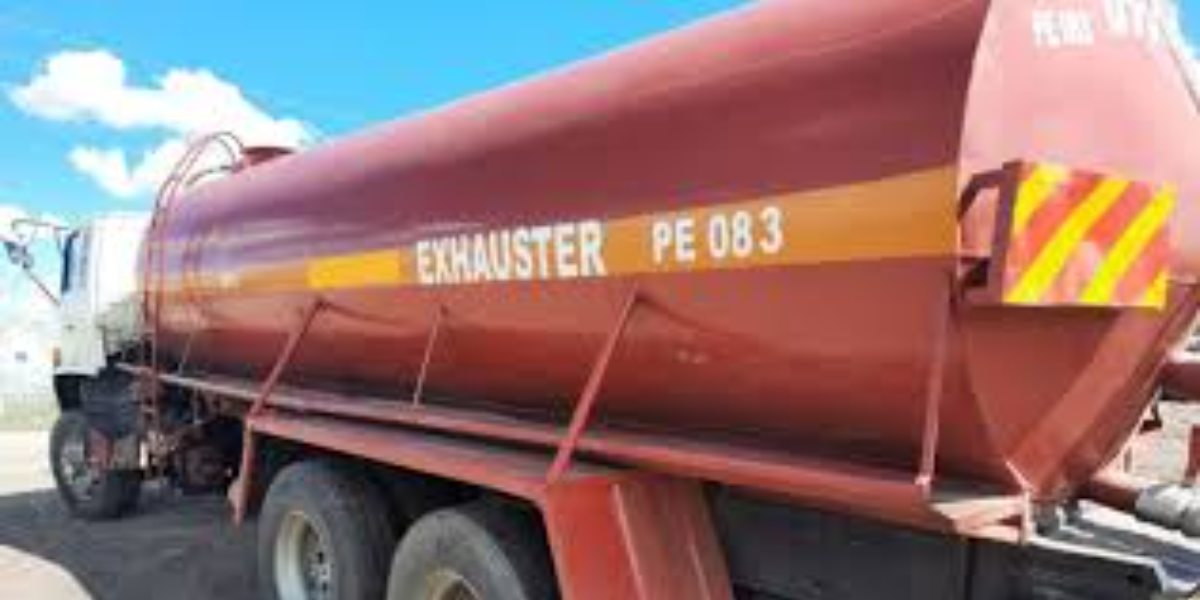


Searching for exhauster services prices in Nairobi can leave you more confused than informed. One provider says KSh 5,000. Another says KSh 12,000. Someone in an estate WhatsApp group claims they paid KSh 15,000, while another insists they found a “cheap guy” for half that amount.
The truth is simple: exhauster prices in Nairobi are not fixed. They depend on your location, tank size, access, timing, type of waste, and whether the provider is licensed and disposing of waste properly.
So before you accept the first quote you see online, it helps to understand what you are actually paying for.
Why Exhauster Prices in Nairobi Vary So Much
Nairobi is not one uniform service area. A septic tank job in Umoja is different from one in Karen, Runda, Pipeline, South C, Kasarani, or Ruai. The truck may travel different distances, use different amounts of fuel, spend more time in traffic, or require extra hose and labour.
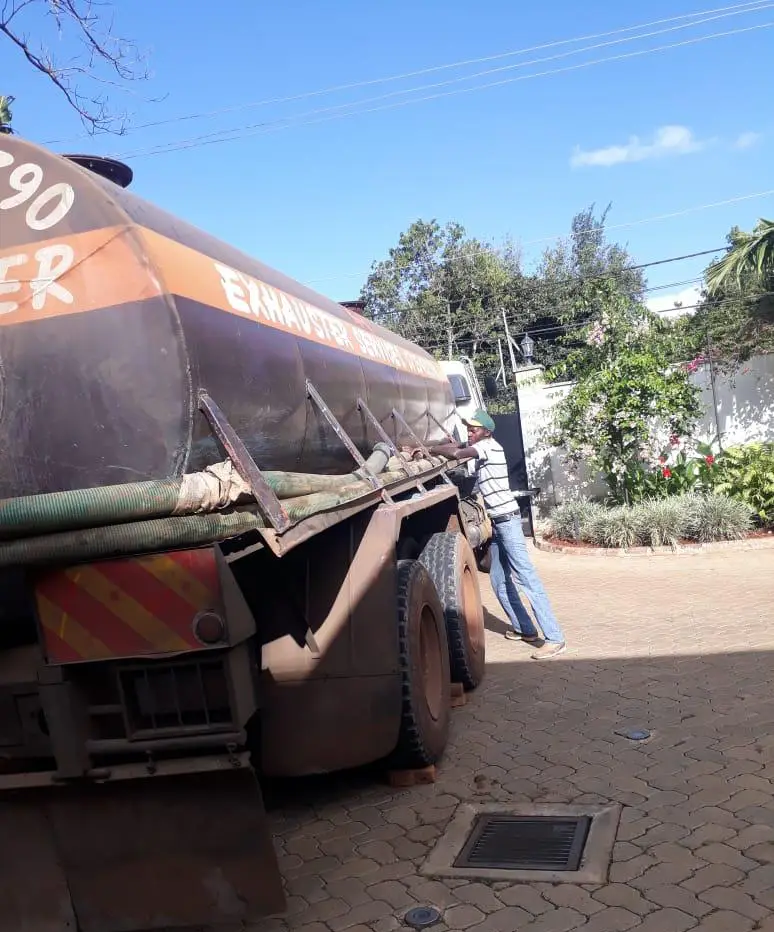
Some jobs are simple. The truck parks next to the tank, pumps the waste, cleans up, and leaves. Other jobs involve narrow gates, sealed slabs, long hose distances, thick sludge, blocked manholes, or emergency night work.
That is why two neighbours can receive different quotes even when they live in the same estate.
The Average Cost of Exhauster Services in Nairobi
For many standard residential jobs in Nairobi, homeowners can expect a general price range of about KSh 6,000 to KSh 12,000. Smaller, easy-access jobs may fall on the lower end, while larger tanks, difficult access, or urgent callouts cost more.
In higher-end areas or properties far from disposal routes, the price can go higher. Commercial properties, schools, apartments, restaurants, and institutions may pay more because they often require bigger trucks, extra trips, or specialized handling.
Very cheap quotes should be treated carefully. A provider charging far below the normal market range may be cutting corners on legal disposal, equipment, or service quality.
Tank Size and Truck Capacity
Tank size is one of the biggest price factors. A small household septic tank does not require the same truck capacity as an apartment block or school.
Most residential septic tanks need small to medium exhauster trucks. Larger buildings may need bigger trucks or multiple trips. The more waste that must be removed, the more fuel, time, labour, and disposal capacity are involved.
A serious provider should ask about your tank size or at least the type of property before quoting. If someone gives a flat price without asking anything, they may be guessing.
Your Location in Nairobi
Location matters more than many people expect. Areas closer to truck yards or approved disposal points may attract lower costs. Areas that require long travel, heavy traffic, or difficult access may cost more.
Eastlands, Embakasi, Donholm, Umoja, and Kayole often have many providers nearby, so prices may be more competitive. Areas such as Karen, Runda, Kitisuru, Hardy, and parts of Lang’ata may cost more because of distance, compound size, service expectations, and travel time.
Peri-urban areas around Nairobi can also attract extra charges, especially if the truck has to travel far from its base.
Access to the Septic Tank
A septic tank that is easy to reach is cheaper to empty than one hidden behind buildings, cabro, gardens, or narrow walkways.
If the truck cannot park near the tank, the crew may need to run a long hose across the compound. Long hose work takes more time and labour. In some cases, suction becomes weaker over distance, making the job slower.
Older homes may also have sealed tanks without proper inspection covers. If the crew must break concrete to access the tank, expect an additional charge. This should be discussed before work starts, not after the truck arrives.
Time of Service
A weekday daytime job is usually cheaper than an emergency night callout. This is because night work involves overtime, security concerns, limited disposal access, and higher inconvenience for the crew.
Weekend and public holiday jobs may also cost more. During rainy seasons, demand rises because many septic systems overflow or back up. When demand is high, prices can climb.
The easiest way to avoid emergency pricing is to schedule septic tank emptying before the tank is full. Waiting until sewage is backing up gives you less room to compare providers or negotiate.
Type of Waste Being Removed
Not all waste is the same. Normal domestic septic waste is usually easier to pump than thick pit latrine sludge, grease trap waste, or floodwater mixed with sewage.
Restaurants, hotels, and food businesses may pay more because grease and food waste require different handling. Pit latrines can also be harder to empty if the sludge is thick or compacted.
If the issue involves a blocked pipe, you may also need a plumber before or after the exhauster service. A vacuum truck removes waste, but it does not automatically repair broken pipes or clear every blockage inside the drainage system.
Licensing and Proper Disposal
Legal disposal affects pricing. Licensed providers must transport waste to approved treatment or disposal facilities, and that process comes with costs.
Unlicensed operators may offer lower prices because they avoid official disposal fees or dump waste illegally. That may seem cheaper at first, but it creates environmental harm and can expose property owners to problems if the waste is traced back.
A reliable provider should be willing to explain where they dispose of waste and provide a receipt or job card. For landlords, businesses, schools, and institutions, proper paperwork is especially important.
Broker vs Direct Provider
Some online ads are posted by brokers, not truck owners. A broker may take your booking, call another operator, and add their margin. This can increase the price or create confusion if something goes wrong.
Before booking, ask whether they own the truck, where it is coming from, and what time it will arrive. You can also ask for the truck registration number once the job is confirmed.
Working with established providers or vetted professionals reduces the chances of dealing with unreliable middlemen. Platforms such as The Real Plug can help Nairobi residents find vetted service providers, including sanitation and exhauster professionals, without relying only on random social media posts or wall-painted numbers.
How to Get a Fair Quote
To get a realistic quote, provide clear details. Mention your estate, type of property, estimated tank size, access situation, urgency, and whether the tank has a manhole cover.
Do not only ask, “How much?” Instead, explain the job. For example, say you have a 5,000-litre septic tank in Embakasi with easy access and need daytime service. That gives the provider enough information to quote fairly.
Once you agree, confirm the price and scope on WhatsApp. Include whether the amount covers pumping, transport, disposal, cleanup, opening the slab, and receipt. This helps avoid last-minute price changes.
Red Flags When Comparing Prices
Be careful if the provider quotes far below everyone else. Also be cautious if they refuse to say where they dispose of waste, cannot provide a business name, avoid questions about licensing, or demand a large deposit before sharing truck details.
A poorly maintained truck, crew without protective gear, or unclear pricing should also make you think twice.
Cheap service is not always affordable if it leads to illegal dumping, incomplete emptying, property damage, or another callout a week later.
Final Thoughts
Exhauster services prices in Nairobi are shaped by real costs: fuel, distance, truck size, labour, access, timing, disposal fees, and professionalism. A fair price should make sense once the provider understands your situation.
For most homeowners, budgeting for regular septic tank emptying is smarter than waiting for an emergency. Landlords and businesses should go a step further by keeping records and working with reliable providers.
In Nairobi, you will probably need an exhauster at some point. The goal is not just to find the cheapest option. It is to find a provider who does the job properly, disposes of waste legally, and leaves your compound in good order.