

You know that small pull you feel when you open a fridge door? That soft resistance that tells you the door was properly sealed?
When it disappears, pay attention.
Maybe your fridge in Umoja opens too easily now. Maybe the milk bottles have condensation on them. Maybe the yoghurt near the front feels warmer than it should. Or maybe the fridge motor has been running for hours, and your tokens are disappearing faster than usual.
The problem may not be the compressor, gas, thermostat, or fan. It could be something much simpler: the door seal.
That rubber strip around the fridge door, also called a gasket, does more than make the door look neat. It keeps cold air inside and warm air outside. When it fails, your fridge has to work harder to do the same job. In Kenya, where heat, dust, salt air, and daily use already push appliances hard, a weak fridge seal can quietly cost you money every month.
The good news is that door seal problems are often easy to spot and affordable to repair if you catch them early.
What a Fridge Door Seal Actually Does
A fridge door seal is a flexible rubber gasket with a magnetic strip inside. When you close the door, the magnet helps the rubber grip the fridge body tightly. That creates a barrier between the cold air inside and the warm air outside.
When the seal is working well, the compressor cools the fridge, then rests. When the seal is weak, warm air keeps leaking in. The fridge senses the temperature rising and tells the compressor to keep running.
That is where the real cost begins.
A fridge is not supposed to run nonstop. It should cycle on and off. If it keeps running because cold air is escaping, your power bill goes up and the compressor wears out faster.
In a busy Kenyan home, the fridge door may open many times a day. Breakfast, packed lunches, cold water, leftovers, supper preparation, school snacks. The seal has to work every single time the door closes.
If it does not seal properly, the fridge never really gets a break.
Signs Your Fridge Door Seal Is Failing
A bad door seal usually gives small warnings before the fridge becomes seriously warm.
One of the first signs is the door opening too easily. A healthy seal gives slight resistance when you pull the door open. If the door swings open with no grip, the gasket may not be holding.
Condensation is another clue. If you notice water droplets around the door frame, on containers near the front, or on the outside edge of the fridge, warm air may be entering and meeting cold air.
You may also notice frost building up around the freezer door or back wall, especially in frost-free fridges. That happens when humid air leaks in and freezes.
A musty smell can also develop because moisture encourages mold around the gasket. In coastal areas like Mombasa, Diani, Malindi, and Kilifi, this can happen faster because humidity is already high.
The paper test is one of the easiest checks. Take a piece of paper or a small note, close the fridge door on it, and gently pull. If it slides out with no resistance, that part of the seal is weak. Test the top, bottom, and both sides because seals often fail in sections.
The bottom edge is especially common because spills, crumbs, and dirt collect there. In homes with children, the corners may also wear quickly from repeated pulling.
Why Door Seals Fail Faster in Kenyan Homes
Fridge manuals rarely account for real Kenyan conditions.
Dust is one of the biggest reasons door seals wear out. In places like Kitengela, Athi River, Mlolongo, Kayole, Fedha, and parts of Nairobi where dust settles quickly, tiny particles collect in the folds of the gasket. Every time the door opens and closes, that dirt rubs against the rubber and weakens the seal.
Heat also plays a role. In hotter towns such as Kisumu, Garissa, Lodwar, and Mombasa, rubber expands and contracts more often. Over time, it becomes stiff, brittle, or cracked.
At the coast, salt air speeds up wear. It dries rubber, encourages cracking, and can affect the metal parts around the door. A seal that lasts many years upcountry may fail much sooner in a coastal home or shop.
Daily habits matter too. Slamming the fridge door weakens hinges. Overloading door shelves with heavy water bottles and sauces pulls the door down over time. Cleaning the gasket with harsh chemicals can dry it out. Wiping sticky spills with a dry cloth can stretch or tear the rubber.
Sometimes the seal is not the only issue. The door itself may be misaligned. If the hinges sag, even a new gasket may not sit properly unless the door is adjusted.
What You Can Try Before Calling a Technician
Not every seal problem needs immediate replacement.
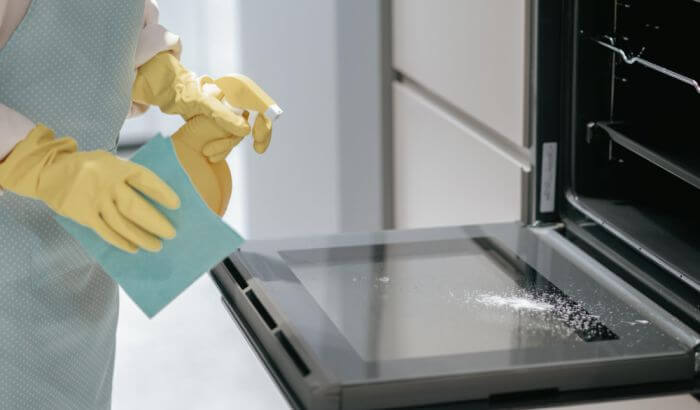
Start by cleaning the gasket. Use warm water, mild dish soap, and a soft cloth or old toothbrush. Clean inside the folds, especially along the bottom edge where dirt and dried spills collect. Avoid bleach, strong detergents, and scouring pads because they can damage the rubber.
After cleaning, dry the gasket completely and repeat the paper test.
If the seal looks flattened but not torn, you can try reshaping it. Use a hairdryer on a warm setting, not hot, and gently warm the rubber while pulling it back into shape. Then close the door and leave it shut for a while so the gasket settles.
Check whether the fridge is level. If the floor is uneven, the door may not close evenly. This is common in rentals and older apartments. Adjust the front feet so the fridge leans slightly backward. Gravity should help the door close firmly.
Also check what is stored on the door. Too many heavy bottles can pull the door out of alignment. Remove some weight and see whether the seal improves.
For a very small gap, a light smear of petroleum jelly can sometimes improve contact temporarily. This is not a long-term repair, but it can help confirm that the seal is the problem.
When the Door Seal Needs Replacement
If the gasket is cracked, torn, brittle, loose, or missing pieces, cleaning will not fix it. It needs replacement.
For common fridge brands in Kenya, such as Ramtons, Von, Bruhm, Mika, LG, Samsung, Hisense, and Armco, replacement seals are often available through appliance spare parts suppliers. Older or imported models may take longer because the correct gasket has to be ordered or custom-fitted.
A proper replacement involves removing the old seal, cleaning the channel, fitting the new gasket correctly, and checking the door alignment. Some seals press into a groove. Others are held by screws or fitted behind a retainer. Some newer models may require more careful fitting.
After installation, the technician should test the door all around using the paper test. The door should close firmly with a gentle push. You should not need to slam it.
If the fridge is old and the exact seal is no longer available, a technician may use a universal gasket. That can work, but it has to be measured, cut, and joined carefully. A poor join creates another leak.
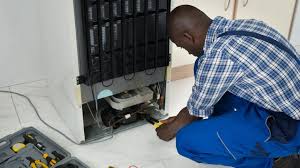
This is where experience matters. The Real Plug can help you find vetted appliance repair professionals who handle fridge door seal replacement and gasket repair. Reviews can make it easier to see whether a technician sources the right part and leaves the fridge sealing properly.
How Much Does Fridge Door Seal Repair Cost in Kenya?
The cost depends on the fridge size, brand, model, and whether the correct gasket is readily available.
For many common household fridges, the gasket itself may cost less than major fridge parts like compressors, boards, or fans. Labour is usually reasonable because the job is not as complex as sealed-system repair.
The final price may be higher for large double-door fridges, side-by-side units, commercial display fridges, or imported models with hard-to-find seals.
Before booking, ask whether the quote includes both the seal and labour. Also ask whether the technician will check hinge alignment. A new seal fitted on a sagging door may still leak, and that means you will not get the full benefit of the repair.
It is also worth asking whether the gasket is original, compatible, or custom-made. A cheap seal that does not fit tightly will not save you money.
The Real Cost of Ignoring a Bad Seal
A weak fridge seal does not feel urgent, which is why many people leave it for months.
But it costs money quietly.
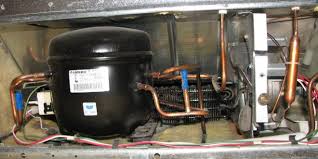
The fridge runs longer because cold air keeps escaping. That means more electricity. It also means more compressor wear. A compressor that should cycle normally may start running almost nonstop, especially during hot afternoons or in kitchens with poor ventilation.
Food safety can also become an issue. If the fridge cannot hold a steady temperature, milk, meat, cooked food, and vegetables may spoil faster. You may not notice immediately, but the fridge is no longer doing its job properly.
For businesses, the problem is even bigger. A shop display fridge with a weak seal may leave drinks slightly warm. A butchery freezer with a poor lid seal may struggle to keep stock frozen. A restaurant fridge that leaks cold air may raise power costs and shorten appliance life.
A small rubber strip can affect the whole appliance.
How to Make a New Seal Last Longer
Once the seal is repaired or replaced, keep it clean.
Wipe it weekly with a damp cloth and mild soap. Remove crumbs, grease, and sticky spills before they harden. Avoid bleach and rough cleaning pads. Do not slam the fridge door. Do not let children hang on the handle. Avoid overloading the door shelves with heavy bottles.
Keep the fridge away from direct heat where possible. If it sits next to a cooker or in direct sunlight, the seal will age faster.
In coastal homes, wipe the gasket more often to remove salt and moisture. In dusty areas, clean the folds regularly so grit does not wear down the rubber.
Every few months, do the paper test again. If one section starts loosening, it may be possible to adjust the hinge or reshape the gasket before it fails completely.
Cold Air Is Too Expensive to Waste
Your fridge spends the whole day making cold air. The door seal’s job is to keep that cold air inside.
When the seal fails, you pay for it through higher tokens, warmer food, extra compressor strain, and eventually bigger repairs. In Kenya’s heat, dust, humidity, and heavy daily use, that thin rubber gasket works harder than most people think.
So check it. Clean it. Test it. Replace it when it is worn out.
A good seal makes the fridge quieter, more efficient, and more reliable. And the next time you close the door and feel that soft pull, you will know the cold is staying exactly where it should.