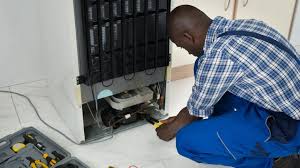


You know your fridge’s normal sound, even if you do not think about it much. That soft hum in the background. The occasional click when it starts or stops. A gentle fan sound from the freezer. Most days, it blends into the house.
Then one evening in South B, Rongai, or Nakuru, you hear something different.
A loud buzzing. A repeated clicking. A rattle that becomes obvious at night when the house is quiet. Maybe a high-pitched squeal from the freezer section. The fridge is still running, but the sound has changed, and something about it feels off.
Fridges are not silent machines. They make normal working sounds. But when a new noise appears or an old sound becomes louder, it is worth paying attention. In Kenya, where fridges deal with heat, dust, power cuts, tight kitchen spaces, and coastal humidity, noise is often an early warning that a part is under strain.
The sooner you understand what the sound might mean, the easier it is to fix a small issue before it turns into a major repair.
Normal Fridge Sounds vs Sounds That Need Attention
A healthy fridge makes a few ordinary sounds.
You may hear a click when the compressor starts and another when it stops. You may hear a steady hum while it runs. In frost-free models, a soft fan sound from the freezer is normal. A light hiss, gurgle, or bubbling sound can also happen as refrigerant moves through the system.
Manual defrost fridges may make cracking sounds as ice expands or melts. That can be normal too.
The noises that need attention are usually louder, sharper, repeated, or new. A clicking sound that keeps happening every minute is not normal. A constant loud buzz is not normal. A rattle that shakes the fridge or a high-pitched squeal from inside the freezer should not be ignored.
Your fridge is basically telling you something has changed.
Repeated Clicking Often Means Starting Trouble
One of the most common fridge noise complaints in Kenya is repeated clicking.
You hear a click, a short hum, then another click. A minute or two later, the same thing happens again. The fridge light may still come on, but the inside starts getting warm.
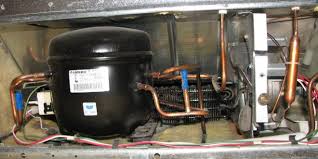
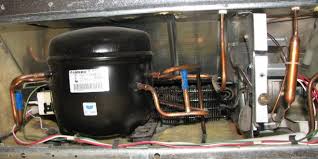
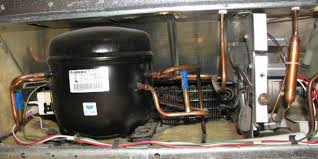
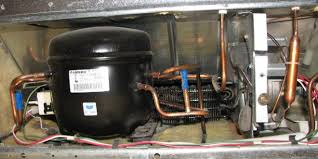
This usually means the compressor is trying to start but cannot. The start relay sends power to the compressor, the motor tries to run, draws too much current, and the overload protector cuts it off to prevent damage.
This can happen after a blackout or power fluctuation. When power returns too quickly, the compressor may try to restart while the system is still under pressure. In areas where blackouts and voltage changes are common, this is a regular problem.
If you hear repeated clicking, switch the fridge off for a few minutes and let it rest. Then plug it back in through a fridge guard or voltage protector. If it starts normally, the issue may have been power-related.
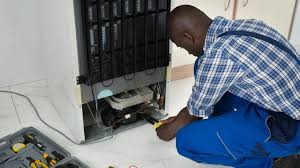
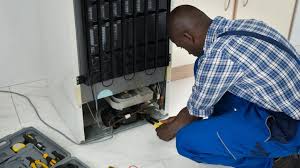
If the clicking continues, call a technician. The relay, overload protector, or capacitor may need replacement. If ignored, repeated failed starts can overheat the compressor and turn a small repair into a costly one.
Loud Buzzing or Humming Can Mean Strain
A fridge that suddenly sounds louder than usual may be working too hard.
Start with airflow. Many fridges in Kenyan apartments are pushed too close to the wall or squeezed into tight kitchen cabinets. The compressor and condenser coils need room to release heat. Without enough space, the fridge runs hotter and may produce a louder hum or buzz.
Pull the fridge slightly away from the wall and make sure there is space around it. If the noise reduces after some time, poor ventilation may have been part of the problem.
Dust is another common cause. In areas like Athi River, Kitengela, Mlolongo, Githurai, and other dusty parts of Nairobi and its surroundings, condenser coils can get covered quickly. Dust traps heat, making the compressor run harder and louder.
Unplug the fridge and clean the coils carefully with a dry brush or vacuum. If there is a condenser fan at the back or bottom, check whether it is spinning freely. A dirty or stuck fan can buzz, whine, or vibrate.
If the buzzing seems to come from inside the freezer, the evaporator fan may be wearing out. That fan moves cold air through the fridge. When its bearings dry out or the motor struggles, it can become noisy. If it fails completely, the fridge section may warm up even if the freezer still feels cold.
Rattling Usually Means Something Is Loose
A rattling fridge can be annoying, especially at night. Sometimes the fix is simple.
The fridge may not be level. Uneven floors are common in rentals, older homes, and some apartments. If the fridge tilts or rocks slightly, the compressor or panels may vibrate against the frame.
Adjust the front feet until the fridge sits firmly. If pressing the side of the fridge reduces the vibration, leveling may be the issue.
A loose drain pan can also rattle. The pan sits underneath the fridge and collects defrost water. If it shifts out of place, it may vibrate when the compressor runs.
Copper tubes or panels at the back can also touch the fridge body and cause rattling. Do not bend anything aggressively, but you can look behind the fridge and see whether something obvious is loose.
If the rattle continues, a technician can secure loose panels, pans, or tubing. This is usually a smaller repair compared to compressor or sealed-system work.
Knocking or Banging Can Be More Serious
A single knock or clunk when the compressor stops is different from a loose rattle.
Inside the compressor are moving parts. If they become worn, the compressor may make a knocking sound when starting or stopping. The fridge may still cool for a while, but the compressor may be nearing the end of its life.
This does not always mean immediate failure, but it should not be ignored. If the knocking becomes louder, cooling weakens, or the compressor starts overheating, call a technician.
For businesses such as shops, butcheries, cafés, and restaurants, this matters even more. A fridge that fails suddenly can mean spoiled stock, lost sales, and unhappy customers.
Hissing, Gurgling, or Bubbling Sounds Are Sometimes Normal
A soft hiss or gurgle can be normal. Refrigerant moves through the fridge system, and that movement can make gentle bubbling or flowing sounds.
But a loud or constant hissing sound, especially when the fridge is not cooling properly, may point to a refrigerant leak.
Leaks can happen from corrosion, vibration, poor previous repairs, or damage to tubing. Coastal areas such as Mombasa, Nyali, Malindi, and Diani may see corrosion-related problems more often because of humidity and salt air.
If you hear hissing and cooling is getting worse, switch the fridge off and call a technician. Running a fridge with a refrigerant leak can allow air and moisture into the system, making the repair more complicated.
Sometimes gurgling near the drain area may simply mean water is trapped in a blocked defrost drain. That is usually less serious and can often be cleared.
High-Pitched Squealing Usually Points to a Fan
A high-pitched squeal or whining sound is often caused by a fan motor.
Fridges may have a condenser fan near the back or bottom and an evaporator fan inside the freezer section. These fans help move air and remove heat. When bearings wear out, dust builds up, or the motor struggles, the fan can squeal.
This is common in dusty environments and in fridges that run heavily during hot weather. At the coast, corrosion can also affect fan motors.
Do not ignore fan noise. A failing fan can cause poor airflow, overheating, weak cooling, and eventually compressor strain. Replacing a fan early is much cheaper than replacing a compressor later.
What You Can Check Before Calling a Technician
You can do a few safe checks before booking a repair.
Unplug the fridge for a few minutes, then plug it back in through a fridge guard. If the clicking stops and the fridge runs normally, unstable power may have caused the issue.
Pull the fridge away from the wall and check for enough airflow. Make sure it is level and not rocking. Clean the condenser coils. Look for loose drain pans, panels, or tubing at the back.
Open the freezer and listen carefully. If the noise is coming from inside, the evaporator fan may be involved. If it comes from the back or bottom, it may be the condenser fan, relay, compressor, or loose parts.
Record the sound on your phone. This helps a technician understand the problem before arriving. Saying “it clicks every minute” or sending a short video of the squeal can help them bring the right parts and tools.
If the noise is loud, new, and getting worse, do not keep running the fridge for days. Switching it off and getting help early can prevent bigger damage.
Fridge Noise Repair Costs in Kenya
Repair costs depend on the cause of the noise, the fridge brand, part availability, and your location.
A relay, overload protector, or capacitor replacement is usually cheaper than major system work. Fan replacement is also often manageable if the part is available. Cleaning coils, leveling the fridge, or securing loose parts may only cost a service fee.
Gas leak repair, compressor work, or board-related repairs cost more because they require more time, tools, and skill.
Before approving a repair, ask for a breakdown. What part is being replaced? Is it new or compatible? Does the price include labour? Is there a warranty?
If the compressor has failed and the fridge is old, ask whether repair still makes sense. Sometimes replacing an old, inefficient fridge is better than putting money into a major repair.
A good technician should explain this honestly.
How The Real Plug Can Help You Find the Right Technician
Fridge noise can come from many different parts, so diagnosis matters. You want someone who tests before replacing parts.
The Real Plug can help you find vetted appliance repair professionals by location and service type. For a noisy fridge, look for technicians who handle compressor diagnosis, fan replacement, relay faults, gas leak checks, and general fridge repair.
Reviews can also help you choose. If customers mention clear explanations, proper testing, fair pricing, and repairs that lasted, that is a good sign.
For urgent cases, especially where food or business stock is at risk, choosing the right technician quickly can save money and stress.
How to Prevent Fridge Noise Problems
Most fridge noise problems start with heat, dust, poor airflow, loose parts, or power issues.
Give the fridge space from the wall. Clean the coils every few months. Use a fridge guard or voltage protector. Keep the fridge level. Do not overload door shelves until the door hangs unevenly. Defrost manual units before ice becomes too thick.
In coastal areas, wipe external parts and seals regularly to reduce salt and moisture buildup. In dusty areas, check the back of the fridge more often.
Most importantly, listen. You live with the fridge every day, so you know when something sounds different.
A Noisy Fridge Is Trying to Tell You Something
A new fridge noise is not always a disaster, but it should not be ignored.
Clicking may point to starting trouble. Buzzing may mean heat, dust, or compressor strain. Rattling may be a loose part. Squealing often points to a fan. Hissing with poor cooling may mean a refrigerant leak. Knocking may warn of compressor wear.
Start with the simple checks. Clean, level, give space, and protect the power. If the sound continues, call a technician who diagnoses properly and explains the repair.
In Kenya, fridges already work hard against heat, dust, power cuts, and daily use. When yours starts making a strange sound, treat it as an early warning. The sooner you respond, the better your chances of keeping the fridge cold, quiet, and affordable to repair.