

Few laundry problems are as frustrating as a washing machine that washes, drains, then refuses to spin.
You wait for the final cycle in your Ruiru home, expecting the clothes to come out damp and easy to hang. Instead, the drum just sits there. The clothes are heavy, dripping, and impossible to dry quickly. Or maybe the machine tries to spin, shakes violently, makes a worrying sound, then gives up.
In a Kenyan home, that can throw off the whole day. School uniforms need drying. Work clothes are waiting. The balcony is already full. And nobody wants to spend the evening wringing jeans and bedsheets by hand.
The good news is that a washer that will not spin does not always mean the motor is dead. Many spin problems come from simple issues like an unbalanced load, clogged filter, loose belt, blocked drain, or faulty door lock. The important thing is knowing what to check first and when to call a technician before a small fault becomes expensive.
Start With the Simple Things First
Before assuming the worst, open the washer and look at the load.
One heavy towel, a bunched-up duvet, or jeans stuck on one side can stop the machine from spinning. Most modern washers are designed to protect themselves. If the load is badly unbalanced, the machine may try to spin, shake, then stop.
This is common in Kenyan homes where we sometimes push machines beyond their limit, especially with blankets, duvets, and heavy towels. A 7kg washer is not built to handle a soaked 10kg duvet, even if the door closes.
Remove some clothes, spread the load evenly, and try the spin cycle again. If the machine spins normally, the problem was balance, not a broken part.
Also check whether the machine drained properly. Many washers will not spin if water is still inside the drum. That is a safety feature. If your clothes are sitting in water or water pours out when you open the door, the real issue is drainage.
A Blocked Filter Can Stop the Spin Cycle
If the washer will not spin and there is water in the drum, check the drain filter.
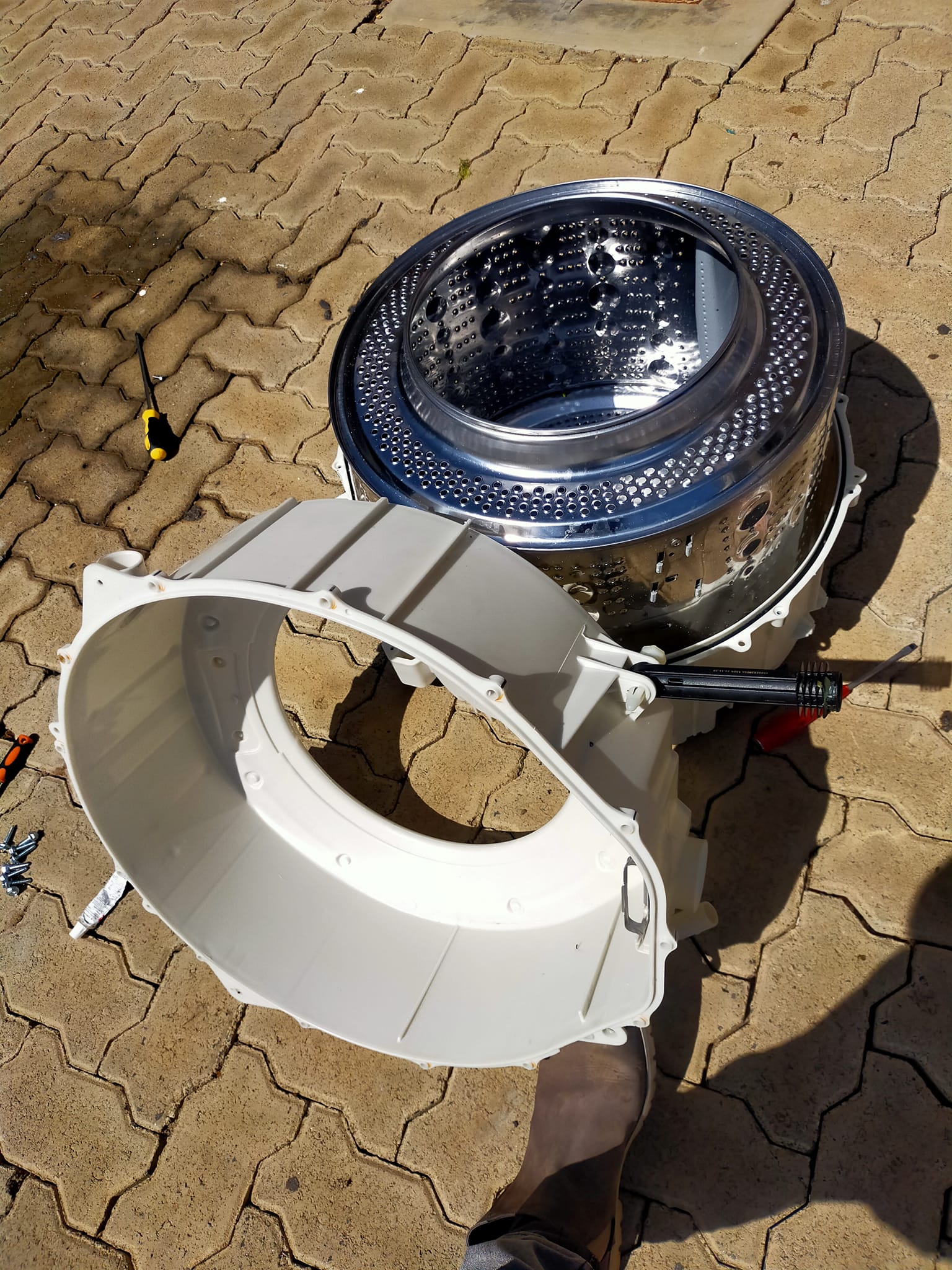
Most front loaders have a small access panel near the bottom front. Place a towel or shallow container underneath before opening it because water may come out. Inside the filter, you may find coins, hair clips, buttons, lint, fabric pieces, or bra wires.
These small items cause many washing machine problems in Kenya. They block drainage, jam the pump, and stop the machine from moving to the spin cycle.
Once the filter is clean, close it properly and run a drain or spin cycle. If the machine drains and spins, you have solved the issue without needing a major repair.
If the filter is clean but the washer still will not drain, the drain pump may be jammed or faulty. You may hear a low hum but no water movement. That usually needs a technician.
The Door or Lid Switch May Be Faulty
Washing machines will not spin unless they know the door or lid is closed.
For top loaders, the lid switch tells the machine it is safe to spin. If the switch fails, the washer may fill and wash but refuse to spin. Dust, moisture, and age can affect the switch, especially in areas where appliances sit in laundry corners with little ventilation.
For front loaders, the door lock or interlock does the same job. If the door does not lock properly, the machine will not enter spin. Sometimes you hear a click, but the cycle still does not continue.
This is a common repair and usually much cheaper than a motor or board replacement. A technician can test the switch or lock with a meter and replace it if needed.
If the machine displays a door error or keeps pausing before spin, mention that when calling for repair.
When the Motor Runs but the Drum Does Not Move
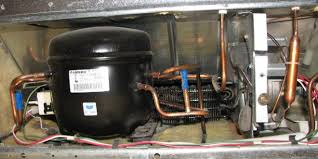
If you start the spin cycle and hear the motor working but the drum stays still, the belt may be the problem.
Many top loaders and older front loaders use a belt to connect the motor to the drum. Over time, the belt can stretch, crack, slip, or snap. Heat and humidity can also shorten its life, especially in coastal areas like Mombasa, Diani, and Bamburi.
A worn belt may make the machine struggle during spin. A snapped belt means the motor runs, but the drum does not move at all.
Belt replacement is usually straightforward for a trained technician. If the belt keeps coming off even after replacement, the problem may be deeper. The pulley may be worn, or the drum bearings may be causing too much movement.
For direct-drive machines, common in some LG and Samsung models, there is no belt. If the drum will not spin, the fault may be a motor sensor, hall sensor, control board, or wiring issue. That needs proper diagnosis.
Violent Shaking Usually Points to Balance or Suspension
A washer that bangs, jumps, or sounds like it is trying to leave the laundry area should not be ignored.
Sometimes it is just an unbalanced load. Stop the machine, open the door, spread the clothes evenly, and restart the spin. Heavy items like blankets and duvets should be washed carefully, and not all household washers can handle them.
If the machine shakes even with a normal load, check whether it is level. Uneven floors are common in rentals and older homes. Adjust the washer feet until it sits firmly and does not rock.
If the washer is level but still bangs violently, the shock absorbers, springs, or suspension rods may be worn. These parts control drum movement during spin. When they fail, the drum hits the sides of the machine.
Ignoring worn suspension can lead to cracked tubs, damaged hoses, and bigger repair costs.
A Loud Roaring Sound Can Mean Bearing Trouble
If your washing machine sounds like a plane taking off during spin, the bearings may be worn.
Bearings help the drum rotate smoothly. When they fail, the spin cycle becomes loud, rough, and sometimes shaky. You may also notice water leaking from underneath if the tub seal has failed.
This often happens after years of use, frequent overloading, or water entering the bearing area. In hard-water areas, mineral buildup and seal wear can make things worse.
You can do a simple check when the machine is off. Turn the drum by hand. If it feels rough, gritty, loose, or makes a rumbling sound, the bearings may be damaged.
Bearing replacement is a bigger repair because the washer has to be opened deeply. On some models, the drum can be repaired. On others, especially sealed drum designs, the full drum assembly may need replacement, which may not be worth it for an older machine.
A technician should be honest about whether bearing repair makes financial sense.
When There Is No Sound During Spin
If the cycle reaches spin and everything goes quiet, the fault may be electrical or control-related.
Older machines may have worn motor brushes. These carbon brushes wear down over time. When they are finished, the motor cannot turn properly even if power is available. Replacing brushes is usually affordable compared to replacing the motor.
Newer inverter machines do not use brushes, so silence during spin may point to a sensor, motor control issue, wiring fault, or control board problem.
Power surges are also a real concern in Kenya. A board can fail after blackouts or voltage fluctuations, especially in modern machines with digital controls. If the washer stopped working properly after a power issue, tell the technician.
A stabilizer or voltage protector can help protect the board and motor from unstable power.
Error Codes Can Save Time
If your washing machine has a display, do not ignore error codes.
Different brands use different codes, but they often point the technician in the right direction. An unbalanced-load code suggests the machine cannot spin because the drum weight is uneven. A drain error suggests water is not leaving the machine. A motor error may point to a sensor, wiring, or drive problem.
If you see an error code, take a photo before switching the machine off. When booking a technician, share the code along with the brand and model.
Even machines without displays may flash lights in a pattern. Count the flashes if you can. That pattern can help with diagnosis.
What a Professional Diagnosis Should Look Like
A good technician should not start by guessing.
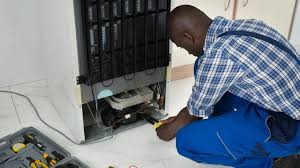
For a washing machine that will not spin, they should check drainage first. Then they should inspect the door lock or lid switch, load balance, belt or direct-drive system, motor, sensors, and control board.
They should test parts before replacing them. A proper diagnosis may include checking voltage, continuity, resistance, pump operation, belt condition, and error codes.
They should also explain the problem clearly. For example, “The drain pump is jammed, so the machine still thinks water is inside and will not spin,” or “The belt has snapped, so the motor runs but the drum cannot move.”
That kind of explanation helps you understand what you are paying for.
The Real Plug can help you find vetted washing machine repair technicians by location and service type. Look for professionals who handle spin problems, drain pump replacement, belt repair, bearing diagnosis, and LG or Samsung washing machine repair if those match your appliance.
When Repair May Not Be Worth It
Not every spin problem deserves an expensive repair.
If the fault is a blocked filter, belt, pump, lid switch, door lock, or sensor, repair usually makes sense. These are common problems and often cheaper than replacing the machine.
But if the washer is old and needs bearings, a control board, a door seal, and suspension work all at once, the cost can add up quickly.
A practical guide is the 50% rule. If the repair costs more than half the price of a similar new washing machine, and the unit is already old, replacement may be the wiser choice.
A trustworthy technician should tell you when repair is no longer the best option.
How to Prevent Spin Problems
Most spin problems are preventable with a few habits.
Do not overload the washer. Remember that capacity usually refers to dry clothes, not soaked heavy items. Wash duvets, blankets, and large towels carefully, and use a laundromat for items your machine cannot handle.
Check pockets before every wash. Coins, hair clips, and bra wires can block filters and damage pumps. Clean the drain filter monthly. Keep the machine level. Use the right amount of detergent because too much soap creates buildup and drainage problems.
Leave the door open after washing so the drum and seal can dry. Run a cleaning cycle regularly, especially in hard-water areas. Use a voltage protector if power in your area is unstable.
These habits cost very little, but they prevent many expensive repairs.
A Washer That Will Not Spin Does Not Have to Ruin the Day
A washing machine that refuses to spin can make laundry feel impossible. Clothes come out heavy, dripping, and slow to dry. In a busy Kenyan home, that quickly affects school, work, and the rest of the household routine.
But many spin problems start small. An uneven load. A clogged filter. A loose belt. A weak door lock. A blocked drain.
Check the basics first. Stop using the machine if it shakes violently, makes grinding noises, or refuses to drain. Then call a technician who tests properly, explains the fault, and gives you a clear repair option.
That way, the next time you press spin, the drum actually turns, the clothes come out damp instead of dripping, and laundry day gets back to normal.